
When Do Canada Geese Migrate From Uk
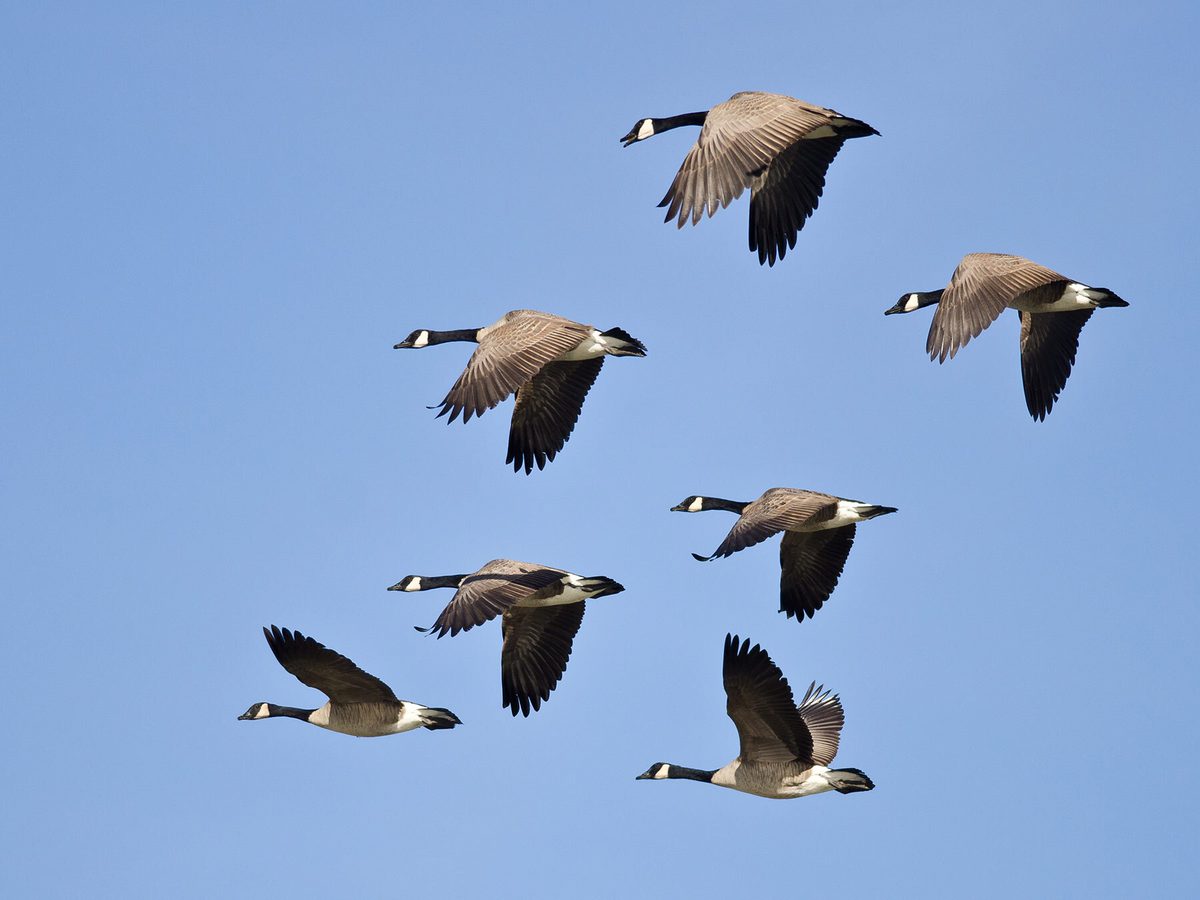
There’s something undeniably captivating about watching a V-formation of geese slice through the autumn sky. It’s a sure sign that the seasons are turning, and for many of us in the UK, it’s a delightful natural spectacle that sparks curiosity. When do these iconic Canada Geese pack their bags and head off on their incredible journeys? It's a question that pops up every year as the leaves begin to blush and the air takes on a crisp chill. Understanding their migratory patterns isn't just for birdwatchers; it’s a way to connect with the rhythms of nature that surround us, offering a glimpse into the sophisticated lives of these feathered travelers.
The migration of Canada Geese is a fascinating feat of endurance and instinct. Unlike many birds that simply vanish southwards, the migration of Canada Geese from the UK is a bit more nuanced. Many populations within the UK are resident year-round, meaning they don't undertake long-distance migrations in the same way their North American cousins do. However, this doesn't mean the UK is immune to their migratory movements! The geese we see in the UK are largely descendants of introduced populations, and while they've adapted well to our climate, they still exhibit migratory behaviours, albeit on a more local or regional scale, or they are influenced by the movements of birds from further north.
When the Locals Decide to Wander
So, when do these British-based Canada Geese tend to get restless? The most noticeable movements usually begin in late autumn, typically from October through to December. This is when the days are getting significantly shorter, and the natural food sources, particularly grasses and aquatic plants, start to dwindle. It’s a practical decision driven by the need to find more abundant and accessible food supplies. You might see larger gatherings of geese appearing at this time, often on bodies of water, as they stage before moving on.
These movements are less about a massive, coordinated flight across continents and more about a strategic dispersal to areas where food and open water are more readily available during the colder months.
The benefit of this local migration is clear: survival. By moving to areas with more plentiful food, they increase their chances of making it through the winter in good condition. This might mean moving from exposed parklands or farmland to more sheltered wetlands, estuaries, or even larger lakes where food sources are protected from frost. For us observing them, it’s a visual cue that winter is truly setting in. A sudden influx of geese into a local park can be quite a spectacle, a bustling, honking gathering that adds to the charm of the season.
The Influence from Afar
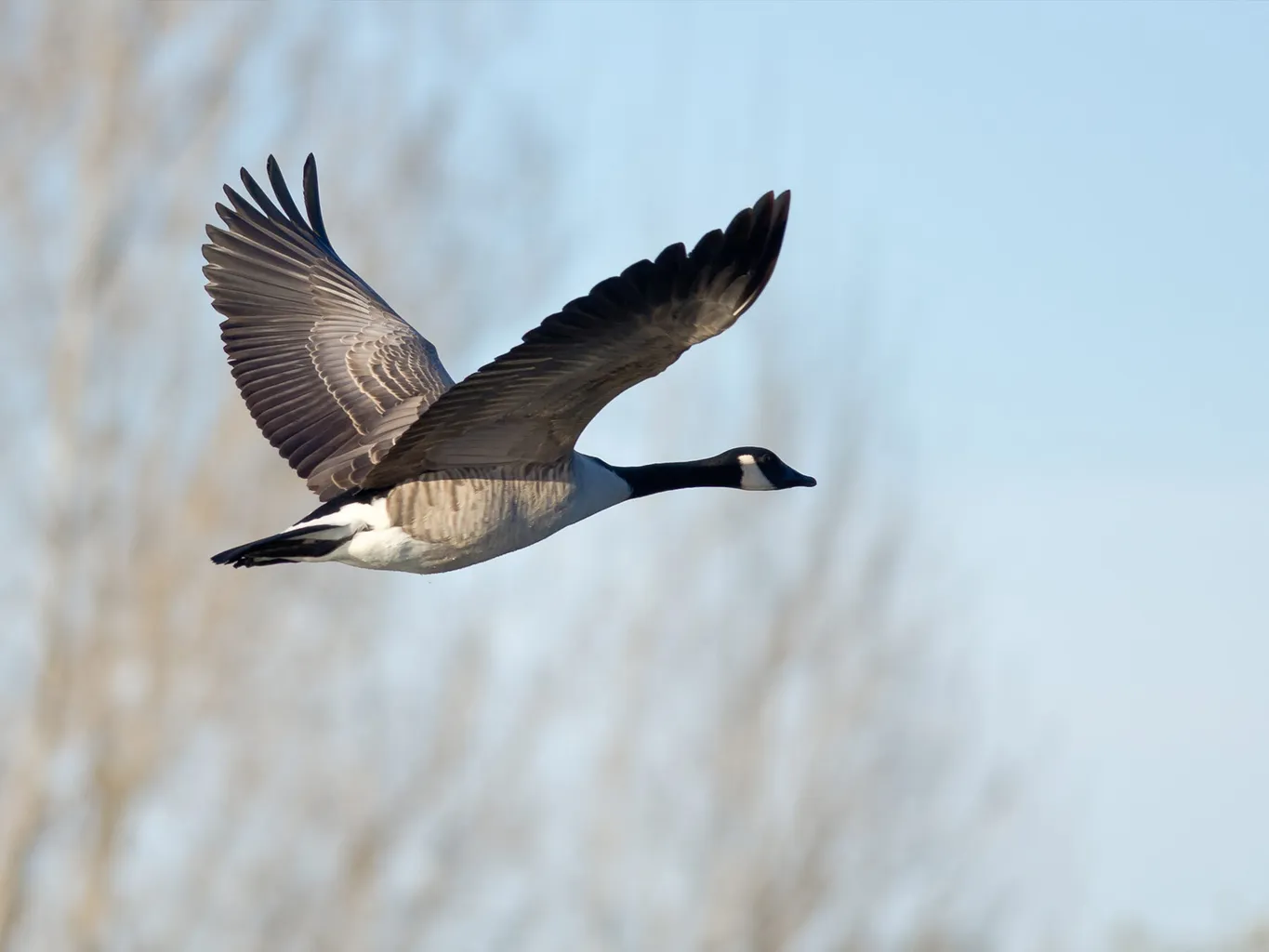
While the UK's resident Canada Geese might engage in these localized shifts, it’s also important to remember the influence of their wilder, more nomadic relatives. Some Canada Geese do arrive in the UK from further north and east, particularly from Scandinavia and parts of Russia. These birds are undertaking a more traditional, long-distance migration. Their arrival in the UK is typically also during the late autumn and winter months, seeking refuge from harsher continental winters. These visitors often join existing flocks, contributing to the larger numbers we see during this period.
The purpose of this larger-scale migration for these northern populations is the same: to escape extreme cold and find reliable food. The UK, with its milder climate and extensive coastlines and freshwater systems, offers a vital wintering ground for these birds. Their presence enriches our native wildlife and provides another layer to the dynamic of goose populations in the country. It’s a beautiful example of how different populations can interact and rely on shared resources across geographical boundaries.
Springtime Stirrings
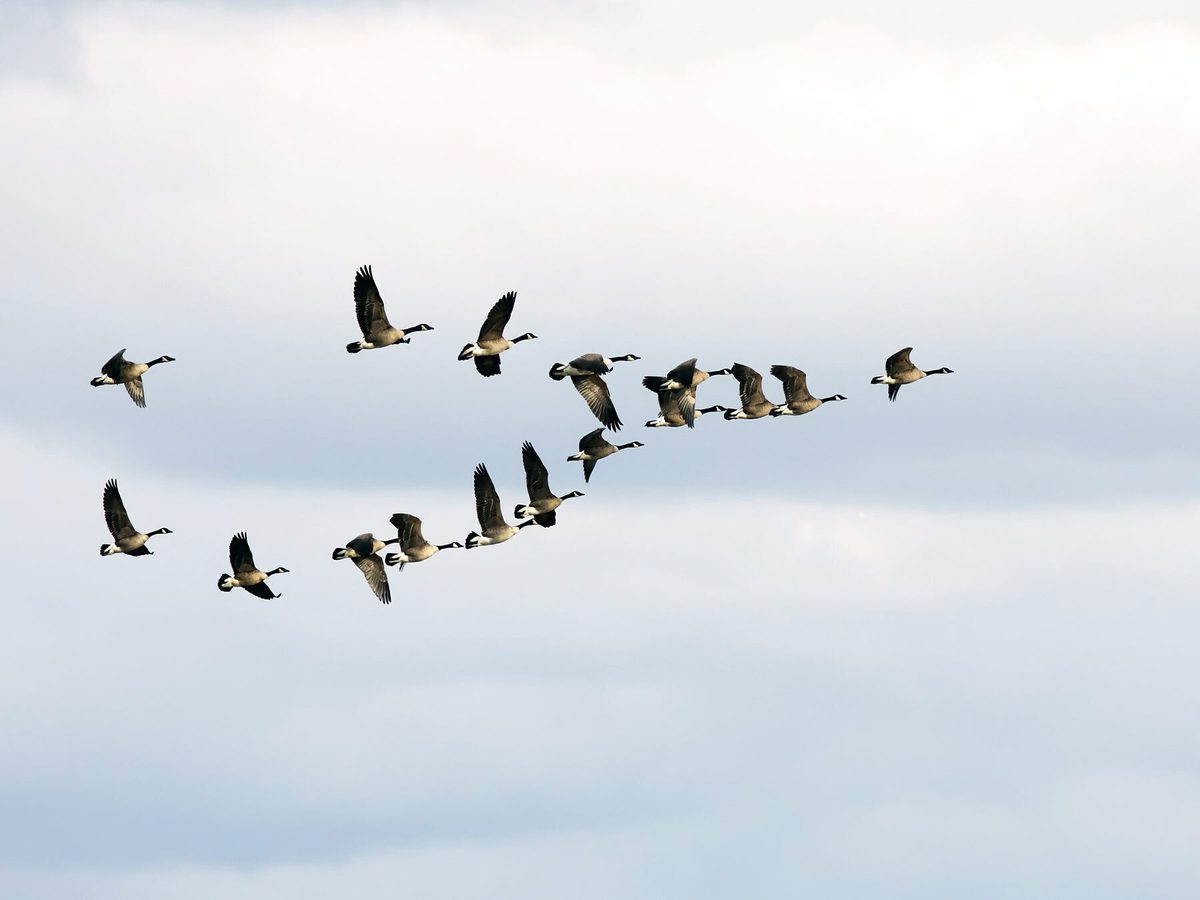
Conversely, as the days begin to lengthen and spring arrives, usually around February and March, you’ll notice the movements reversing. The local UK populations might disperse again as food becomes more plentiful closer to their usual haunts, and the birds that arrived from further afield will begin their journeys back north to their breeding grounds. This spring migration is driven by the urge to reproduce and is timed perfectly with the availability of resources in their northern territories. Seeing the geese depart in spring is just as significant as their arrival; it signals the true end of winter and the vibrant start of a new breeding season.
So, the next time you spot those distinctive black necks and white chinstraps, remember that their movements are a finely tuned response to the seasons and the availability of food. Whether they are local wanderers or visitors from distant lands, the migration of Canada Geese adds a lively and fascinating dimension to the British countryside, reminding us of the incredible journeys taking place all around us.