
When Do Bats Come Out Of Hibernation

Imagine the world is a sleepy bear, just starting to stretch and yawn after a long, cold nap. Well, our tiny, winged friends, the bats, are doing something similar! After months of snoozing away the winter chill, they’re gearing up for their grand re-entrance into the night sky.
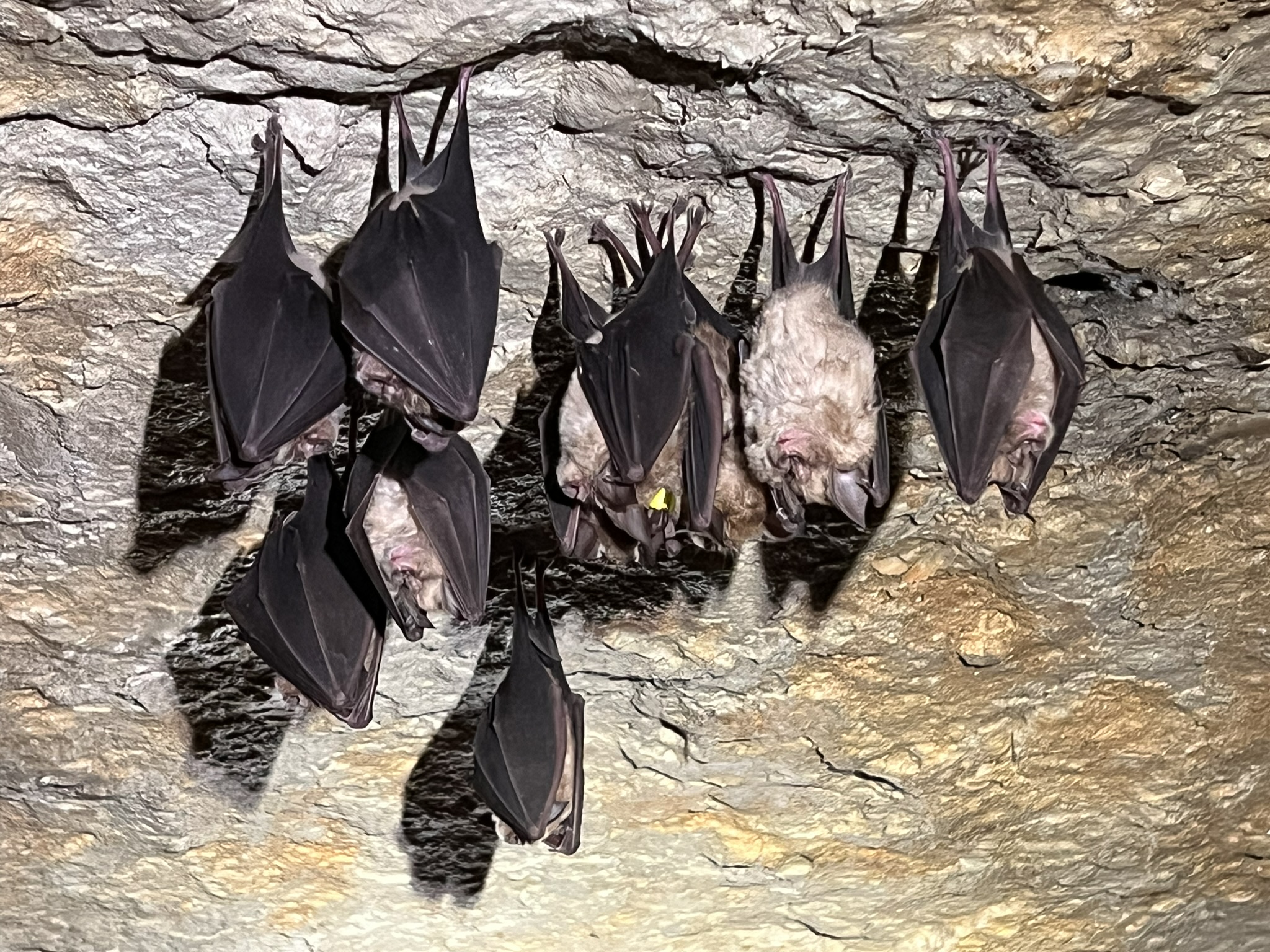
Think of hibernation as the ultimate cozy sleepover for bats. They find a nice, safe spot, usually a cave, an old mine, or even a quiet attic, and tuck themselves in. It’s like they’re hitting the fast-forward button on their lives, slowing down their heartbeats and body temperatures to conserve energy.
So, when exactly do these amazing creatures decide it's time to wake up and flutter around? It’s not like they have a calendar with a big "WAKE UP BAT!" date circled. Instead, their alarm clock is a lot more natural and a whole lot more subtle.
The Great Spring Awakening
The magic signal for bats to emerge from their slumber is usually a change in the weather. When the days start getting longer and warmer, and the nights lose their icy bite, it’s like a gentle nudge to their sleepy little brains. They begin to stir, feeling the earth warm up beneath them.
It's a gradual process, not an overnight explosion of flapping. First, they might wiggle their toes (or, well, their claws!) and stretch their leathery wings. It’s probably a lot like how you feel after sleeping in on a Saturday – a little groggy, a little stiff, but ready for action!
The exact timing can vary depending on where you live. In warmer climates, bats might start peeking out of hibernation as early as February or March. Think of them as the early birds of the bat world, eager to get back to their insect-catching adventures.
In cooler regions, however, they might need to wait a bit longer, perhaps until April or even May. They’re like the "wait for the last snowflake to melt" kind of bat. Patience is a virtue, even for a creature of the night!
What Wakes Them Up?
It’s not just the temperature, though. The availability of food plays a huge role. What do bats love to eat? Insects! And where do insects hang out in abundance? Outside, enjoying the warmer weather!
As the flowers start to bloom and the bugs begin to buzz, it’s a dinner bell for our hungry bats. The first signs of insect life are a major cue that it's time to end their long winter fast. They’re probably dreaming of juicy mosquitoes and tasty moths.
So, the rising temperatures and the re-emergence of their favorite snacks work together. It’s a dynamic duo, nature's way of saying, "Okay, little sleepyheads, the party's starting!"
The First Flights
When they finally do emerge, it’s a pretty special sight. Imagine a dark cave, quiet for months, and then suddenly, you see a few bats tentatively flying out into the twilight. It’s like the curtains opening on a secret show.

These first flights might be a little wobbly. After all, they’ve been still for a long time! They’ll likely be testing their wings, getting their bearings, and perhaps doing a little aerial yoga to loosen up.
It’s also a time for them to regroup. Bat colonies often hibernate together, so when they wake up, there’s a lot of social fluttering and chirping. They’re basically catching up after a long period of silent napping.
Mother Nature's Timing
The beauty of it is that nature has this all figured out. The bats don't need an alarm clock because their bodies and the environment are perfectly synchronized. It’s a testament to the incredible wisdom of the natural world.
Think about the amazing adaptations that allow them to do this. They can slow their metabolisms to an incredible degree, surviving on stored fat alone. It's like a super-powered hibernation mode!

And when they wake up, they're ready to get straight back to business. Bats are crucial for our ecosystems, helping to control insect populations and even pollinating plants.
A New Beginning
When you see those first bats of spring flitting across the evening sky, remember the incredible journey they've been on. They've been through a long, deep sleep, patiently waiting for the world to reawaken.
It’s a heartwarming thought, isn't it? These nocturnal wonders, often misunderstood, are a vital part of our planet, and their emergence from hibernation marks the return of a vibrant, active night.
So, next time you’re out on a warm spring evening, keep an eye on the sky. You might just witness the magical moment when the bats, after their long winter nap, decide it’s finally time to come out and play.

The Tiny Heroes of the Night
The arrival of bats in spring is a sign of life returning. It’s a signal that winter is truly over and that the world is buzzing with activity once more. They are the unsung heroes who work their magic under the cover of darkness.
Their hibernation is not just about survival; it's a remarkable biological feat. It’s a testament to their adaptability and resilience. They are masters of making the most of their environment.
So, let’s appreciate these amazing creatures. They are a part of the rich tapestry of life, and their return from hibernation is a cause for celebration. They are the true adventurers of the night, and their story is one of survival, renewal, and the enduring beauty of nature.
Remember, even though bats are waking up, it’s important to admire them from a distance. They are wild animals and deserve our respect. Let them have their space as they re-adjust to their busy lives.