
When Did Asbestos Stop Being Used Uk

Remember that cosy old house your nan lived in? The one with the slightly draughty windows and the perpetually warm radiators? It's quite possible, if that house was built back in the day, that it had a little secret hidden within its walls – asbestos. Now, don't panic! We're not talking about tiny asbestos monsters doing the tango in your airing cupboard. We're just going to have a friendly natter about when this stuff mostly packed its bags and left the UK building scene.
Think of asbestos like that well-meaning but slightly overbearing relative who was everywhere in the 70s and 80s. It was the ultimate multi-tasker, a real DIY hero for builders. It was fire-resistant, it insulated like a dream, and it made things tough. From the roof tiles on your garage to the textured ceiling that looked a bit like fluffy clouds (remember those?), asbestos was just… there. It was the duct tape of building materials, but with added superpowers.
So, when did this ubiquity start to fade? Well, the big shift, the moment the UK really started to say "adios" to asbestos, was around 1999. This was the year that a ban on the use of most types of asbestos in the UK came into full effect. So, if your house was built after this, you're generally in the clear regarding new asbestos installations. It’s like when your favourite childhood toy got discontinued – you could still find it in old cupboards, but no one was selling it brand new at the toy shop anymore.
The Gradual Goodbye
Now, it wasn't a sudden flick of a switch, mind you. The journey to banning asbestos was a bit more like a slow-motion wave receding from the shore. Concerns about its health effects, particularly the nasty lung diseases it could cause, had been bubbling up for a while. Scientists were starting to connect the dots, and the evidence became too strong to ignore.
Imagine a party where someone spills a drink. At first, it's just a small splash, a bit of a mess. But then the music gets turned down, people start looking around, and eventually, everyone decides it's probably time to go home. That's a bit like how the awareness of asbestos dangers grew. It started small, with whispers and studies, and grew into a full-blown societal understanding that this material, while useful, was also a bit of a health hazard.

Different types of asbestos were phased out at different times. Blue and brown asbestos, the nastier characters in the asbestos family, were banned earlier, around 1985. White asbestos, which was more commonly used, hung around a little longer, getting the boot in 1999. So, it was a bit of a staggered exit, like different bands leaving the stage one after another at a music festival.
Why Should We Care Now?
Even though we don't buy new asbestos products anymore, it's still very much with us. Think about all those buildings constructed before 1999: schools, hospitals, offices, and yes, those lovely old homes. All of them could potentially contain asbestos-containing materials (ACMs).

The crucial thing to remember is that asbestos is only dangerous when it's disturbed. If it's in good condition and left alone, it’s like a sleeping dragon – perfectly harmless. The problem arises when you start drilling, cutting, sanding, or dismantling materials that contain it. This can release tiny, invisible fibres into the air, and that's where the trouble starts.
Imagine you're trying to hang a picture on a wall and you accidentally drill into a patch of old, crumbly artex ceiling. If that artex happens to contain asbestos, those fibres could get stirred up. It’s like shaking up a fizzy drink – you don’t want that to happen! These microscopic fibres can be inhaled and, over time, can lead to serious lung diseases like asbestosis, mesothelioma, and lung cancer. It’s a bit of a grim thought, but it’s important to be aware.
Everyday Scenarios and Asbestos
So, where might you encounter it in your daily life, or rather, in the fabric of your older home? Let’s paint a picture:
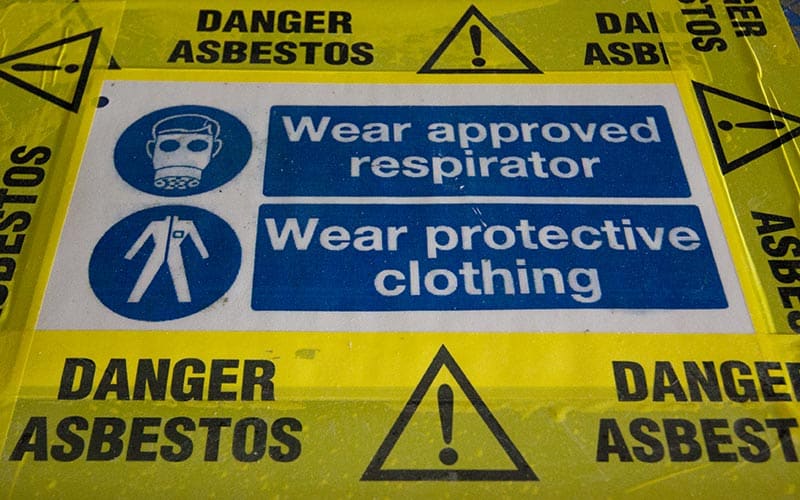
- The Shed or Garage: Those corrugated roofing sheets? Often asbestos. The walls? Could be too.
- The Boiler Room/Airing Cupboard: Lagging around pipes and boilers was a prime spot for asbestos. It was great for insulation, remember?
- The Kitchen: Older floor tiles, especially the lino-type ones, might contain asbestos. So could the backing for some wall tiles.
- The Loft: Insulating boards and some types of ceiling tiles could have it.
- The Bathroom: Look at old cisterns or even the panels around baths.
- The Exterior: Fascias, soffits, and even some types of decorative cladding could be made with it.
It's not about being paranoid, but about being informed. If you’re planning any renovations, especially in an older property, it’s wise to get a professional assessment. Think of it like going to the dentist for a check-up. You don’t go because you have a toothache, but to ensure everything is healthy and to catch any potential issues early.
When to Wave the White Flag (and Call the Experts!)
So, what are the tell-tale signs that you might need to tread carefully? If you see materials that are:
- Damaged or Deteriorated: Crumbly, dusty, or showing signs of wear and tear.
- Disturbed: If work has been done recently and you're unsure what was encountered.
- In Areas Likely to Be Affected: As mentioned above, certain areas of older homes are more prone.
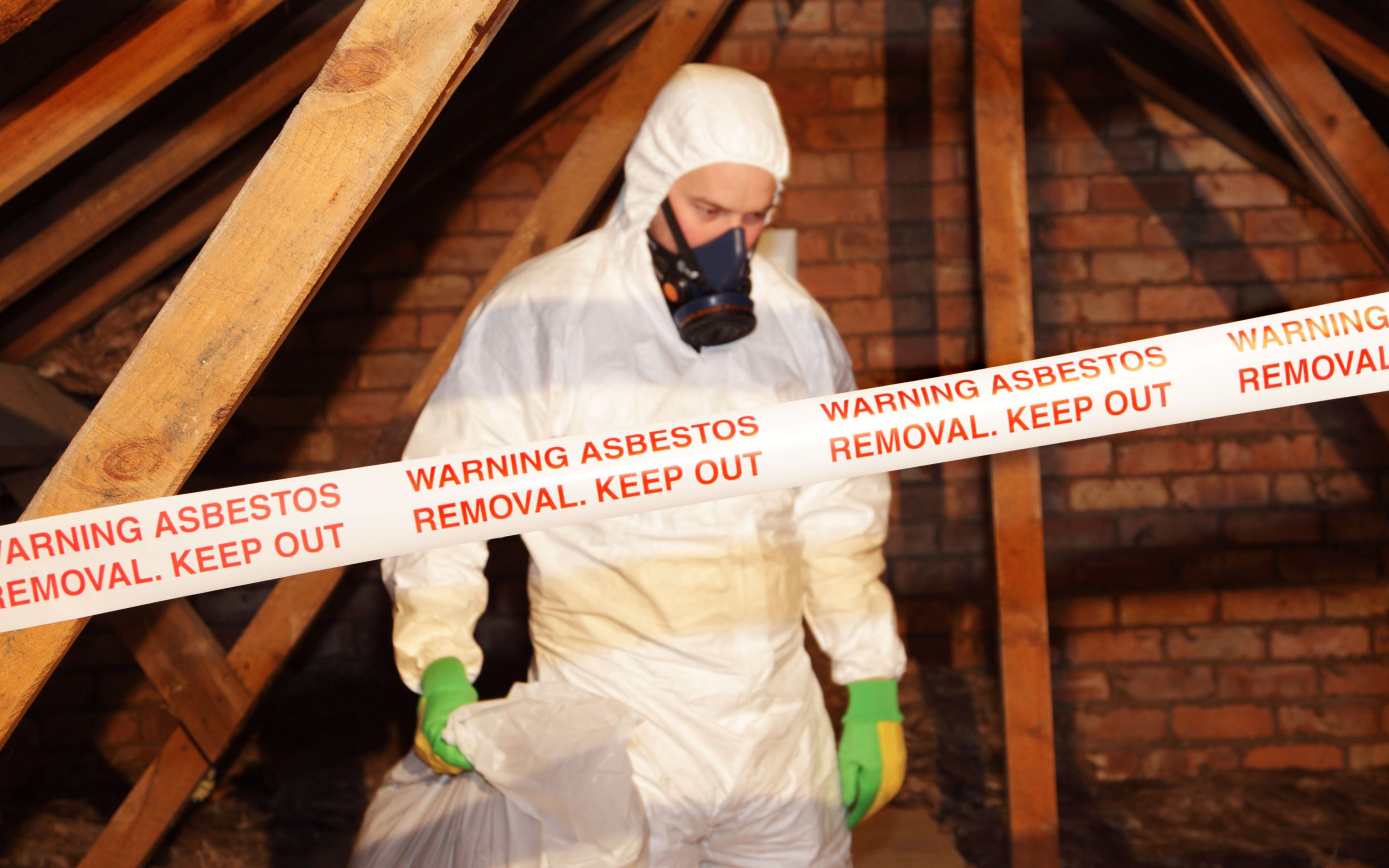
If you suspect asbestos is present and it's in a condition that might pose a risk, do not try to remove it yourself. This is where the experts come in. They have the right equipment, training, and safety procedures to remove it safely, so those tiny fibres stay where they belong. It's a bit like knowing when to call a plumber when your sink is leaking – you wouldn't try to fix a major pipe burst with Sellotape, would you?
A Little Piece of History in Our Homes
It’s fascinating, in a slightly eerie way, to think that we’re living alongside a material that was so commonplace and is now recognised as a significant health risk. It’s a reminder of how much our understanding of safety and health has evolved. The ban in 1999 was a really important step forward for the UK, protecting future generations from the invisible dangers of asbestos.
So, while we can still find this old material hanging around in our older buildings, the key is awareness and caution. If you’re ever unsure, it’s always best to err on the side of caution and seek professional advice. It’s about keeping our homes and our loved ones safe, and understanding a little bit of the history that’s literally built into the places we live. And that, my friends, is something worth knowing.