
When Can You Take A Newborn Swimming

So, you've got this tiny, brand-new human. Adorable, right? And you're probably thinking, "When can this little water sprite actually hit the pool?" It's a question many new parents ponder, usually while staring at a bath toy with a mix of fascination and mild terror. You're not alone, by the way. I've been there, holding a miniature human and wondering if they’d dissolve or spontaneously sprout gills. Spoiler alert: they don't.
Let's get straight to the nitty-gritty, shall we? The "official" answer, the one you might hear from your pediatrician, is usually around the 6-month mark. Why 6 months? Well, it's not because they suddenly develop the ability to do the butterfly stroke. It’s mostly about their immune system. Tiny babies are still building up their defenses, and public pools, bless their chlorinated hearts, can be a breeding ground for all sorts of microscopic nasties. Think of it as a tiny, cute, but vulnerable superhero who needs a bit more time to get their cape fully operational.
But wait, don't put away those tiny floaties just yet! There's a little wiggle room. Many parents dip their toes, literally, into swimming before the 6-month mark, and that's perfectly fine, provided you're smart about it. We’re talking about infant swim classes that are more about getting them comfortable with water, not Olympic training. These classes are usually super gentle, focusing on water acclimation and basic safety. It’s less "swimming" and more "babies splashing joyfully, occasionally swallowing a mouthful of warm water."
If you're eyeing that idea, make sure the place you choose is legit. Look for classes that emphasize positive experiences. No forcing baby underwater, no dramatic dunking. Think soft singing, gentle splashing, and maybe even a few strategically placed water-safe toys. The goal is to make water a happy place, not a place that triggers toddler-level tantrums later on. You want them to associate water with fun, not with the feeling of being a tiny, helpless fish out of water.
So, what's with the 6-month rule, really?
It's all about building up that little immune system. Babies are born with a certain level of passive immunity from their mothers, but it starts to fade. By six months, their own immune system is getting a bit more robust, better equipped to handle the… well, the stuff that might be lurking in communal water. It’s like their internal shield is upgrading. Think of it as hitting level 18 in a video game where they unlock new defenses.
And then there’s the skin factor. Newborn skin is incredibly delicate. Chlorine, while necessary for keeping pools clean, can be a bit drying and irritating to that super-soft baby skin. So, waiting a bit gives their skin a chance to mature a little. Plus, you don’t want them getting sunburned, which is like a tiny, angry red lobster. We're aiming for a rosy-cheeked cherub, not a crustacean.
What about baptism or religious ceremonies?
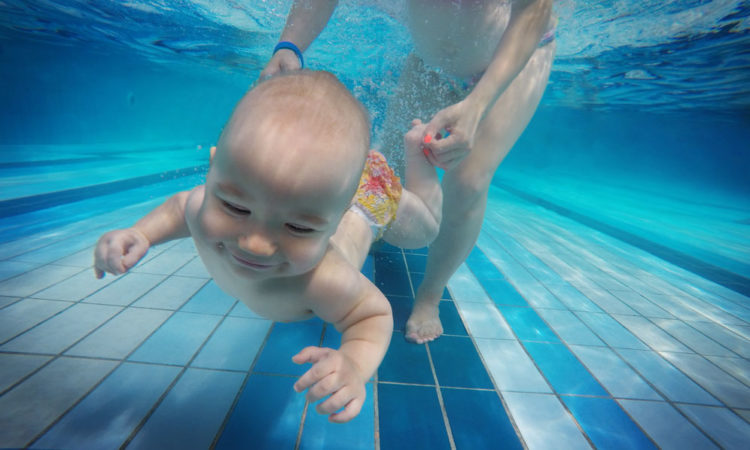
Ah, the age-old question for some! If you're planning a religious ceremony that involves full immersion for a newborn, that's a different ballgame. In such cases, it's crucial to have a very open and honest conversation with your pediatrician. They can guide you on the safest way to approach this, considering the specific age of the infant and any necessary precautions. It's not something to wing, that's for sure. You want to make sure everyone is healthy and happy, especially the star of the show, the baby.
So, can I just take my 2-week-old to the local pool?
Uh, probably not the best idea, my friend. Think about it. A 2-week-old’s body temperature regulation isn't fully developed. They can get cold way faster than you or I. And remember that delicate skin we just talked about? Public pool water, no matter how clean it looks, has a higher chance of harboring germs that a brand-new immune system isn't ready for. It's like sending them into battle with a toothpick against a dragon. Not ideal.
But what about your bathtub? That’s a whole other story! Many parents start bathing their newborns pretty much from day one. This is usually a shallow bath, with warm water, and supervised with a hawk's eye. This is where they get their first taste of water, and it’s a controlled environment. You know the water temp, you know it’s clean, and you’re right there. It’s like their own personal spa, minus the cucumber slices. And honestly, bath time can be a beautiful bonding experience. Watching them paddle their tiny legs and explore the water is pure magic.

The "When Can I" vs. "When Should I" Debate
Here’s where things get a little fuzzy, and where personal preference and a dash of common sense come in. While 6 months is the widely recommended age for public pools, you might feel comfortable introducing your baby to water sooner in a controlled environment. This could be a warm, shallow kiddie pool in your backyard (under constant supervision, naturally!) or even a very well-managed private pool with filtered, warm water.
The key here is temperature and hygiene. A baby can lose heat very quickly, so the water needs to be comfortably warm, not chilly. And you need to be confident about the water’s cleanliness. No one wants their little one picking up a nasty bug on their first aquatic adventure. It's like a miniature hygiene audit, but with more bubbles.
What about those adorable baby swim seats?
Okay, let's talk gear. Those cute little rings and seats you see? While they look adorable, use them with extreme caution, or better yet, avoid them altogether for very young infants. For newborns and very young babies, they can actually be less safe. Why? Because they can sometimes give parents a false sense of security. You still need to be right there, supervising every single second. It's not a babysitter for the pool, folks. It’s a flotation device that requires constant, vigilant attention. Plus, they can sometimes restrict a baby's natural movement, which is part of how they learn to balance and feel comfortable in the water.
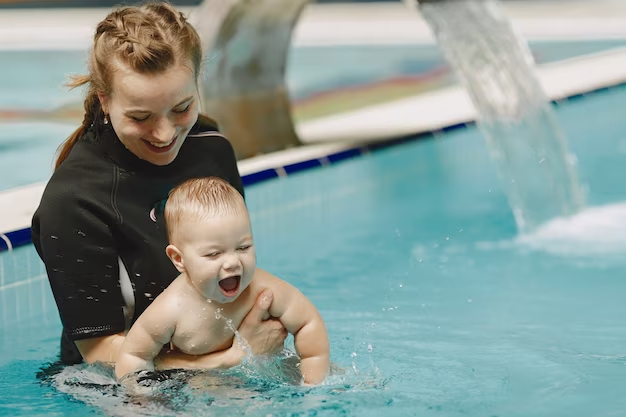
The best way to introduce a very young baby to water is often in your arms. You hold them, you support them, and you let them feel the water against their skin. It's about connection and gentle exposure. Think of it as a water massage, but with more giggles. Once they’re a little older and more used to the water, then you might consider some infant swim classes that use specialized, safe equipment designed for their developmental stage. It's a progression, like learning to walk before you run a marathon.
Signs Your Baby is Ready (or NOT Ready!)
How do you know if your little one is up for a dip? Well, beyond the age factor, look at their general demeanor. Are they generally happy and curious? Or are they a bit of a worrier who gets easily overwhelmed? If your baby is already comfortable with bath time, that’s a great sign they might enjoy a little more water fun.
Conversely, if your baby is distressed during baths, cries inconsolably, or seems tense and scared, maybe hold off on introducing them to a pool. Pushing them into something they're clearly not ready for can create a negative association with water that's hard to shake. It’s like trying to introduce a picky eater to Brussels sprouts on their first birthday. Probably not the best strategy.
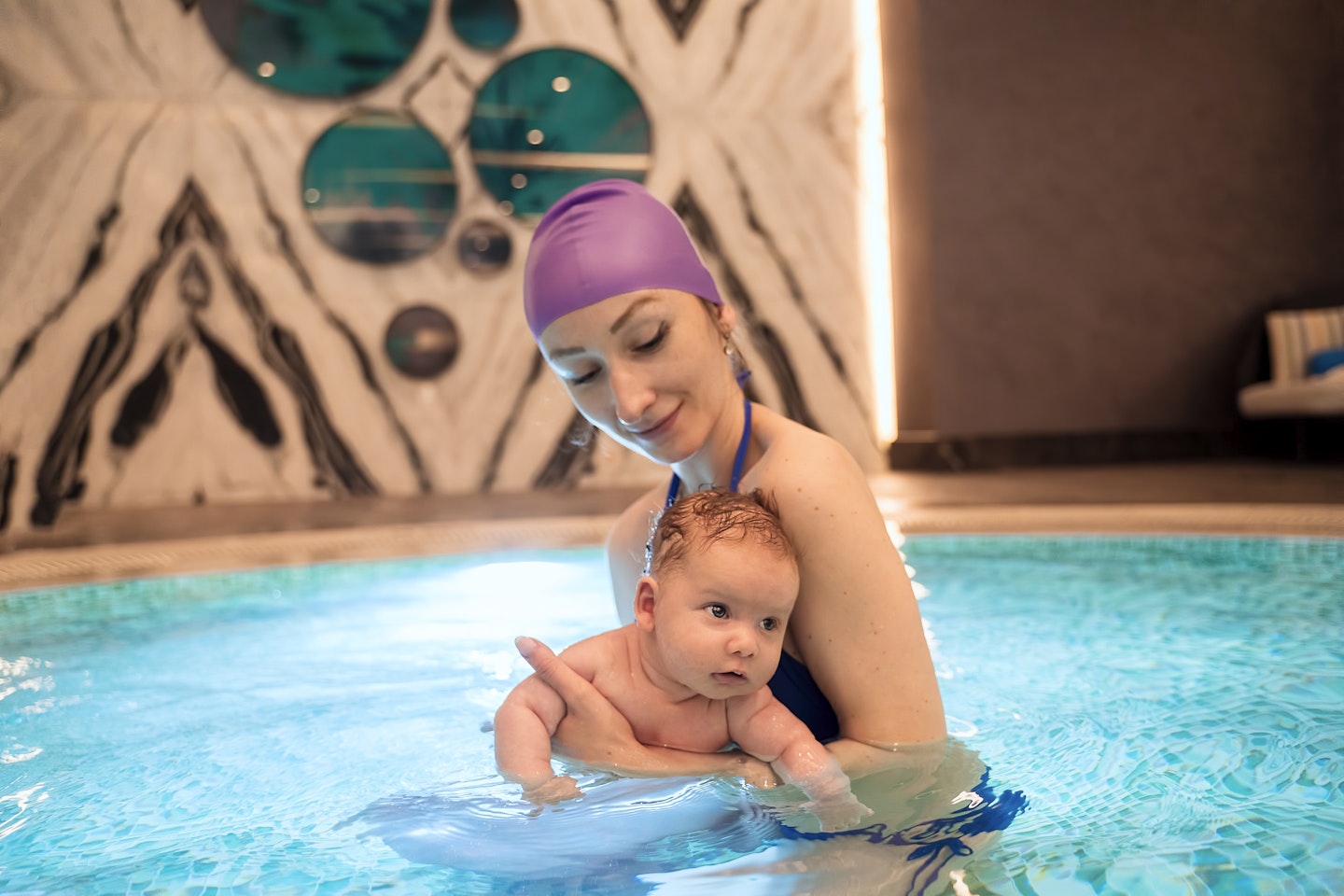
Other signs to watch for:
- Body Temperature: Are they easily getting chilled? If so, postpone.
- Skin Sensitivity: Is their skin reacting to bath products? Chlorine might be too much.
- General Health: Are they fighting off a cold or have any ear infections? Definitely no swimming then.
The Takeaway: Patience is a Virtue (and a Safety Net)
So, to recap, while the "official" age for public pools is often cited as 6 months, it’s more of a guideline than a hard and fast rule. For newborns, stick to gentle, supervised baths at home. As they get a bit older, consider gentle infant swim classes that focus on water acclimation and positive experiences. And when in doubt, always, always have a chat with your pediatrician. They are your ultimate guides in this parenting adventure, and they've seen it all.
The most important thing is to make water a positive and safe experience for your baby. Whether it’s a warm bath or a supervised splash in a shallow pool, the goal is to create happy memories and build confidence. Enjoy those early days, and don't rush the swimming lessons! There will be plenty of time for cannonballs and water wings later. For now, focus on cuddles, clean water, and maybe a rubber ducky or two.
Ultimately, the joy of seeing your baby discover the water is immense. Just remember that their little bodies are still developing, and their immune systems are building. So, be patient, be informed, and most importantly, have fun! After all, they’re only this tiny and this cute for a short while. Let’s make those first water experiences safe, happy, and memorable.