
When Can You Drive After A Caesarean

So, you've welcomed your amazing little human into the world via C-section! Congratulations! Your body has done something truly incredible, and now it's time for you to heal and get back to your fabulous self. One question that pops up quicker than a baby giggling is: "When can I get behind the wheel again?" Let's dive into the wonderfully practical world of post-Caesarean driving!
Think of your recovery like a superhero training montage. You've got this epic journey of healing, and just like any superhero, you need the right gear and the right timing to get back in the action. Driving is a big part of that action, isn't it? It's your ticket to freedom, your chariot to the grocery store, your getaway car from endless diaper changes (just kidding... mostly!).
The Big Question: When Can I Drive? It's Not a Race!
This is the golden question, and the answer is beautifully simple: when you feel ready and when your doctor says it's okay! There's no magic number of days or weeks etched in stone that applies to everyone. Your body is unique, your birth experience was unique, and your recovery will be unique. So, resist the urge to compare your "driving comeback" to anyone else's. Your healing journey is your own personal victory lap.
Your doctor, your amazing medical wizards, will be your ultimate guide. They'll check on you, ask you how you're feeling, and give you the green light when your stitches are healing, your pain is manageable, and your core is starting to feel like it's not held together with just wishful thinking. Listen to them! They've seen it all, and they know what's best for your speedy, safe return to the road.
Generally, most doctors will suggest you wait at least two to six weeks after your C-section before even thinking about driving. This isn't a strict rulebook; it's more of a gentle nudge to give your body the time it desperately needs to mend. Imagine trying to run a marathon the day after breaking your ankle – not ideal, right? Driving after major surgery is similar in that it requires physical exertion and quick reflexes.
What's Really Going On Under the Hood? Your Body's Mechanics
Let's peek under the hood, shall we? A C-section is a significant abdominal surgery. They've done some amazing work to get your baby out, and that means there's healing happening deep inside. Your abdominal muscles have been carefully cut and then stitched back together. These muscles are crucial for everything from sitting up to, yes, driving!
When you're driving, you're constantly engaging those core muscles. You're turning your head to check blind spots, you're adjusting your posture, you're even bracing yourself a little when you brake. All of these actions can put pressure on your healing incision and those tender abdominal muscles. So, while you might feel an overwhelming urge to escape the baby bubble and hit the open road, your body is quietly whispering, "Hold up, cowboy! We're still under construction!"

Pain is your body's brilliant alarm system. If turning your head to check your mirrors makes you wince, or if reaching for the seatbelt feels like a wrestling match with a particularly feisty badger, then you're definitely not ready. Driving should feel comfortable and pain-free. Your brain needs to be fully focused on the road, not on managing a symphony of internal complaints.
"My doctor said I could try a short, familiar drive around the block when I felt up to it. It felt like winning the lottery!"
That feeling of freedom when you finally get back behind the wheel after a break? It's pure magic. For a new mom, that magic can be amplified by the sheer relief of being able to run a quick errand or simply enjoy a moment of quiet solitude on your own terms. So, the anticipation is real, and totally understandable!
The "Can I Actually Do This?" Checklist
Before you even consider putting the key in the ignition, run through this super-easy checklist. It’s your personal "Go-or-No-Go" for driving.
Pain Check: Can you comfortably sit in a car seat for at least 30 minutes without significant pain? Can you twist and turn your upper body to check your surroundings without that dreaded "ouch"? If the answer is a resounding "yes," then that’s a fantastic sign. If it’s a hesitant "maybe" or a definite "nope," then it's time to chill on the driving dreams for a bit longer.
Medication Check: Are you still taking strong pain medication that makes you feel foggy or drowsy? If so, absolutely no driving. These medications can seriously impair your reaction time and judgment, which are both non-negotiable for safe driving. Think of it as your brain needing to be at peak performance, like a finely tuned race car engine.
Mobility Check: Can you easily get in and out of the car? Can you buckle your seatbelt without a struggle? Can you operate the pedals smoothly? If these basic movements feel like a workout, then your body is still recovering. Patience, my friend, is key here.
Doctor's Clearance: This is the big kahuna, the ultimate stamp of approval. Have you had your postpartum check-up? Did your doctor give you the all-clear to drive? If not, give them a call and schedule that appointment. They are your trusted advisors in this post-baby adventure.
What About Passengers? The Tiny Terrors (and Joys!)
Once you get the green light to drive, you might be thinking about bringing your precious cargo along. This is another big step! When you're driving with a baby, especially a newborn, you need to be extra vigilant. Your focus needs to be 100% on the road, not on soothing a crying infant or making sure they’re still breathing (we know, the mummy-brain is real!).
When you first start driving with your baby, plan for short trips. Think a quick drive to the park or to pick up a prescription. Avoid rush hour, long highways, or any situation that might add extra stress to your already demanding new-mom life. Your goal is to build up your confidence and your baby's comfort with car rides gradually.

And remember, if you have other little ones, make sure they understand that Mommy needs to concentrate while she's driving. It’s a good opportunity to teach them about road safety and the importance of being quiet when Mommy is focusing on driving. They can be your little co-pilots in stillness!
"I was so anxious to get out and about again. My first drive was just to the coffee shop a mile away. It felt like a huge accomplishment!"
That first solo drive, or even the first drive with your baby, can feel like a monumental achievement. It's a sign that you're healing, you're regaining your independence, and you're re-entering the world on your terms. Celebrate these small victories; they are huge!
Tips for a Smoother Transition Back to Driving
So, you're getting close, you're feeling better, and you're dreaming of your first post-C-section road trip (even if it's just to the mailbox). Here are some tips to make that transition as smooth as a baby's bottom:
Start Small: Don't plan a cross-country road trip for your first drive. Opt for short, familiar routes. A quick trip to the grocery store or a drive to a friend's house nearby is perfect.
Listen to Your Body (Seriously!): If you start feeling tired, sore, or uneasy, pull over. It’s not a race to get anywhere. Your body’s signals are your most important navigation tool right now.
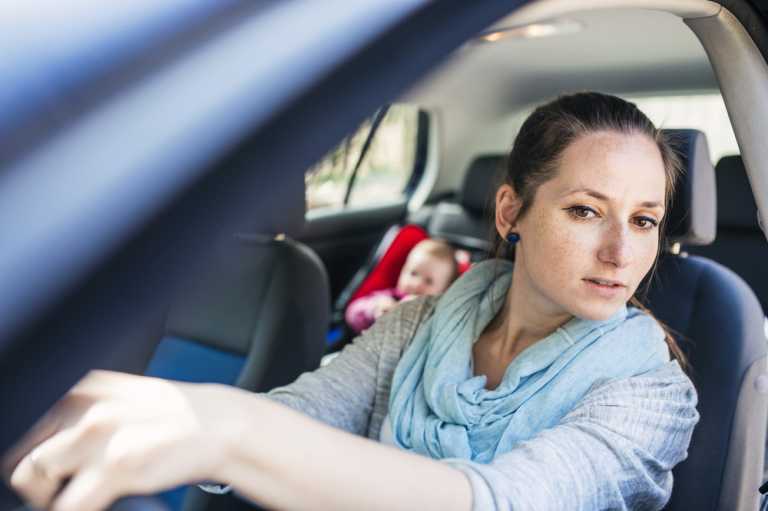
Adjust Your Seat: Make sure your seat is adjusted so you can comfortably reach the pedals and steering wheel without straining your abdominal area. A comfortable posture is key.
Avoid Bumpy Roads: If possible, stick to smooth, well-maintained roads. Those jarring bumps can feel like a punch to your healing tummy.
Enlist a Co-Pilot: For your first few drives, consider having a trusted friend or partner ride with you. They can help with navigation, keep an eye on you, and even manage the baby if needed. It’s like having your own pit crew!
Be Patient with Yourself: Recovery takes time. There will be good days and not-so-good days. Don't get discouraged if you have to take a break from driving for a little longer than you initially planned. You are doing amazing!
Driving after a C-section is a milestone in your recovery. It's a sign of your strength and your body's incredible ability to heal. Be kind to yourself, listen to your doctor, and celebrate every step of your journey. Soon enough, you'll be cruising around, enjoying your newfound freedom, and showing off your amazing post-baby glow! Happy healing, and happy (eventual) driving!