
When Can I Wear A Hat After Hair Transplant
So, you’ve embarked on the exciting journey of a hair transplant! It's a big step, and naturally, you're probably wondering about the little details, like when you can once again rock your favorite headwear. Think of it as a secret handshake with your new hair. We’re going to spill the beans on when that stylish hat can make its grand return.
Imagine this: you're heading out, sunshine on your face, and you reach for your trusty baseball cap, only to remember… the rules. It’s a classic dilemma, but fear not! We're here to make it super clear and a little bit fun.
The main reason for this waiting game is simple: protection. Your newly transplanted hair follicles are delicate little sprouts. They need time to settle in and get comfortable in their new home. Think of them as tiny VIPs who need a quiet, undisturbed environment.
So, when does this VIP treatment end? It’s not a one-size-fits-all answer, but there are general guidelines. Your surgeon, the absolute hero of this story, will give you the most precise timeline. They know your specific procedure inside and out!
Generally, you can expect to wait a few days to a week before you can wear a very loose-fitting, soft hat. We're talking about something that doesn't press down at all. It’s like a gentle hug, not a tight squeeze, for your scalp.
This initial period is crucial. During these first few days, the transplanted grafts are extremely fragile. They’re still attaching themselves, like little seeds finding their perfect spot to grow. Any pressure could disrupt this magical process.
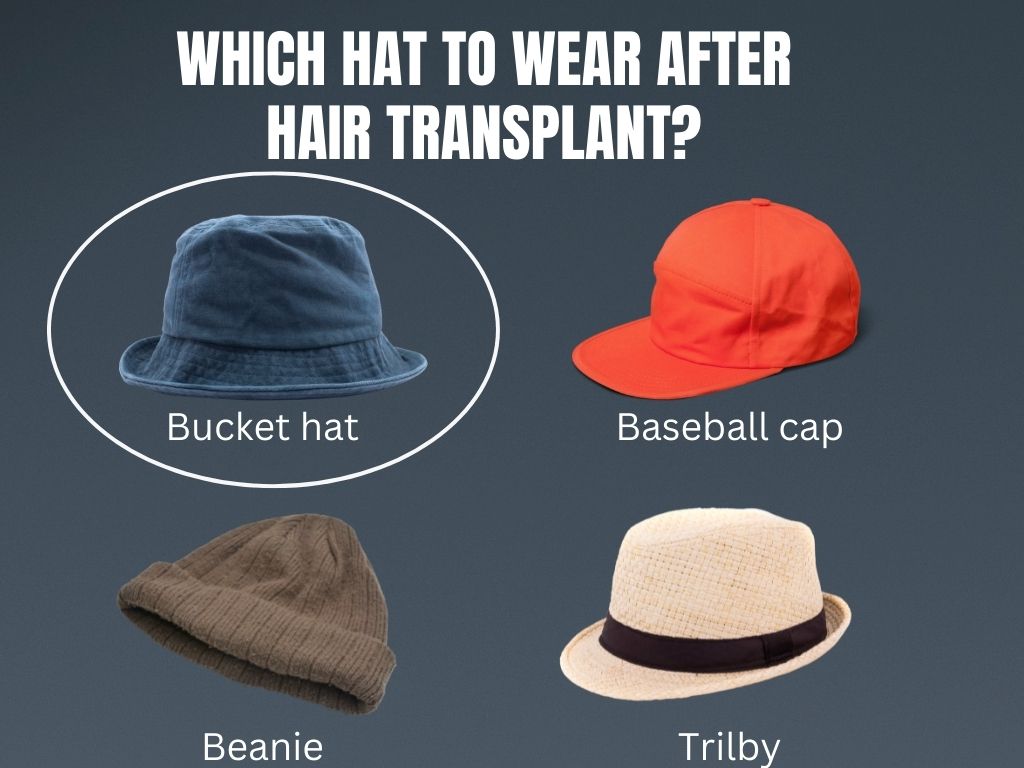
Now, what about those snug-fitting beanies or stylish fedoras? Those might need a bit more patience. We're probably looking at a few weeks, maybe even up to a month or more, depending on how your healing is going.
The key word here is gentle. When you do start wearing hats again, always prioritize what feels comfortable. If it tugs, pulls, or feels even slightly tight, it’s a sign to take it off and wait a little longer.
Your surgeon will likely have a clear plan for you. They might schedule follow-up appointments to check on your progress. These are your opportunities to ask all your burning hat-related questions!

Think of these appointments as your “hat-pass” checkpoints. At each one, you’ll get a better understanding of when you can reintroduce your favorite headwear to your daily life.
What kind of hats are we talking about? Initially, think very soft, breathable materials. Cotton is usually a good bet. Avoid anything rough or synthetic that might irritate your scalp.
And the fit? Super loose. We're talking about hats that practically float on your head. If you can easily slide a finger under the brim without resistance, you're probably on the right track.
The goal is to create a protective shield for your scalp, not to put any stress on the newly transplanted hair. It’s all about giving those little grafts the best chance to thrive.
Imagine your hair follicles as tiny, newly planted flowers. You wouldn’t want to stomp all over them, right? Wearing a tight hat is a bit like that.
So, patience is your best friend in this early stage. Think of it as a period of nurturing and self-care for your scalp. Enjoy the break from hats if you usually wear them a lot!
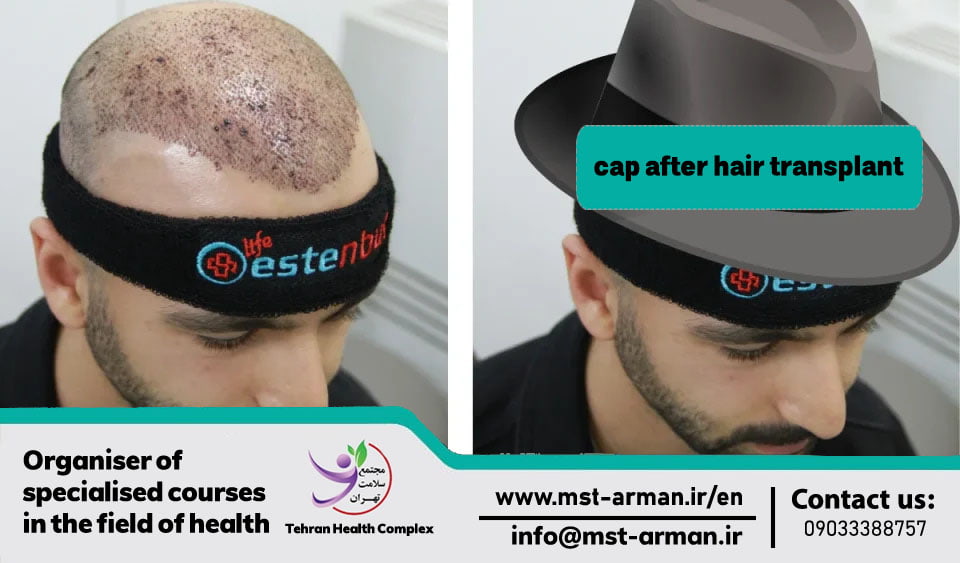
However, there's a flip side to this waiting game. Sometimes, a hat can be a good thing! Once your scalp has healed a bit, a loose-fitting hat can actually offer some protection from the sun.
Sunburn on a freshly transplanted scalp is definitely something to avoid. The UV rays can damage those delicate follicles and hinder growth. So, a hat can become your friend again, but only when it's safe.
Your surgeon will guide you on when it’s safe to go out in the sun with a hat. They'll explain the best practices for protecting your new hair from the elements.
Let’s talk about different types of hats and their general timelines. A loose-fitting bandana or a very relaxed, soft beanie might be okay for short periods after the initial few days, as long as there’s absolutely no pressure.
A standard baseball cap, the kind that’s adjustable, will likely need a bit more time. You’ll want to wait until the area is well-healed and not sensitive to any gentle pressure from the brim.
And for those stylish, tighter-fitting hats, like a knitted cap or a fedora? These often require the most patience. The reason is that they can create more friction and pressure points on the scalp.
It's always better to err on the side of caution. If you're unsure, it's always, always better to ask your surgeon or their team. They are your ultimate hat-wearing guides!

Think of your hair transplant journey as an adventure. There are exciting milestones, and knowing when you can wear your favorite hat is definitely one of them!
This also gives you a great excuse to shop for new hats! Once you get the green light, you can celebrate by picking out some fresh headwear to complement your amazing new hair.
Consider the overall healing process. Everyone heals at their own pace. Some people’s scalps are a bit more sensitive than others. Your individual healing journey is unique.
The scabbing phase is also a factor. While scabs are normal and a sign of healing, you generally want to wait until most of the scabs have fallen off naturally before putting on a hat. This can take a couple of weeks.
Also, be mindful of sweating. Excessive sweating directly on the transplanted area can sometimes be a concern in the very early stages. A loose hat might trap moisture.
So, when that day finally comes, and your surgeon gives you the “all clear” for hat-wearing, it will feel like a small victory! It's a sign that your scalp is recovering beautifully.
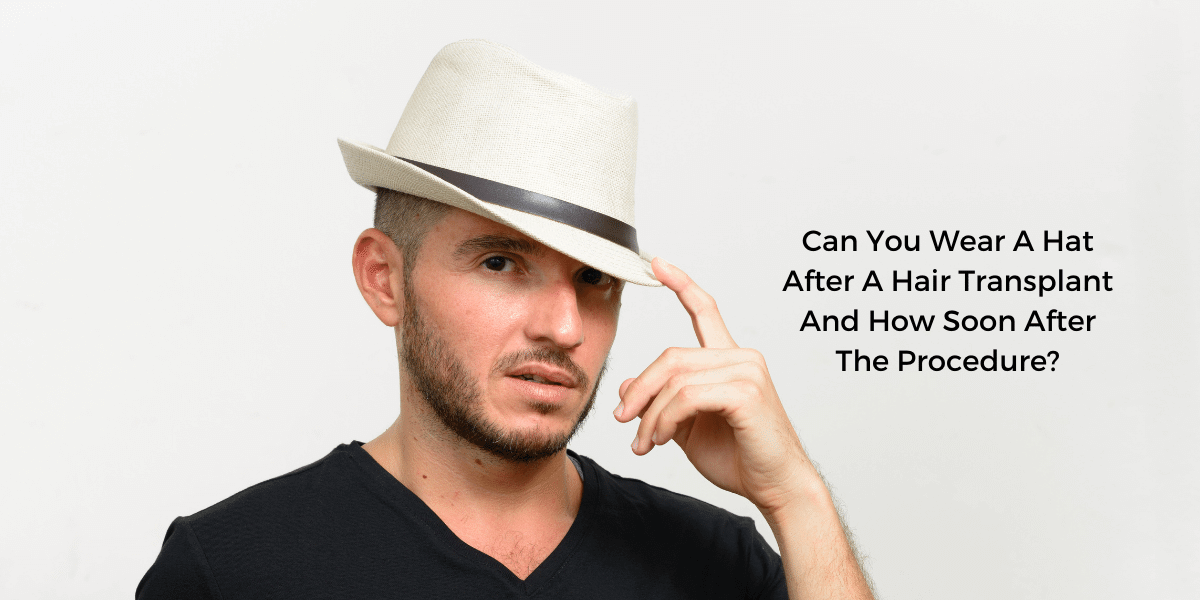
Imagine the feeling of putting on your favorite cap again, knowing it's safe and comfortable. It’s a little moment of joy in the larger process of regaining your confidence.
Remember, the primary goal is always the health and success of your transplanted hair. Every step, including the hat-wearing timeline, is designed to achieve the best possible results for you.
So, while the waiting might feel long, the reward of healthy, growing hair is absolutely worth it. And when you can wear that hat, it will feel even better!
Don't hesitate to bring a photo of your favorite hat to your consultation. It can be a fun way to visualize your progress and ask specific questions about when that particular hat can make its reappearance.
This journey is all about feeling good and looking good. And sometimes, feeling good involves having a stylish hat perched perfectly on your head.
Keep a positive outlook. The timeline for wearing hats is just one small part of the overall recovery. Focus on the amazing results you’ll achieve!
So, happy healing, and get ready for that glorious moment when your hat collection can finally join your revitalized hairstyle!