
When Can I Learn To Drive In England
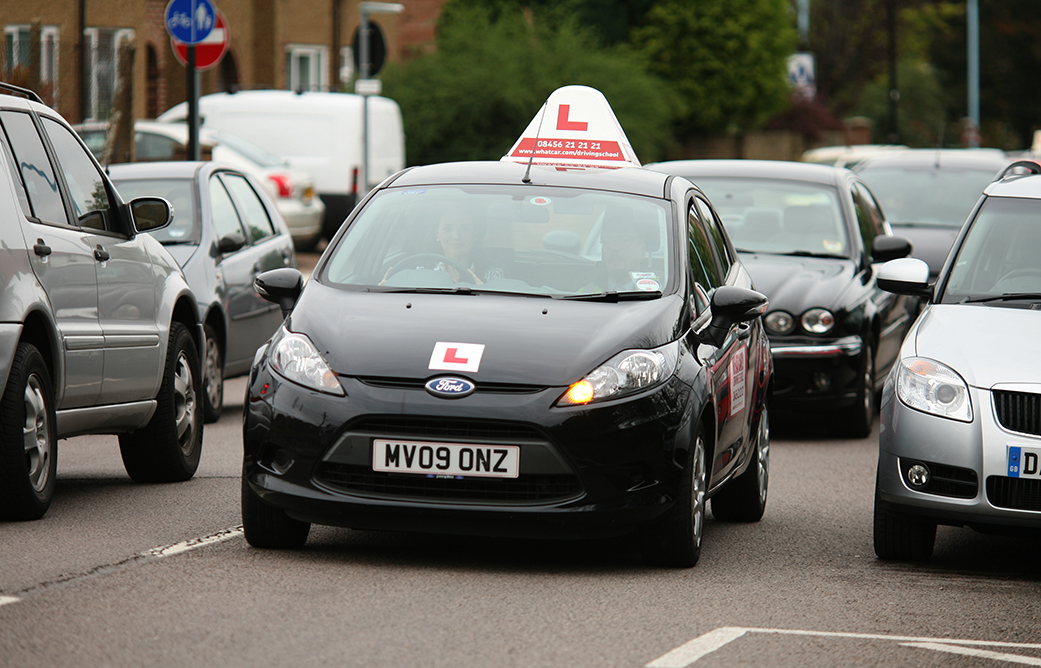
Ah, the open road! The wind in your hair (or at least, through the slightly-cracked window if you’re going for that authentic British charm). The sheer, unadulterated freedom of being able to pop to the shops for that emergency packet of biscuits without relying on a bus timetable or a lift from a mate. Learning to drive in England is practically a rite of passage, a key that unlocks a whole new level of independence. But when, exactly, does this glorious journey begin? Let’s dive in, shall we?
The short and sweet answer, for the technically inclined amongst us, is 17 years old. But as with most things in life, there’s a bit more to it than just ticking a calendar box.
The Age-Old Question: When Can I Get My Hands on the Wheel?
So, you’ve hit the big 1-7. Congratulations! You’re officially old enough to start the process of becoming a fully-fledged motorist in England. But before you picture yourself cruising down the M25, there are a couple of crucial steps involved.
First up, you need to get your hands on a provisional driving licence. Think of this as your learner's permit, your golden ticket to supervised driving. You can’t even sit in the driver's seat for a practice run without this. Applying is pretty straightforward – you can do it online, through the official government website, or by post. It’s not exactly rocket science, but it does require you to prove you’re who you say you are and that you meet the basic eyesight requirements. No, you don't need to be able to spot a robin on a distant branch without glasses, but you do need to be able to read a car number plate from 20 metres away. Fair enough, right?
Once you have your provisional licence in your sweaty palms, you're officially allowed to drive on public roads, but only under supervision. This is where the fun (and sometimes the mild terror) begins!
Who Can Supervise Me? The Trustworthy Few
This is a big one. You can’t just grab your little brother and have him point you in the right direction. Your supervisor needs to be a bit more… experienced. They must be:
- Over 21 years old. No teenage prodigies taking you under their wing, sorry!
- Have held a full UK or EU driving licence for at least three years. This means they've navigated the choppy waters of the British road system for a decent spell.
- Sitting in the front passenger seat, ready to offer guidance and, if necessary, grab the handbrake in a moment of panic.
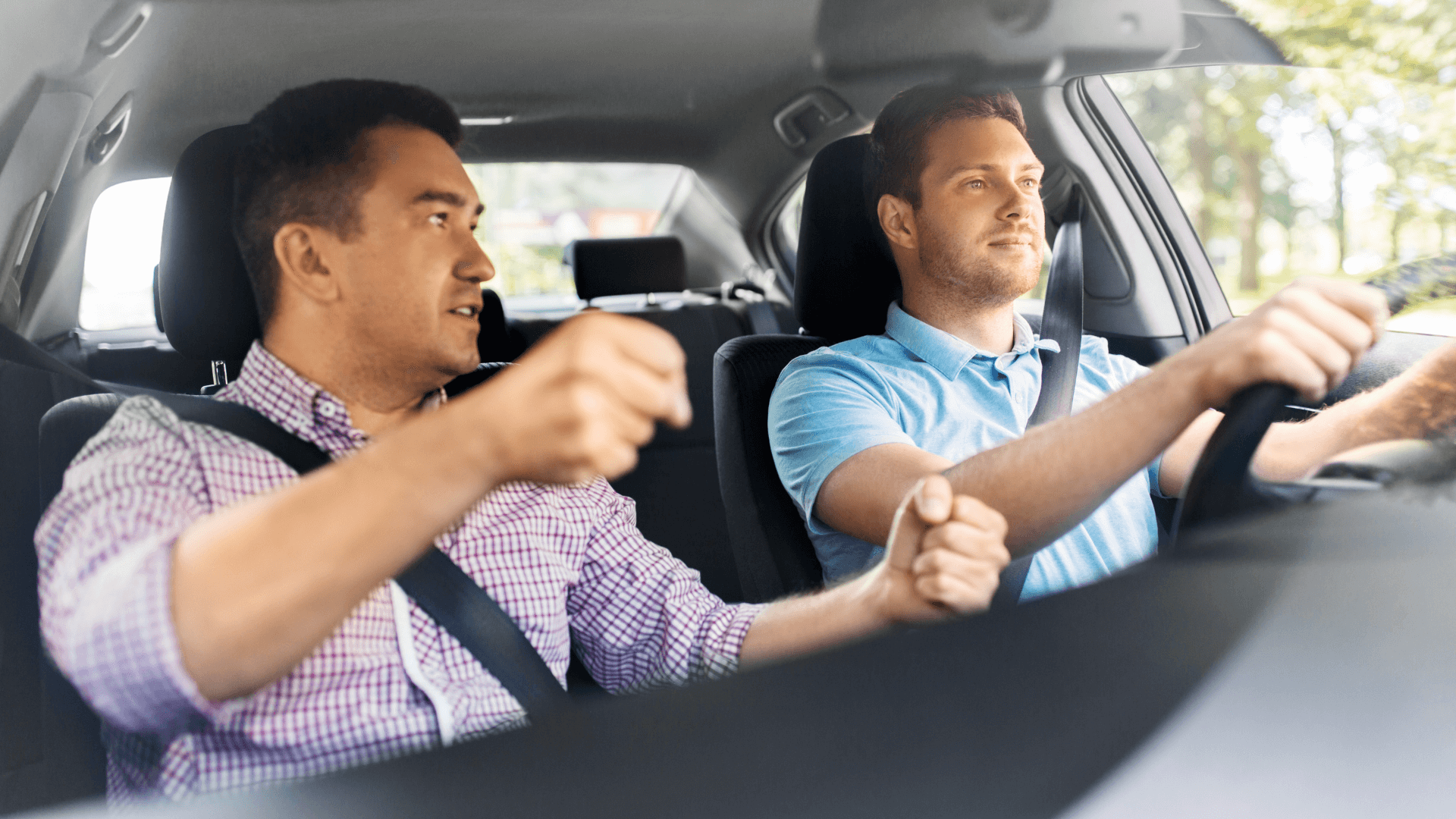
This is where cultural nuances come into play. Think about those classic British films where a wise old uncle or a patient mum is teaching the younger generation. It’s that kind of vibe. The supervisor is there to be your co-pilot, your instructor, and your designated "calm down, it's just a roundabout" person.

The Two-Pronged Attack: Theory and Practical
Learning to drive isn't just about mastering the clutch and remembering to indicate. It's a dual effort: the theory test and the practical test.
The theory test is your chance to prove you understand the rules of the road, road signs, and how to be a safe and responsible driver. It’s divided into two parts:
- Multiple-choice questions: This is where your revision comes in. You'll be asked questions on things like speed limits, hazard perception, and what to do in various tricky situations. Think of it as a particularly challenging pub quiz, but with potentially life-saving stakes.
- Hazard perception test: This is the video bit. You'll watch a series of short video clips of everyday road scenes, and you need to click your mouse as soon as you spot a developing hazard. The earlier you click, the more points you get. It sounds simple, but when you're watching a clip of a dog potentially running into the road, your reaction time can feel like it's in slow motion.
Passing the theory test is a prerequisite for booking your practical test. So, while you might be itching to get behind the wheel, a solid understanding of the Highway Code is your first hurdle. There are loads of apps and online resources to help you prepare – some even have mock tests that mimic the real thing. Think of it as gearing up for a mental marathon!
The Big Kahuna: The Practical Driving Test
Once you've aced your theory, it's time for the main event. The practical driving test is where you demonstrate your ability to drive safely and competently in a variety of road and traffic conditions. It typically lasts about 40 minutes and includes:
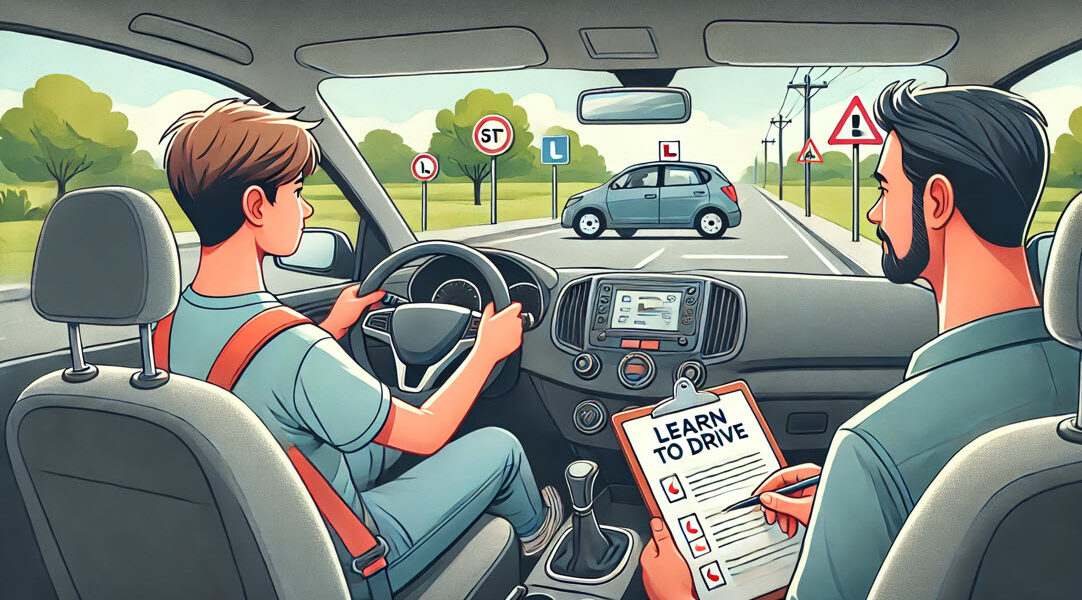
- General driving ability: You'll be asked to drive in different environments – urban areas, country roads, dual carriageways – and the examiner will assess your overall control of the vehicle, your awareness of your surroundings, and your decision-making skills.
- An eyesight check: Yes, they’ll ask you to read a number plate again. Just to be sure.
- One "show me, tell me" question: This is where you'll be asked to explain how you would perform a safety task (e.g., "show me how you would clean the windscreen using the exterior controls") or to tell them how you'd carry out a safety check (e.g., "tell me how you would check that the tyres are safe to use").
- One reversing manoeuvre: This could be parallel parking, bay parking (either driving into and reversing out of a parking bay, or reversing into a parking bay and driving forward out of it), or pulling up on the right-hand side of the road, reversing for two car lengths, and rejoining the traffic. Practise makes perfect here, as they say!
- Independent driving: For about 20 minutes, you'll either be following traffic signs or directions from a sat nav. This is to see if you can navigate yourself safely without constant instruction.
And here's a fun fact: the independent driving part used to be solely reliant on following signs. Now, the sat nav element makes it a bit more like real-world driving, where GPS is your trusty companion (most of the time, anyway!).
Beyond the Basics: The Gradual Unveiling of Freedom
So, you've passed! Congratulations! You're now a licensed driver. But hold on, there's still a little more to understand about the British driving landscape.
For the first 12 months after passing your practical test, you're considered a new driver. During this period, there are some restrictions on how you can drive, particularly if you're under 25 years old.
The Under-25 Conundrum: Insurance Woes and Passenger Limits
If you're under 25 and have passed your test within the last year, you’ll often find that your insurance premiums are sky-high. It’s a classic Catch-22: you need experience to get cheaper insurance, but you need insurance to gain experience. It's enough to make you want to stick to public transport, isn't it?
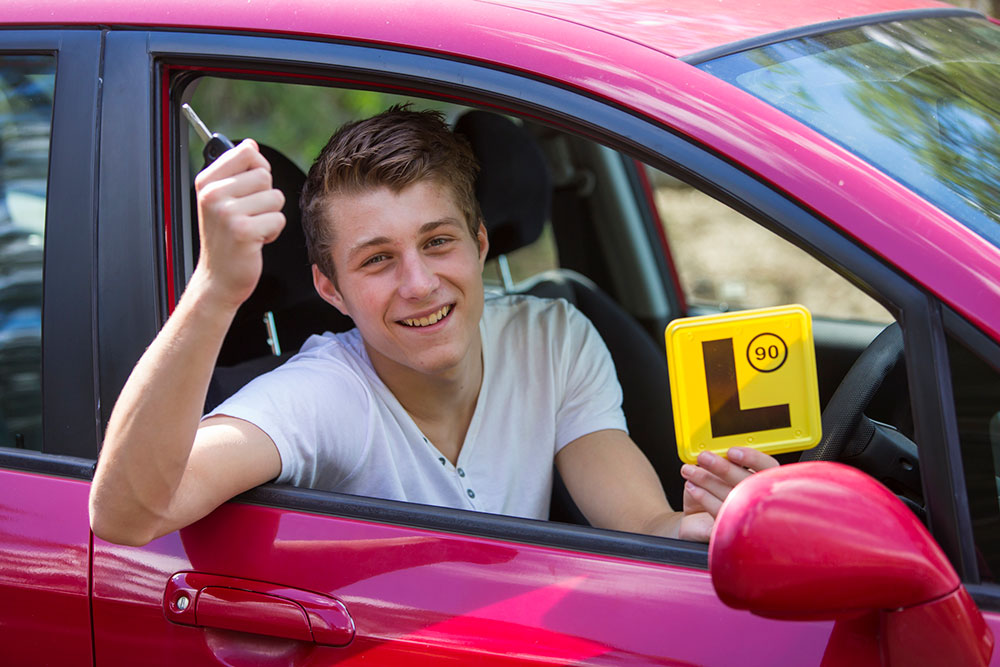
Beyond insurance, there are also passenger restrictions for younger drivers. If you passed your test after September 2001 and are under 21, you might have a restricted licence. This means you can’t carry more than one passenger aged between 16 and 25 unless accompanied by a qualified driver who is over 21 and has held a full licence for at least three years. This is to try and reduce the risk of young drivers being distracted or encouraged to take risks by their peers. It's all about safety, of course, but it can feel a bit restrictive when you’re eager to ferry your mates around.
It's worth noting that these restrictions are often part of a Graduated Driver Licensing (GDL) scheme, which many countries have adopted to ease new drivers into the complexities of the road. The UK's system is less formal than some, but the underlying principle is the same: gradual exposure and increased responsibility.
Tips for a Smoother Ride: Making Learning Fun
Learning to drive can be stressful, but it doesn't have to be. Here are a few tips to make the journey as enjoyable as possible:
- Find the right instructor: A good instructor is worth their weight in gold. They should be patient, clear in their explanations, and able to build your confidence. Don't be afraid to try a few different instructors until you find one you click with.
- Practice makes perfect (and makes it cheaper!): The more you practice, the more comfortable you'll become. If you have a patient family member or friend who meets the supervision requirements, getting in extra practice sessions outside of your official lessons can make a huge difference. Just ensure they're calm and encouraging!
- Embrace the theory: Don't just cram for the theory test. Understanding the Highway Code will make you a safer and more confident driver in the long run. Think of it as learning the secret language of the road.
- Don't be afraid of mistakes: Everyone makes mistakes when they're learning. The key is to learn from them. Your instructor is there to guide you, so be open to feedback.
- Visualize success: Imagine yourself driving confidently and safely. Positive visualization can be a powerful tool in overcoming nerves.
- Take breaks: If you're feeling overwhelmed, it's okay to take a break from lessons for a week or two. Come back refreshed and ready to go.
The Cultural Tapestry of Driving in the UK
Driving in England is more than just getting from A to B; it’s woven into the fabric of our culture. Think of the iconic black cabs of London, the winding country lanes of the Cotswolds, or the bustling motorways that connect our cities. Each has its own unique charm and challenges.
We have a love-hate relationship with our cars. We grumble about traffic jams, the cost of fuel, and the bewildering array of parking restrictions, yet the freedom they offer is undeniable. The ability to spontaneously decide on a seaside fish and chips, a weekend in the countryside, or a visit to a friend in another town is a cherished British pastime. And learning to drive is the key that unlocks all of that.
It's also a rite of passage. The moment you pass your test, there's a subtle shift. You're no longer just a passenger; you're a participant. You're part of the flow, a cog in the great, rolling machine of modern Britain. It’s a feeling of accomplishment that’s hard to beat.
And let's not forget the legendary British weather! Learning to drive in the rain, fog, or even snow adds another layer of complexity and character to the experience. It hones your skills and teaches you the importance of adapting to conditions. Just remember your de-mister and your fog lights!
A Reflection on the Journey
The process of learning to drive, from the initial excitement of getting your provisional licence at 17 to the final triumphant passing of the practical test, is a journey of growth and self-discovery. It’s about more than just mastering the mechanics of a car; it's about developing responsibility, spatial awareness, and a heightened sense of consideration for others on the road. It’s the gateway to independence, the enabler of spontaneity, and the facilitator of countless adventures, big and small. That feeling of pulling out of your driveway, solo, for the very first time, with the hum of the engine and the open road ahead… it’s a special kind of freedom, isn't it? It’s the freedom to choose your own route, to make your own detours, and to simply, and wonderfully, get on with it.