
When Can I Harvest My Early Potatoes
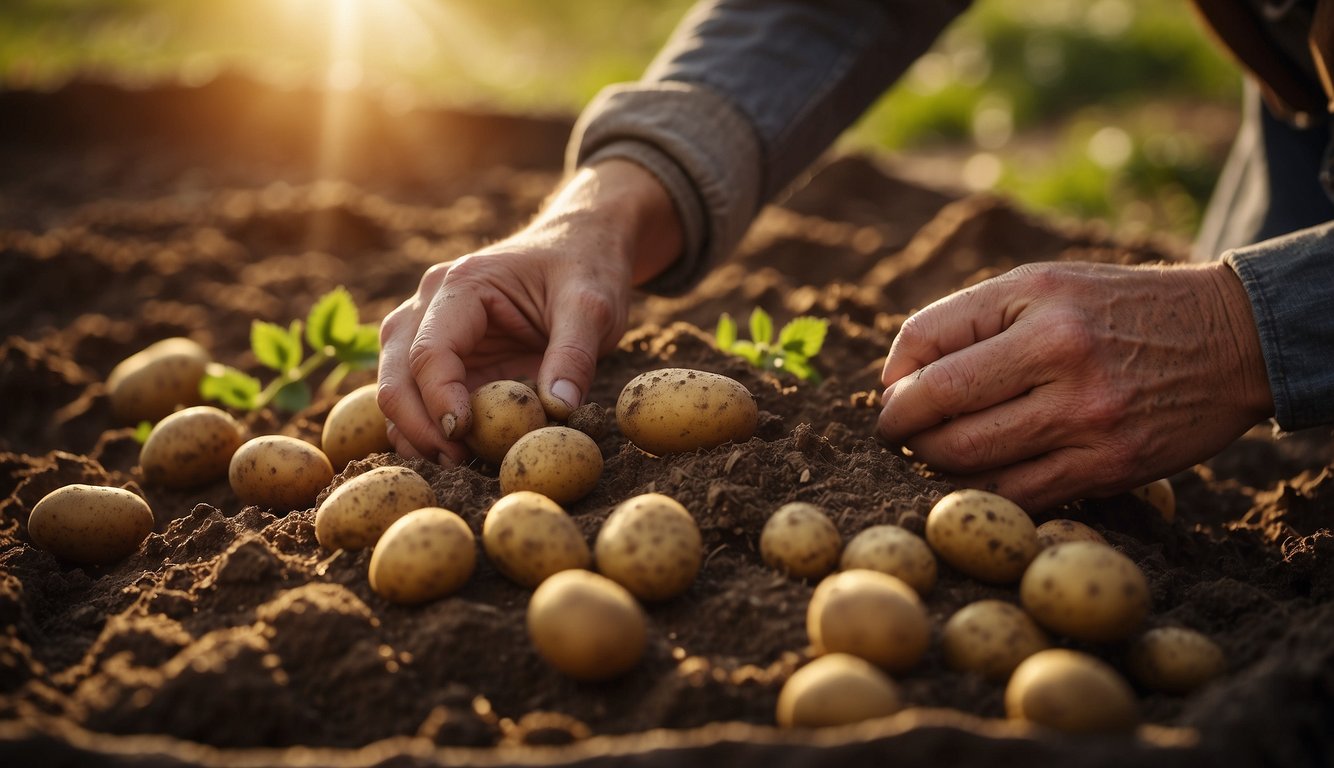
Ah, early potatoes! That magical time of year when your humble potato patch transforms from a promise into a delectable reality. You've nurtured those little spuds, guarded them from rogue slugs (or at least tried!), and now you're probably doing that little dance of anticipation. But the big question looms: When, oh WHEN, can I dig up those glorious, starchy treasures? Let's dive in, shall we? Get ready for a harvest that will have your taste buds singing!
First things first, let's clear up a common misconception. Early potatoes aren't literally early in the sense that they ripen a month or two ahead of all other potatoes. They're more like the speedy sprinters of the potato world. These varieties are bred for a quicker maturity, typically ready in about 60 to 90 days after planting. So, if you planted your seed potatoes in, say, April, you could be looking at a delightful harvest as early as June or July. How's that for a summer surprise?
Now, how do you actually know when they're ready? It's not like there's a tiny potato alarm clock that goes off. You have to be a bit of a potato detective! One of the biggest clues is the state of the foliage. You see, most potato plants will start to look a bit tired and droopy as they approach maturity. The leaves might begin to yellow and, yes, eventually die back. This is your cue to start paying attention!
Think of it this way: the plant has done its job. It's grown those lovely green leaves to soak up the sun and photosynthesize, and now it's focusing all its energy underground on developing those delicious tubers. So, when you see that natural decline in the foliage, it’s a pretty good indicator that the potatoes are filling out down there.
The "Foliage Test" - Your First Big Clue
When you notice a significant portion of your potato plants' leaves starting to turn yellow and wilt, that's your sign. Don't wait for every single leaf to be completely brown and crispy. That might mean you've waited a little too long, and your early potatoes could be on the verge of becoming, well, later potatoes! A good rule of thumb is when about two-thirds of the foliage has started to die back, you're in the prime harvesting window.
But here's a little secret, a gardener's trick that can make your life (and your palate) even more joyful: you don't have to wait for the whole plant to give up the ghost to enjoy your early harvest. Nope! You can perform what's affectionately known as a "rose and fall" harvest, or a "bandicoot" harvest (yes, really!).

The "Bandicoot" Harvest: A Taste of Early Joy!
This is where the real fun begins for us impatient gardeners. About two to three weeks before the foliage has completely died back, you can gently poke around. Dig carefully with your hands or a small hand trowel near the base of a few healthy-looking plants. You're not trying to excavate the entire potato family tree just yet. You're just looking for a few tender, new potatoes. You're basically saying, "Hey, little spuds, can I just have a snack?"
These "new" potatoes will be smaller, with thin, delicate skins that you often don't even need to peel. They are absolutely divine, with a wonderfully fresh, slightly sweet, and earthy flavor. Think of them as the champagne of potatoes! Roasting them with a bit of olive oil, rosemary, and sea salt is pure bliss. Or, boil them gently, toss them with butter, fresh mint, and a squeeze of lemon. Seriously, your taste buds will thank you.
This "bandicoot" harvest is fantastic because it gives you a preview of the deliciousness to come, and it doesn't harm the rest of the plant. In fact, by removing a few tubers, you can sometimes encourage the remaining ones to grow a little larger before the main harvest. It's a win-win situation!
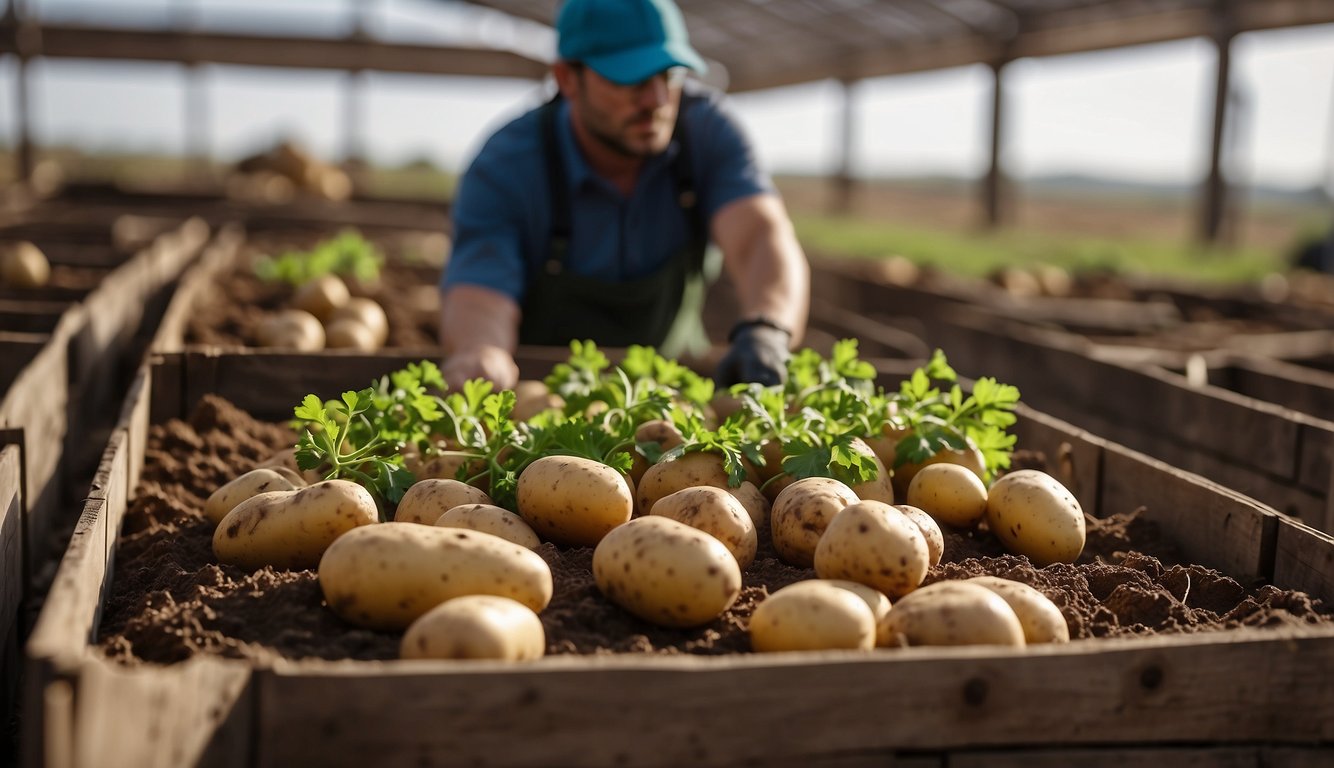
So, if you're looking at your vibrant green potato plants and thinking, "Could I, just maybe, have a peek?", the answer is a resounding YES! Be gentle, be curious, and enjoy the immediate gratification. It's like getting a sneak peek of Christmas morning, but with potatoes!
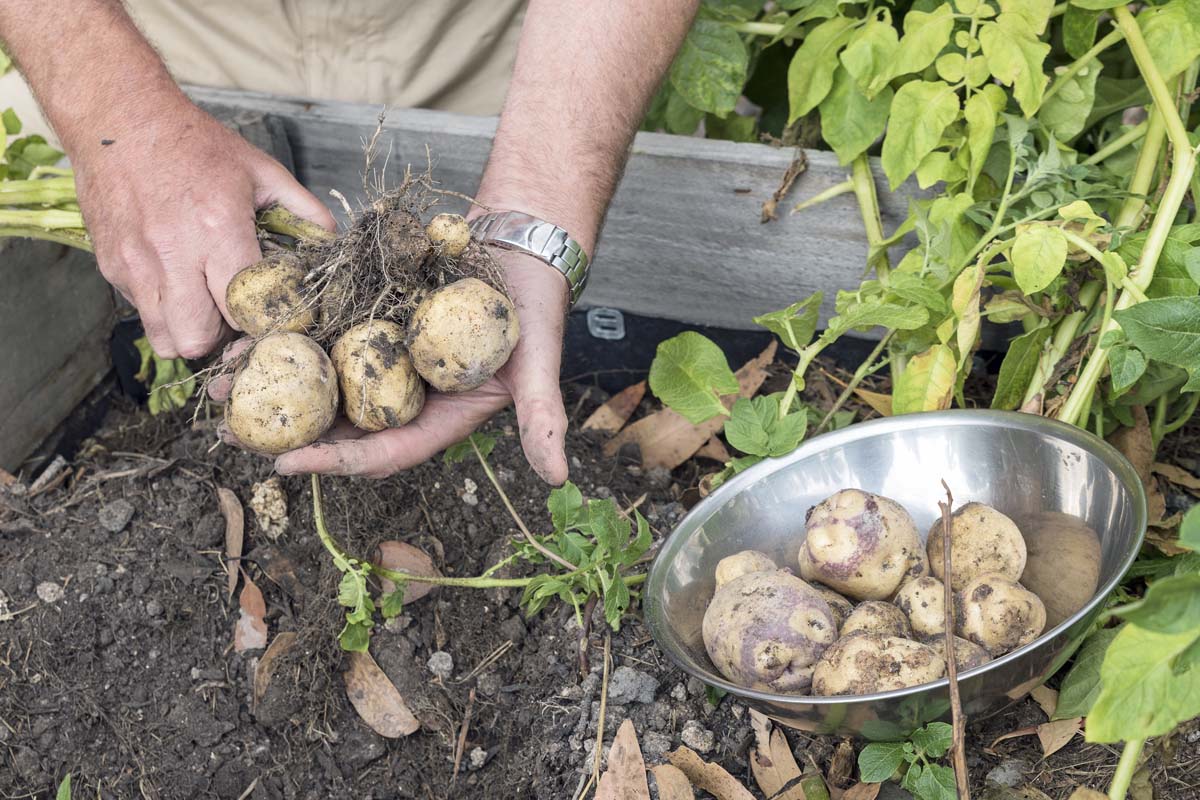
When you decide to do your main harvest (after the foliage has died back significantly), you'll want to be a little more thorough. Wait for a few dry days. This helps the skins on the potatoes to harden up a bit, making them less susceptible to damage during digging and storage. You don't want bruised beauties, do you?
Digging up potatoes can be surprisingly satisfying. It’s a tactile experience, feeling the soil give way and unearthing those hidden gems. It’s a moment of connection with the earth, a reward for your hard work and patience. Each potato you pull from the ground is a testament to nature's bounty and your own green thumb.
Don't Forget the Glorious Storage!
Once you've unearthed your bounty, whether they're tender new potatoes or the more mature tubers, there are a few things to keep in mind for storage. For those lovely new potatoes with their delicate skins, it’s best to eat them relatively soon. They’re at their peak freshness and flavor right after harvesting.
For the more mature potatoes, you’ll want to cure them. What does "cure" mean? It's basically letting them dry out a bit in a cool, dark, and humid place for about two weeks. This helps to heal any minor nicks or bruises and hardens the skins, making them store much better. Then, store them in a cool, dark, and well-ventilated place – think a root cellar, a cool basement, or even a dark cupboard away from heat sources.
Avoid storing them in the refrigerator, as this can turn their starches into sugars, affecting their flavor and texture. And definitely keep them away from onions; they can cause each other to spoil faster. Who knew potatoes had such specific dating preferences?
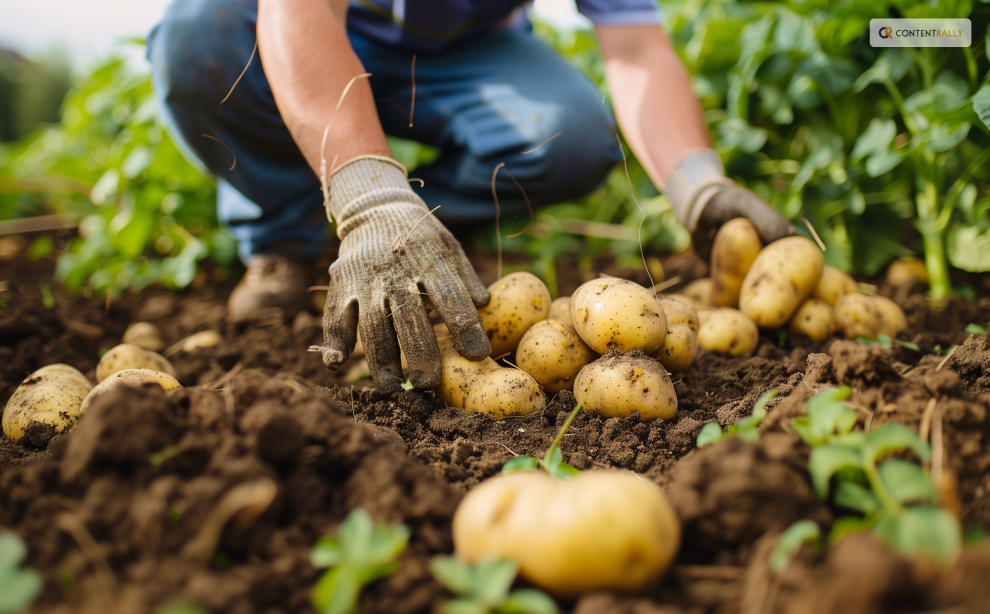
The act of harvesting and then enjoying your home-grown potatoes is more than just a culinary delight. It’s a journey. It’s about the satisfaction of nurturing something from a tiny seed or tuber into a delicious meal. It’s about understanding where our food comes from and the simple magic of growing your own.
So, whether you’re a seasoned gardener or just dipping your toes into the wonderful world of growing your own food, pay attention to your potato plants. Listen to what they’re telling you with their leaves. And don't be afraid to be a little bit of a potato peeker! The joy of that first, fresh, home-grown early potato is truly something special. It’s a taste of accomplishment, a burst of summer sunshine, and a delicious reminder of what we can achieve with a little bit of dirt, a lot of sunshine, and a whole lot of love.
Now go forth, my fellow earth-lovers, and get ready to unearth some deliciousness! This is just the beginning of your edible adventure. Keep learning, keep growing, and keep savoring those incredible flavors you’ve worked so hard to create. The garden is always full of wonders, waiting to be discovered!