
Whats A Rumble Device Designed To Do

Ever felt that satisfying jolt when your game controller buzzes during an epic boss battle? Or maybe you've noticed your phone give a little shimmy when you get a special notification? That little sensation, that feeling of a subtle shake, is thanks to a fascinating piece of technology called a rumble device. It might sound simple, but these tiny motors are behind some of the most immersive and engaging experiences we have with our gadgets.
The Magic of a Little Shake
So, what exactly is a rumble device designed to do? In its most basic form, a rumble device is a small motor that's designed to create vibrations. Think of it like a tiny, controlled earthquake happening inside your electronics. This vibration is then transmitted to the casing of the device, and subsequently, to your hands when you're holding it. The magic lies in how these vibrations are used to enhance our interaction with technology.
The primary purpose of a rumble device is to provide haptic feedback. Haptic feedback is essentially the technology of communicating information to a user through touch. Instead of just relying on visual cues on a screen or auditory alerts, rumble devices add another layer of sensory input. This makes our digital experiences feel more real, more immediate, and frankly, more fun!
Bringing Games to Life
Perhaps the most popular application for rumble devices is in video games. When you're playing a racing game, that rumble you feel when you hit a curb or collide with another car isn't just a random buzz. It's carefully programmed to simulate the impact, the loss of control, or the sensation of speed. This makes the game feel incredibly more dynamic and engaging. Imagine playing a driving game without any feedback – it would feel rather flat, right?
"The rumble device transforms a passive visual experience into an active, tactile one, drawing players deeper into the game world."
During intense action sequences, a rumble can signify a nearby explosion, a powerful weapon being fired, or even the heartbeat of your character in a suspenseful moment. These subtle (or not-so-subtle!) vibrations alert you to critical in-game events, allowing you to react faster and feel more connected to the virtual world. It's about making the digital feel tangible. Without rumble, many of our favorite gaming moments would lose a significant amount of their impact.

More Than Just Games
While gaming is a huge playground for rumble devices, their utility extends far beyond the realm of entertainment. In the world of smartphones, rumble devices play a crucial role in notifications. Instead of a constant audible buzz that might disturb others, a subtle vibration can discreetly alert you to an incoming call, a new text message, or an important app update. This provides a much more personal and less intrusive way to stay informed.
Think about the feeling of typing on a virtual keyboard. Many modern smartphones use rumble to provide a tiny tap sensation with each key press. This makes typing on a touchscreen feel more like typing on a physical keyboard, improving accuracy and making the experience more satisfying. It's a small touch, but it makes a big difference in the usability of our devices.

Enhancing Accessibility and Safety
Beyond convenience and fun, rumble devices can also contribute to accessibility and safety. For individuals with hearing impairments, haptic feedback can be a vital alternative to auditory alerts. A vibrating device can signal emergencies, provide navigation cues, or alert them to important events that they might otherwise miss. This makes technology more inclusive and empowers a wider range of users.
In certain safety-critical applications, like driver-assistance systems in cars, rumble devices can provide tactile warnings. For example, if a car's blind-spot monitor detects a vehicle, the steering wheel might provide a gentle vibration to alert the driver without needing an audible alarm that could be distracting. This subtle nudge can be incredibly effective in preventing accidents.
The Inner Workings (Simplified!)
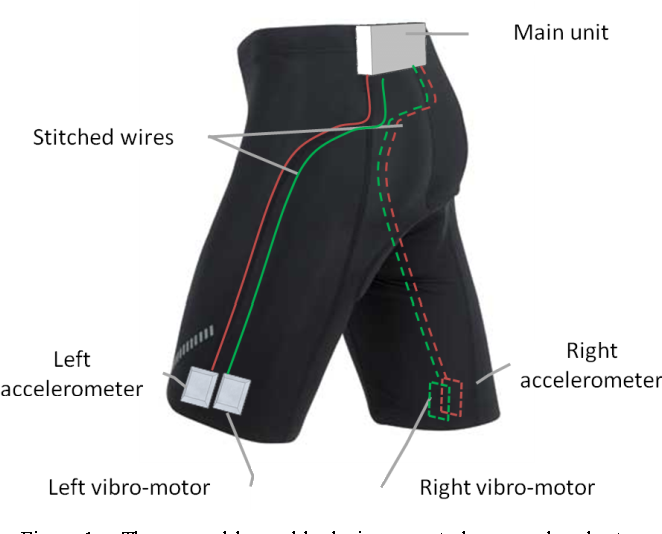
So, how do these little vibration makers work? Most rumble devices are a type of eccentric rotating mass (ERM) motor. This means they have an unbalanced weight attached to the motor's shaft. When the motor spins, this unbalanced weight causes the entire motor assembly to vibrate. The faster the motor spins, the stronger the vibration. More advanced systems might use linear resonant actuators (LRAs), which offer more precise and varied vibration patterns. These are often found in higher-end smartphones and game controllers, offering a more nuanced and sophisticated haptic experience.
The beauty of rumble devices lies in their simplicity and effectiveness. They are small, relatively inexpensive to manufacture, and can be integrated into a vast array of electronic products. The impact they have on our user experience, however, is anything but simple. They add a tangible dimension to the digital world, making our interactions richer, more informative, and more enjoyable.
The Future is Feeling
As technology continues to evolve, the role of haptic feedback, and by extension, rumble devices, is only set to grow. We can expect to see even more sophisticated applications in virtual reality, augmented reality, and in everyday devices. The ability to feel our digital interactions is becoming increasingly important, and rumble devices are at the forefront of this tactile revolution. So, the next time you feel that satisfying buzz, remember the clever little rumble device hard at work, making your world a little more alive!