
What's A Good Time For Half Marathon

So, you've got that half marathon bug, huh? That little whisper in the back of your mind saying, "You know what? 26.2 miles is a bit much, but 13.1? That sounds doable." Welcome to the club! The half marathon is like the cool, approachable older sibling of the marathon – still impressive, but way more chill. And the big question looming, the one that keeps you scrolling through race calendars and staring at weather apps with a hopeful glint in your eye: What's a good time for a half marathon?
Let's be honest, "good" is a pretty subjective term, isn't it? It's like asking what's a good flavor of ice cream. For some, it's a triple fudge brownie. For others, a delicate lavender honey. And for a half marathon? It depends on you. But let's break it down, shall we? Because while there's no universal gold standard, there are definitely some benchmarks and perspectives that can help you define your own "good."
The "Average Joe" Perspective
Alright, let's talk numbers. If we're looking at the broad strokes, the general consensus for an average finish time for a half marathon for a recreational runner tends to hover around the 2 hours to 2 hours and 30 minutes mark. This is for someone who's training consistently, enjoys running, but isn't necessarily aiming for elite status. Think of them as the steady, reliable runners, the ones who appreciate the journey as much as the finish line.
This average is a great starting point. If you're new to the distance, hitting somewhere in this ballpark on your first go is absolutely fantastic. It means you've put in the work, you've got the endurance, and you've successfully navigated the beautiful, sometimes brutal, 13.1 miles.
What About "Fast" and "Elite"?
Now, if you're the type who likes to push the pace, or maybe you're a seasoned runner looking to shave off some serious time, then "good" looks a bit different. Elite male runners can often blast through a half marathon in under 1 hour and 5 minutes. Yes, you read that right. Under an hour and five minutes! It’s mind-boggling to most of us mortals. Think Usain Bolt, but for longer distances.
For elite women, the times are equally astounding, often clocking in under 1 hour and 15 minutes. These are athletes who dedicate their lives to the sport, with incredible genetics, rigorous training, and a mental fortitude that’s frankly inspiring. They are the trailblazers, the ones setting the pace and showing us what’s humanly possible.
Finding Your Good
But here's the secret sauce, the real magic of the half marathon: your good is what matters most. Forget the elites for a moment. Forget the averages, even. Let's talk about your journey. What does a "good" half marathon time mean for you?

Is it your first one? Then finishing, feeling strong, and not hating running afterward is a monumental success! Seriously, crossing that finish line after months of training is a badge of honor. Any time you achieve while doing that is a great time.
Are you looking to beat your personal best? That’s another fantastic definition of "good." If you ran your last half in 2:15 and you're aiming for 2:10, that's a significant and well-earned improvement. That's your definition of a good day.
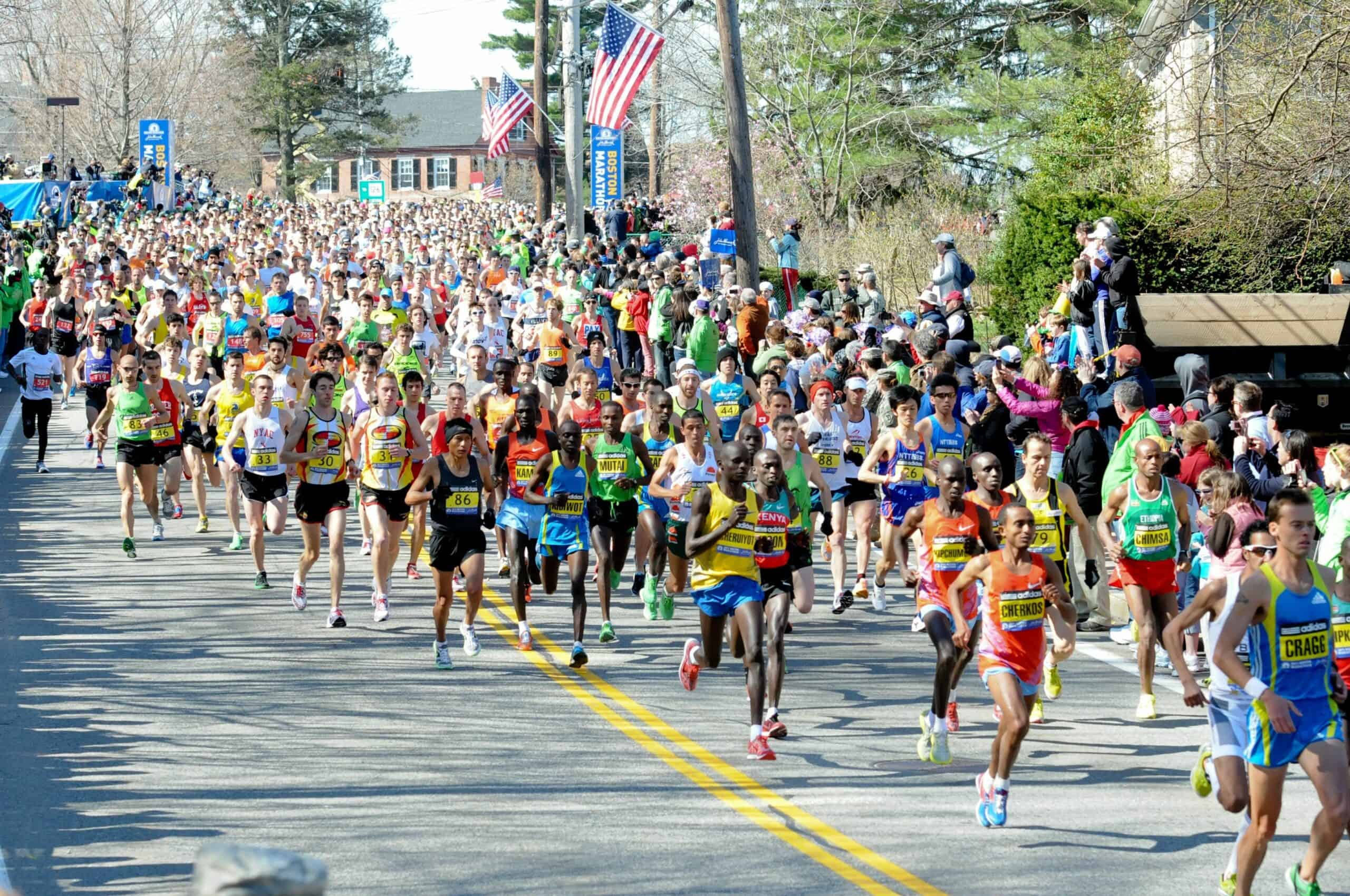
Maybe you're running for a cause, or with friends, or just to enjoy the atmosphere of a big race day. In those cases, the time itself might be secondary to the experience. A good time is one where you felt present, you soaked in the cheers, you high-fived a kid with a sign, and you shared a laugh with a fellow runner. That's priceless.
Factors That Shape Your "Good" Time
It's also important to remember that many things can influence your race day performance. It's not just about how many miles you logged in training. Let's sprinkle in some practical wisdom:
- The Course: Is it a flat, fast road race through a city center, or a hilly, winding trail run? A hilly course will naturally add minutes to your time. Don't compare your hilly race time to a flat one.
- The Weather: Oh, the weather. A hot and humid day can feel like you’re running through syrup. A surprisingly chilly day might give you a boost. Always check the forecast and adjust your expectations accordingly. Running in 80-degree heat is a different beast than running in 45-degree crisp air.
- Your Training: Did you follow a plan? Were you consistent? Did you incorporate speed work, tempo runs, and long runs? The quality and consistency of your training are paramount.
- Your Lifestyle: Are you getting enough sleep? Eating well? Managing stress? Sometimes, life happens, and a few nights of poor sleep can impact your race day legs.
- Race Day Nerves: That pre-race adrenaline is a double-edged sword. It can propel you forward, or it can make you go out too fast and burn out.
Think of it like baking. If you're aiming for a perfect chocolate cake, the recipe, the oven temperature, and the altitude all play a role. You can have the best ingredients, but if the oven is off, the cake might not rise as expected. Your half marathon is similar – a complex equation with many variables.
Fun Facts to Ponder While You Train
Did you know that the term "half marathon" is believed to have originated from the fact that it’s half the distance of a full marathon? Groundbreaking, I know! But it's that very accessibility that has made it so incredibly popular. It's the perfect gateway drug into the world of endurance running. You get the accomplishment, the bragging rights, and the satisfaction of pushing your limits, without the months of grueling marathon-level training (or the post-race recovery that feels like you’ve been hit by a bus).
And let's talk about the vibe of a half marathon. It's often a fantastic mix of seasoned runners chasing PBs and enthusiastic first-timers soaking it all in. You'll see people dressed in tutus, people with their pets (in some races, check the rules!), and people who look like they’re about to set a world record. It’s a beautiful tapestry of humanity, all united by the shared goal of covering 13.1 miles.
Consider the Barkley Marathons, that legendary, almost mythical ultramarathon. It's the polar opposite of the approachable half marathon. Finishing it is a feat so rare, it’s more folklore than fact. The half marathon, on the other hand, is achievable for many with dedication and smart training. It’s democratic in its ambition.

Setting Your Own Pace: Practical Tips for Your "Good" Time
So, how do you actually achieve your personal definition of a "good" half marathon time? Here are some easy-to-digest tips:
1. Know Your Baseline:
If this is your first half, your "good" time is simply finishing strong. If you've run before, look at your previous race times and your current training pace. Where are you now? What feels realistic?
2. Train Smart, Not Just Hard:
You don’t need to be running 100 miles a week. A well-structured training plan that includes a mix of easy runs, tempo runs (running at a comfortably hard pace), and long runs is key. Listen to your body. Rest is as important as running.
3. Practice Pacing:
During your training runs, practice running at the pace you think you can sustain for 13.1 miles. Use a GPS watch if you have one, but also learn to feel your pace. You don't want to go out too fast and hit the infamous "wall" at mile 10.

4. Fuel Wisely:
Experiment with nutrition during your long training runs. What gels, chews, or drinks work for you? You don't want to try something new on race day. Practice makes perfect, and prevents stomach upsets!
5. Simulate Race Conditions:
If your race is known to be hilly, incorporate hills into your training. If it’s likely to be warm, do some runs in similar conditions (safely, of course!).
6. Race Day Strategy:
Have a plan for race day. Know your target pace, where you'll take fluids, and when you might push a little harder (if that's your goal).
A Little Reflection
The beauty of the half marathon, and indeed of life, is that "good" isn't a fixed destination. It's a dynamic concept, shaped by our efforts, our circumstances, and our evolving definitions of success. Just as we might find a "good" time for our morning coffee – perhaps when the sun is just rising and the house is quiet, or maybe during a lively chat with a friend – a "good" time for a half marathon is deeply personal.
It's the satisfaction of seeing progress, the joy of shared experience, and the quiet triumph of pushing beyond what you thought was possible. So, whether your "good" time is under 1:30 or over 2:30, the most important thing is that it’s your good time. It’s a testament to your effort, your resilience, and your willingness to lace up those shoes and go the distance. And in the grand scheme of things, that’s a pretty amazing achievement, no matter how you slice it.