
What Travel Plug Do I Need For India

Alright, gather ‘round, my fellow wanderlusters and tech-addicted adventurers! So, you’re off to the land of vibrant spices, Bollywood dreams, and chai that could make a guru weep with joy – India! Fantastic choice! You’ve probably got your bags half-packed, your itinerary scribbled on a napkin, and your taste buds tingling in anticipation. But hold up, Buttercup! Before you start picturing yourself sipping mango lassi while serenely meditating on a mountain peak, there’s a tiny, often overlooked, but incredibly crucial detail: the dreaded… travel plug.
Yes, I know, it’s not as glamorous as a Taj Mahal selfie or as exhilarating as dodging a rickshaw in Delhi. But trust me, there’s nothing more soul-crushing than arriving at your exotic destination, ready to charge your phone, only to realize your sleek, modern adapter looks like a confused alien trying to mate with a prehistoric socket. We’ve all been there, right? That moment of existential dread as your battery icon teeters on the brink of oblivion, and your dreams of instant Instagram updates crumble like ancient ruins.
So, let’s talk about the India edition of this electrical puzzle. What kind of plug do you actually need for this subcontinent of wonders? Prepare yourselves, because the answer is… drumroll please… type C, D, or M!
Wait, what? Are you telling me I need three different plugs? Are they going to give me a special power-up if I collect them all like Pokémon? Nope. While it’s true that India officially uses a few different types, the good news is that you’ll almost always find a plug that works with a universal adapter. Think of it as your trusty sidekick, your multi-tool for the modern age. These magical contraptions are designed to conquer the world, one socket at a time. They’re the Swiss Army knives of the electrical world, and if you don't have one, do yourself a favor and get one. Your sanity, and your phone’s battery life, will thank you.
But let’s dive a little deeper, shall we? Because knowing what you need is only half the battle. Understanding why you need it adds a certain je ne sais quoi to your travel preparation, right? It’s like knowing the secret ingredient to your grandma’s legendary curry – it just makes everything taste better.
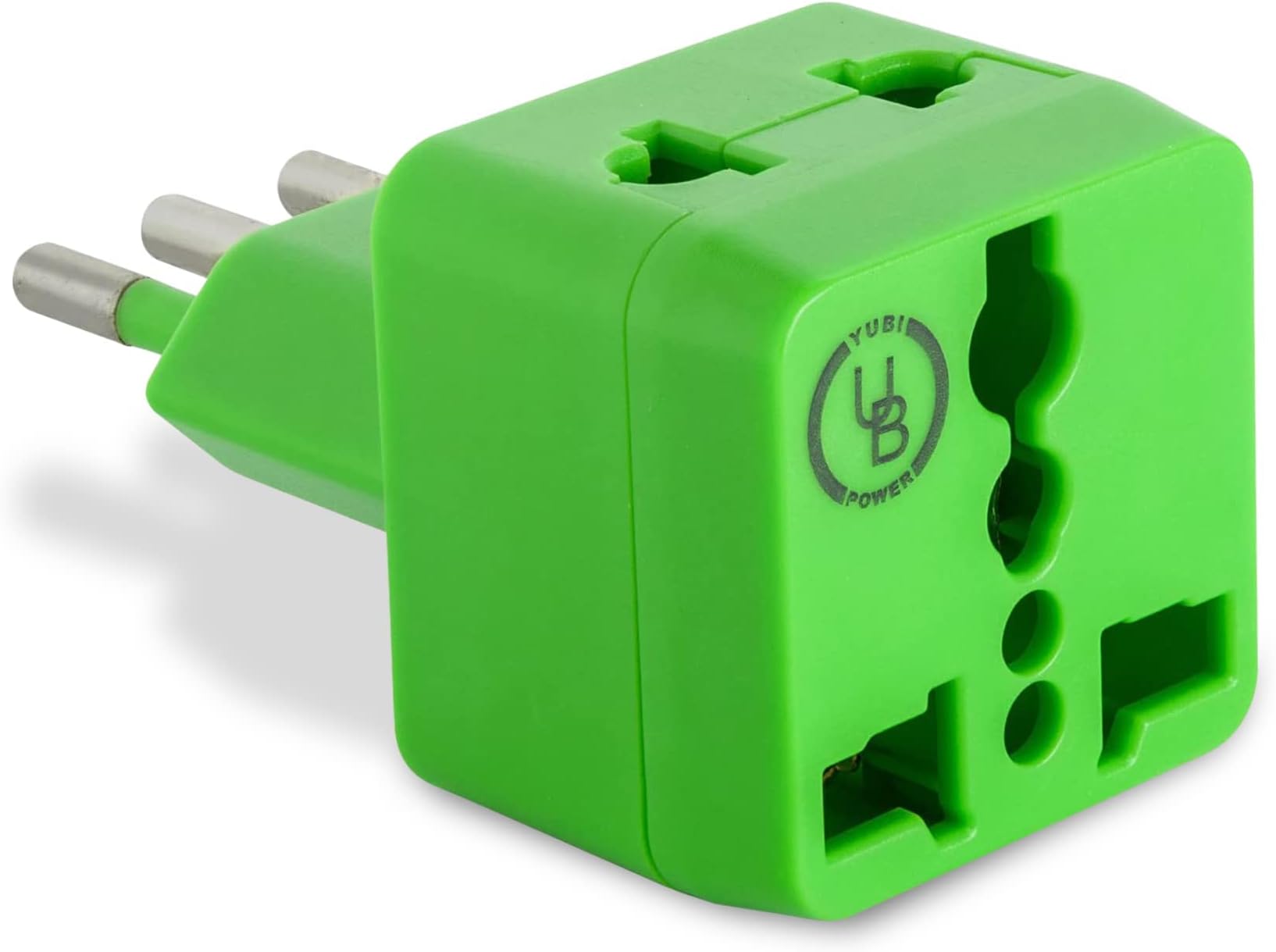
So, why all these different types? Well, India’s electrical system, much like its cultural tapestry, is wonderfully diverse. It’s a grand old mix of what was, what is, and what is slowly but surely becoming. Historically, they’ve used a mix of systems, and while the modern standard leans towards a couple of main players, you can still stumble upon older setups, especially in more rural or heritage locations. It’s like finding an antique shop with treasures from different eras – charming, but can be a little tricky for your modern gadgets.
The Big Three (or is it the Big Couple with a Cousin?)
Let's break down these enigmatic plug types. Don't worry, we're not going to get bogged down in Ohm’s Law or the history of electrical engineering. We’re just going to get the lowdown so you can plug in your hair dryer without causing a minor blackout.
Type C: The Euro-ish Wonder. This is the plug with two round pins. You’ll see these all over Europe, and thankfully, they’re quite common in India too. It’s the simple, unpretentious plug that just wants to do its job. If your charger has this little guy, you’re generally good to go for many Indian outlets. Think of it as the friendly neighborhood plug, always ready to lend a hand (or, you know, a pin).
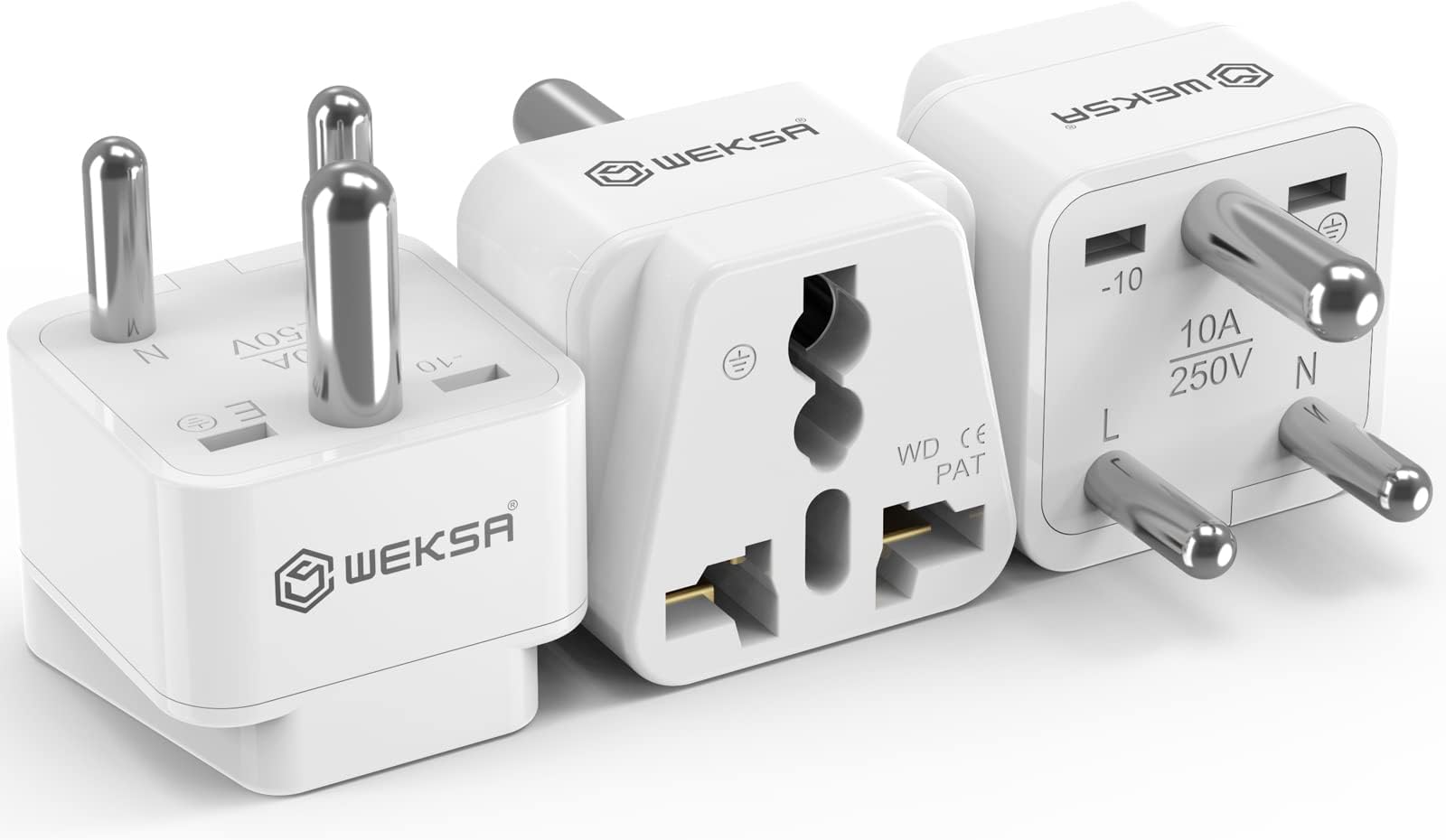
Type D: The King of Indian Sockets (Historically). This one is a bit more… substantial. It has three round pins, with the middle one being a bit thicker and longer than the other two. This was the dominant plug type for a long time. Imagine a sturdy, reliable older gentleman. He might not be as flashy as the new kids on the block, but he’s got history and a certain gravitas. You’ll find Type D sockets aplenty, especially in older buildings. Some sources might even tell you it's the only plug you need. While that’s an oversimplification, it's certainly a very common one. You’ll often see Type D outlets with two round holes, and sometimes a third, slightly larger hole for the grounding pin. If you have a universal adapter, it will likely have a way to accommodate this dignified fellow.
Type M: The Big Brother (and Less Common). This one is essentially a beefier version of Type D, with three large round pins arranged in a triangular pattern. It’s less common than C or D, and you're less likely to encounter it in a typical hotel or modern apartment. Think of it as the rare, majestic beast of the plug world. Unless you're staying in some seriously industrial or older, specific kind of establishment, you probably won't need to worry about this one. However, if your universal adapter can handle Type D, it’s likely got you covered here too. It’s always good to have a bit of overkill, isn't it? Like bringing a parachute to a picnic, just in case.

The Magic of the Universal Adapter
So, why am I harping on about the universal adapter? Because it's your golden ticket, your passport to electrical peace of mind. These ingenious devices typically have a set of retractable pins that can be slid out and locked into place to match the socket of the country you're visiting. You can usually get one that covers about 150 countries. That’s more countries than most of us can name in a single sitting! Imagine the conversations you’ll have at parties: "Oh, this old thing? Yeah, it's been to Madagascar, Nepal, and even that tiny island nation off the coast of… you know, the one with the peculiar-shaped bananas."
When you're buying a universal adapter, make sure it has the necessary configurations for India. Most good ones will clearly state that they cover Type C, D, and M sockets. Look for one that also includes USB ports. This is a game-changer! You can charge your phone, your power bank, and your Kindle all at once, without needing a bunch of individual chargers. It’s like a mini power station in your pocket.
One thing to watch out for is the voltage. India typically operates on 230V. Most modern electronics (phones, laptops, tablets) are dual-voltage and will automatically adjust. However, if you have older appliances, like a simple hairdryer or an electric shaver that isn’t dual-voltage, you might need a voltage converter. But let’s be honest, these days, most of our essential travel gadgets are pretty smart about handling different voltages. It’s the 21st century, and our electronics are basically miniature geniuses.

So, What's the Verdict?
Here’s the simple, no-nonsense takeaway: Get a good quality universal travel adapter that explicitly states it supports Type C and Type D sockets. This will cover the vast majority of your needs in India. It’s your best bet for avoiding the frantic fumbling in airport lounges or the awkward gesturing to hotel staff that you’re desperately trying to explain your electrical predicament.
And if, by some wild twist of fate, you encounter a Type M socket, your trusty universal adapter will likely have you covered. It’s better to be slightly over-prepared than woefully under-powered, wouldn't you agree?
So, go forth and conquer! Explore the bustling markets, marvel at the ancient wonders, and, most importantly, keep all your devices charged and ready to capture every single breathtaking moment. Because in India, there’s always something worth sharing with the world. And that, my friends, requires a fully charged battery and the right plug. Happy travels!