
What To Write On Flowers For Funeral
Flowers at a funeral. It’s a tradition as old as time, isn't it? A way to whisper our love, our sorrow, our hope without uttering a single word. But then comes that little card, the Bereavement Card, and suddenly we’re faced with a blank slate. What do you write on a funeral flower card? It feels like such a big question, doesn't it? Like trying to distill a lifetime of memories and emotions into a few carefully chosen words. We’ve all been there, staring at the pen, a silent panic setting in. But fear not, dear reader, for this is not a test. It’s an opportunity. An opportunity to offer comfort, to share a legacy, and to say goodbye in the most meaningful way possible.
Think of it as a final, floral love note. A whisper of remembrance carried on the breeze. In many cultures, flowers have always played a significant role in expressing complex emotions. Ancient Egyptians believed flowers could help the deceased transition to the afterlife, and the Romans often used floral wreaths to signify victory or eternal life. Today, while the beliefs might be more varied, the sentiment remains. These blooms are more than just pretty decorations; they’re messengers of the heart.
So, let’s demystify this little act of saying goodbye. We’re going to dive into the art of writing on funeral flower cards, making it feel less daunting and a whole lot more personal. Forget stiff formalities and awkward phrases. We're aiming for genuine, heartfelt, and yes, even a touch of gentle grace. Because even in grief, there’s room for beauty and connection.
The Core of Your Message: Authenticity is Key
At its heart, what you write on a funeral flower card should be authentic to your relationship with the deceased. Don't feel pressured to be overly poetic or profound. Simple, honest words often carry the most weight. Are you a close family member? A dear friend? A colleague? Your connection will shape your message.
For instance, a message from a spouse might be deeply personal and filled with shared history. A message from a friend might focus on shared laughter and adventures. A message from a colleague might acknowledge their professional impact and the void they leave in the workplace. There's no right or wrong, only what feels true to you.
Consider the personality of the person you're remembering. Were they a jokester? A quiet observer? A passionate advocate? Let that guide your tone. If they loved a good pun, a lighthearted, yet respectful, nod to that might be incredibly touching. If they were a person of few words, a simple, profound statement could be perfect.
Direct and Simple: When Words Fail You
Sometimes, the simplest messages are the most powerful. When you’re struggling to find the perfect words, lean into the basics. These are your go-to phrases that always land with grace.
- "With deepest sympathy." This is a classic for a reason. It’s respectful, it’s understood, and it conveys genuine sorrow.
- "Thinking of you and your family." This acknowledges the wider circle of grief and offers support.
- "Rest in peace." A gentle and universally understood farewell.
- "You will be missed." A straightforward acknowledgement of their absence.
- "Love always." A simple but profound statement of enduring affection.
These phrases are like a warm, comforting hug when words feel too heavy. They’re reliable, they’re appropriate, and they let the bereaved know you’re present in their sorrow.
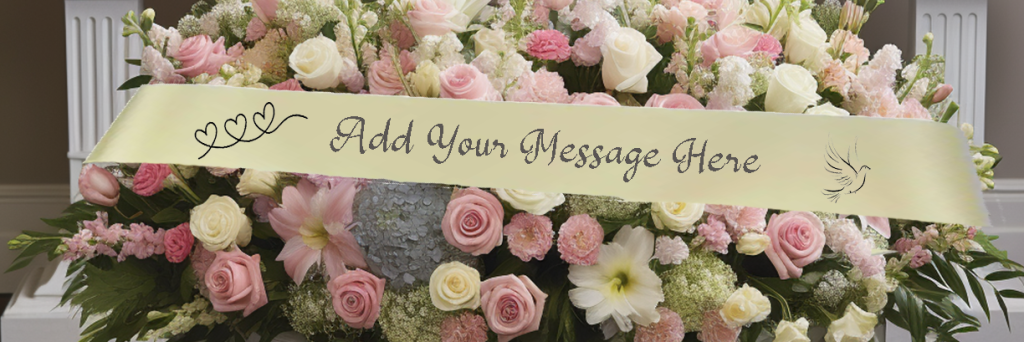
Personalizing Your Message: Adding Your Unique Touch
This is where the magic truly happens. Moving beyond the standard phrases to something that truly speaks to the individual you're honoring. This is about making the flowers a tangible representation of your relationship.
Sharing a Memory
A shared memory, no matter how small, can be incredibly powerful. It brings the person back to life, even just for a moment, in the minds of those who loved them. Think about a specific moment, a shared laugh, a piece of advice they gave you, or a characteristic trait.
- For a grandparent who loved to bake: "Remembering Grandma's amazing apple pies. Your warmth and love are baked into our memories forever. We will miss you dearly."
- For a friend who was an adventurer: "To my dear friend, whose spirit was as wild and free as the mountains we climbed. Thank you for the adventures. You’ll always be in my heart."
- For a colleague who was a mentor: "Your wisdom and guidance shaped my career. Thank you for everything. Your legacy will continue to inspire."
The key here is specificity. Instead of "You were a great person," try "I'll never forget how you always made time to listen, no matter how busy you were." It’s the details that make a message sing.
Highlighting Their Qualities
Focus on the essence of the person. What made them special? What did you admire about them?
- If they were kind: "Your boundless kindness touched everyone you met. The world is a little dimmer without your light."
- If they were humorous: "Thank you for the endless laughter and the twinkle in your eye. Your spirit will continue to bring smiles to our faces."
- If they were strong: "Your resilience and strength were an inspiration to us all. We will carry that strength forward."
These are the qualities that defined them and the ones that will be most deeply missed. By highlighting them, you’re celebrating their life and the impact they had.
Expressing Gratitude
Often, we don't express enough gratitude in life. A funeral is a poignant time to acknowledge the good things someone brought into your life.

- "Thank you for the joy you brought into my life. I'm so grateful for our time together."
- "I’m forever thankful for your friendship and the lessons you taught me."
- "Thank you for being you. You made a difference."
Gratitude can be a powerful balm for grief. It shifts the focus, however briefly, to the positive contributions someone made.
Cultural Considerations: Respecting Traditions
While the act of sending flowers is widespread, the specific meanings and customs can vary significantly across cultures and religions. It's always a good idea to be mindful of these if you’re aware of them.
For example, in some Eastern traditions, white flowers are predominantly used for funerals, symbolizing purity and mourning, while bright colors might be seen as inappropriate. Conversely, in some Western cultures, a variety of colors are used, with red often symbolizing love, and yellow representing friendship or remembrance. If you're unsure, err on the side of a more neutral message and perhaps simpler, classic floral choices.
In Judaism, for instance, flowers are not traditionally sent to the Shiva home, as the focus is on visiting and offering comfort. Instead, donations to a charity in the deceased's name are more common. In Islam, while flowers can be present, the emphasis is often on prayer and reflection. It’s always respectful to consider the religious or cultural background of the deceased and their family.
A quick call to a funeral director or a mutual acquaintance can help you navigate these nuances without causing unintentional offense. It’s about showing respect for their beliefs and practices.
A Note on What NOT to Write
While it might seem obvious, there are a few things that are generally best avoided. This is not the time for:

- Complaints or unresolved issues: Keep the message positive and focused on remembrance.
- Overly personal inside jokes that might not be understood: While meaningful to you, they might exclude others.
- Anything that could be misconstrued as blame or judgment.
- Long, rambling narratives: The card is small, and emotions are high. Keep it concise.
The goal is to offer comfort and honor, not to add to any potential stress or confusion.
Practical Tips for Writing
Let’s get down to the nitty-gritty. How do you physically get these beautiful words onto that little card?
Readability is Paramount
The person reading this card is likely experiencing intense grief. Make it easy for them. Use clear, legible handwriting. If your handwriting is a bit of a mystery even to you, consider asking a family member or friend to write it for you. Alternatively, some funeral homes offer typed cards if you provide the message in advance.
Keep it Concise
As mentioned before, brevity is your friend. Aim for a few sentences, max. Think of it as a telegraphic message of love and remembrance. This ensures it’s easily digestible and impactful.
Sign Off Clearly
Always sign your name, and if you're part of a group (e.g., "The Smith Family," "Your friends at XYZ Corp"), make that clear too. This helps the family acknowledge who has sent their regards.
Consider the Sender
If you’re sending flowers on behalf of a group, a joint message can be very effective. For example:
- "With heartfelt sympathy from all your colleagues at [Company Name]."
- "Thinking of you during this difficult time. With love from your neighbours on Elm Street."
This shows a collective sense of loss and support.
The Fun Little Facts
Did you know that the language of flowers, or floriography, was hugely popular in Victorian England? Sending specific flowers conveyed secret messages! A red rose meant "I love you," while a yellow rose meant "friendship." A sprig of rosemary was a symbol of remembrance, and lavender signified devotion. So, the next time you choose flowers, you're not just picking pretty blooms, you're subtly engaging in a long-standing tradition of silent communication!
And speaking of traditions, in some cultures, it's considered good luck to have a single white lily in a funeral arrangement, representing purity and peace. It’s a small touch that can hold a lot of symbolic weight.
A Moment of Reflection
Writing on a funeral flower card is more than just a formality; it’s a final, gentle act of love and connection. It’s an opportunity to offer a small flicker of light in a moment of darkness. In our busy, often disconnected lives, these moments of shared humanity and expressed sentiment are invaluable.
Think about it: how often do we take the time to truly acknowledge the people who have touched our lives? We might send a quick text or a fleeting social media comment, but the tangible, heartfelt message on a flower card carries a different weight. It’s a physical reminder of care and remembrance that can be held and treasured.
This practice, simple as it is, reminds us of the importance of expressing our feelings, of cherishing our relationships, and of leaving a legacy of love. It's a small act with a profound ripple effect. And perhaps, if we can approach the task of writing for a funeral with this gentle spirit, it can also inspire us to be more intentional about expressing our appreciation and love for the people in our lives, right now, in the everyday moments. Because the ability to say "I love you" and "You made a difference" is a gift we can all give, both in sorrow and in joy.