
What To Use In Place Of Curry Powder

Alright folks, let's have a little chat. About curry powder. Yes, that stuff. The little yellow tin that promises a world of flavor. And sometimes, it delivers. But, and this is my hot take, sometimes it just… doesn't.
It’s like the Swiss Army knife of spices. It’s supposed to do everything. Savory, spicy, fragrant, exotic. But is it really the best tool for every job? I’m going to go out on a limb here and say, maybe not.
Think about it. You’re trying to make a vibrant Thai green curry. You reach for the curry powder. And suddenly, you’re tasting… well, it’s not quite there, is it?
It’s a bit like trying to paint a masterpiece with only one brush. A good brush, sure, but still just one. You can make something nice. But is it the full, glorious spectrum of color you were dreaming of?
So, what do we do when the trusty yellow tin feels a little… lacking? Do we despair? Do we order takeout and admit defeat? Absolutely not!
We get creative. We get adventurous. We remember that the world of spices is vast and wonderful. And frankly, a lot more exciting than just one pre-mixed blend.
Let's Talk About What Curry Powder Actually IS
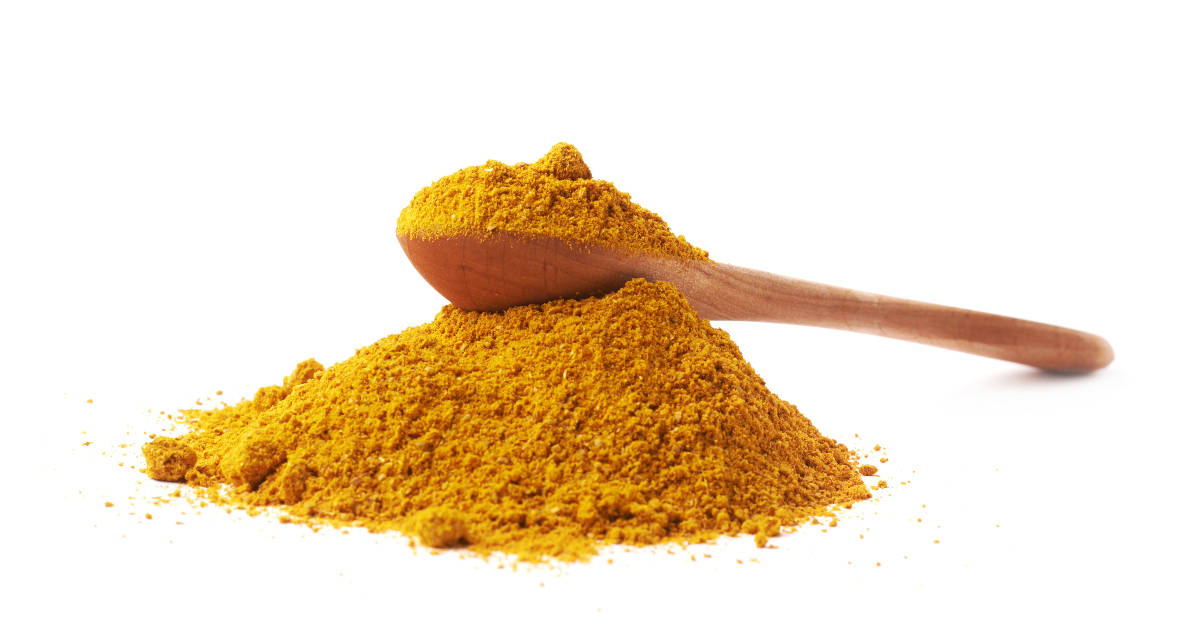
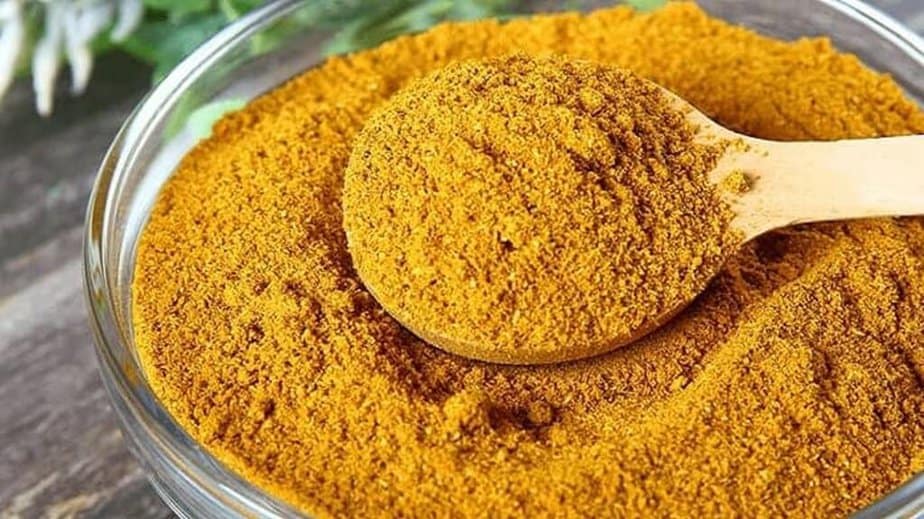
Before we ditch it, let's peek inside the tin. What's lurking in there? It's usually a mix of things. Things like turmeric (for that sunshine color), coriander (earthy and citrusy), cumin (smoky and warm), and often some chili powder (for a kick).
There might be ginger, fenugreek, mustard seeds. It varies wildly. That’s part of the problem, you see. It’s a bit of a mystery box.
Each brand has its own secret recipe. So, what works for Aunt Mildred’s chicken curry might fall flat for your spicy lamb vindaloo.
And if you’re looking for a specific flavor profile, like that delicate perfumed scent of a Bengali dish, curry powder is probably going to miss the mark. It’s the culinary equivalent of a jack of all trades, master of none.
The Unpopular Opinion: Ditch the Curry Powder (Sometimes!)
Okay, deep breaths. I know this might sound like blasphemy to some. But hear me out. If you want real flavor, if you want to explore the true magic of spiced dishes, it’s time to look beyond the yellow tin.
It’s not about never using it. It can be a starting point. A quick fix on a Tuesday night when you’re exhausted. But it shouldn’t be the only way.
Imagine making a cake. You could use a pre-made cake mix. It’s easy! But a cake made from scratch, with fresh ingredients, carefully measured? It’s a whole different ballgame, isn’t it?
Spices are like that. They’re individual characters. Each with its own story, its own personality. When you mix them all together in one pot, you lose some of that individual charm.
Your New Spice Best Friends: Individual Powerhouses
So, what are our options? What can we use instead of that all-in-one powder? We can build our own flavor profiles. We can become spice artists!
Turmeric: The Golden Child
First up, turmeric. This is where a lot of that lovely yellow comes from. But it’s not just for color! It has an earthy, slightly peppery taste. It’s also got amazing health benefits, which is a nice bonus.
Use fresh turmeric if you can. Grate it in. It has a brighter, more vibrant flavor than the powder. Dried turmeric is still good, but fresh is where it’s at for that extra zing.
Coriander: The Zesty One
Next, coriander seeds. These are different from cilantro leaves, which some people really don’t like (you know who you are!). Coriander seeds have a warm, citrusy, slightly sweet flavor.
Toasted and ground, they’re fantastic. They add a wonderful lift to dishes. Think about using them in marinades, or roasting them with vegetables. They’re incredibly versatile.
Cumin: The Smoky Charmer
Ah, cumin. This is the spice that brings the deep, smoky, earthy notes. It’s essential for so many cuisines. If you only buy one new spice, make it cumin.
Whole cumin seeds can be toasted to release their oils, then ground. Or you can buy it pre-ground. But that toasting step? It’s a game-changer. It adds a whole new level of depth.
Ginger: The Spicy Kick
Fresh ginger. This is a must-have. It’s pungent, it’s warming, it’s got that lovely spicy bite. Grate it, mince it, slice it. It wakes up any dish.
Dried ginger powder is okay in a pinch, but it doesn’t have the same fresh punch. For curries, stews, stir-fries, ginger is your friend. Your very spicy, very delicious friend.
Garlic: The Universal Lover
And let’s not forget garlic! Fresh garlic. Lots of it. This is probably the most used ingredient in my kitchen. It forms the base of so many delicious things. It adds savory depth that nothing else quite replicates.
Minced, crushed, roasted. Garlic is your savory superhero. It plays well with every other spice on this list, and pretty much every other ingredient too.

Beyond the Basics: Exploring Further
Once you’ve got your turmeric, coriander, cumin, ginger, and garlic down, you can start to explore. This is where the real fun begins!
Chili: For That Fiery Passion
For heat, you’ve got options! Dried chili flakes are easy. Or get fancy with whole dried chilies. Rehydrate them, blend them into pastes. You can control the heat level exactly.
Different chilies have different flavors too. Some are smoky, some are fruity. It’s a whole world of spice to discover.
Fenugreek: The Slightly Bitter Secret
Fenugreek seeds have a unique, slightly bitter, maple-like flavor. Used sparingly, they add a wonderful complexity. They’re often found in Indian spice blends, but you can use them on their own too.
Be careful with the amount, though. Too much and your dish can taste a little… medicinal. But used just right, it’s a secret weapon.
Mustard Seeds: The Pungent Pop
Mustard seeds (black or yellow) add a pungent kick. They’re often tempered in hot oil at the beginning of cooking. This releases their flavor and makes them less harsh.
They add a little pop of flavor and texture. A wonderful addition to many vegetable dishes and lentil stews.
Cardamom: The Aromatic Allure
And for that fragrant, floral note? Cardamom. Green cardamom pods are amazing. Crack them open, add the seeds to your cooking. They have a beautiful, almost perfume-like aroma.
:max_bytes(150000):strip_icc()/close-up-of-curry-powder-in-wooden-spoon-on-table-746092639-a22c351c211149e9806e0926a83a7ecb.jpg)
They’re incredible in both savory and sweet dishes. A little bit goes a long way, but the flavor they impart is truly special.
Putting It All Together: Your Own Flavor Symphony
So, the next time you reach for that curry powder, pause. Ask yourself, what kind of curry am I making? What flavors am I trying to achieve?
Do you want a bright, citrusy dish? Lean into coriander and a touch of ginger. Need warmth and depth? Load up on cumin and garlic. Craving a bit of heat? Reach for those chilies.
It’s like composing a piece of music. You have your main melody, and then you add the harmonies, the counter-melodies, the percussion. Each spice is an instrument, and you’re the conductor.
It’s empowering, isn’t it? You’re not just following a recipe for a generic “curry.” You’re creating something unique. Something that’s yours.
And honestly, your taste buds will thank you. They’ll sing. They’ll dance. They’ll probably send you a thank-you note.
So, let’s celebrate the individual spices. Let’s get a little experimental in the kitchen. Let’s create our own flavor symphonies. And let that trusty yellow tin rest for a while. It’s earned it.