
What To Expect After Deworming A Cat
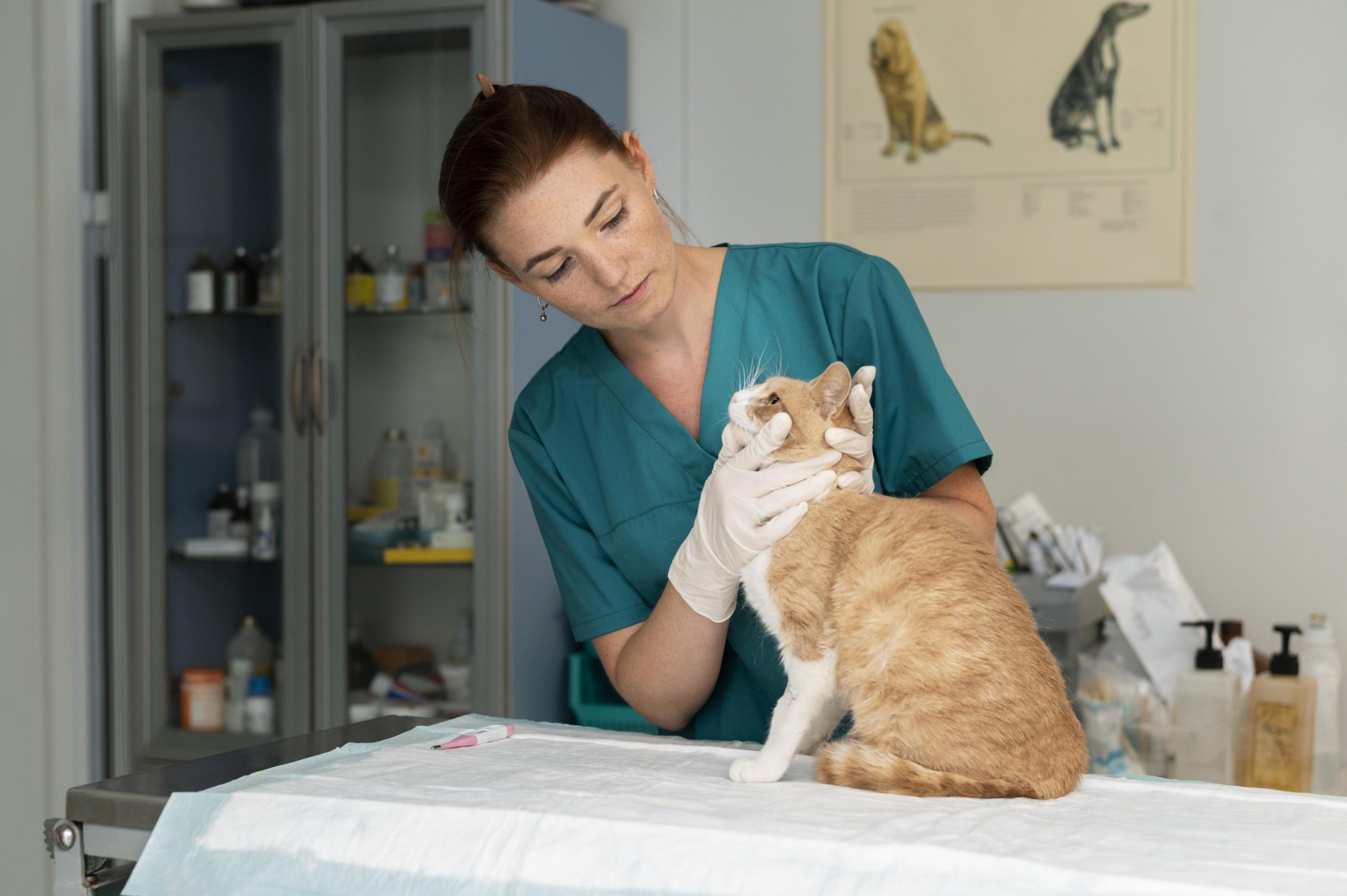
So, you’ve taken the leap and dewormed your feline overlord. Bravo! It’s a responsible paw-rent move, and honestly, a pretty straightforward one. But now that the little critters have been evicted, what’s the vibe? What does your cat’s inner world look like post-deworming? Let’s dive into the chill aftermath, sans the creepy crawlies.
Think of deworming as giving your cat a miniature spa day, but instead of cucumber slices on their eyes, it’s a tiny dose of medicine banishing unwanted guests. You’re basically setting them up for a healthier, happier life. And who doesn't want that? They're not just pets, they're tiny furry roommates who deserve the best.
The Immediate Aftermath: A Little “Off,” But Mostly “A-Okay.”
For the first 24 to 48 hours, your cat might seem… well, a tad different. Don’t panic. It’s not a full-blown existential crisis, just their system adjusting. Some cats might experience a fleeting bout of nausea. You know how you feel after a really rich meal? Kind of sluggish, maybe a little sensitive in the tummy? It’s a bit like that, but usually much milder.
You might notice them being a bit more groggy or sleepy than usual. This is totally normal. The medication is doing its thing, and their body is processing it. Think of it as hitting the reset button. They’re not plotting world domination from their catnip-infused dreams; they’re just resting up.
Some felines can also experience a slight change in their appetite. They might eat a little less for a day, or perhaps they'll be ravenous! Both are within the realm of typical reactions. It’s like when you’re feeling a bit under the weather – sometimes food is the last thing on your mind, other times you crave comfort food. Your cat’s metabolism is just doing its thing.
The “Evidence”: What to Look For (and Not Freak Out About).
Now, let’s talk about the elephant in the room, or rather, the… worm in the litter box. You might, and this is a big might, see evidence of the dewormed parasites. This is actually a good sign. It means the medication is working effectively and flushing them out.
What does this “evidence” look like? It’s usually small, white, rice-like segments that might be moving (though this is less common as they’re usually dead or dying). Or, you might see longer, spaghetti-like worms, especially if the infestation was significant. Don’t be alarmed. This is the objective being achieved.
If you don’t see anything, that’s also perfectly fine. The worms might have been microscopic, or they could have been broken down so thoroughly by the medication that they’re no longer visible. The key is that the medication has done its job internally.
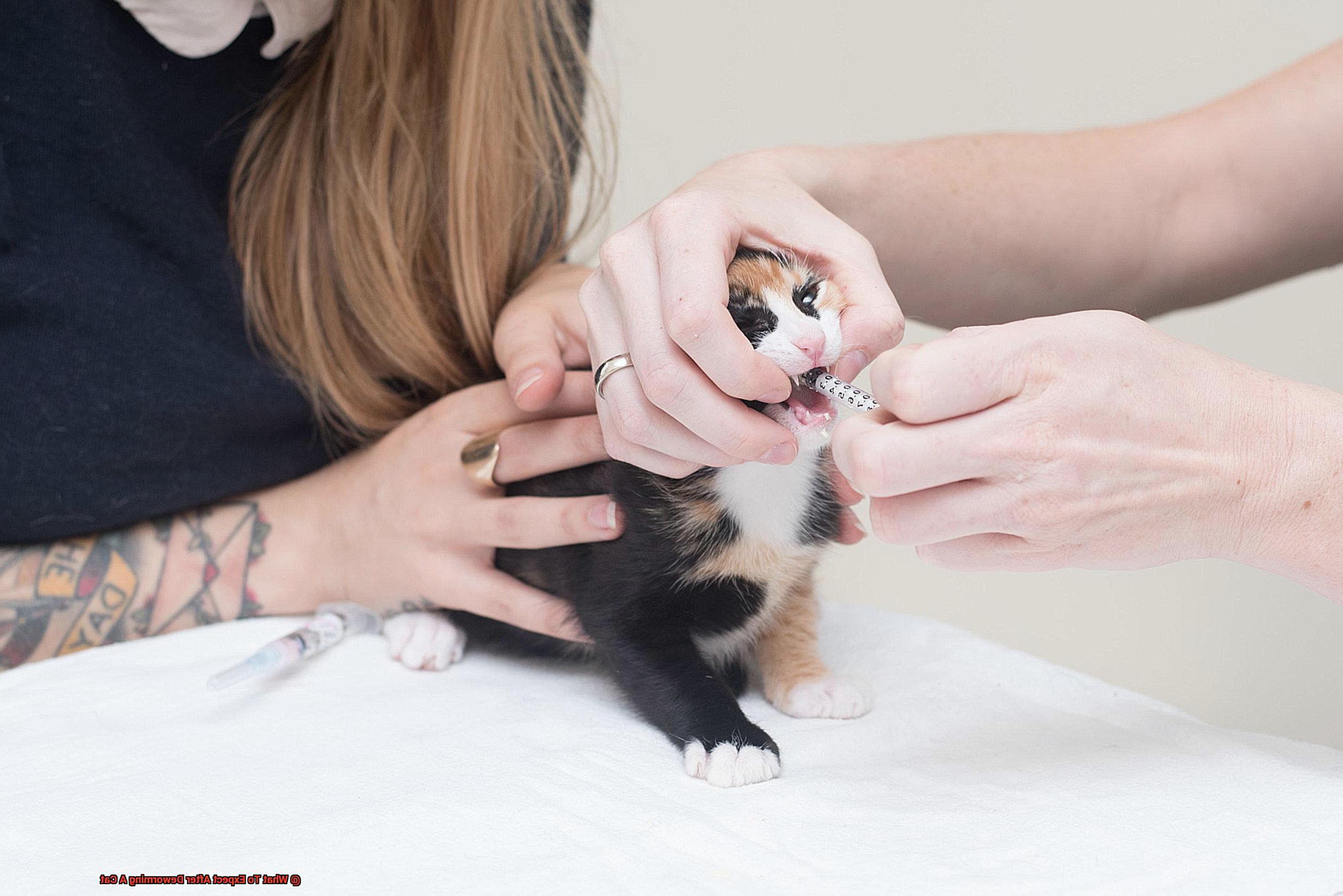
A fun fact: Certain dewormers work by paralyzing the worms, making them easier for your cat’s digestive system to pass. It’s like the ultimate cat-themed expulsion party!
If you’re particularly squeamish, a good trick is to use a small scoop or even just observe from a slight distance. You’re looking for confirmation that the treatment is working, not a science experiment. If you’re unsure or concerned about what you’re seeing, always reach out to your vet. They’ve seen it all, trust me.
Behavioral Changes: From Grumpy Gus to Goofy Goober.
One of the most rewarding aspects of deworming is seeing the positive behavioral changes. Cats who have been harboring internal parasites can sometimes be lethargic, less playful, and generally seem a bit out of sorts. Once those pesky worms are gone, you might notice a remarkable difference.
Suddenly, your cat might be more energetic, more interested in playing with that feather wand they used to ignore, and generally more engaged with their surroundings. Their coat might even start to look shinier and healthier because they’re finally absorbing nutrients properly. It’s like a glow-up, but for your cat!
You might also see an improvement in their digestion. Less unexplained vomiting, more regular bowel movements, and generally a happier tummy. A happy tummy equals a happy cat, and a happy cat equals a happier you. It’s a win-win-win situation.
Consider it like decluttering your house. Once you get rid of all the junk, you have more space to move, more energy, and a generally more pleasant living environment. Your cat’s body is the same. They’re shedding the internal clutter.
The Long Game: A Healthier, Happier Feline Companion.
The real benefit of deworming goes beyond these immediate, observable changes. You’re contributing to your cat’s overall long-term health. Regular deworming, as recommended by your veterinarian, helps prevent serious health issues that can arise from parasitic infections.
These can include anemia, weight loss, developmental problems in kittens, and even organ damage in severe cases. By taking this simple step, you’re actively protecting your furry friend from a world of potential discomfort and illness.
Think of it as an investment in quality time. A healthy cat is a cat that’s around for longer, a cat that’s more capable of cuddling on the couch, chasing that laser pointer with gusto, and generally being the amazing companion they are.
It’s a bit like taking your vitamins or going for that annual check-up. You’re not doing it because you feel sick right now, but because you’re prioritizing your well-being for the future. Your cat's future is in your hands, and deworming is a crucial part of that preventative care.

Practical Tips for a Smooth Transition:
Beyond just administering the medication, here are a few ways to ensure a super smooth post-deworming period:
- Keep an eye on the litter box: As mentioned, observing for evidence is key, but also just monitor for any persistent digestive upset.
- Offer good quality food: Now that their system is clear, they can better absorb all those yummy nutrients.
- Plenty of fresh water: Hydration is always important, especially when their body is working to clear itself out.
- Gentle play: If they seem a bit tired, don't push them. Let them dictate the pace of play.
- Lots of love and cuddles: Reassurance is always a good thing. Let them know they’re safe and sound.
- Follow-up as directed: Most deworming treatments require a follow-up dose. Don't forget to schedule it!
It’s also worth noting that some cats might have mild allergic reactions to deworming medication, although this is rare. Signs could include excessive itching, swelling, or difficulty breathing. If you notice any of these severe symptoms, contact your vet immediately. This is a medical emergency, not just a “cat being weird” moment.
When to Call the Vet: Trust Your Gut (and Their Paws).
While most deworming experiences are uneventful, it’s always good to know when to seek professional advice. If your cat exhibits any of the following, it’s time to pick up the phone:
- Persistent vomiting or diarrhea: A little bit of an upset stomach is one thing, but if it continues for more than 24-48 hours, it’s a concern.
- Lethargy that doesn’t improve: If your cat is still incredibly sleepy and uninterested in everything after a couple of days, it’s worth investigating.
- Signs of dehydration: This can include sunken eyes, dry gums, or a loss of skin elasticity (gently pinch their skin; if it doesn't spring back quickly, they might be dehydrated).
- Blood in stool: While some intestinal upset can cause minor bleeding, a significant amount of blood is a red flag.
- Any unusual behavior: Your gut feeling as a pet owner is often your best guide. If something feels “off,” it’s always better to check.
Remember, your veterinarian is your partner in your cat's health. They're there to answer your questions, big or small. Don't hesitate to reach out if you have any lingering concerns.
A Little Bit of Culture: Cats and Their Internal Worlds
Cats have always held a mystical place in human culture. From ancient Egypt, where they were revered as deities, to modern-day internet fame, we’ve been fascinated by their enigmatic nature. Perhaps it’s their independence, their silent observation, or their ability to seem both aloof and deeply affectionate.

When we deworm our cats, we’re not just treating a physical ailment; we’re contributing to their ability to live their best, most mysterious lives. A healthy cat is a cat that can fully embody their feline spirit, whether that’s basking in a sunbeam with serene contentment or launching a surprise attack on a dust bunny.
Think of them as tiny, furry philosophers. They’re here to observe, to judge (lovingly, of course), and to remind us to slow down and appreciate the simple pleasures. A clear internal system allows them to dedicate all their energy to these important philosophical pursuits.
It’s a reminder that even the seemingly small acts of care we provide have a ripple effect, impacting not just our pet’s physical well-being, but their capacity for joy, playfulness, and the quiet dignity that makes them such special members of our families. It’s like giving them the freedom to simply be cat.
The Takeaway: Smooth Sailing Ahead.
Ultimately, what to expect after deworming a cat is a return to their normal, delightful selves, possibly even better! You’ve done a great job in ensuring their internal environment is a peaceful, parasite-free zone. The slight adjustments you might see are temporary and a sign of the treatment working.
Enjoy the increased purrs, the more energetic playtime, and the general zest for life that a healthy cat exudes. You’ve invested in their well-being, and the rewards are immeasurable. It’s the quiet satisfaction of knowing you’ve helped your furry friend live their healthiest, happiest life, one deworming session at a time.
And that, in essence, is what life with our feline companions is all about, isn't it? The small, consistent acts of love and care that build a foundation for a long, joyful relationship. Just like making sure your favorite mug is always clean for your morning coffee, deworming is a small act that contributes to the overall daily harmony.