
What To Do With The Pulp From Juicer
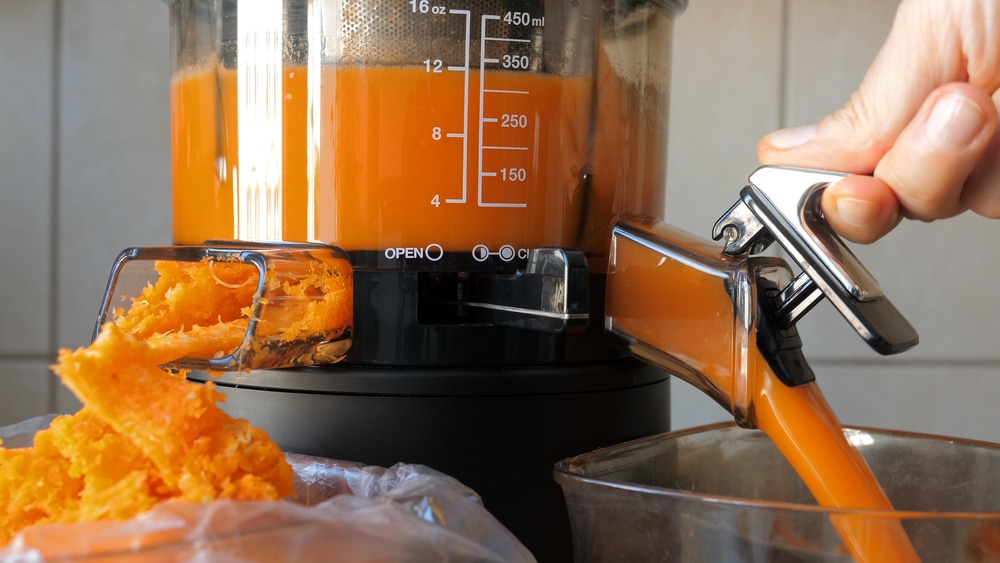
Ah, the juicer. That gleaming contraption that promises a daily dose of vibrant health, a liquid sunshine for your insides. You’ve just navigated the whirlwind of washing, chopping, and feeding your leafy greens and zesty fruits into its hungry maw. The result? A glass of pure, unadulterated goodness. But then you’re left with… well, the other half. The fluffy, slightly damp, suspiciously fibrous mountain of pulp. What in the world are you supposed to do with this stuff? It stares back at you, a silent testament to your healthy choices, and frankly, it looks a little bewildered.
It’s like the aftermath of a great party. You’ve had all the fun, the music, the laughter, and now you’re left with the confetti and the stray balloons. This pulp is the confetti of your juicing fiesta. And for a while, you might just be tempted to shove it in the bin. I mean, it’s just… stuff, right? It’s the leftovers. The scraps. The bits that didn’t make the glamorous cut into your glass. But hold up there, my health-conscious friend. Before you consign this fibrous fellow to the landfill, let’s have a little chat. Because this pulp, this unassuming bundle of nutrients, is actually brimming with potential. It’s like finding a forgotten twenty-dollar bill in your old jeans – a delightful little surprise waiting to be unearthed.
Think of it this way: you’ve just extracted all the liquid gold, the vitamins, the minerals, the hydration. But what’s left behind is still packed with fiber. And fiber, as we’ve all heard approximately a gazillion times, is like the VIP guest at the party in your digestive system. It keeps things moving, it helps you feel full, and it’s just generally a good egg. So, tossing it away is like inviting your VIP guest to the party and then immediately kicking them out because you only wanted the sparkling cider. We can do better than that, can’t we?
Let’s be honest, the first few times I juiced, the pulp pile was a bit of a mystery. I’d stare at it, tilt my head, and then, with a sigh that could rival a deflating soufflé, I’d probably just dump it. "Oh well," I'd think, "at least I got my kale fix." It felt a bit like a missed opportunity, a little like buying a fancy cake and only eating the frosting. But over time, and after a bit of gentle prodding from the internet (bless its heart), I started to realize that this pulp was not to be trifled with. It’s not garbage; it’s a resource. It’s the unsung hero of your kitchen, just waiting for its moment in the spotlight.
The "Wait, What Can I Actually Do With This?" Section
So, what are the actual, practical, non-mystical-superfood-elixir ways to use this pulp? Let's dive in, shall we? We’re going to move beyond just "compost it" (which, by the way, is a perfectly noble and Earth-loving option, but let's get a little more creative). Think of this as your pulp-transformation masterclass, designed for the everyday human who might have a smudge of carrot on their cheek and a slight aversion to anything that requires too many complicated steps.
Baking: The Pulp's Second Act
This is where things get seriously interesting. Your pulp is essentially a pre-moistened, nutrient-boosted flour substitute. Mind. Blown. You can sneak it into so many baked goods without anyone being the wiser. It’s like a stealth mission for fiber and flavor.
Muffins: Oh, the humble muffin. The perfect vehicle for all sorts of additions. Got apple pulp from your morning juice? Toss it into apple cinnamon muffins. Carrot pulp? Carrot cake muffins, obviously! The pulp adds moisture and a subtle earthy sweetness. You won't even know it's there, but your body will thank you. It’s like adding a secret ingredient that makes your muffins taste better without you even having to think about it. Just reduce your liquid a smidge if you add a lot of pulp. Easy peasy.

Quick Breads: Banana bread, zucchini bread, pumpkin bread – these are all excellent candidates. The pulp blends right in, adding a touch of texture and making your bread extra moist and dense. Imagine: you're enjoying a slice of delicious, homemade banana bread, and you get to pat yourself on the back because you've also just boosted its fiber content. It's a win-win situation, and frankly, it feels rather sophisticated, doesn't it?
Cookies: Yes, cookies! Especially oatmeal cookies or spice cookies. The pulp can add a lovely chewiness and an extra layer of flavor. Think of it as adding a little more substance, a little more "oomph" to your cookie. It’s like finding a tiny, delicious surprise in every bite. It’s the secret weapon of the health-conscious baker who still firmly believes in the power of a good cookie.
Pancakes and Waffles: Morning glory! Add a few tablespoons of pulp to your pancake or waffle batter. It’s a fantastic way to start the day with a fiber boost that you barely have to notice. Your pancakes will be fluffier, moister, and just a little bit more… responsible. It’s like your breakfast is quietly doing its civic duty while you’re just trying to enjoy your syrup. A true unsung hero of the breakfast table.
Tip: For baking, it's often best to use pulp from fruits and vegetables that have a similar flavor profile to your baked good. Apple pulp for apple things, carrot for carrot things, etc. Also, if your pulp is particularly wet, you might want to give it a gentle squeeze in a cheesecloth or paper towel before adding it to your dry ingredients. Nobody likes a soggy bottom, especially not in their cookies!

Savory Adventures: Beyond the Sweet
Who says pulp is only for the sweet side of life? Nope! This fibrous friend can totally hang in the savory realm too. It’s time to get a little adventurous.
Veggie Burgers: This is a game-changer. Mix your veggie pulp (think carrot, beet, celery, onion remnants) into your favorite veggie burger recipe. It adds fantastic texture, helps bind everything together, and gives you a serious nutritional punch. Your veggie burgers will be heartier, more satisfying, and you'll be a culinary superhero. It's like adding a secret ingredient that makes your homemade burgers taste like they came from a fancy, health-food restaurant, but without all the fuss (or the price tag).
Meatloaf/Meatballs: If you’re a meat-eater, you can sneak some pulp into your meatloaf or meatballs. It adds moisture and bulk, making your meat dishes more tender and satisfying. And again, who’s going to know? It’s your little secret. It's like adding a subtle whisper of goodness that makes your comfort food even more comforting.
Soups and Stews: Think of your pulp as a natural thickener and flavor enhancer for soups and stews. Stir it in towards the end of cooking. Carrot, celery, and even some milder leafy green pulp can add a subtle depth of flavor and a lovely velvety texture to your broth. It’s like you’re giving your soup a little hug from the inside. It’s a subtle addition, but it makes a noticeable difference, turning a good soup into a great soup.

Frittatas and Omelets: A sprinkle of leftover carrot or spinach pulp into your morning eggs? Why not! It adds a pop of color and a dose of nutrients without altering the flavor profile too drastically. It's a quick and easy way to elevate your breakfast game. Your eggs are basically getting a mini makeover, becoming more interesting and nutritious without you breaking a sweat.
The "What Else Can This Pulp Do?" Wonders
Beyond baking and savory dishes, the pulp has some other neat tricks up its… well, its fibrous sleeve.
Juice Pulp Crackers: This is for the slightly more ambitious folks. You can dry out your pulp (either in a dehydrator or a low oven), mix it with a binder like flaxseed or chia seeds, some herbs, and a pinch of salt, then bake it into delicious, crunchy crackers. They’re the perfect vehicle for your favorite hummus or cheese. It's like turning your kitchen scraps into artisanal snacks. You'll feel like a genuine domestic goddess, or god, or whomever you happen to be.
Face Masks: Yes, you read that right. Some pulps, particularly those from cucumbers, carrots, and apples, can be used for DIY face masks. The nutrients and antioxidants can be great for your skin. Just mix the pulp with a little yogurt or honey, apply to your face, relax for 15 minutes, and rinse. It’s like a spa treatment that costs you practically nothing. You’re basically turning your juicing leftovers into a beauty regimen. Talk about a return on investment!

Stock Booster: If you’re making homemade vegetable stock, toss in some of your clean, mild-flavored vegetable pulp. It will add an extra layer of flavor and nutrients to your broth. It’s like giving your stock a secret supercharge. It’s a subtle addition, but your future soups will thank you for it.
The "Let's Not Forget the OG" Option: Composting
Now, if all of this sounds like a bit too much effort after a long day of juicing (we’ve all been there), then by all means, compost it! Your garden will be eternally grateful. Compost is literally plant food, and your pulp is packed with all the good stuff that plants love. It's the most eco-friendly and low-effort option. It's the ultimate "no harm, no foul" approach. Your plants will be like, "Ooh, thank you! More deliciousness!"
Think of your compost bin as a cozy retirement home for your pulp, where it can slowly and beautifully break down and contribute to future growth. It’s a cycle of life, and your pulp gets to play a vital role. It’s a beautiful thing, really. You’re helping the planet, one pulp pile at a time. And that’s pretty darn cool.
So, the next time you’re faced with that colorful mound of juicer pulp, don’t despair. Don’t groan. Don’t even think about the bin. Instead, think of the possibilities. Think of the delicious muffins, the hearty veggie burgers, the surprisingly chic crackers, or the silently grateful compost bin. Your pulp is not the end of the story; it’s just the beginning of a new, and often delicious, chapter.
It’s a little bit of kitchen alchemy, turning what might seem like waste into something truly valuable. It’s about being a little more mindful, a little more creative, and a lot less wasteful. So go forth, experiment, and enjoy the delicious, and nutritious, rewards. Your body, your taste buds, and the planet will all be singing your praises. And who doesn’t love a good singalong, especially when it’s about saving deliciousness from the trash?