
What To Do When Puppy Cries At Night

So, you’ve welcomed a tiny ball of fluff into your life! Congratulations! This is probably the most exciting time, filled with cute slobbery kisses and endless belly rubs. But then, the sun goes down, and the symphony begins. That’s right, I’m talking about the adorable, but also exhausting, nighttime cries of your brand-new puppy. It’s like a tiny alarm clock set to “panic,” and let’s be honest, it can leave you feeling a bit like a sleep-deprived zombie. But fear not, fellow puppy parent! You're not alone, and there are ways to navigate this midnight madness without losing your sanity (or your favorite pair of slippers to chew on).
First off, let’s acknowledge the obvious: your puppy is a baby. A very, very small, very, very dependent baby. They’ve just been ripped away from their mom and littermates, their whole world turned upside down. Imagine going from a cozy den with constant warmth and familiar smells to a vast, strange place where you’re all alone. It’s a bit like being dropped off at a new school on the first day, except you don’t even know how to use the water fountain yet. So, that crying? It’s usually their way of saying, “Um, hello? I’m here! And I’m a little bit scared and lonely!”
Now, before you rush in at the first whimper, let’s consider the why. Understanding the root cause is key to finding the right solution. Is it just a cry for attention, or is there something more pressing going on?
The Usual Suspects: Why is My Puppy Crying?
Let’s break down the common culprits behind those nighttime yelps. Think of this as your puppy’s “demand list” for the wee hours.
1. The “I Miss My Mama!” Blues
This is a biggie. As I mentioned, your puppy has been through a major life change. They’re used to the comforting presence of their mother and siblings. That feeling of isolation can be overwhelming. If your puppy is new to your home, this is almost always the primary reason for their distress. They are seeking that security and warmth they’ve always known. It’s not manipulation; it’s a genuine need for comfort. Aww, bless their little fluffy hearts.
2. The “I Gotta Go Potty!” Emergency
Puppies have tiny bladders. Like, really tiny. They can’t hold it for long, especially when they’re young. If your puppy cries and seems agitated, or if it’s been a few hours since their last potty break, this is a very likely reason. Ignoring this can lead to accidents, which then leads to more stress for everyone involved (and more cleaning for you!). Nobody wants a midnight surprise in their favorite rug.
3. The “I’m Hungry/Thirsty” Grumble
While less common for older puppies who are settled into a feeding schedule, a very young puppy might still be adjusting. If you’ve recently changed their feeding routine or if it’s been a significant amount of time since their last meal or drink, this could be the cause. Always ensure they have access to fresh water, but be mindful of feeding them right before bed to avoid those aforementioned potty emergencies.

4. The “Something’s Not Right Here!” Alarm
This is where you need to be a bit of a detective. Is your puppy’s sleeping area too hot? Too cold? Is there a strange noise outside that’s scaring them? Is their bedding uncomfortable? Is there a bug bothering them? Sometimes, a puppy’s cry is their way of signaling that something is physically uncomfortable or frightening. It’s their way of saying, “This situation is sub-optimal, human!”
5. The “I Just Want Some Love!” Plea
This is where it gets tricky. Sometimes, puppies learn that crying gets attention. If you’ve been rushing in every single time they make a peep, they might be learning that a good cry-fest equals a visit from their favorite human. This doesn’t mean they’re bad puppies; they’re just smart cookies learning how to get their needs met. We’ll talk about how to handle this without creating a monster later!
Your Action Plan: Operation Sleepy Puppy
Okay, so now we know why they might be crying. What do we do about it? This is where we put on our superhero capes (or at least our most comfortable pajamas) and get to work.
Step 1: The Pre-Sleep Ritual is Your Best Friend
This is your secret weapon against nighttime tears. A good bedtime routine sets your puppy up for success. Start by having a consistent potty break right before you put them to bed. Make it a calm, quiet affair. No playtime, just business. Then, offer a final drink of water, but don't let them guzzle it. Think of it as a last call for hydration.

Next, consider their sleeping environment. This is crucial! Make their crate or designated sleeping spot feel like a cozy den. It should be snug, comfortable, and safe. Use soft bedding – a familiar blanket can work wonders. If you’re crate training, make sure the crate is the right size. Too big and they might use one end as a bathroom; too small and it's just plain uncomfortable. Nobody wants to sleep in a closet, right?
Step 2: The Midnight Check-Up (The Potty Patrol)
If your puppy is crying and you suspect they need to go out, it’s time for a controlled expedition. Keep it brief and boring. Take them straight to their designated potty spot outside. Use a consistent potty command (like “go potty!” or “do your business!”). If they go, praise them calmly and then bring them straight back inside to their bed. No lingering for midnight Zoomies!
The key here is to reinforce that outside is for business, and inside is for sleeping. If you make it an exciting event with lots of praise and play, they might start to think crying equals playtime. That’s the last thing we want!
Step 3: Comfort is Key (But Be Smart About It)
For puppies who are new and clearly distressed by being alone, a little bit of comfort can go a long way. Consider placing their bed in your bedroom, at least initially. Hearing you nearby can be incredibly reassuring. You can also try putting a warm water bottle wrapped in a soft towel in their bed. This can mimic the warmth of their mother and siblings. Some people even swear by a “snuggle puppy” toy – a plush toy with a heartbeat simulator. It sounds a bit wild, but many pups find it very soothing. It’s like a furry little security blanket with a pulse!
If you do go to comfort them, keep it low-key. Speak in a soft, soothing voice. A quick pet or a gentle reassuring word is usually enough. The goal isn’t to have a full-blown cuddle session, but to let them know you’re there and they’re safe. If they seem genuinely anxious, a short period of your presence can help them settle back down.
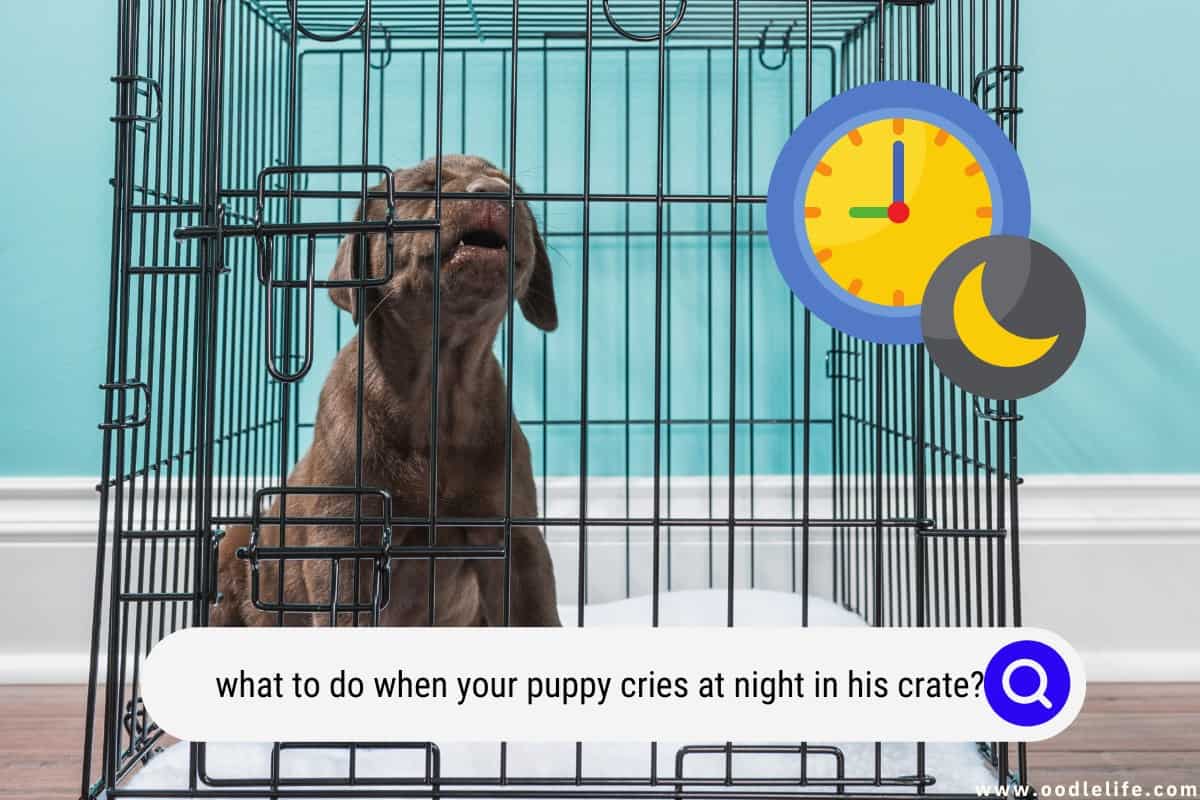
Step 4: The Art of the Controlled Cry-It-Out (Yes, Really!)
This is where many owners get nervous. If you’ve ruled out immediate needs (potty, hunger, extreme discomfort) and your puppy is crying simply for attention, you might need to let them cry it out for a short period. This is NOT about ignoring your puppy’s needs. This is about teaching them that nighttime is for sleeping, not for demanding entertainment.
Here’s the trick: consistency and patience. If your puppy cries, wait a few minutes (say, 5-10). If they continue, go in, check them quickly for obvious needs (quick potty check, check their water), offer a brief, calm reassurance, and then leave. Don’t pick them up, don’t play with them. Just a quick check and back to bed. If they continue to cry, wait a bit longer before your next check. The goal is to gradually increase the time between your interventions.
This method requires a strong stomach and the understanding that things might get a little worse before they get better. Your puppy will likely escalate their cries initially, thinking, “Wait, where did my human go? This isn’t working!” But if you stick with it, they will eventually learn that crying doesn’t result in the desired attention during sleeping hours. It’s tough love, puppy style.
Step 5: Avoid the Temptation of the Comfy Bed
As tempting as it is to scoop up that sad little fluffball and bring them into your bed, try your best to resist! While it’s a short-term solution that guarantees immediate quiet, it can create a habit that’s very hard to break. Your puppy learns that crying leads to the ultimate reward: sleeping with their favorite human. And suddenly, you’re their personal hotel, and they never want to check out!

If you are really struggling, and your puppy is genuinely distressed and nothing else is working, you can try putting their bed right next to yours. This offers proximity without the full co-sleeping experience. But the ultimate goal should be for them to sleep soundly in their own designated space. Think of it as graduating from “assisted living” to their own apartment.
When to Seek Professional Help
Most of the time, puppy nighttime crying is a normal part of the adjustment process. However, if you’ve tried everything and your puppy is still crying inconsolably, or if you notice other concerning symptoms like lethargy, loss of appetite, or digestive issues, it's always a good idea to consult your veterinarian. They can rule out any underlying medical conditions that might be causing your puppy discomfort.
You might also consider consulting a certified professional dog trainer or a veterinary behaviorist. They can offer personalized advice and help you develop a strategy tailored to your specific puppy and situation. Sometimes, a fresh pair of eyes and expert guidance can make all the difference.
The Light at the End of the Tunnel (and it’s not a headlamp!)
This phase will pass. I promise! Those first few nights (or weeks!) can feel like an eternity, but with patience, consistency, and a good dose of understanding, your puppy will gradually settle in. They will learn that your home is safe, that they don’t need to be afraid, and that nighttime is for sleeping.
Soon, you’ll be waking up to the joyful anticipation of a new day, not the jarring sound of a crying puppy. You’ll be able to enjoy those morning cuddles and playful greetings without feeling like you’ve run a marathon. You'll look back at this challenging time with a fond (and perhaps slightly humorous) memory. So, hang in there, brave puppy parent! You’re doing a great job, and soon you’ll be enjoying peaceful nights and a happy, well-rested pup. And that, my friends, is a truly paw-some feeling!