
What To Do If U Find An Injured Bird

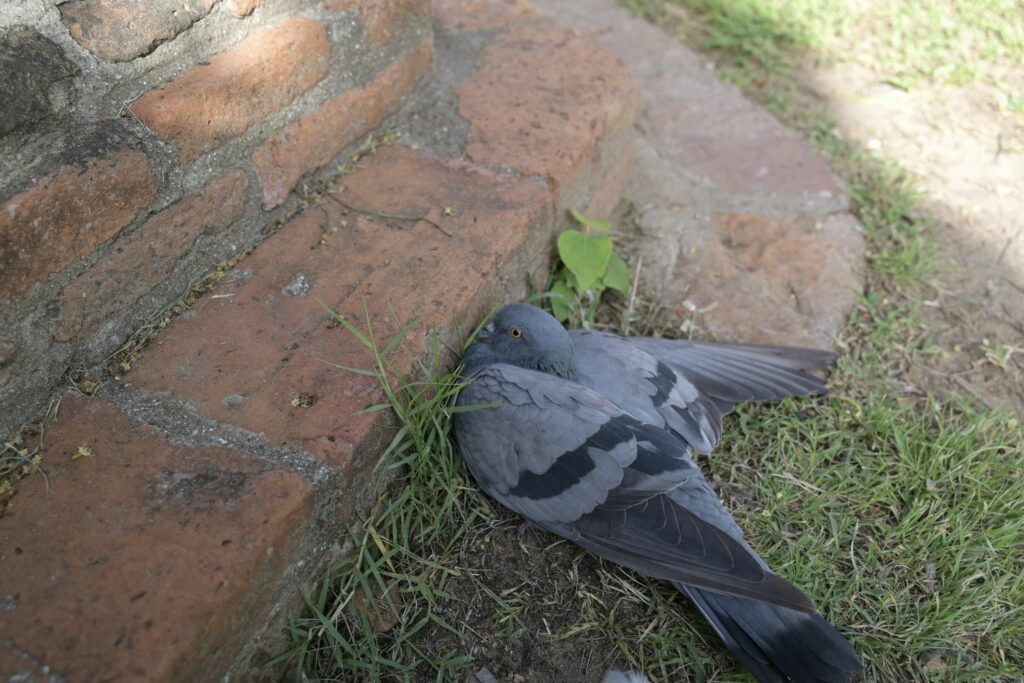
So, you’re out and about, perhaps enjoying a leisurely stroll through the park or even just pottering in your own backyard, and suddenly, you spot it. A small, feathered creature, looking a little… well, less than spectacular. It’s not flapping enthusiastically or chirping up a storm. Instead, it’s doing that sad little slump, a tiny heap of feathers on the grass.
Before you panic and imagine a dramatic birdy soap opera unfolding, take a deep breath. You’ve stumbled upon a situation that, while a little concerning, can also lead to some surprisingly heartwarming moments. Think of yourself as an accidental superhero, a feathered friend’s new best bud. It's a chance to connect with nature in a way most people only dream about.
First things first, no need for a cape. Your superpower here is observation and a gentle touch. Resist the urge to scoop it up like a prize at a carnival. These little guys are fragile, and a clumsy grab can do more harm than good. Patience, grasshopper, is your first, and possibly most important, tool.
Look closely. Is the bird truly injured, or is it just taking a breather? Sometimes, they’re just having a bad feather day, or perhaps they’ve had a bit too much of that fermented berry juice. But if it’s obvious something’s not right – a drooping wing, a wobbly leg, or just a general lack of zip – then it’s time to put on your thinking cap.
Now, the tricky part: approaching. Imagine you’re trying to sneak up on a shy cat. Move slowly, speak softly, and avoid any sudden movements that might send your feathered friend into a flutter of panic. You don’t want to add ‘stress-induced fainting’ to its list of woes.
If you can, try to identify the type of bird. This isn’t so you can give it a scientific lecture, but more for practical purposes. Is it a tiny hummingbird, looking like it’s auditioning for a role as a lost jewel? Or is it a slightly plumper robin, contemplating the meaning of life from its low vantage point? Knowing the size can help you gauge how delicate your rescue mission needs to be.
Once you’re close enough, and the bird seems relatively calm (or as calm as a bird can be when it’s feeling a bit sorry for itself), you’ll need to gently contain it. This is where the superhero gloves come in, metaphorically speaking. A clean towel or a soft cloth is your best friend. Think of it as a cozy, portable nest.
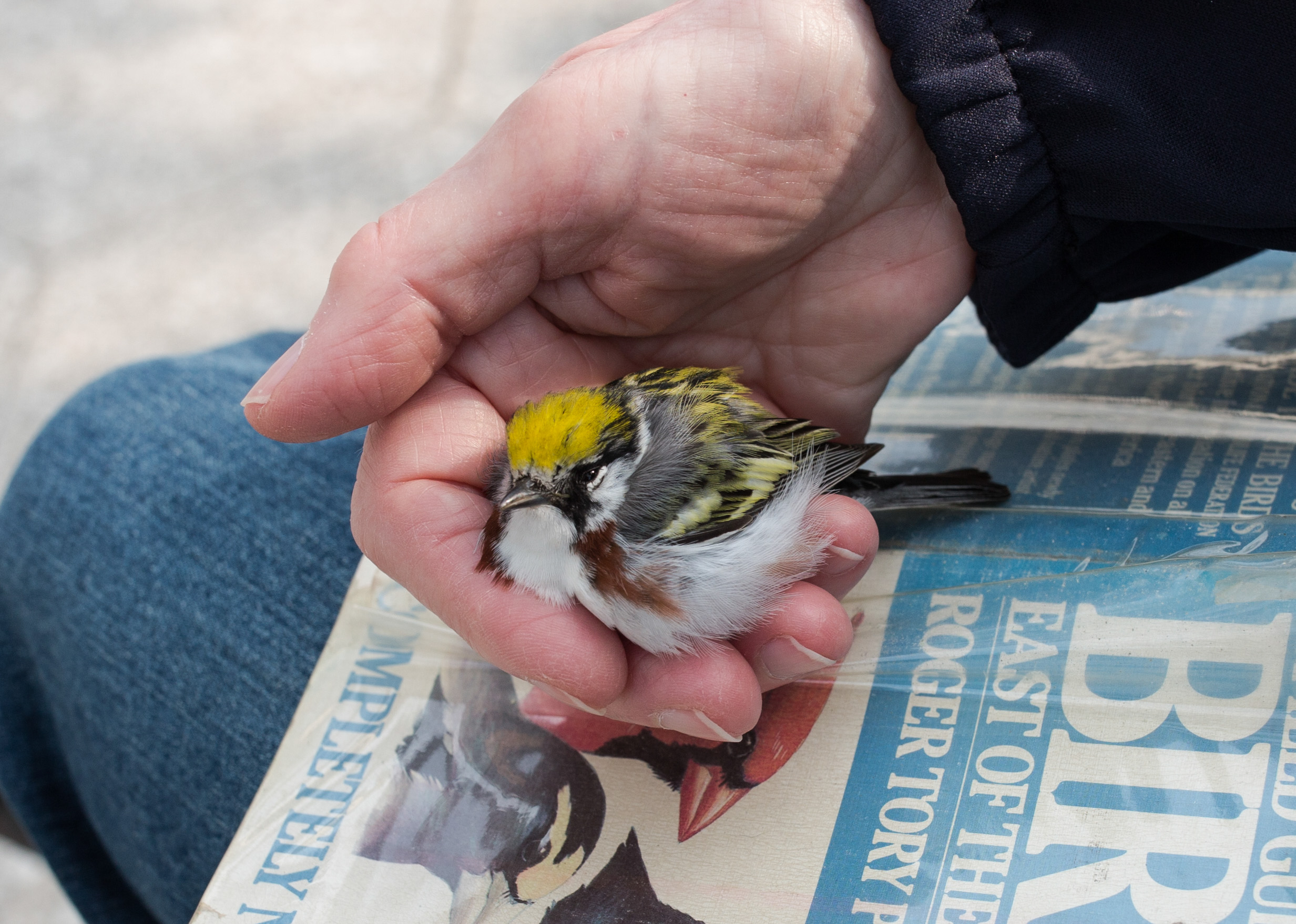
Carefully, very carefully, drape the towel over the bird. This does a couple of things: it keeps it warm and, more importantly, it often calms them down. They feel more secure, like they’ve been wrapped in a comforting hug. It's like a tiny bird spa treatment, minus the cucumber slices.
Now, the important bit: getting it to a place where it can get professional help. This isn't a job for a Saturday morning cartoon; these birds need real experts. Your local wildlife rehabilitation center is the golden ticket here. They are the superheroes of the bird world, the ones with the knowledge and the tiny bird-sized bandages.
You can usually find these centers with a quick internet search. Just type in “wildlife rescue [your town/city]” and you should get some leads. They are often run by amazing volunteers who have a deep love for all creatures great and small, especially those with feathers. Think of them as the Avengers, but with more birdseed and fewer laser beams.
While you’re waiting to transport your new charge, find a quiet, dark, and safe place for it. A shoebox with some air holes poked in it is a classic choice. Line it with a soft cloth or paper towels. The darkness helps to keep them calm, and the secure box prevents further injury.
Do not try to feed the bird. This is crucial. Different birds have different diets, and you could accidentally give it something that’s terrible for it. Imagine giving a steak to a hummingbird – not a good look. Leave the feeding to the professionals who know their worms from their nectar.
Also, resist the urge to give it water. Some birds can drown easily, and a spilled water dish can be a death trap. Again, these are details the experts handle with practiced ease.
The journey to the rehabilitation center can be a bit of an adventure. Imagine yourself as a secret agent, transporting a VIP (Very Important Pigeon, perhaps?). Keep the car quiet, avoid loud music, and keep the box steady. Your goal is to keep the bird as stress-free as possible.
When you arrive, you’ll likely be greeted by a cheerful person with dirt under their fingernails and a twinkle in their eye. They’ll take over, and you can feel a sense of accomplishment. You’ve done a good deed, a truly noble act of kindness.

Sometimes, you might find a baby bird that has fallen out of its nest. This is a different scenario, and often, the best course of action is to try and return it to its nest if it's safe and possible. Parent birds are usually quite good at spotting their own offspring. It’s like a tiny, fluffy reunion.
However, if you’re unsure, or the baby bird appears injured or has no parents around, then the wildlife center is still your best bet. They can assess the situation and make the right calls. They have the tools to mimic a mother bird’s chirps, which is a pretty cool, albeit slightly eerie, party trick.
There’s something incredibly special about helping a creature that can’t help itself. It’s a reminder of the interconnectedness of all living things. We share this planet, and sometimes, our role is simply to lend a helping hand.
Think about the stories you’ll have! You can tell your friends and family about the time you were a bird rescuer, a temporary guardian of a tiny life. It’s a conversation starter that’s far more interesting than the weather.

You might even find yourself developing a soft spot for these feathered folks. You’ll start noticing birds more, appreciating their resilience and their unique personalities. That robin that seemed a bit glum? It might just have been contemplating its next worm. And the tiny sparrow, flitting around? It’s probably on a mission of utmost importance, like delivering a tiny secret message.
So, the next time you encounter an injured bird, don't shy away. See it as an opportunity. An opportunity to be gentle, to be kind, and to experience a little bit of everyday magic. You might just be the hero this tiny bird needs, and in doing so, you’ll discover a little more heroism in yourself.
Remember, your actions, however small they may seem, can make a world of difference to a creature that’s feeling lost and vulnerable. It’s a chance to be part of something bigger, a network of care and compassion. And who knows, you might even get a nod of thanks from a grateful pigeon. Well, a grateful non-injured pigeon, after your successful rescue mission!
The world of wildlife rehabilitation is full of fascinating characters, both human and avian. These centers often rely on donations and volunteers, so if you feel inspired, consider offering your time or resources. You could be helping to save countless lives, one feather at a time. It’s a commitment that’s truly for the birds, in the best possible way.
So, next time you’re out and about and you spot that little bundle of feathers in distress, don't just walk on by. You have the power to be a beacon of hope. You can be the reason a sad little bird gets to fly again, to sing its song, and to continue its own amazing journey. And that, my friends, is a truly wonderful thing.