
What To Do If Dog Eats Chicken Bones
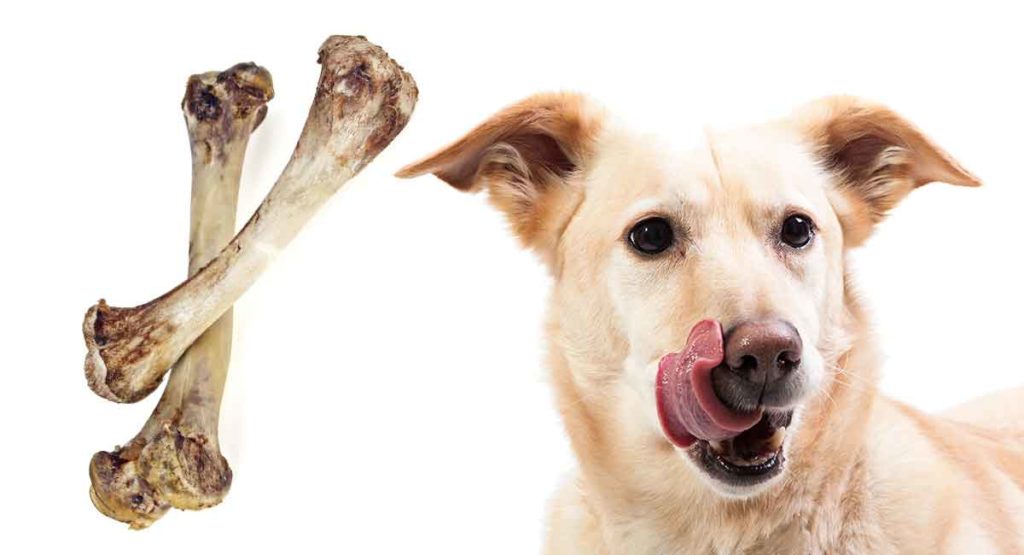
So, you’re chilling on the couch, maybe watching that documentary about sloths (they’re surprisingly busy, right?), and then it happens. Your furry best friend, your four-legged shadow, that ball of adorable chaos, has just… well, inhaled a chicken bone. Panic might be your first instinct, a sudden urge to call the vet faster than a squirrel can climb a tree. But take a deep breath. We’re going to talk about this, nice and easy.
Think of your dog like a tiny, furry culinary adventurer. They’re constantly exploring the world with their mouths, and sometimes, their taste buds lead them down a slightly perilous path. Chicken bones, especially cooked ones, can seem like a gourmet treat to our canine companions. They’re crunchy, they smell amazing (to them, anyway), and they’re practically an invitation to a feast. But as we all know, not all adventures have a perfectly smooth ending.
So, what’s the deal with chicken bones? Why are they a bit of a no-no, even if your dog seems to enjoy them? Well, cooked chicken bones are the main culprits. Think of them like tiny, brittle glass shards. When a dog chews on them, they can splinter and break into sharp fragments. And that’s where things can get a little dicey for our pups.
Imagine a tiny, super-sharp Lego brick. Now imagine that brick trying to navigate the delicate insides of your dog’s digestive system. Not exactly a spa day, is it? These sharp pieces can potentially cause irritation, tears, or even obstructions in the esophagus, stomach, or intestines. It’s like trying to push a thorny vine through a delicate silk scarf – it’s not going to end well.
But here’s the interesting part: it’s not always a disaster. Sometimes, dogs can pass small, cooked bones without any issue whatsoever. Their digestive systems are pretty resilient, after all. They’re built to handle a variety of things, and their stomach acid is quite powerful. So, while the risk is there, it’s not a guaranteed catastrophe. It’s more like a… well, a potential boo-boo.
So, you’ve witnessed the chicken bone heist. What’s the first step in this unexpected culinary crisis management? Stay calm. Seriously. Your dog picks up on your stress like a super-powered emotional radar. If you’re freaking out, they’ll likely mirror that panic, which can actually make them more agitated and more prone to behaviors that could worsen the situation, like vomiting or trying to hide.

Next, try to assess the situation. Did your dog just nibble a tiny bit of cooked meat off a bone? Or did they, in a feat of impressive speed and dedication, gulp down an entire rib cage like a tiny, feathered snake? The amount and type of bone matter. A small, raw bone might be less of a concern than a whole, cooked leg bone. But remember, any cooked bone carries some risk.
What to Look Out For: The Red Flags
If your dog has eaten a chicken bone, keep a very close eye on them for the next 24 to 48 hours. This is when any potential issues are most likely to show up. What are these mysterious "issues" we're talking about? Think of it as your dog’s internal alarm system going off.
One of the first things to watch for is any change in their appetite. Are they suddenly uninterested in their favorite squeaky toy, or even their dinner? That’s a sign something might be bothering them. It’s like their internal chef is on strike.

Then there's vomiting. If your dog starts throwing up, especially if there's blood in it or if they’re retching without producing anything, that’s a definite signal to pay attention. It could mean the bone is irritating their stomach or even causing a blockage. Imagine your stomach as a busy highway; a blockage is like a massive traffic jam.
Observe their bowel movements too. Are they straining to poop? Is there blood in their stool? Or have they stopped pooping altogether? These are all important clues. It’s like checking the mail for updates; you want to see if everything is moving along as it should.
Another thing to note is any signs of pain or discomfort. Are they whining more than usual? Are they restless and unable to settle? Do they seem lethargic or unusually quiet? These can be subtle signs that something isn’t right internally. It’s like your dog is whispering, “Ouchie in here!”
When to Call the Vet (No, Seriously, This Time)
Now, let’s be clear. While we’re aiming for a chill vibe here, there are definitely times when you need to put on your superhero cape and dial the vet. If you notice any of the red flags mentioned above, or if you’re just feeling that gut instinct that something is seriously wrong, don’t hesitate to call your veterinarian.
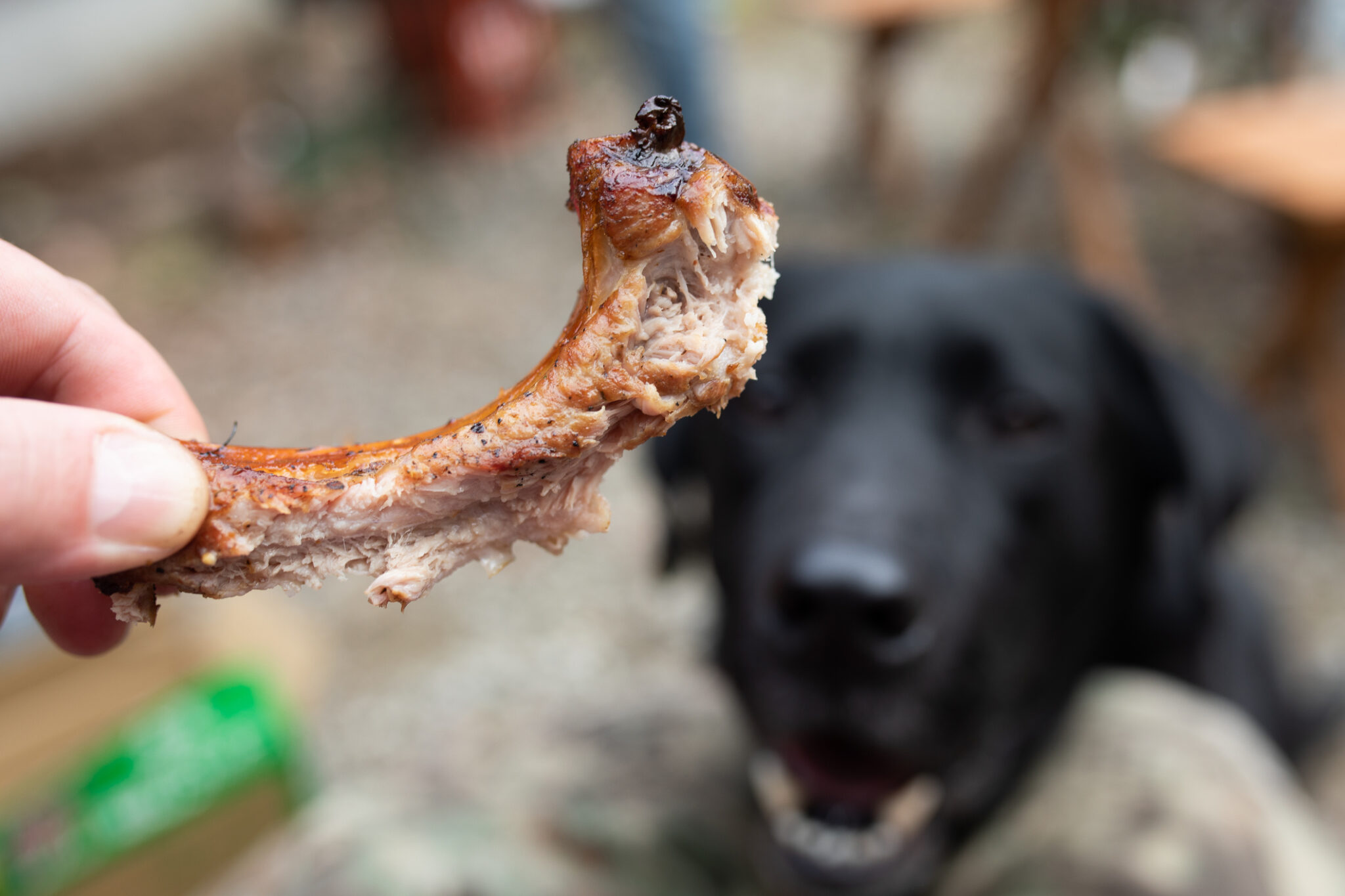
It’s always better to be safe than sorry, as the saying goes. Your vet is the ultimate expert, the Yoda of doggy digestive woes. They can give you the best advice based on your dog’s specific situation, breed, and size. They might suggest bringing your dog in for an examination, which could involve X-rays to see if there’s a blockage or internal damage. It's like getting a detailed blueprint of your dog's inner workings.
They might also recommend specific dietary changes, like feeding bland food for a few days to give their digestive system a break. Think of it as a gentle detox for your dog’s tummy.
What NOT to Do
Let’s cover some common myths and things you should definitely avoid doing. First, don't try to make your dog vomit unless specifically instructed to do so by your vet. Inducing vomiting can sometimes cause more harm than good, especially if the bone has already splintered or is in a precarious position.

Secondly, don't give your dog any human medications to treat the situation without consulting your vet. What works for humans can be toxic to dogs. It’s like trying to use a screwdriver to fix a delicate watch – wrong tool for the job!
Finally, don't just sit and wait if you’re seeing concerning signs. While some dogs pass bones with no issue, others can develop serious complications. Early intervention is key.
The Takeaway: Prevention is Key
Ultimately, the best strategy for chicken bones is prevention. It's much easier to stop the heist in the first place than to deal with the aftermath. So, be vigilant when you’re cooking with chicken. Keep those bones out of reach. Secure your trash cans. And if you're eating chicken outside, keep a close eye on your furry dining companion.
Think of it this way: your dog sees a discarded chicken bone as a treasure. Your job is to be the vigilant pirate captain, ensuring the treasure stays where it belongs – in the trash, not in their tummy. It’s about being a responsible pet parent, and that means understanding the potential risks and taking steps to avoid them. So, keep an eye out, stay calm, and remember that a little vigilance goes a long way in keeping your furry friend happy and healthy. And hey, at least you've got a good story to tell, right?