
What Three Things Do Food Pests Need

Let's be honest. We all love a good meal. From that perfectly ripe avocado to the crunchy goodness of your morning cereal, our kitchens are usually a sanctuary of deliciousness. But sometimes, that sanctuary gets a little… crowded. Ever noticed a tiny trail of ants marching across your counter, or a mysterious hole in your favorite bag of chips? Yep, we're talking about food pests. The uninvited guests who seem to have a sixth sense for when you've just stocked up.
Now, before you go into full-on panic mode and start hoarding your pantry like it's the end of days, let's take a deep breath. Understanding what makes our kitchens so attractive to these little critters is the first step to gently, and we mean gently, encouraging them to find a new place to call home. Think of it less like a battle and more like a polite, but firm, housewarming party they weren't invited to.
So, what are these sneaky scavengers after? It turns out, their desires are pretty simple. They're not asking for the moon on a stick, just the basics. And if we can understand these basic needs, we can make our kitchens significantly less appealing. It’s like dressing for a party – you want to fit in, but you don't want to be the reason everyone else leaves early.
The Unseen Trio: What Every Food Pest Craves
At their core, food pests, whether they're minuscule ants, fuzzy pantry moths, or the ever-so-annoying fruit flies, are driven by three fundamental needs. Think of it as their "Pest Prime Directive." If you can deny them even one of these, you've already won half the battle. It’s a bit like a game of rock-paper-scissors, but with crumbs, leaks, and cozy corners.
1. Sustenance: The Allure of the Snack Drawer
This one might seem obvious, right? They want food! But it's not just about a full-blown buffet. Pests are remarkably resourceful and can find sustenance in the tiniest of crumbs, a forgotten drop of jam, or even the residue left on a cutting board. For them, your kitchen is a veritable smorgasbord of opportunity.
Ants, for instance, are drawn to anything sweet. That single sugar crystal that escaped the bag? It's a five-star meal. Fruit flies, on the other hand, have a particular fondness for fermenting things. That slightly bruised banana on the counter, or the residual wine in a bottle? They're practically sending out an engraved invitation.
And then there are the pantry dwellers. Moths and beetles are often attracted to grains, flours, and dried fruits. They’re not looking for a gourmet meal; a tiny crack in a bag of rice is enough to sustain them and their extended families for quite some time. It’s like finding a hidden treasure chest, but instead of gold, it’s a lifetime supply of carbohydrates.
Cultural Nod: In many cultures, preserving food has always been a major concern. From ancient Egyptian granaries to the meticulous canning practices of our grandmothers, humanity has always battled against decay and the creatures that hasten it. Think of it as an age-old dance between us and the natural world, where we’re trying to keep our delicious bounty safe.

Fun Fact: Did you know that some ant species can carry objects up to 50 times their own body weight? Imagine if you could do that! Your grocery shopping would be a breeze. This incredible strength is why even the smallest spill is a significant discovery for them.
Practical Tip: The key here is impeccable cleanliness. This doesn't mean you need to scrub your kitchen like you're preparing for a royal visit every single day. It means being diligent about the small things. Wipe down counters after cooking, especially if you’ve been working with sticky or sugary ingredients. Sweep or vacuum floors regularly, paying attention to corners and under appliances. Rinse out jars and cans before recycling. And for goodness sake, don't leave dirty dishes in the sink overnight! It’s the culinary equivalent of leaving the welcome mat out for unwanted guests.
A Little Extra: Consider using airtight containers for all your pantry staples – flours, sugars, cereals, pasta, and even pet food. Not only does this prevent pests from getting in, but it also keeps your food fresher for longer. It’s a win-win scenario. Think of it as giving your food its own little security system.
2. Hydration: The Lure of the Leaky Faucet
Just like us, pests need water to survive. And while they might not be chugging from a water cooler, they are incredibly adept at finding moisture sources in your home. A dripping faucet, a leaky pipe under the sink, condensation on a window, or even a forgotten damp sponge can be a veritable oasis for them.
Fruit flies, in particular, are drawn to damp environments. They can breed in the moist conditions of a drain or a neglected dishcloth. Ants, too, need water to survive and will actively seek out sources, especially during drier periods. Even small amounts of standing water are a significant draw.
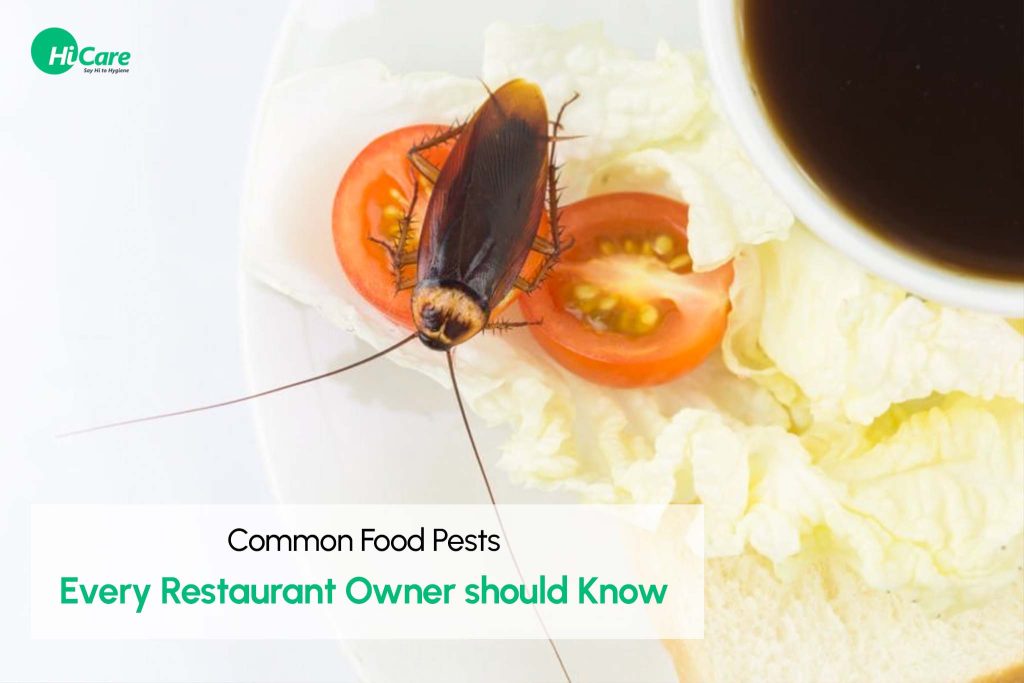
Think about it: your kitchen is a hub of water activity. From washing dishes to cooking to simply brewing a cup of tea, water is everywhere. If there are any unintended pooling or dripping points, pests will find them. It's like a tiny, hidden water park just for them.
Cultural Nod: Water scarcity has been a driving force in human civilization, leading to ingenious irrigation systems and water conservation techniques. While we’re not facing scarcity in our homes, understanding pests’ reliance on water highlights how even small amounts can be critical for their survival and proliferation.
Fun Fact: Some pests, like certain types of beetles, can survive for months without food, but only for a few days without water. This emphasizes just how crucial that damp sponge or leaky pipe can be to their survival strategy.
Practical Tip: Become a moisture detective. Regularly check for leaks under sinks, around dishwashers, and near plumbing. Fix any dripping faucets or pipes promptly. Don't let sponges or dishcloths sit around wet for extended periods; wring them out and let them dry. Empty and clean pet water bowls daily. Even a small amount of condensation can be an invitation, so keep an eye on those windowsills, especially in humid weather.
A Little Extra: Consider using a dehumidifier in particularly damp areas of your home, like basements or laundry rooms, which can sometimes be connected to kitchens. Reducing overall humidity can make your entire home less hospitable to a variety of pests.
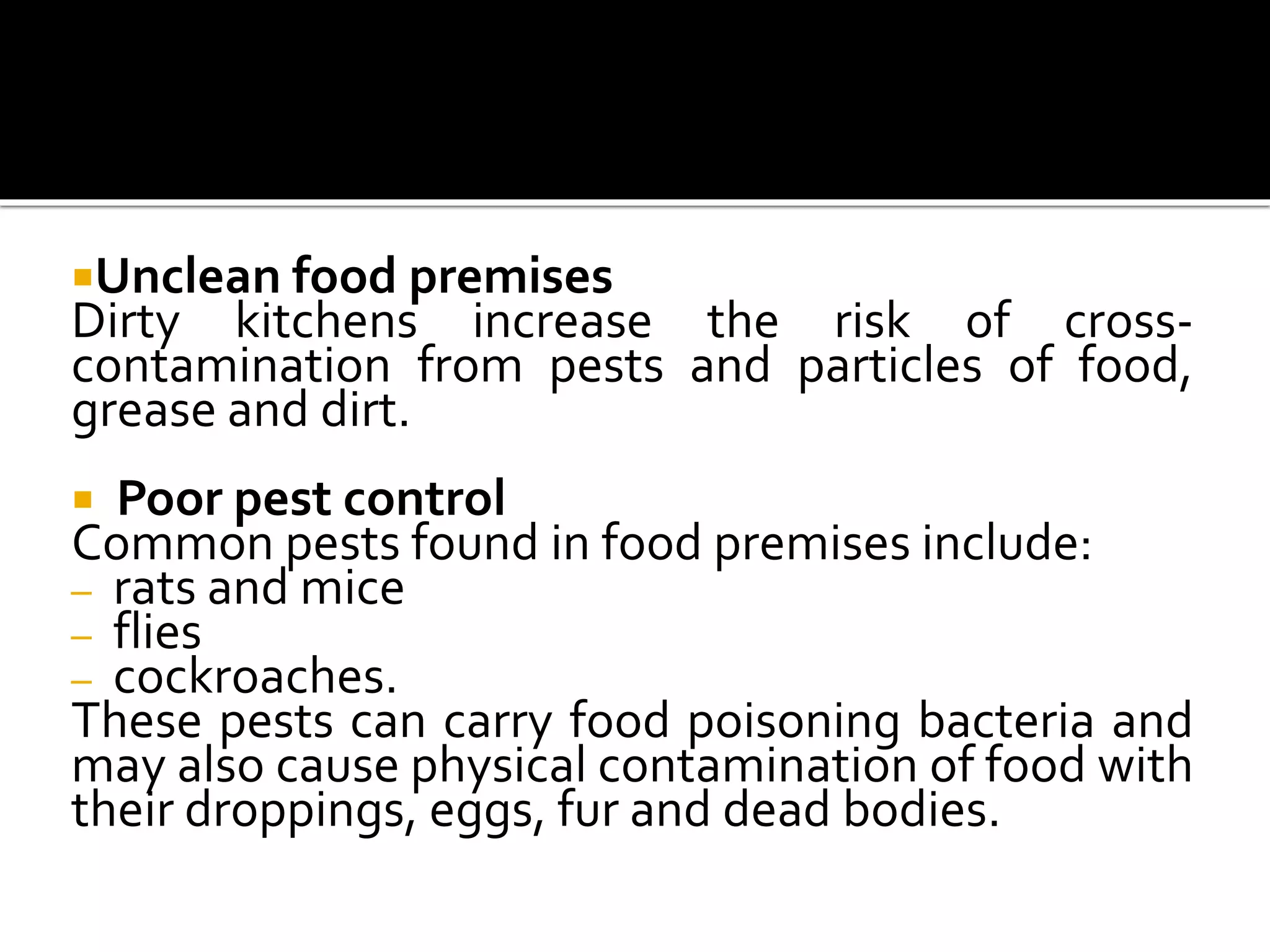
3. Shelter: The Appeal of the Cozy Corner
Finally, pests need a safe place to rest, hide, and reproduce. Your kitchen, with its nooks and crannies, offers a multitude of potential homes. A cluttered pantry, a pile of unread mail, or even the space behind appliances can become a five-star hotel for a determined insect.
Think about it from their perspective. They're small, vulnerable creatures in a giant world. A dark, undisturbed space provides them with security. They can emerge from their cozy retreats when it’s safe to forage for food and water, and then retreat back to safety. It’s the ultimate hide-and-seek championship, and your kitchen is the prime playground.
Pantry moths, for example, love to lay their eggs in dark, undisturbed areas within pantries or cupboards. Ants will establish nests in wall voids or behind appliances, seeking warmth and protection. Even fruit flies can find shelter in the dark, damp environment of a sink drain.
Cultural Nod: Throughout history, humans have sought shelter from the elements and potential dangers. From caves to fortified castles, finding a safe haven has always been a primal need. Pests, in their own way, are also seeking that same sense of security and refuge.
Fun Fact: Some insects, like the cockroach, are incredibly adept at squeezing through incredibly small gaps. They can fit through openings as thin as a quarter of an inch! This means that even seemingly minor cracks and crevices in your kitchen can be an entryway for these unwelcome visitors.
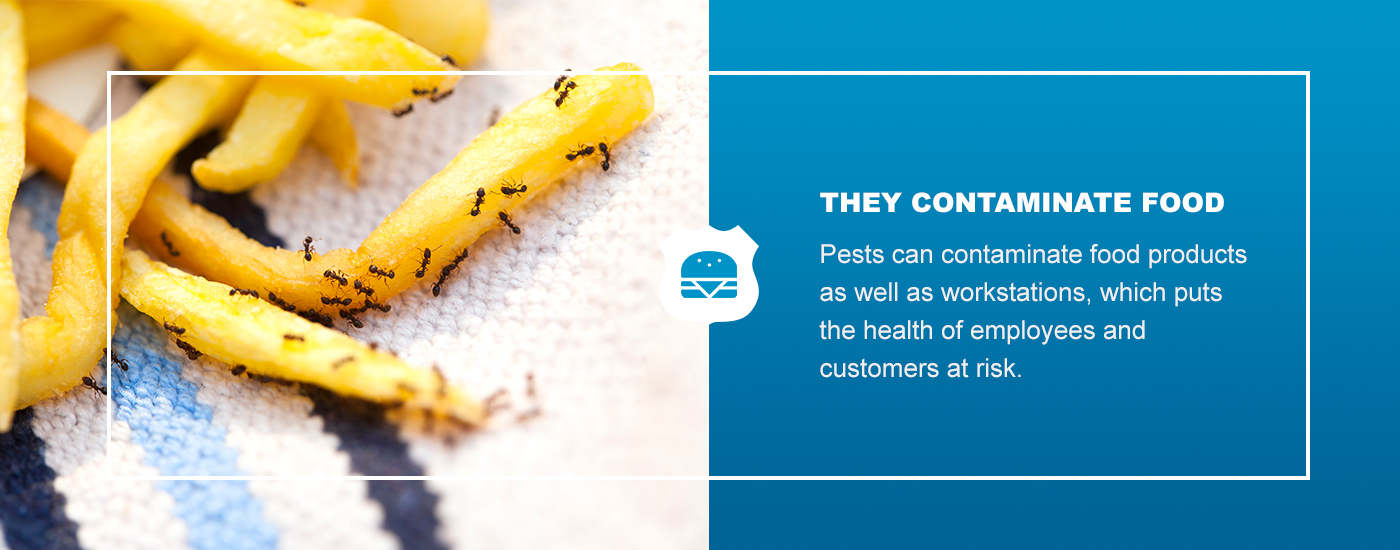
Practical Tip: Declutter and seal. Regularly go through your pantry and cupboards. Discard any expired food items or packaging. Keep these areas tidy and organized. Seal up any cracks or crevices in walls, baseboards, and around pipes with caulk. Pay attention to the areas behind and under appliances, as these can be prime nesting spots. Consider using drawer liners or shelf liners that are easy to clean.
A Little Extra: If you have houseplants, be mindful of the soil. Overwatering can create a moist environment attractive to fungus gnats, which are a type of fly that can sometimes be mistaken for fruit flies. Ensure your plants have good drainage and aren't sitting in excess water.
Bringing It All Together: A Peaceful Coexistence (Sort Of)
So there you have it: food, water, and shelter. Three simple ingredients that turn your otherwise lovely kitchen into a five-star resort for pests. It’s not about creating an sterile environment, which is impossible and frankly, a bit dreary. It’s about being mindful and taking simple, consistent steps to make your home less appealing to these unwelcome guests.
Think of it as creating a less "inviting" atmosphere. You're not putting up a "No Trespassing" sign, but you're also not leaving the buffet table open and the lights on all night. It’s about making your kitchen just a little less… comfortable for them.
The beauty of this approach is that it benefits you too. A clean, organized, and well-maintained kitchen is not only pest-free but also a more pleasant and efficient space to cook and spend time in. It’s about a gentle nudge, a subtle suggestion that perhaps there’s a more suitable habitat elsewhere.
In the grand scheme of things, these little creatures are just trying to survive, just like us. By understanding their basic needs and making a few smart adjustments, we can enjoy our delicious meals and our pristine kitchens without the uninvited company. It's a simple equation, really, and one that leads to a much more peaceful (and tasty) daily life.