
What Thread Count Is Best For Sheets

Ah, bed sheets. That unsung hero of our daily lives. We spend a third of our lives in them, yet we rarely give them much thought beyond a quick glance in the store. And then there’s the dreaded question, whispered in hushed tones at bedding boutiques: “What thread count should I get?” It sounds so serious, like you’re about to decide the fate of your entire sleep ecosystem. But let’s be honest, it’s mostly just a number, right? A number that can make your wallet weep or make you feel like you’ve checked into a five-star hotel every single night. So, what’s the deal with thread count? Is it a magical spell that guarantees slumber, or just a marketing ploy to make you spend more?
The truth is, thread count is like the secret handshake of the sheet world. It’s how the initiated communicate their commitment to comfort. And while the fancy numbers can seem intimidating, at its heart, it’s all about how many threads of yarn are woven into one square inch of fabric. More threads packed in? Theoretically, a denser, smoother, and often more luxurious feel. Less threads? A more breathable, perhaps a bit looser weave.
Think of it like this: Imagine a bustling marketplace. A low thread count is like a few friendly stalls, with plenty of space to wander. A high thread count is like a super-crowded bazaar, where everything is packed tightly together. Both have their charm, but the vibe is definitely different!
For the longest time, the mantra was “higher is better.” People would chase after those eye-watering thread counts, convinced that anything less was an insult to their sleep. We're talking numbers that would make your head spin – 1000, 1200, even 1500! It became a bit of a competition, a silent bragging right in the linen aisle. “Oh, you have 600 thread count? That’s cute. Mine are 1200.”
But then, whispers of rebellion started. Some folks, bless their cotton-picking hearts, began to question the tyranny of the high thread count. They discovered that sometimes, too much of a good thing can be… well, a bit much. Extremely high thread counts, especially with certain types of cotton, can lead to sheets that feel almost plastic-y, too heavy, and strangely lacking in breathability. Imagine trying to snuggle up in a weighted blanket made of pure sleep-proof material. Not quite the dream scenario, is it?
:max_bytes(150000):strip_icc()/hotelsheetsdirectbesthighthreadcountsheets-cbfd854e26794a14bf6c2e7fd2c153a0.jpg)
This is where the magic of Egyptian cotton and Pima cotton (often called Supima cotton in the US) really shines. These aren't just fancy names; they're indicators of long, strong cotton fibers. The longer the fiber, the fewer splices needed, and the smoother the yarn. This means you can get a wonderfully soft and durable sheet with a lower thread count than you might expect from, say, a short-staple cotton. It’s like comparing a beautifully crafted, artisanal loaf of bread to a mass-produced cracker. Both are bread, but the experience is worlds apart.
So, where does that leave us in our quest for the perfect sheet? For many, the sweet spot lies somewhere in the middle. Think of a cozy, well-loved sweater. It’s not brand new and stiff, but it’s also not riddled with holes. It’s just right. For most people, a thread count between 300 and 600 is often considered the golden ticket. This range typically offers a lovely balance of softness, durability, and breathability. You get that satisfyingly smooth feel without feeling like you’re drowning in fabric.
:max_bytes(150000):strip_icc()/California-Design-Den-600-Thread-Count-100-Cotton-Sheets-Set-6607a901c8f3455ea6bae735f3c02d7a.jpg)
It's like finding that perfect cup of tea. Not too hot to burn your tongue, not too cold to be disappointing. Just a comforting warmth that makes you sigh with contentment. A 400 thread count Egyptian cotton sheet, for example, can feel incredibly luxurious, even if it’s not hitting the stratospheric numbers of some synthetics.
And then there’s the weave itself. Percale sheets, for instance, often have a lower thread count but a crisp, cool feel, like a freshly starched button-down shirt. They’re wonderfully refreshing in warmer weather. Sateen, on the other hand, uses a different weaving technique that brings more threads to the surface, giving it a smoother, silkier feel. Sateen sheets often boast higher thread counts and can feel sumptuously soft, but they might be a tad warmer.
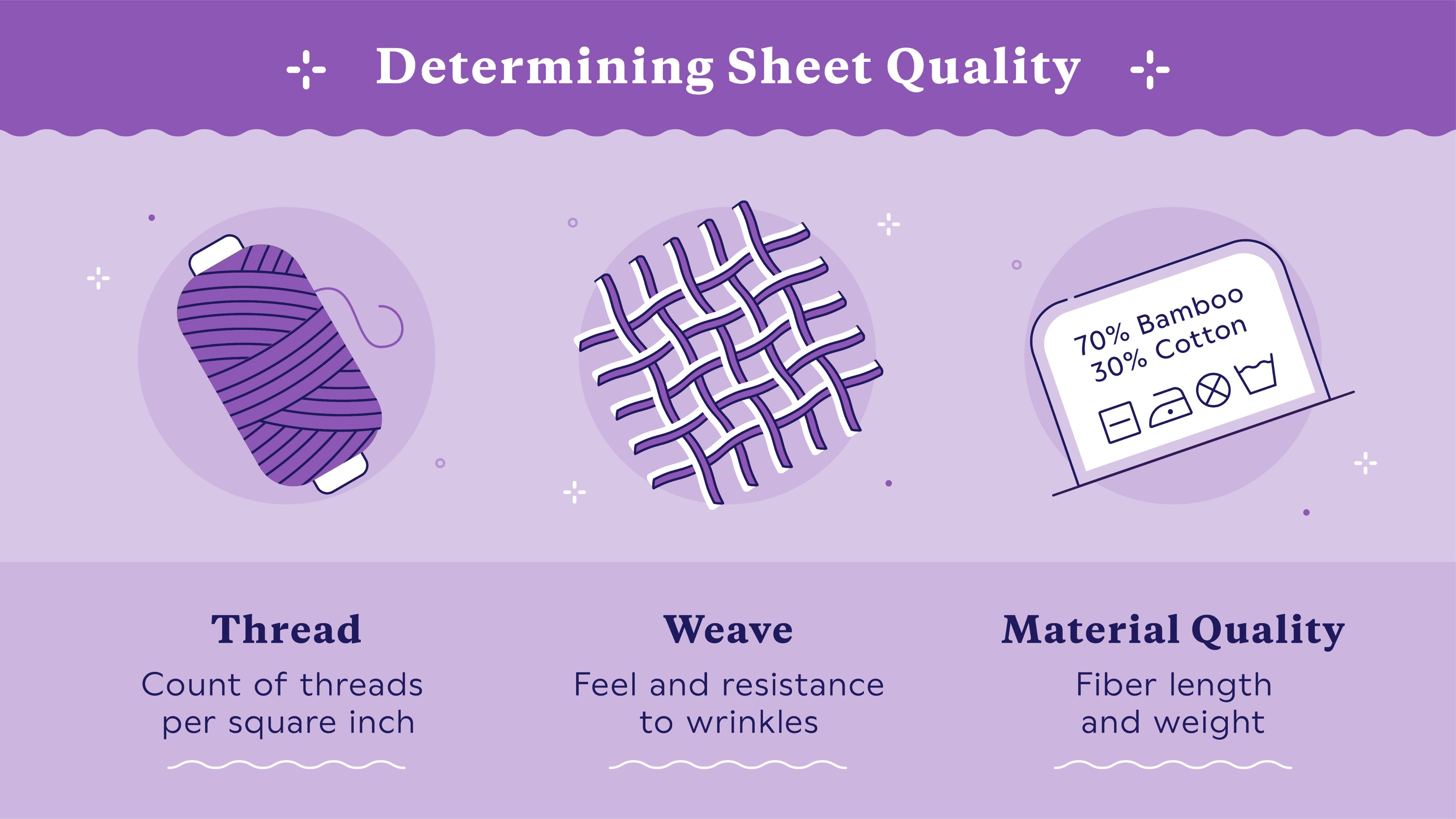
Ultimately, thread count is just one piece of the puzzle. The type of cotton, the weave, and even how the sheets are treated all play a significant role in how they feel. Don’t be afraid to touch! Go to a store and feel the difference. Imagine yourself sinking into those sheets after a long day. Does it feel like a hug? Does it whisper sweet dreams?
The most important thing is to find what feels good to you. If a magical 800 thread count makes you happy and your bank account isn’t staging a protest, then go for it! If you find pure bliss in a simple 200 thread count cotton that feels like a cloud, then that’s your victory. It’s not about conforming to a number; it’s about creating your own personal sanctuary. So, next time you’re faced with the thread count conundrum, remember this: it’s less about a number and more about a feeling. A feeling that leads to sweet, sweet slumber. And isn’t that the best kind of luxury?
Remember, the best thread count is the one that brings you the most joy and the most restful sleep. Don't let numbers dictate your comfort!