
What Temp Does A Slow Cooker Cook At
Hey there, kitchen adventurers and culinary curious! Ever stare at your trusty slow cooker, that magical pot that promises deliciousness with minimal fuss, and wonder… just what’s going on in there temperature-wise? You’re not alone! It’s one of those little culinary mysteries that can feel surprisingly… well, mysterious. But guess what? Understanding the temperature of your slow cooker isn’t some intimidating scientific endeavor. It’s actually the secret handshake to unlocking a whole new level of effortless, amazing meals!
Think of your slow cooker as your personal culinary butler, working diligently behind the scenes. It’s not a raging inferno like your oven, nor is it a gentle simmer on the stovetop. It’s something special, something… slow. And that’s where the magic happens, my friends!
So, What's the Deal with Slow Cooker Temperatures?
Alright, let’s get down to brass tacks, or rather, low and high. Most modern slow cookers have two primary settings: Low and High. And here's the kicker, it's not about the speed of cooking as much as the target temperature it aims for. Isn't that neat?
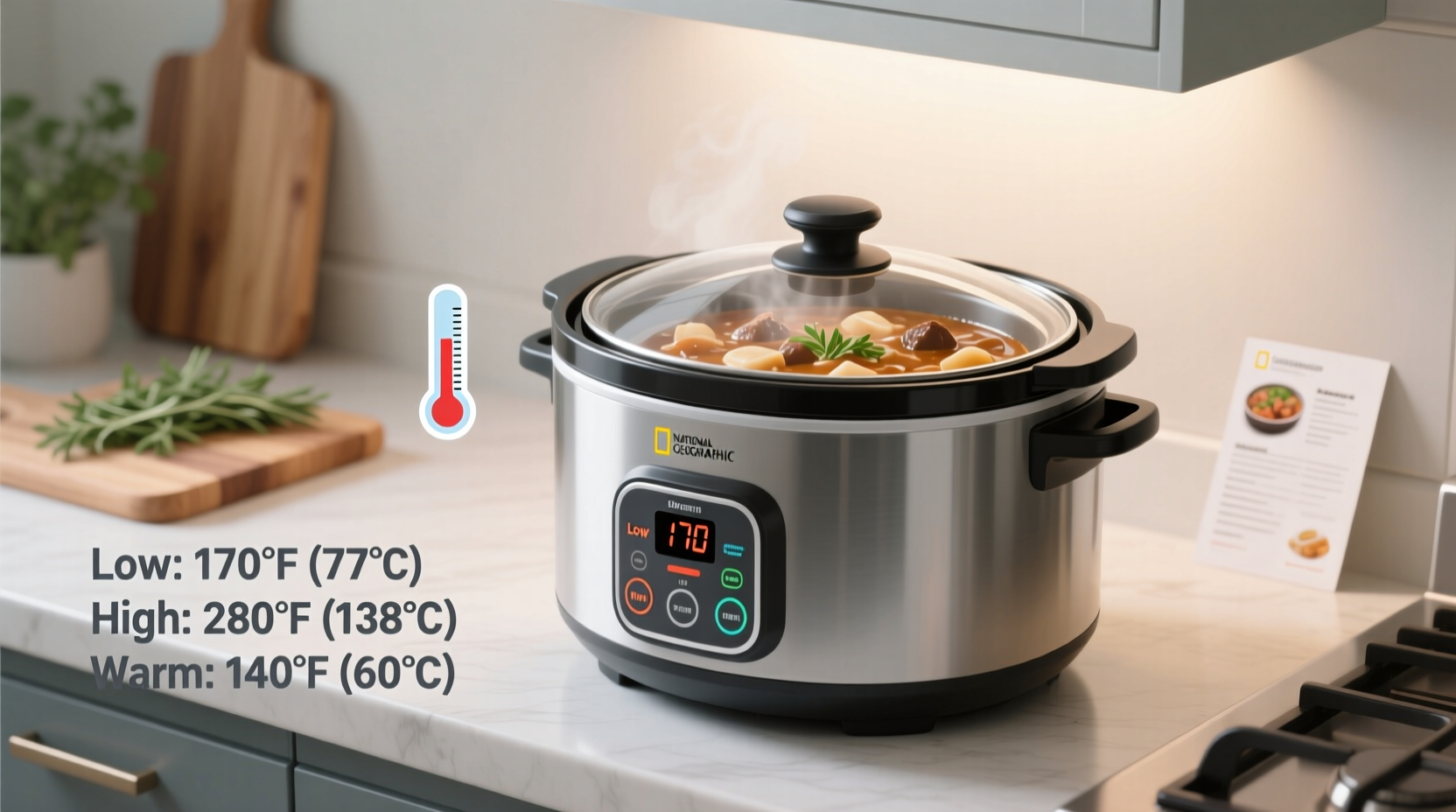
The generally accepted internal temperature sweet spot for slow cookers is between 170°F and 280°F (77°C to 138°C). Now, that sounds like a pretty big range, right? It is! And that's intentional. It allows for the flexibility that makes these appliances so darn popular.
But let's break down those two magical settings:
The Wonderful World of 'Low'
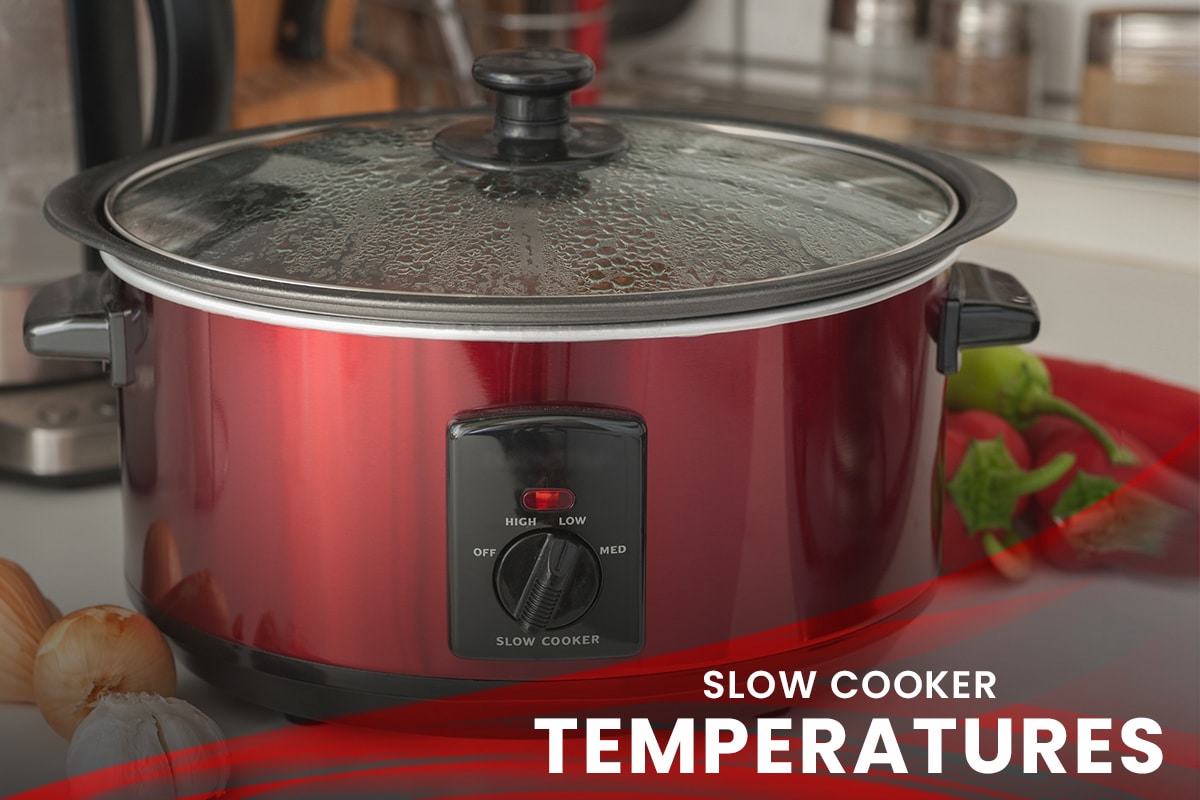
When you set your slow cooker to Low, you’re essentially telling it to gently nudge its way up to around 190°F to 200°F (88°C to 93°C) and stay there. Think of it as a long, leisurely soak for your ingredients. This is the setting you’ll want to use for those dishes that need a really long time to break down and become tender. We’re talking about tough cuts of meat that transform into melt-in-your-mouth perfection. Pulled pork? Chili? Pot roast? These are all prime candidates for the 'Low' setting.
The beauty of 'Low' is its forgiveness. Life happens! You might be running late, stuck in traffic, or just enjoying a spontaneous nap (we’ve all been there!). With 'Low', your food is less likely to overcook or dry out. It’s like a built-in culinary safety net. You’re practically guaranteed a delicious outcome, even if your schedule is a bit… flexible.
And the flavor development on 'Low'? Oh, it's sublime. That slow, gentle heat allows all those wonderful aromas and flavors to meld together, creating a depth that you just can’t achieve with quick cooking. It’s like coaxing the best out of every single ingredient. Pure culinary poetry!
The Gloriousness of 'High'
Now, if you’re a little more pressed for time, or maybe you’re just eager to dig into that delicious meal sooner, the High setting is your hero. When you select 'High', your slow cooker will work a bit more energetically to reach a slightly higher temperature, typically around 300°F (149°C). It will then maintain this temperature.

This setting is fantastic for when you want that slow-cooked goodness but only have, say, 3 to 4 hours. Think about those soups or stews that might be a bit thinner, or dishes where the ingredients are already more tender. It’s still a slow and gentle cooking process, just a bit more… expedited. It’s like giving your ingredients a brisk but still relaxing spa treatment.
Don't get me wrong, 'High' is still considered "slow" cooking. It's not the searing heat of a frying pan. The key is that it maintains a consistent, moderate temperature for an extended period, allowing flavors to develop and ingredients to tenderize. It’s a fantastic option when you need that slow-cooked comfort food but your day is a little shorter.
So, What's the "Right" Temperature?
The truth is, there isn't a single "right" temperature. It all depends on your recipe, the ingredients you're using, and how much time you have. Think of it as a spectrum of deliciousness!

Most recipes will specify whether to use Low or High. If a recipe says "cook on Low for 8 hours," it generally means the same as "cook on High for 4 hours." This is because the total cooking time and heat exposure is what breaks down the food and develops flavor. It’s like choosing between a long, winding scenic route or a slightly more direct, but still enjoyable, path to your destination. Both get you there, just with a slightly different journey.
However, it's important to note that for food safety, your slow cooker needs to reach and maintain a temperature of at least 165°F (74°C) within the first few hours to kill off any harmful bacteria. Both the 'Low' and 'High' settings are designed to achieve this and keep your food safe to eat. So, you can breathe easy knowing your culinary creations are both delicious and safe!
Making Life Easier (and Tastier!)
Understanding these temperature settings isn't just about satisfying your curiosity; it's about empowering your cooking. It means you can confidently adapt recipes, experiment with new dishes, and consistently achieve fantastic results. No more guesswork!
Imagine coming home after a long day to the incredible aroma of a meal that practically cooked itself. That’s the power of the slow cooker, and understanding its temperature settings is like getting the master key to that delicious future. It opens up a world of possibilities, from simple weeknight dinners to impressive weekend feasts, all with a fraction of the effort.
So, the next time you plug in that magical appliance, give it a knowing nod. You understand its language now. You know the secret to its slow, steady, and utterly delightful transformation of ingredients. Embrace it, play with it, and let it bring a little more ease and a whole lot more deliciousness into your life!
The world of slow cooking is vast and incredibly rewarding. This little peek into its temperatures is just the beginning. So go forth, explore, and happy cooking!