
What Should A Fridge Be Set On
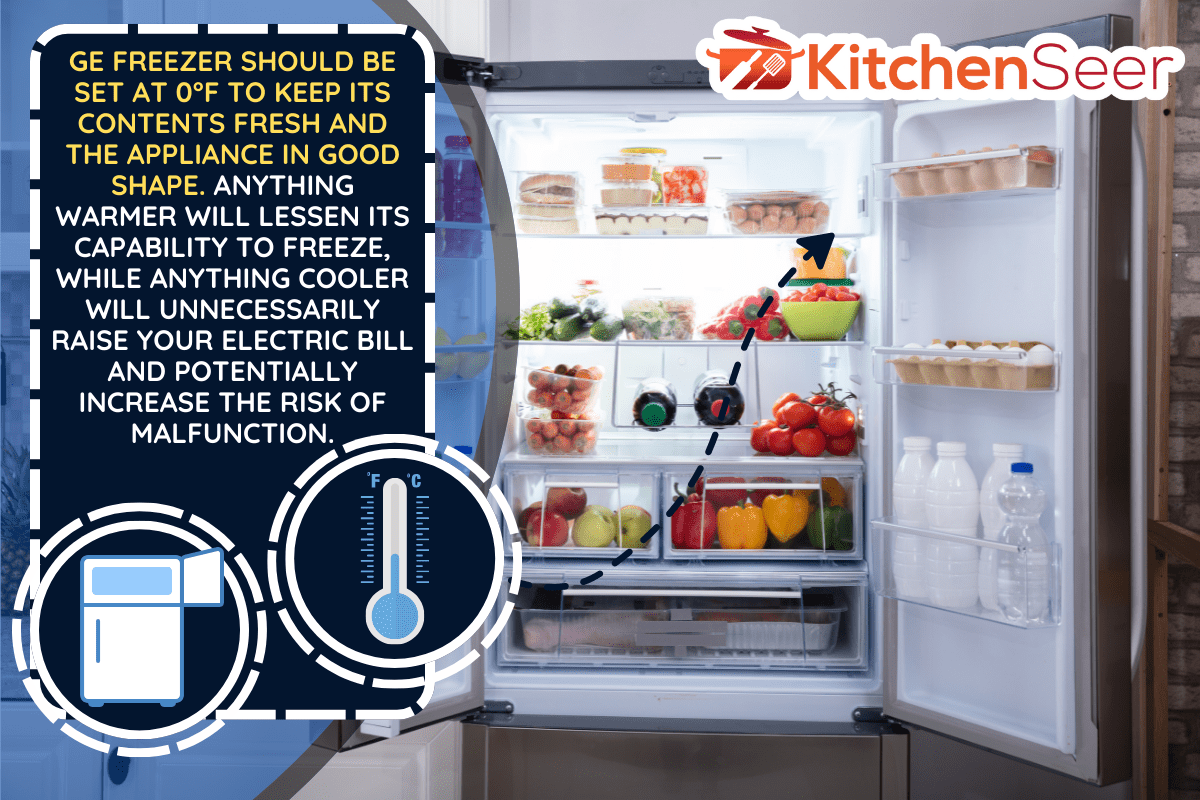
Alright, my fellow food-loving humans! Let's have a little heart-to-heart about the glowing box in your kitchen, the guardian of your leftovers, the silent hero of your midnight snacks: your fridge! We all have one, we all shove things into it, but are we treating it with the respect it truly deserves? Are we setting it up for maximum deliciousness and minimal spoilage? Today, we're diving deep (well, maybe not too deep, it's a fridge, not Mariana's Trench) into the crucial question: What Should A Fridge Be Set On?
Now, before you go envisioning a complicated, science-y ordeal involving thermometers and spreadsheets, let me reassure you. This is going to be easier than finding a matching sock in the laundry. Think of me as your friendly neighborhood appliance whisperer, here to guide you on this frosty adventure.
First things first, let's talk about those little dials or digital displays on your fridge. They often look like they belong on a spaceship control panel, right? You've got numbers, maybe some little snowflake icons. It’s enough to make anyone feel a bit intimidated. But fear not! These aren't secret codes to unlock a hidden ice cream dimension. They're simply temperature controls, and their purpose is to keep your goodies happy and, most importantly, safe to eat.
So, what's the magic number? Drumroll please… for your refrigerator section, aim for around 37 to 40 degrees Fahrenheit. That’s right, a nice, cool, but not too frigid zone. Think of it as the perfect temperature for a refreshing spa day for your fruits and veggies, or a cozy hibernation spot for your milk. Anything much warmer and you're basically inviting a party for all sorts of microscopic critters you definitely don't want mingling with your cheese. We're talking about that dreaded "food poisoning party" that nobody RSVPs for!
Now, let’s talk about the freezer. This is where things get seriously chilly. We want our ice cream to remain solid, our frozen peas to stay like little green pebbles of happiness, and our forgotten mystery meat to remain… well, frozen. For the freezer, you want to aim for 0 degrees Fahrenheit. This is the temperature that basically puts food into a state of suspended animation. It's like hitting the pause button on spoilage. Imagine your freezer as a vault of frozen delights, keeping them pristine for future culinary triumphs.

Why this particular temperature, you ask? Well, it’s all about that sneaky little thing called bacteria. Bacteria, the invisible party crashers of the food world, love a warm environment. They multiply faster than you can say "pass the ketchup" in the 40-degree to 140-degree Fahrenheit danger zone. By keeping your fridge between 37-40°F, you’re effectively telling bacteria, "Nope, not today, folks! This party is closed!" And at 0°F in the freezer, you're basically putting them in a deep freeze, so deep they might start dreaming of warmer days, but they won't be doing any munching on your meticulously organized Tupperware.
Think about it this way: If your fridge is set too high, your milk might go sour faster than a teenage drama. Your lettuce could go from crisp and refreshing to a sad, wilted mess in a blink of an eye. Your leftovers, that glorious second chance at deliciousness, might start whispering sweet nothings to the bin. It's a culinary tragedy, and we can prevent it with the simple flick of a dial!
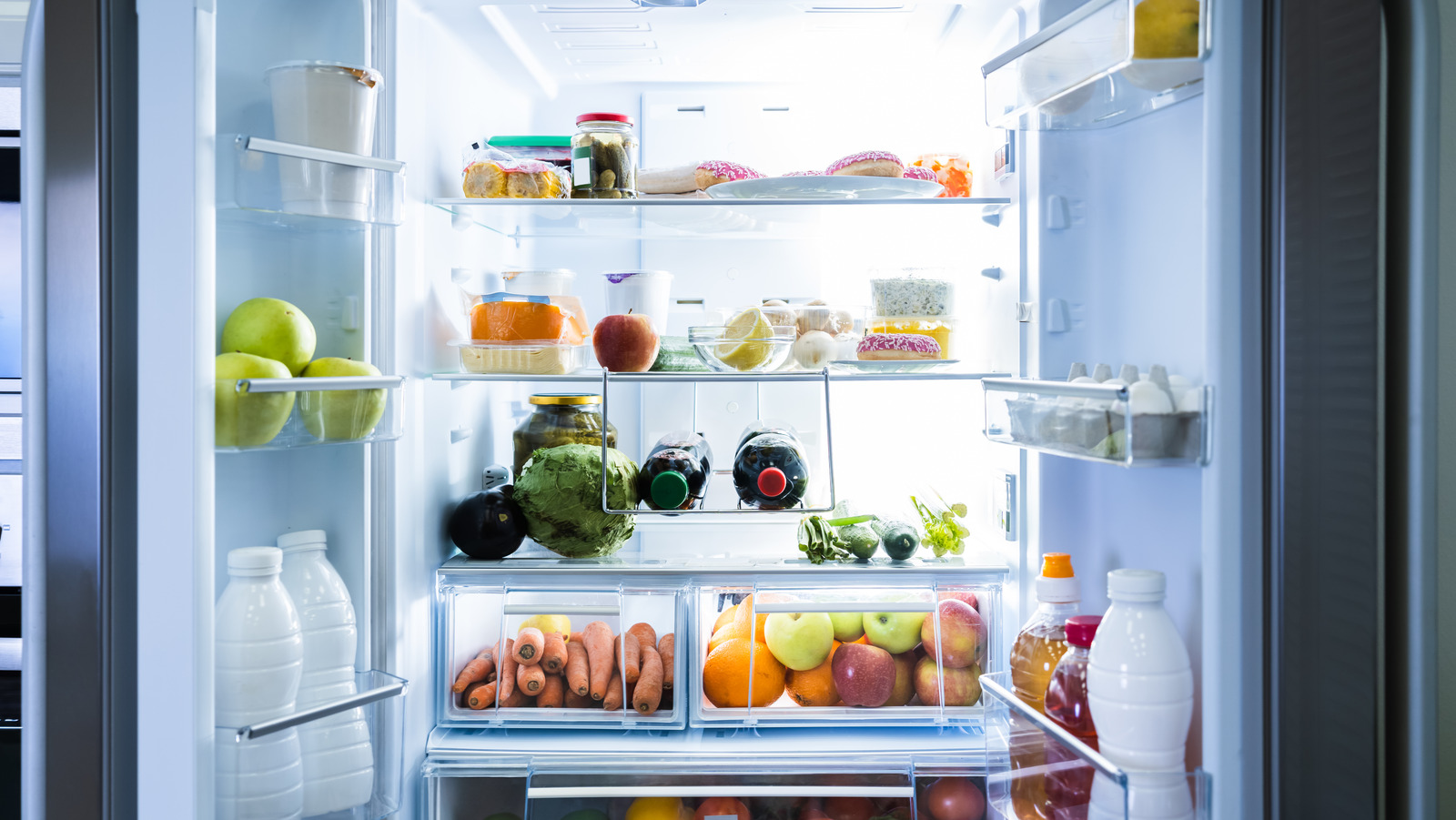
And on the flip side, if your fridge is too cold, you might find yourself with a frozen yogurt situation in the main compartment. Your delicate berries could turn into tiny, icy marbles. And while a solid block of cheddar might sound impressive, it's not exactly ideal for your cheese board. It’s a delicate balance, like a tightrope walker juggling ice cream cones!
So, there you have it! The secret is out. It’s not about complicated science, it’s about basic food preservation powered by a good old-fashioned temperature setting. Check those dials, give your fridge a friendly pat (metaphorically, of course, unless it's being particularly stubborn), and set it to a happy medium for maximum freshness and minimal food waste. Your taste buds, your wallet, and your stomach will thank you. Now go forth and conquer your kitchen with the newfound knowledge of optimal fridge temperatures!

Remember, a well-tempered fridge is a happy fridge, and a happy fridge means delicious, safe food for you and yours. It's a win-win-win situation, and who doesn't love a good win?