
What Should A Child's Blood Sugar Be

Hey there, fellow grown-ups! Ever find yourself wondering about all those numbers and ranges that seem to pop up when we talk about our kids? From growth charts to nap schedules, it feels like there's a whole secret language of parenting. Today, let's chat about something a little more behind-the-scenes, but super important: your child's blood sugar. Now, before you start picturing complicated lab coats and beakers, take a deep breath. We're going to break this down in a way that's as easy-going as a lazy Sunday morning.
Think of your child's blood sugar like the fuel gauge in their tiny, amazing bodies. Just like your car needs gas to zoom around, your little one needs the right amount of sugar (or glucose, the fancy word for it) in their blood to have energy for all their adventures. Whether they're building epic Lego towers, chasing butterflies in the park, or learning to read their favorite book, that energy comes from the food they eat, and how their body uses it.
So, what's the "magic number" we're looking for? Well, it's not exactly a single, fixed number, more like a happy little neighborhood of numbers. For most kids, when they haven't eaten for a while (think before breakfast), their blood sugar usually hovers somewhere between 70 and 100 milligrams per deciliter (mg/dL). This is like their baseline, their calm and collected state. It’s like when you’re just waking up, feeling a bit groggy but perfectly capable of shuffling to the kitchen for that first cup of coffee.
The "Just Had a Snack" Bump
Now, imagine your child has just devoured a yummy snack – maybe some apple slices with peanut butter or a handful of whole-wheat crackers. Their blood sugar will naturally go up a bit. This is totally normal! After a meal or snack, that number can climb up to around 140 mg/dL. This is like the "I've just filled up the tank and I'm ready to go!" feeling. Their body is busy processing that deliciousness and getting ready to power them through their next activity.
Our bodies are incredibly clever, you see. They have this amazing built-in system to keep that fuel gauge in the right zone. When blood sugar goes up, the body releases insulin, which is like a key that unlocks the doors of their cells, letting that sugar in for energy. When blood sugar starts to dip too low, the body releases other hormones to bring it back up. It's a constant, beautiful dance happening inside them!

Why Should We Even Care? A Little Bit of Super Sleuthing
Okay, so why is this a big deal for us, the watchful parents and guardians? It's not about being obsessive, but about being informed and aware. Knowing these ranges helps us spot when things might be a little off-kilter. Think of it like noticing your child's favorite toy is suddenly making a strange squeaking noise. You might not be a toy mechanic, but you notice the change, and that's the first step to figuring out what's going on.
If a child's blood sugar is consistently too high, it can lead to them feeling tired, thirsty, and needing to pee a lot. Imagine trying to run a marathon on a treadmill that's constantly slowing down – it’s frustrating and exhausting! If it's consistently too low, they might feel shaky, grumpy, and have trouble concentrating. It's like trying to power a super-fast race car with a tiny, sputtering engine. Not ideal for winning any races, whether it’s a school spelling bee or a playground dash.
The Real-World Scenarios (Without the Drama!)
Let's think about some everyday moments. You’ve had a busy morning, and breakfast was a quick affair. By lunchtime, your child might be getting a little bit cranky, their energy reserves dipping. This is often their blood sugar saying, "Hey, I could use a refill!" Offering them a healthy snack – a piece of fruit, a yogurt, or a small sandwich – is like giving their internal engine a much-needed boost. You see the change, they get their energy back, and everyone is happier!

Or consider when they've been feeling a bit under the weather, maybe not eating as much. You might notice they're more tired than usual. This is where being aware of blood sugar can be helpful. If they're not eating much, their sugar levels might be lower, contributing to that sluggishness. A gentle, nutritious meal or drink can help perk them up.
When to Chat with the Experts
Now, it’s important to say that for most kids, their bodies do a fantastic job of keeping everything balanced. But there are times when it’s wise to have a little chat with their pediatrician. If you notice your child is consistently experiencing symptoms like extreme thirst, frequent urination, unexplained weight loss, or persistent fatigue, it’s always a good idea to bring it up at their next check-up or even call them sooner. They are the ultimate superheroes when it comes to understanding these things!
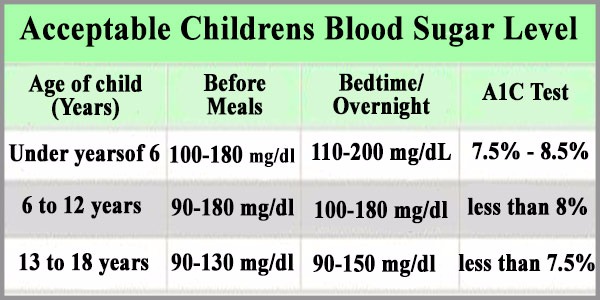
Your doctor might do a simple blood test to check their sugar levels and give you personalized advice based on your child's unique needs. Think of it as them giving you the "owner's manual" for your child's specific body. They’ll guide you on what's normal for your child and what to watch out for.
Fueling Fun and Feeling Good
Ultimately, understanding a child's blood sugar isn't about becoming a medical expert overnight. It’s about recognizing that food is literally fuel, and that balance is key to them feeling their best, having boundless energy, and being able to learn and play and grow without their bodies working against them.
It’s about those moments when they’re so full of energy, their laughter is infectious, and they can conquer any playground challenge. It’s about supporting their well-being so they can be their happiest, healthiest selves, ready for whatever the day throws at them. So, next time you’re packing a lunchbox or preparing a snack, just remember you’re not just packing food, you’re packing the energy that powers their dreams!