
What Plug Sockets Are Used In Turkey
So, you're planning a trip to Turkey, or maybe you've just got a friend who's headed that way and they've asked about, well, the plug sockets? It sounds like a super minor detail, right? Like, who even thinks about plug sockets until their phone is about to die and they're staring at a wall with a blank expression? But honestly, it’s a little peek into how the world works, and it’s kind of fascinating! It’s like a tiny international puzzle piece that fits right into your travel plans.
Ever wonder if your trusty phone charger, your hair straightener, or even your electric toothbrush will have a cozy place to plug in when you land in Istanbul or Antalya? It's a fair question, and the answer is… drumroll please… mostly pretty straightforward! You're probably going to be seeing a type of plug that feels quite familiar, especially if you've traveled around Europe before. Think of it as a little bit of a homecoming for your electronics.
The Star of the Show: Type F, AKA Schuko
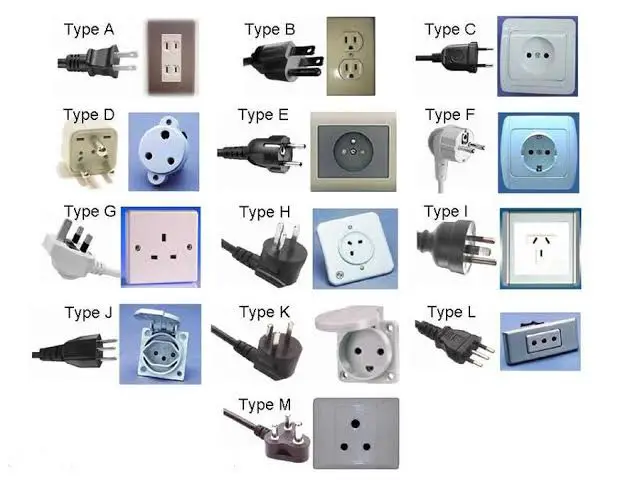
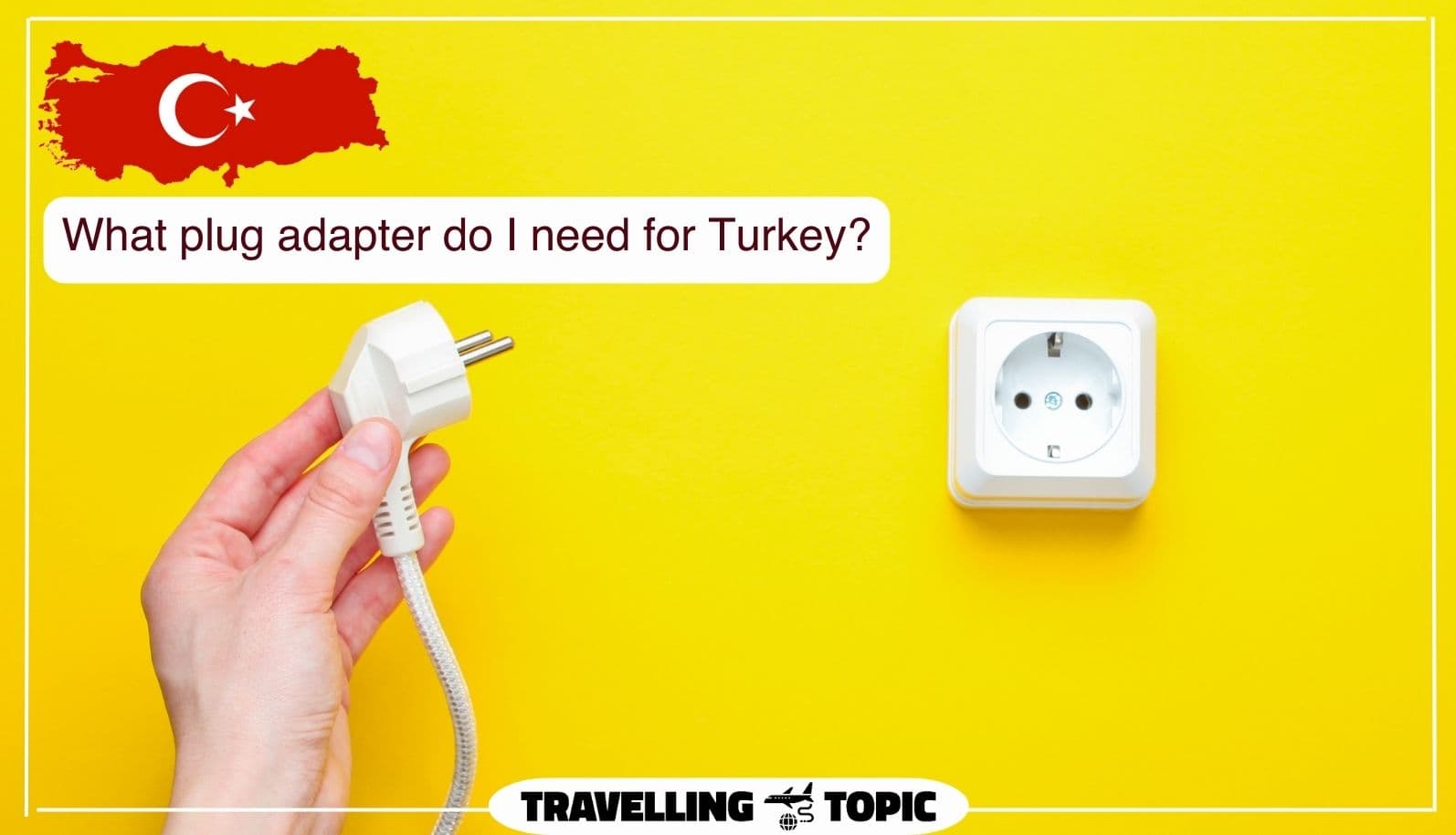
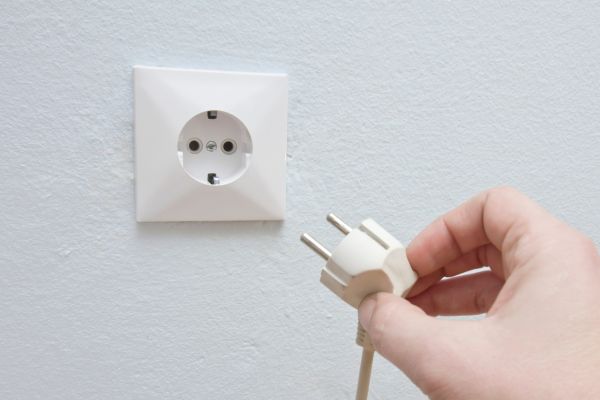
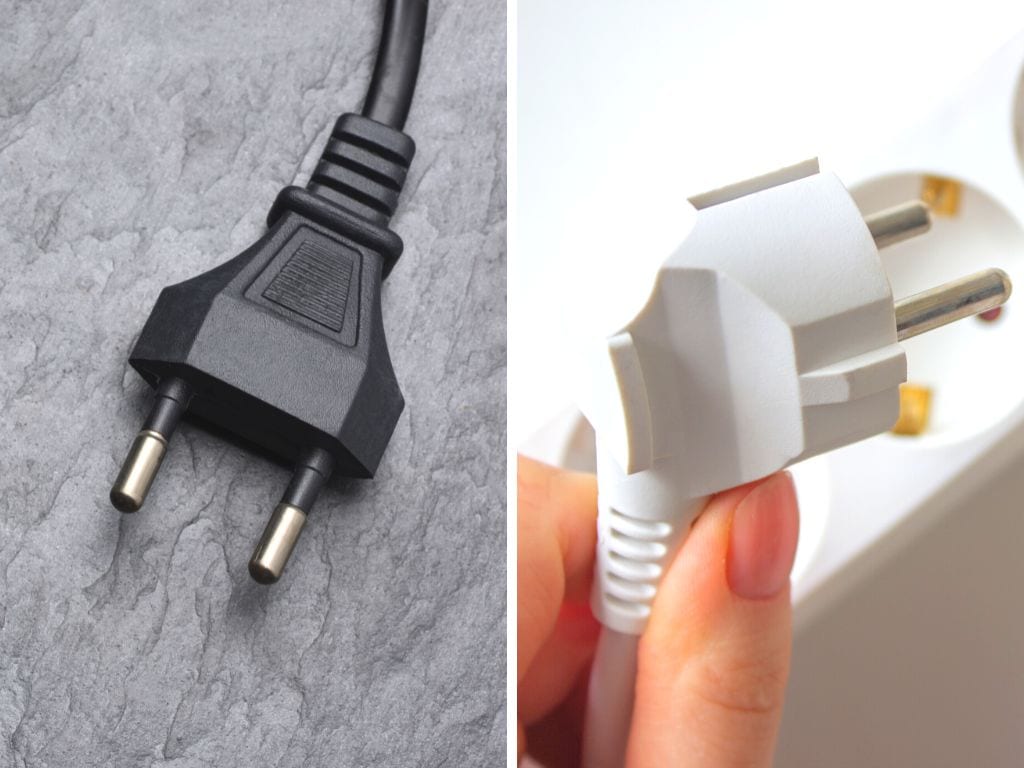
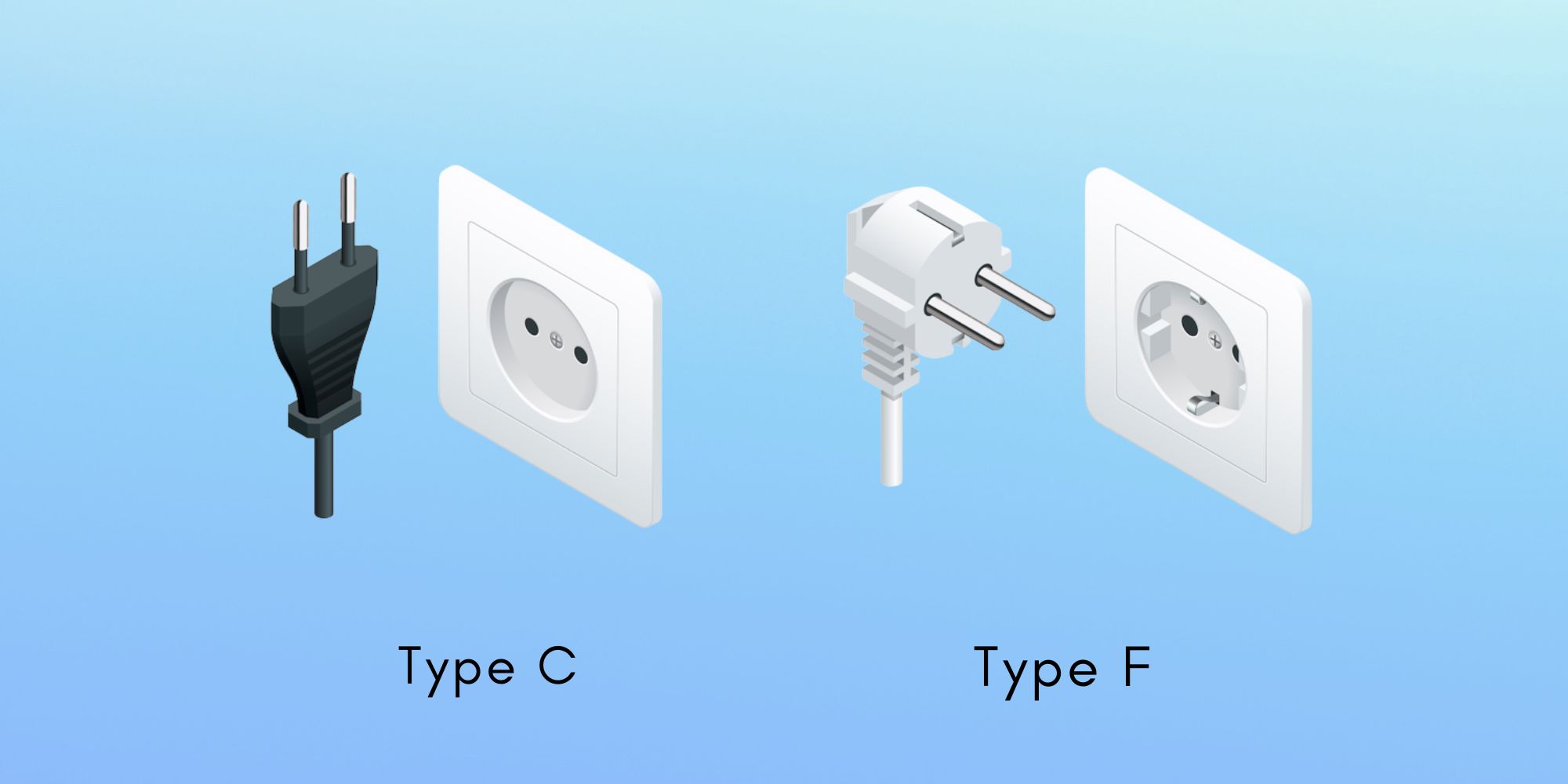
The main event when it comes to Turkish plug sockets is the Type F plug. Now, you might not know its fancy name, but you've probably seen it. It's that round one with two round pins. It's also known as the Schuko plug, which sounds kind of like a sneeze, doesn't it? Gesundheit! But in the world of electricity, it’s a big deal.
Why is it called Schuko? Well, it’s short for the German word Schutzkontakt, which basically means "protective contact." Pretty clever, right? It's designed to be safe, with grounding clips on the sides that fit into corresponding slots in the socket. This adds an extra layer of safety, which is always a good thing when you're dealing with electricity. It’s like the socket giving your plug a gentle hug to make sure it’s secure and happy.
So, if you’re coming from countries like Germany, Austria, the Netherlands, Spain, Portugal, or even many Scandinavian nations, you'll be right at home. Your plugs will likely just slot right in. It’s like showing up to a party where everyone speaks your language – instant comfort!
What About the UK and the US?
Now, for my friends hailing from the UK, Ireland, or even those who are used to the big, flat pins of North America (USA, Canada, Mexico), this is where things get a little more interesting. Your plugs are different! They’re not going to magically fit into the Turkish sockets. It’s like trying to put a square peg in a round hole, but for electricity.
For the UK folks, you're used to the Type G plug, that sturdy three-pin beast. And for the North Americans, it's the Type A or B, with those iconic flat blades. These are physically incompatible with the Type F sockets in Turkey. So, what do you do? Don't panic! This is where the magic of travel adapters comes in.
The Mighty Travel Adapter: Your Electronic Wingman
Think of a travel adapter as your electronic wingman. It’s the essential sidekick that bridges the gap between your gadgets and the local power outlets. You can find these little lifesavers pretty much everywhere – online, at airport shops, or in electronics stores.
For a UK traveler, you’ll need an adapter that takes your Type G plug and converts it to a Type F plug. For those from the US or Canada, you'll need an adapter that converts your Type A or B plug to a Type F. It’s a simple plug-and-play situation for the adapter itself. You plug your device into the adapter, and then you plug the adapter into the Turkish wall socket.
It’s like having a secret handshake for your electronics. You show the adapter the foreign plug, and it translates it perfectly for the Turkish socket. Easy peasy!
Voltage: The Other Crucial Piece of the Puzzle
But wait, there’s more to the electrical story than just the shape of the plug! We also need to talk about voltage. While the plug shape might be the same as in many European countries, the voltage in Turkey is generally 230V with a frequency of 50Hz. This is pretty standard across Europe.
So, if you’re coming from the UK (230V), you’re generally in the clear. Your devices are likely designed to handle this. But if you’re coming from North America, where the standard voltage is 120V, this is where you need to pay close attention. Using a device designed for 120V on a 230V outlet without the right converter can lead to, shall we say, a very dramatic and smoky farewell for your beloved gadget. It’s like trying to drink a shot of espresso when you're only used to herbal tea – it might be a bit too much!
Most modern electronics, like smartphone chargers, laptop chargers, and camera chargers, are usually dual voltage. They have a little label on them that says something like "INPUT: 100-240V ~ 50/60Hz". If your device has this, it means it can handle both lower and higher voltages. All you’ll need is a simple plug adapter to change the shape. Hooray for smart design!
However, for things like hairdryers, curling irons, or electric shavers that aren't dual voltage, you might need a voltage converter in addition to the plug adapter. These are a bit bulkier and more expensive than simple adapters. They actually "convert" the voltage. So, check your device's label carefully. It’s a small step that can save you a big headache (and a fried phone!).
Why is this Even Interesting?
You might be thinking, "Okay, so I need an adapter. Big deal." But honestly, it's more than just practicality. It's a little reminder of our interconnected world. Think about it: the Type F plug, also known as Schuko, is used in so many countries. It's like a common language for electricity. It shows how countries can collaborate on safety standards and make things easier for international travelers and businesses.
It’s also a chance to appreciate the ingenuity of engineers who design these systems. They're not just about getting electricity from point A to point B; they're about doing it safely and efficiently. And for us, as travelers, it's a small piece of knowledge that makes our journey smoother. It’s like knowing a secret handshake before you go to a new club – it makes you feel a little more confident and prepared.
So, next time you’re packing for Turkey, or any other destination, take a moment to think about your plugs. It's not just about the shape; it's about understanding a tiny but vital part of the global infrastructure that powers our modern lives. And who knows, maybe you'll even start noticing plug sockets wherever you go, a silent observer of the world's electrical connections. Happy travels, and may your gadgets always find a friendly socket!