
What Papers Do I Need To Sell My Car
So, you've decided it's time to wave goodbye to your trusty (or maybe not-so-trusty!) four-wheeled friend. Exciting, right? Selling a car can feel like a big step, a bit like sending your kid off to college, except, you know, with less crying and more paperwork. But don't sweat it! Most of the time, it's a pretty straightforward process. Think of it like preparing for a fun road trip; you just need to pack the right essentials.
The big question on everyone's mind is: "What papers do I actually need to sell my car?" It's a common query, and honestly, it's not as intimidating as it sounds. It's all about having the right documentation to prove you're the rightful owner and that your car is ready for a new adventure. Let's break it down, shall we? We're going to navigate this together, like a scenic route with surprisingly few pot-holes.
The Undisputed MVP: Your Car's Title
Okay, let's start with the rockstar of the show: the Certificate of Title. This is essentially the "birth certificate" of your car. It's the legal document that proves you are the owner. Without it, you're pretty much stuck. It's like trying to sell your house without the deed – not gonna happen!
Your title will have all sorts of important details: the car's Vehicle Identification Number (VIN), your name as the owner, and sometimes a history of previous owners. Make sure it's clean and free of any liens. A lien is like a financial placeholder, usually from a loan you took out to buy the car. If you still owe money on it, your lender will typically hold the title until the loan is paid off. So, first things first: find your title. It might be tucked away in a safe, a filing cabinet, or maybe you have a digital copy. Wherever it is, dig it out!
If, by some chance, your title has gone rogue and is lost in the Bermuda Triangle of your home, don't panic! You can usually get a duplicate from your state's Department of Motor Vehicles (DMV) or equivalent agency. It might take a little time and a small fee, but it's definitely doable. Think of it as a minor detour on your selling journey.
The Supporting Actor: Your Driver's License
This one's pretty obvious, but it's crucial. You need to prove you are who you say you are, and your driver's license is the go-to for that. When you meet a potential buyer, especially if they're coming to your place, they'll want to see your ID. It adds a layer of trust and security for everyone involved.
![What Documents Do I Need to Sell My Car? [2024 Guide]](https://carplus.co.uk/magazine/what-documents-do-i-need-to-sell-my-car/image6.png)
It's also important for the paperwork itself. When you sign over the title and any other necessary documents, your signature needs to be verifiable. Your driver's license does just that. So, make sure it's current and you have it handy.
The Peacekeeper: A Bill of Sale
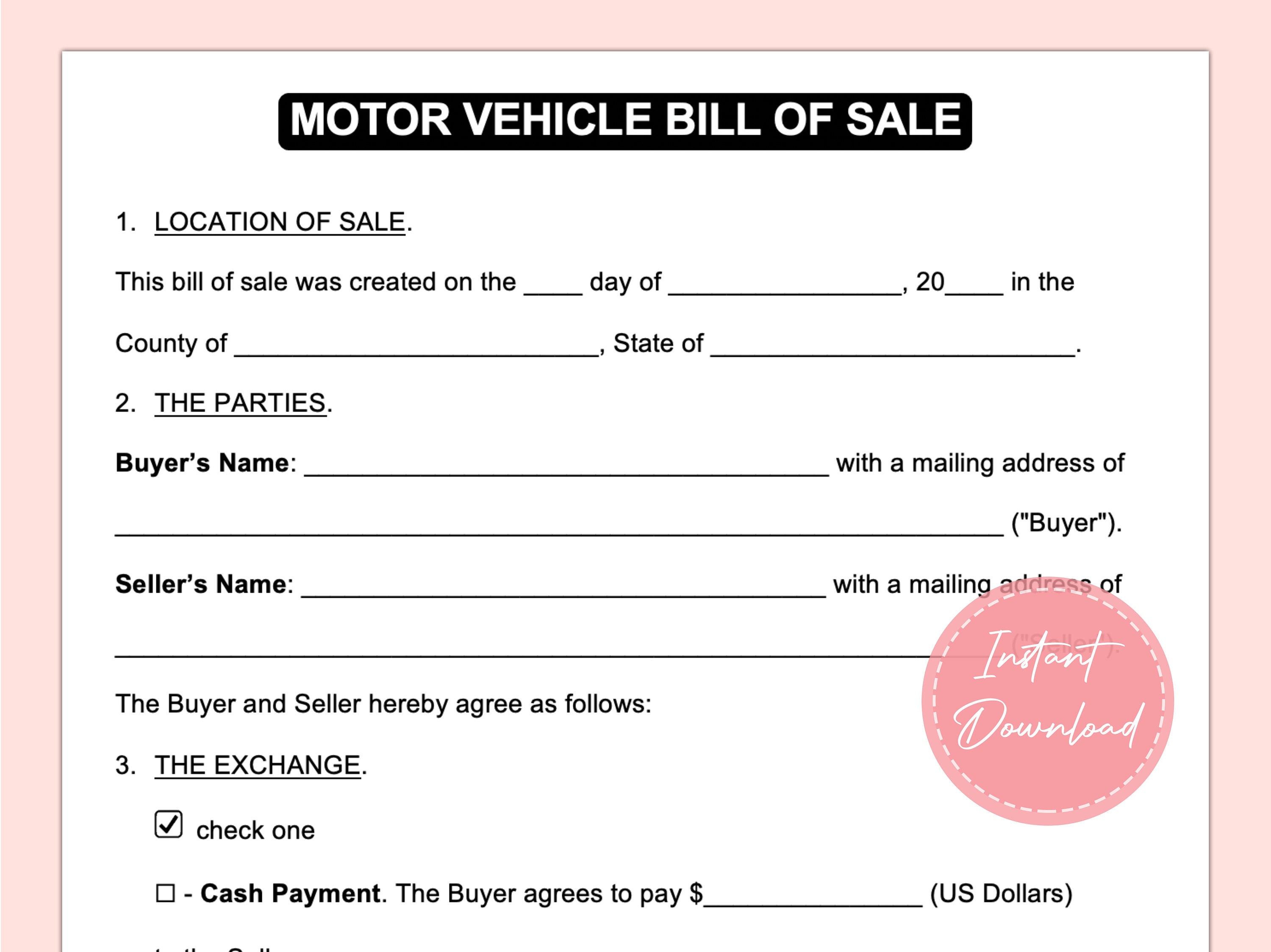
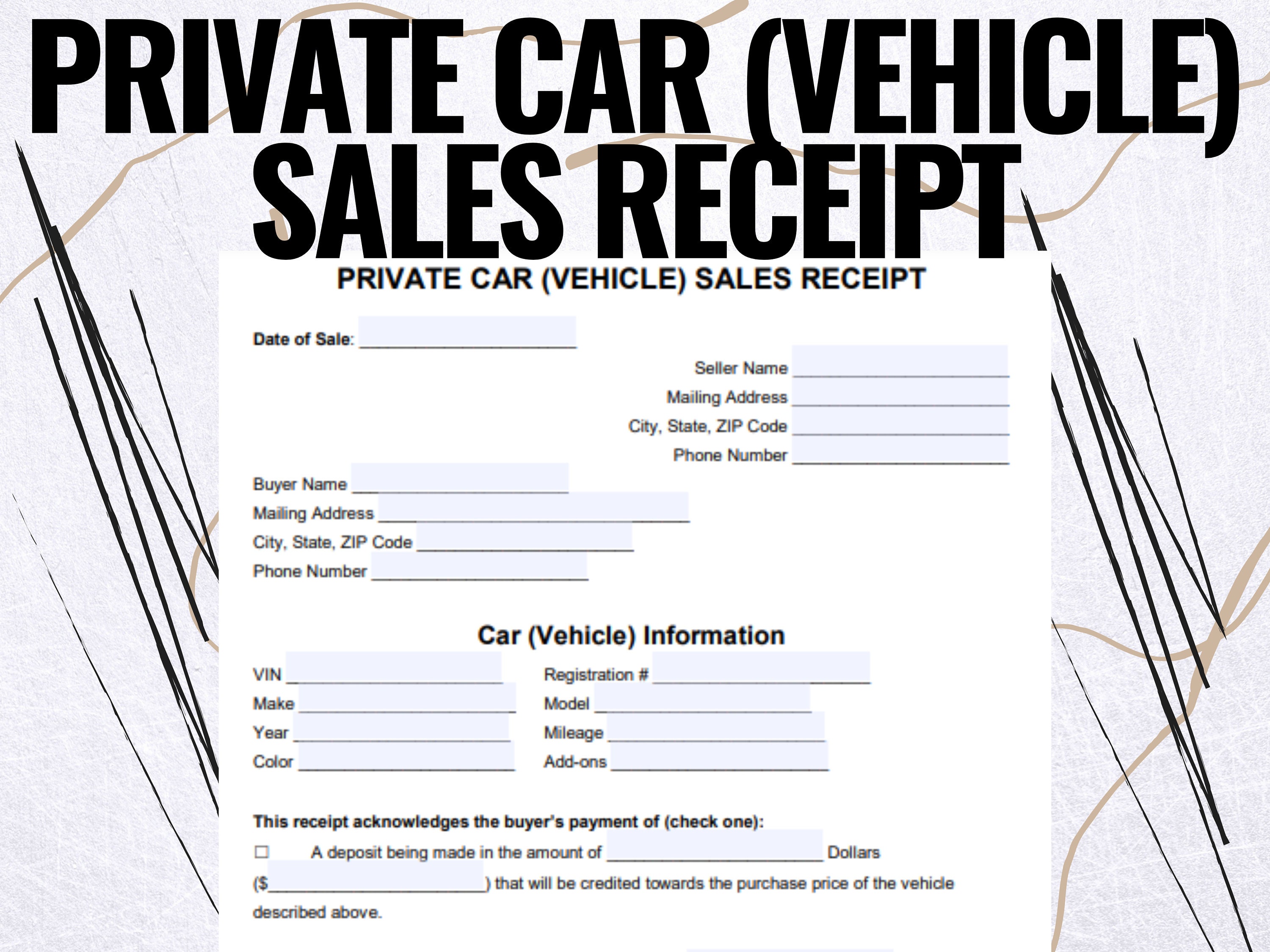
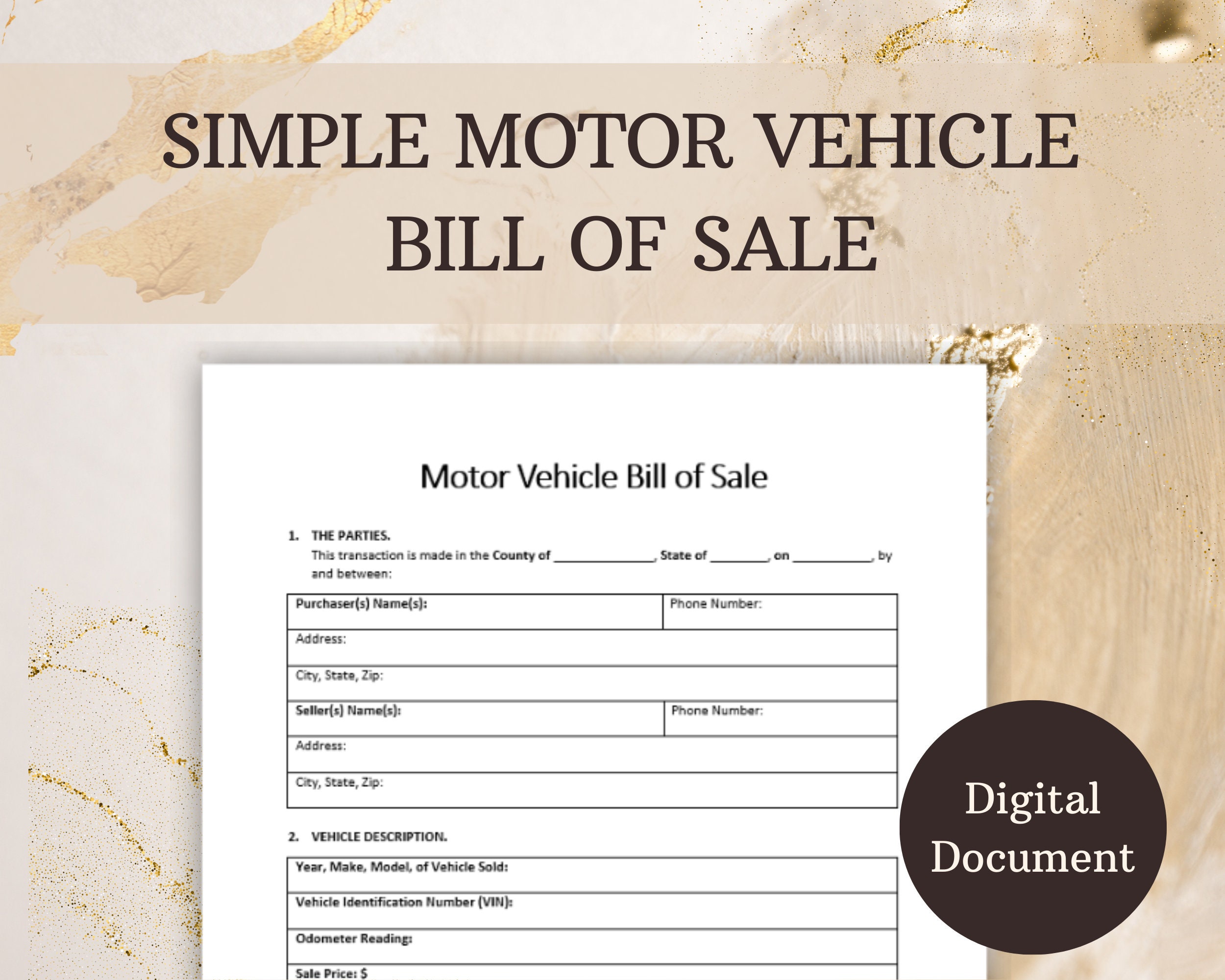
Now, let's talk about the Bill of Sale. This is like a receipt, but for a car. It’s a written agreement between you (the seller) and the buyer that details the transaction. It's super important because it records key information and protects both parties. What should it include? Think of it as a little contract of your car's farewell party.
You'll want to include:
- The date of the sale.
- The buyer's name and address.
- Your name and address.
- The car's year, make, and model.
- The Vehicle Identification Number (VIN).
- The selling price.
- The mileage at the time of sale.
- A statement that the car is being sold "as-is." This is a biggie! It means you're not offering any warranties or guarantees after the sale. It's like saying, "She's all yours, good luck!"
- Signatures from both you and the buyer.
Many states have official Bill of Sale forms you can download from their DMV websites. Or, you can easily find templates online. Having this document signed and dated is like having a signed confession that the car is now in new hands and you've fulfilled your part of the deal. It's a really good idea to have a copy for your records, and of course, the buyer will want one too.
The Essential Extras: Registration and Maintenance Records
While not always strictly required by law to complete the sale, having your car's registration handy is a good idea. It shows the car has been legally registered in your name. Plus, a buyer might want to see it. It's another piece of the puzzle that confirms legitimacy.
And then there are the maintenance records. Oh, these are like the car's diary! If you've been diligent about oil changes, tire rotations, and all those other "doctor's appointments" for your car, these records can be a huge selling point. Buyers love to see that a car has been well-cared for. It's like showing off your kid's excellent report cards!
Think about it: would you rather buy a car with a spotless service history, or one where you have no idea when the last oil change was? Exactly. So, if you have them, dig out those invoices and receipts. They can help you get a better price and make the sale much smoother. It shows pride of ownership!
What About the Lien Release?
Remember that lien we talked about earlier? If you had a loan on the car and have fully paid it off, you'll need proof. This is usually a lien release form provided by your lender. This document officially states that the debt has been satisfied and the lien on the title is removed.
If your lien has been paid off, but you haven't received the lien release yet, contact your lender ASAP. You'll need this to transfer a clean title to the buyer. Without it, the buyer might be hesitant, or the title might still show the previous lienholder, which is a big no-no for a smooth transaction.
Are There Any Other "Must-Haves"?
Generally, the papers we've covered are the core requirements for most private car sales. However, it's always a smart move to check with your local DMV or equivalent agency. Laws can vary slightly from state to state, and they'll have the most up-to-date information.
Some states might require a vehicle inspection certificate or an emissions test certificate before a car can be sold or registered by a new owner. This is usually to ensure the car meets certain safety and environmental standards. It's like a final exam for your car before it graduates to a new home!
If you're selling the car to a dealership, they might handle a lot of the paperwork on their end. But even then, you'll still need your title and your ID. It's always better to be prepared.
The Takeaway: Keep it Simple and Organized
Selling your car doesn't have to be a bureaucratic nightmare. By gathering these key documents – your title, driver's license, a well-prepared Bill of Sale, and any relevant maintenance records or lien releases – you're setting yourself up for a successful and stress-free sale. Think of it as decluttering your life, and giving your car a chance to make someone else happy. So, take a deep breath, get organized, and get ready for your car's next chapter!