
What Paint To Use For Wood Furniture
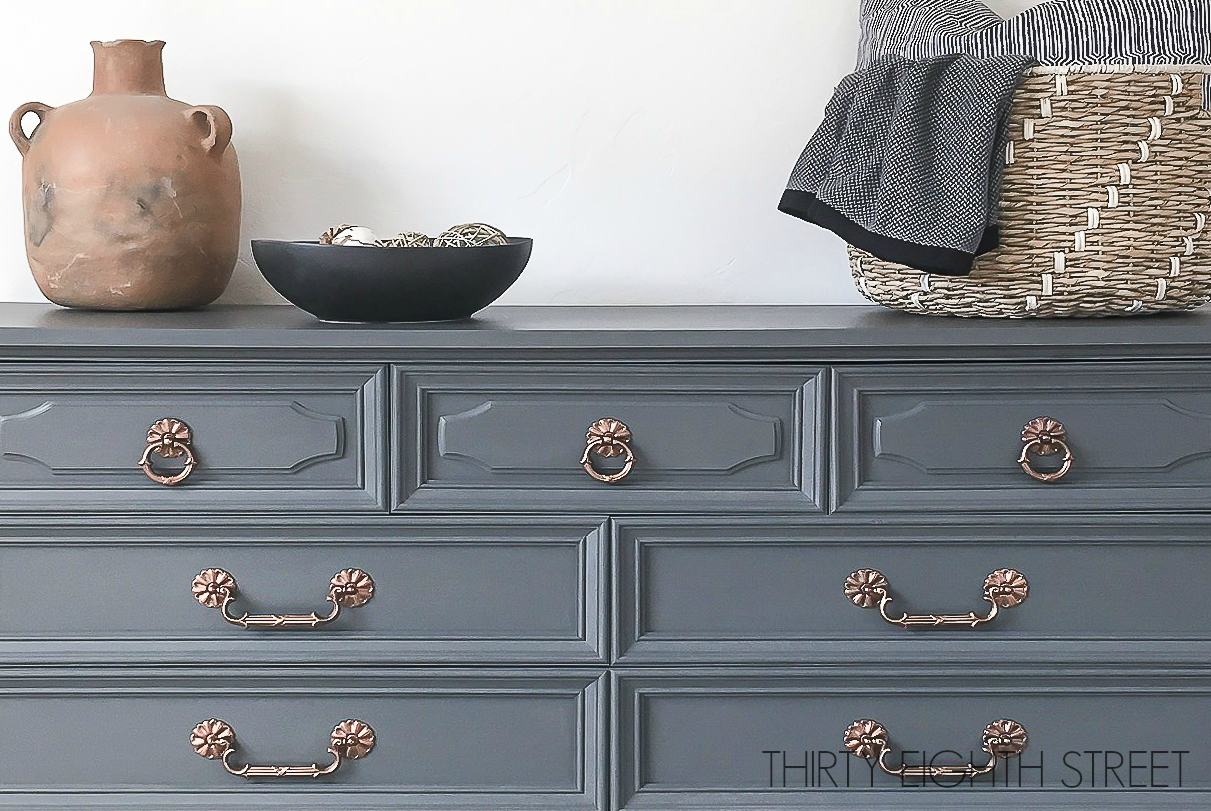
So, you’ve got this piece of wooden furniture. Maybe it’s that trusty old coffee table that’s seen countless late-night snacks and spirited board game sessions. Or perhaps it's a beautiful dresser that’s been passed down through the family, holding secrets and sweaters alike. Whatever its story, it’s looking a little… tired. Or maybe you’re just dreaming of a fresh new vibe for your space. Whatever the reason, you’re thinking about paint. And that, my friends, is where the fun begins!
Now, before you grab the nearest can of anything that looks vaguely colorful, let’s chat. Choosing the right paint for your wooden furniture isn’t just about slapping on a coat of color. It’s about giving your beloved pieces a new lease on life, making them not only beautiful but also durable enough to handle whatever life throws at them. Think of it like choosing the right outfit for a special occasion. You wouldn’t wear your gardening clothes to a wedding, right? Same idea here!
The Big Question: What Paint Should I Use?
Alright, let’s dive into the nitty-gritty. The world of paint can seem a bit overwhelming, but we’re going to break it down into simple, smile-inducing bits. The most common and generally easiest-to-use paints for wood furniture are latex-based paints and alkyd-based paints (often called oil-based paints, though modern formulations can be a bit more nuanced).
Latex Paints: The Easy-Peasy Crowd-Pleaser
When most people think of painting furniture, they’re often thinking of latex. And for good reason! Latex paints are fantastic for a few key reasons.
First off, they’re super easy to work with. Think of them like your favorite comfy sweatpants – reliable, familiar, and just plain pleasant to be around. They clean up with just soap and water, which, let’s be honest, is a lifesaver after a day of painting. No need for harsh solvents or a trip to the hazmat suit store!
Latex paints also dry relatively quickly. This means you can get that second coat on before your coffee gets cold, or before the kids decide your freshly painted chair is their new masterpiece canvas (we’ve all been there, haven’t we?).
Now, what kind of latex are we talking about? For furniture, you’ll usually want to look for acrylic latex paint. This is where the real magic happens. Acrylic latex paints are known for their durability and flexibility. They’re less prone to cracking than some older types of latex paint. This is important because furniture, unlike a wall, gets bumped, nudged, and sometimes even used as a footrest (shhh, we won't tell!).
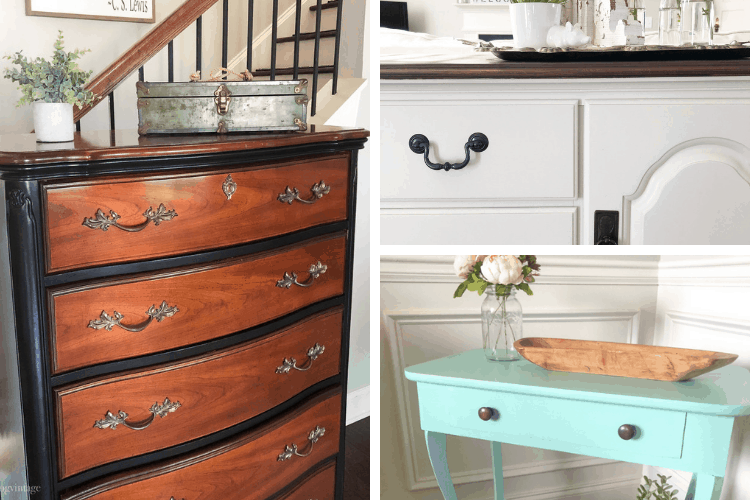
You’ll find latex paints in all sorts of finishes, from super-matte to high-gloss. For furniture, a satin or semi-gloss finish is often a sweet spot. Satin is elegant and has a soft sheen, while semi-gloss offers a bit more shine and is generally easier to wipe clean. Think of a satin finish like a perfectly ironed linen shirt – sophisticated but not stiff. A semi-gloss is more like a polished leather jacket – chic and practical!
Pro Tip: When choosing a latex paint, look for formulas specifically labeled for "furniture" or "cabinetry." These are often formulated for extra hardness and a smoother finish.
Alkyd (Oil-Based) Paints: The Tough Guy with a Smooth Finish
Then there are the alkyd or oil-based paints. These guys are the workhorses of the paint world. If you want a rock-solid, super-durable finish that can withstand a bit of a beating, alkyd paints are your go-to.
Alkyd paints are known for their incredible hardness and smooth, often glossy finish. They level out beautifully, meaning you’re less likely to see brush strokes, which can be a real plus if you’re aiming for that factory-perfect look. Imagine giving your dining table a coat of this; it’ll be ready to handle dinner parties, homework sessions, and the occasional spilled glass of juice with grace.
:max_bytes(150000):strip_icc()/priming-1-5c1970e546e0fb000128e81d.jpg)
However, and here’s the catch, they’re not as beginner-friendly as latex. Cleanup for alkyd paints requires mineral spirits or paint thinner, which can be a bit more… involved. Think of it as needing a special cleaning kit rather than just running the brush under the tap.
They also tend to have a stronger odor and take longer to dry. So, if you’re painting in a small, unventilated space, or if you’re impatient like me waiting for the pizza delivery, this might not be your first choice.
That said, the durability and smooth finish of an alkyd paint can be absolutely worth the extra effort, especially for high-traffic pieces like kitchen cabinets or heavily used tables.
Beyond the Basics: Specialty Paints for Special Needs
While latex and alkyd are the main players, the world of paint has gotten pretty exciting! You might also stumble upon:
Chalk Paint: The Rustic Charm Specialist
Ah, chalk paint! This has become a darling for DIYers, and for good reason. Chalk paint is famous for its ultra-matte, velvety finish and its ability to adhere to almost any surface with minimal prep. You can often skip sanding and priming altogether, which is a huge win for those of us who view sanding as a form of polite torture.

It’s perfect for achieving that shabby-chic, vintage, or farmhouse look. Think of it as giving your furniture a soft, aged hug. You can distress it easily for an even more antique feel. Imagine your old bookshelf suddenly looking like it walked out of a quaint antique shop!
The downside? It’s not the most durable finish on its own. You must seal it with a wax or a polycrylic topcoat to protect it. So, while the initial painting is a breeze, there’s an extra step to ensure its longevity.
Milk Paint: The Old-School Charmer
Similar to chalk paint in its ability to create a vintage look, milk paint is another fantastic option. It often has a beautiful, authentic matte finish and can even be mixed with a bonding agent to ensure it adheres well, or used without it to achieve a chippy, aged look. It’s like embracing the beautiful imperfections of time!
Like chalk paint, it typically requires a topcoat for protection.

Mineral Paints: The Modern Eco-Warrior
These are newer on the scene but gaining popularity. Mineral paints are often low-VOC (volatile organic compounds), making them a more eco-friendly choice. They tend to be very durable, with a beautiful matte to satin finish, and often require minimal prep. Think of them as the sophisticated, earth-loving cousin to the other paints.
Why Does It Matter Which Paint You Choose?
Okay, so we’ve talked about what to use, but why should you actually care? Let’s get real.
Choosing the right paint ensures your beautiful furniture doesn't end up looking like a toddler’s art project gone wrong after a week. It means your coffee table can handle the accidental spill of red wine without staining permanently. It means your dresser drawers will glide open smoothly, not stick because the paint became too brittle and chipped.
It's about longevity and aesthetics. A well-chosen paint job will not only make your furniture look fantastic but will also protect it, extending its life and keeping it looking good for years to come. Think of it as an investment in your home’s charm and functionality. Your furniture works hard for you, holding your books, your dishes, your clothes – it deserves a paint job that’s as hardworking and beautiful as it is!
So, next time you look at that piece of wood furniture yearning for a makeover, remember this: the paint you choose is more than just color. It’s the protective shield, the style statement, and the promise of many happy years to come. Happy painting!