
What Number Should Your Fridge Be On
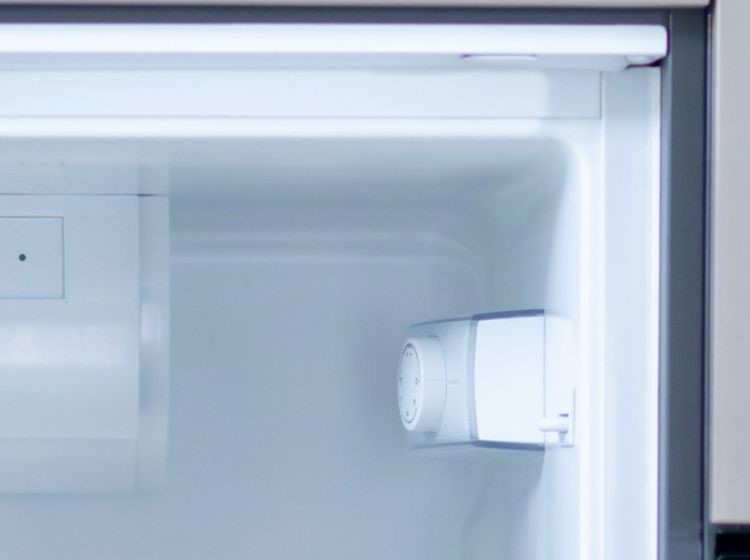
Ever stared at your refrigerator's temperature dial, a mysterious array of numbers or symbols, and wondered... what's the deal? It might seem like a small, everyday detail, but getting your fridge temperature just right is surprisingly satisfying and incredibly useful. Think of it as giving your food the best possible vacation home – a cool, safe, and delicious place to hang out until you're ready to enjoy it!
For the newbie cook, understanding your fridge's sweet spot is all about preventing food waste. No one wants to toss out perfectly good produce or milk that went bad too soon. Setting the right temperature ensures your groceries last longer, saving you money and a little bit of guilt. For busy families, this translates to fewer last-minute grocery runs and more confidence that the food you're packing for lunches is safe and fresh. And for the aspiring home chef or hobbyist, a correctly chilled fridge is a blank canvas for culinary creativity. Imagine perfectly crisp vegetables for your salad, beautifully chilled cream for your dessert, or even the ideal temperature for proofing sourdough starter – all thanks to a dialed-in fridge!
So, what's the magic number? Most refrigerators operate on a scale from 1 to 5, or sometimes 1 to 7, with higher numbers meaning colder. For the vast majority of us, the sweet spot is usually around a 3 or 4 on that scale. This typically translates to an internal temperature of around 35-40°F (1.7-4.4°C). This range is cool enough to slow down bacterial growth, keeping your food safe, but not so cold that it freezes delicate items like lettuce or milk.
Now, variations exist. If your fridge has a separate freezer compartment, you might have a different dial for that. The freezer should be at 0°F (-18°C) to keep things frozen solid. Some newer, fancier fridges even have digital displays where you can set the exact temperature in degrees. If you’re in a particularly hot climate, you might find yourself nudging your fridge's dial up a notch (to a 4 or even 5) to compensate for warmer ambient temperatures. Conversely, in a cooler environment, a 3 might be perfectly sufficient.

Getting started is super simple. First, locate the temperature control. It's often found inside the refrigerator compartment, sometimes behind a crisper drawer or on the back wall. If you're unsure, a quick peek at your fridge's manual (or a quick online search for your model) will reveal its hiding place. Next, adjust the dial to a 3 or 4. Then, the most important step: give it time! It can take up to 24 hours for the temperature to stabilize. After that, use a fridge thermometer (they're inexpensive and readily available) to check the internal temperature. If it's within the 35-40°F range, you're golden!
Mastering your fridge's temperature dial might not be rocket science, but the payoff in fresher food, less waste, and the quiet satisfaction of a well-managed kitchen is truly delightful. It’s a simple tweak that brings big benefits, making your everyday life just a little bit cooler and a whole lot tastier!