
What Number Should A Fridge Be On Uk
Ever stared into your fridge, a symphony of whirring sounds and questionable leftover aromas, and wondered, "Am I getting this right?" It's a surprisingly common thought, and one that taps into a little nugget of domestic bliss – keeping your food just as it should be. We’re not just talking about preventing that rogue carrot from turning into a science experiment; it’s about unlocking the full potential of your grocery shop, saving a few quid on your energy bill, and generally feeling like a kitchen wizard. So, let's dive into the surprisingly fascinating world of fridge temperatures, specifically for us folks here in the United Kingdom.
You might be thinking, "Fridge temperature? Isn't it just a knob I spin until it feels cold enough?" Well, yes and no! While that might have been the approach for generations of fridge owners, in today's world of precision, efficiency, and, let's be honest, wanting our strawberries to stay gloriously plump, there's a sweet spot. And the quest for that sweet spot is what makes this a fun little mission for any home cook, busy parent, or even the student who’s just mastered boiling an egg. It's about bringing a little bit of order to the chaos of the kitchen, and when you nail it, you’ll feel a small, yet satisfying, sense of accomplishment. Plus, who doesn't love a good 'did you know?' fact to drop at your next dinner party? (Just try not to bore everyone with it!) This isn't just about numbers; it's about the delicious science of keeping your food fresh and safe.
The Magic Number Revealed: What's the UK Sweet Spot?
So, drumroll please! For those of us living in the UK, the universally recommended and most beneficial fridge temperature is between 1°C and 4°C. That’s right, a narrow little window of deliciousness! Think of it as Goldilocks's perfect porridge – not too cold to freeze your lettuce into brittle shards, and not too warm for those pesky bacteria to start throwing a party.
Why this specific range? It’s all about slowing down the growth of harmful bacteria. At temperatures above 4°C, bacteria can multiply rapidly, significantly reducing the shelf life of your food and increasing the risk of food poisoning. On the flip side, going much below 1°C risks freezing your food, which can alter its texture and nutritional value. For example, delicate leafy greens can turn mushy, and milk can develop an icy crust. So, the 1-4°C sweet spot is the perfect balance for keeping your food safe, fresh, and tasting its best.
The Superpowers of a Perfectly Chilled Fridge
What’s in it for you? More than you might think!

- Food Safety First: This is the big one. Keeping your fridge within the recommended temperature range is crucial for inhibiting the growth of bacteria like Salmonella and Listeria. This means your family is less likely to get sick from spoiled food. It's like having a silent, invisible bodyguard for your groceries!
- Say Goodbye to Sad Veggies: Ever pulled out limp celery or a slimy cucumber? A fridge that's too warm is the culprit. The correct temperature helps to maintain the crispness and vitality of your fruits and vegetables, meaning you waste less and enjoy tastier produce. Imagine your salads staying gloriously crisp!
- Extend the Lifespan of Your Groceries: This is where you’ll see the direct impact on your wallet. When food is kept at the optimal temperature, it simply lasts longer. This means fewer emergency trips to the supermarket and less food ending up in the bin. Every little bit saved adds up!
- Taste Bud Triumph: Freshness isn't just about safety; it's about flavour. Keeping your milk at the right temperature means it tastes… well, like milk! Fresh berries retain their vibrant taste and texture, and your leftover curry doesn't take on that ‘fridge flavour’ that can sometimes creep in.
- Energy Efficiency Hero: A fridge that's constantly struggling to stay cold because it's set too high will use more electricity. Conversely, one that's set too low might be overworking itself too. Finding that sweet spot means your fridge is working efficiently, which is good for your energy bills and for the planet. It's a win-win!
How to Find Your Fridge's Happy Place
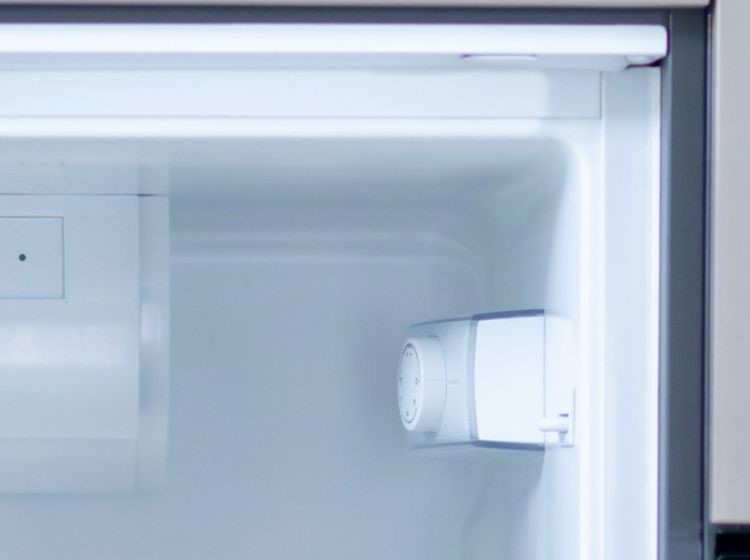
Most modern fridges come with a dial or digital display. These often use a numbered system, but the numbers themselves are rarely universal. A ‘1’ on one fridge might be much colder than a ‘1’ on another. This is where a simple fridge thermometer comes in handy. They are inexpensive and readily available from most supermarkets or homeware stores.
Simply place the thermometer inside your fridge, wait a few hours (or even overnight for the most accurate reading), and check the temperature. If it's outside the 1-4°C range, adjust the dial accordingly. You might need to do a bit of trial and error. If it’s too warm, turn the dial to a colder setting (usually a higher number, but check your manual). If it’s too cold, turn it to a warmer setting (usually a lower number).

Don’t forget to check the temperature in different areas of your fridge, as some models have slightly warmer or colder spots. The door is usually the warmest part, so avoid storing highly perishable items like milk there if you can. And remember, opening the door frequently will also cause the temperature to fluctuate, so try to be quick and organised when grabbing your items!
So there you have it! The seemingly small detail of your fridge’s temperature can have a significant impact on your life. It’s a simple adjustment that leads to safer food, less waste, better taste, and even a slightly lighter electricity bill. So, go forth, armed with your knowledge (and perhaps a handy thermometer), and conquer the chilly depths of your refrigerator!