
What Motorbike Can I Ride With A Cbt
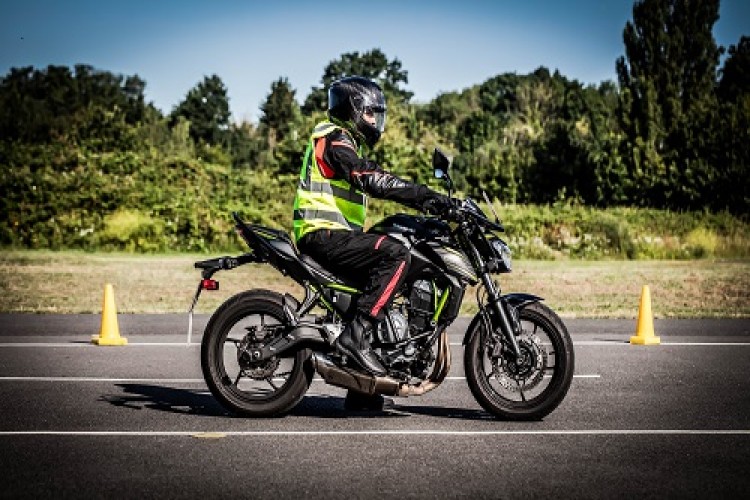
So, you've passed your CBT – congratulations! That little certificate, officially known as a Compulsory Basic Training certificate, is your golden ticket to the two-wheeled world. It’s the first step into a realm of freedom, wind in your hair (under a helmet, of course!), and a whole new perspective on your daily commute. But now the big question looms: with this piece of paper in hand, what exactly can you ride? Let’s dive into the exciting possibilities, all with a chill, laid-back vibe.
Think of your CBT as a beginner's license for motorcycles and scooters. It’s designed to give you the basic skills and knowledge to ride safely on the road. Once you’ve got it, a whole spectrum of smaller-capacity machines opens up. It’s not quite the roaring Harley Davidson dream yet, but trust us, it’s an incredibly fun and practical place to start. We’re talking about machines that are nimble, economical, and perfect for zipping through city streets or taking on scenic country lanes.
The main restriction with a CBT is the engine size. You can ride any motorcycle or scooter with an engine of up to 125cc. That’s the magic number. This applies whether you're riding on 'L' plates (which you'll need to display until you pass a full test) or if you’ve opted for a provisional license and are sticking with CBT privileges. So, whether you’re after a sleek scooter for urban exploration or a sporty-looking commuter bike, 125cc is your sweet spot.
Scooters: The Ultimate Urban Chums
Let's kick things off with the ever-popular scooter. If you’re picturing yourself gliding effortlessly through traffic, arriving at your destination cool and collected, then a scooter is probably your jam. They’re incredibly practical, offering under-seat storage – perfect for stashing your groceries, gym bag, or even a spare helmet. It’s like having a built-in backpack!
You’ll find a vast array of 125cc scooters out there, from the iconic Vespa, with its timeless Italian charm (imagine cruising along the Amalfi Coast, even if it’s just your local high street!), to more modern, sporty designs. Brands like Yamaha (think the XMAX 125), Honda (the PCX125 is a classic), Suzuki, and Kymco all offer fantastic 125cc options.
The beauty of a scooter lies in its simplicity. Twist-and-go automatic transmission means no fumbling with gears and clutches. You just open the throttle, and you’re off! This makes them exceptionally easy to get used to, especially if you’ve never ridden anything with two wheels before. They’re also incredibly fuel-efficient, making them a wallet-friendly choice for your daily grind. Plus, with the upright riding position, they're super comfortable for longer rides.
Fun Fact:
Did you know that the term "scooter" originally referred to vehicles with a step-through frame and a platform for the rider's feet? The design has evolved, but that core practicality remains!
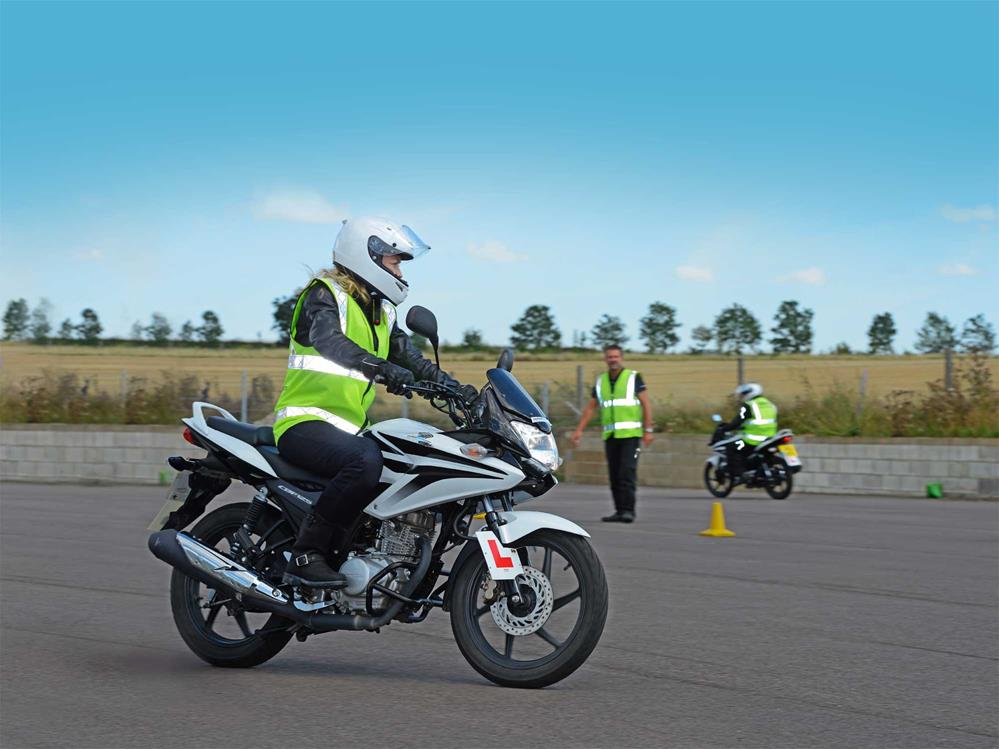
When looking at scooters, consider your needs. Are you primarily navigating city streets? A smaller, more agile scooter might be best. Do you plan on occasional longer journeys? A slightly larger 125cc scooter with a more substantial fairing for wind protection could be a better fit.
Motorcycles: Unleash Your Inner Rider
If the scooter feels a little too "sensible" for your taste, and you crave the more traditional motorcycle experience, there are plenty of 125cc motorcycles that will get your adrenaline pumping (in a good, safe way, of course!). These bikes offer a more engaging riding experience, with gear changes and a riding position that puts you more directly in control.
The 125cc motorcycle market is incredibly diverse. You can find everything from learner-legal versions of iconic sports bikes to stylish retro-styled machines and practical naked bikes. Brands like Yamaha (YZF-R125, MT-125), Honda (CBR125R, CB125F), Suzuki (GSX-S125), Kawasaki (Ninja 125), and KTM (125 Duke) offer fantastic entry-level motorcycles.
Sports bikes, even in their 125cc form, offer a more aggressive riding position and sharp handling, making them a blast on twisty roads. Think of them as mini superbike trainers. Naked bikes, on the other hand, are more stripped down, offering a more upright and relaxed riding posture. They’re often a great all-rounder, comfortable for commuting and still fun for weekend rides.
Retro or "classic" styled 125cc motorcycles are also incredibly popular. These bikes often draw inspiration from the golden age of motorcycling, with their spoked wheels, round headlights, and often chrome accents. They’re stylish, comfortable, and offer a more laid-back riding experience. Brands like Royal Enfield (their 350cc models are technically out of reach, but they have smaller concepts that sometimes appear), Mutt Motorcycles, and even some of the bigger manufacturers offer these retro-flavoured options.
Cultural Nod:
The 125cc motorcycle has a rich history. Back in the day, it was the entry point for many aspiring racers and enthusiasts. Think of classic films where rebellious youths on 125s zip through the streets – it’s that sense of freedom and independence.
When choosing a 125cc motorcycle, consider the ergonomics. How does it feel when you sit on it? Can you comfortably reach the handlebars and controls? Are you able to put your feet flat on the ground when stopped? These factors are crucial for confidence and safety, especially when you’re starting out.
What About Power and Speed?
Now, let’s talk a bit about what you can expect in terms of performance. A 125cc engine typically produces around 15 horsepower. This is more than enough to keep you moving briskly in traffic, overtake slower vehicles when it’s safe to do so, and enjoy yourself on open roads. Top speeds generally hover around 60-70 mph, though this can vary depending on the bike, rider weight, and conditions.
It's important to remember that while 125cc bikes are fun, they’re not designed for sustained high-speed motorway cruising. They excel in urban environments and on A and B roads. If you find yourself regularly needing to cover long distances at high speeds, you might want to consider progressing to a full motorcycle license in the future.
Beyond the Engine Size: Other Considerations
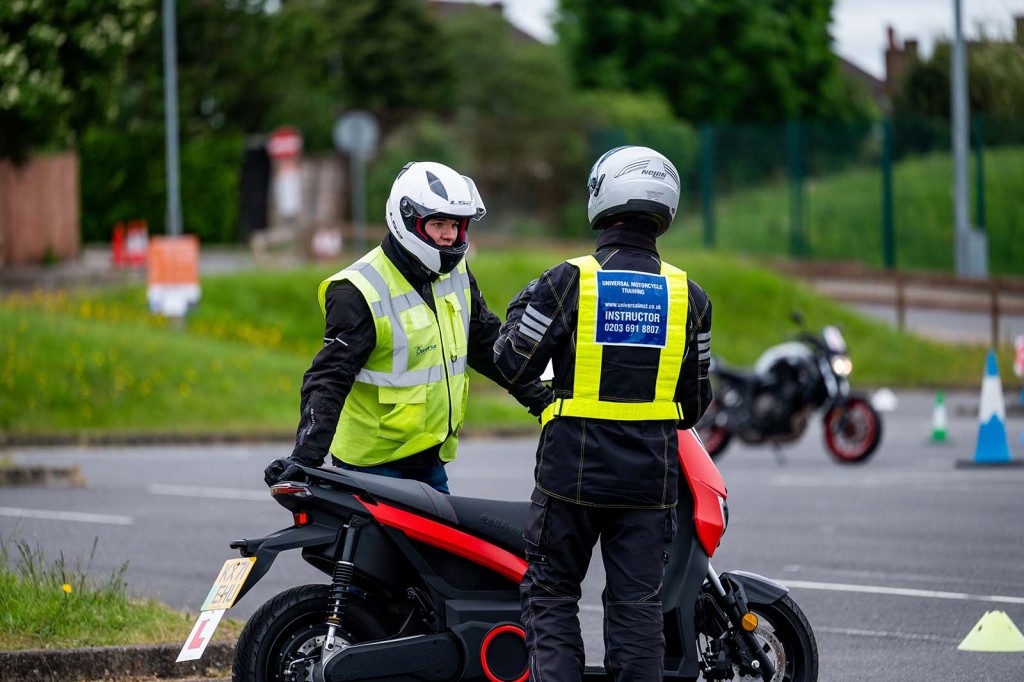
While 125cc is the primary engine size limitation, there are other things to bear in mind when you’re exploring your options. Your CBT also allows you to ride:
- Motor tricycles (three-wheeled vehicles) with an engine over 50cc and a maximum power of 15kW (approx. 20hp). These can offer a bit more stability and are an interesting alternative.
- If you are 17 years old, you can only ride a 125cc motorcycle or scooter.
- If you are 19 years old or over, you can ride a more powerful motorcycle (up to 47hp) after completing a specific “progressive access” test (A2 license). However, with just your CBT, you are still limited to 125cc.
It's always a good idea to check the latest regulations with the DVSA (Driver and Vehicle Standards Agency) or your local licensing authority, as rules can sometimes be updated.
Practical Tip:
When you’re looking at bikes, don’t just focus on the engine size. Consider the weight of the bike too. A lighter machine is generally easier to manoeuvre at low speeds and when parking.
Think about the type of riding you’ll be doing. Commuting? Leisure? A bit of both? This will help you narrow down whether a scooter or a motorcycle, and what style within that category, is the right fit for you. Don't be afraid to visit dealerships, sit on different bikes, and get a feel for them. A good salesperson will be happy to guide you through the options available for CBT holders.

The Joy of the Journey, Not Just the Destination
The beauty of starting on a 125cc is that it’s all about learning and enjoying the process. These bikes are forgiving, economical, and incredibly fun. They allow you to experience the sheer joy of riding without the overwhelm of a larger, more powerful machine. You’ll develop your skills, gain confidence, and really learn to appreciate the nuances of riding.
It’s a fantastic way to gain experience that will serve you well if you decide to go on to take further motorcycle tests. Many riders start on a 125cc and never look back, finding it the perfect tool for their needs. Others use it as a stepping stone, gaining valuable riding time before progressing to bigger bikes.
Fun Fact:
The first mass-produced motorcycle, the Hildebrand & Wolfmüller, was built in 1894 and had a top speed of around 28 mph!
When you're out on your 125, whether it’s a zippy scooter or a nimble motorcycle, you’re not just travelling from A to B. You’re experiencing your surroundings in a whole new way. The smells, the sounds, the feeling of the breeze – it’s a sensory experience that a car just can’t replicate. You become part of the environment, not just enclosed within it.
A Little Reflection
The decision of what motorbike to ride with a CBT isn't just about cc's and horsepower; it's about embracing a new way of moving through the world. It’s about that feeling of independence when you’re navigating traffic, the quiet satisfaction of finding a shortcut, or the sheer pleasure of a sunny afternoon ride. Even the mundane task of popping to the shops becomes an adventure. These 125cc machines, often underestimated, offer a gateway to a lifestyle that’s about freedom, practicality, and a touch of exhilarating simplicity. So, get out there, explore your options, and most importantly, enjoy the ride!