
What Is The Role Of Sculpture In Art
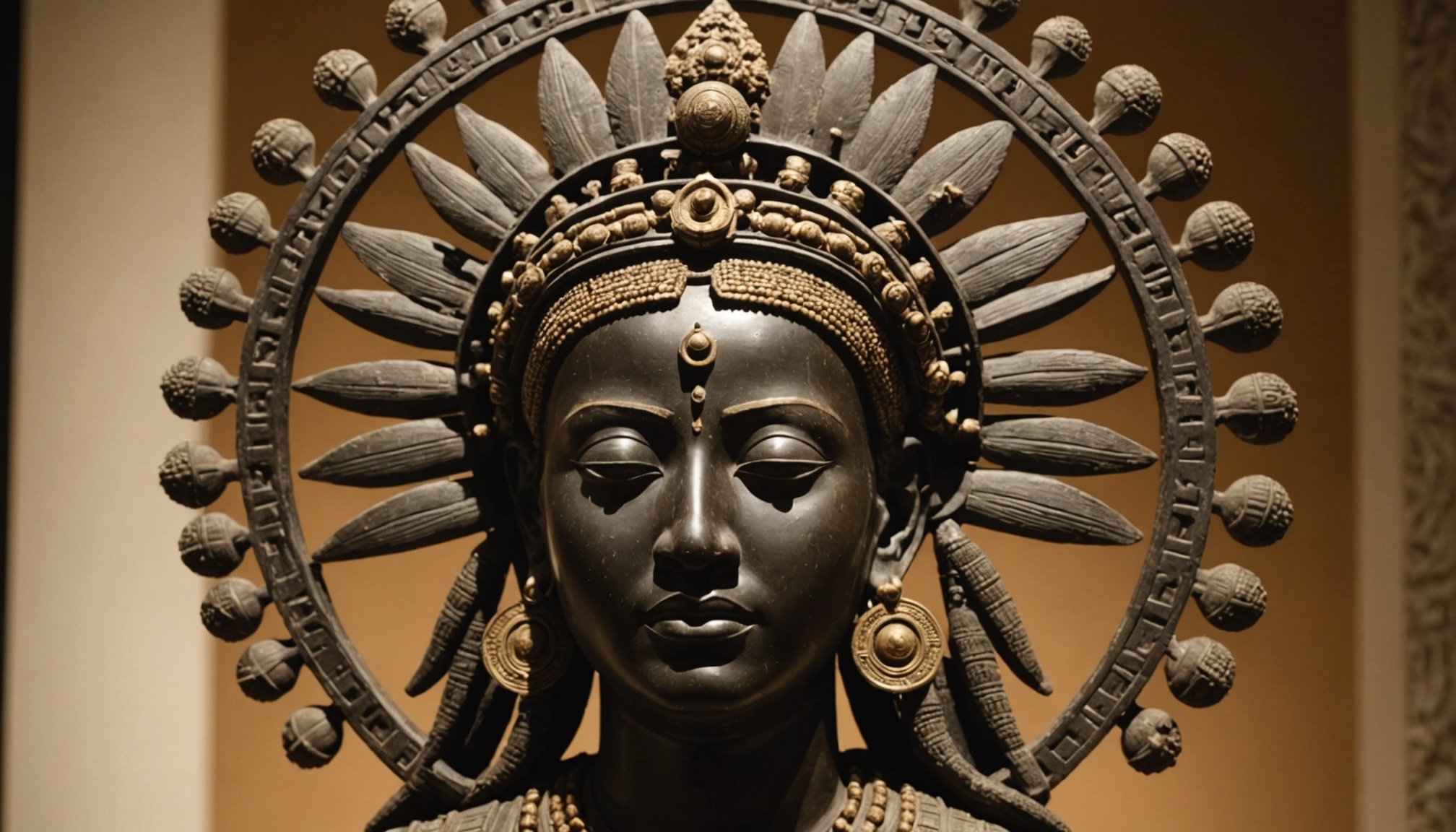
Ever walked through a park and stumbled upon a magnificent statue, or visited a museum and been captivated by a towering creation that seems to breathe life into its material? That’s the magic of sculpture, and understanding its role in art is like unlocking a secret door to a richer appreciation of the world around us. It’s not just about pretty shapes; sculpture is a fundamental pillar of artistic expression, and exploring it is surprisingly fun and incredibly rewarding!
Think about it: we live in a three-dimensional world. We interact with objects that have form, texture, and weight every single second of our lives. Sculpture, at its core, is art that occupies this same space. It’s art we can often walk around, feel (if allowed!), and experience from multiple angles. This inherent tangibility makes it incredibly relatable and immediately impactful. Unlike a painting that exists on a flat surface, a sculpture invites us to engage with it physically and spatially. This is why it’s so popular; it speaks to our primal understanding of reality and allows us to connect with art on a deeply physical level.
So, what exactly is the role of sculpture in art? It’s multifaceted and incredibly important. One of its primary roles is to give form to ideas and emotions. Artists use sculpture to translate abstract concepts into something concrete and visible. Whether it's the powerful stance of a warrior, the delicate curve of a dancer, or the unsettling angles of an abstract piece, sculpture can convey a vast range of human experiences. A perfectly carved marble figure might evoke a sense of timeless beauty and serenity, while a chaotic assemblage of found objects could express feelings of unease or societal fragmentation. It’s a language without words, speaking directly to our feelings and intellect.
Another crucial role is to explore the properties of materials. Sculptors are masters of transformation. They take raw, often humble, substances – from the unyielding strength of bronze and stone to the pliable nature of clay and wood, or even the unexpected qualities of plastic and metal – and imbue them with artistic intent. The very act of working with these materials, wrestling with their limitations and celebrating their strengths, is an integral part of the sculptural process. The texture of rough-hewn wood, the polished gleam of metal, the porous feel of terracotta – all these contribute to the artwork’s meaning and impact. It’s a dialogue between the artist and the medium.
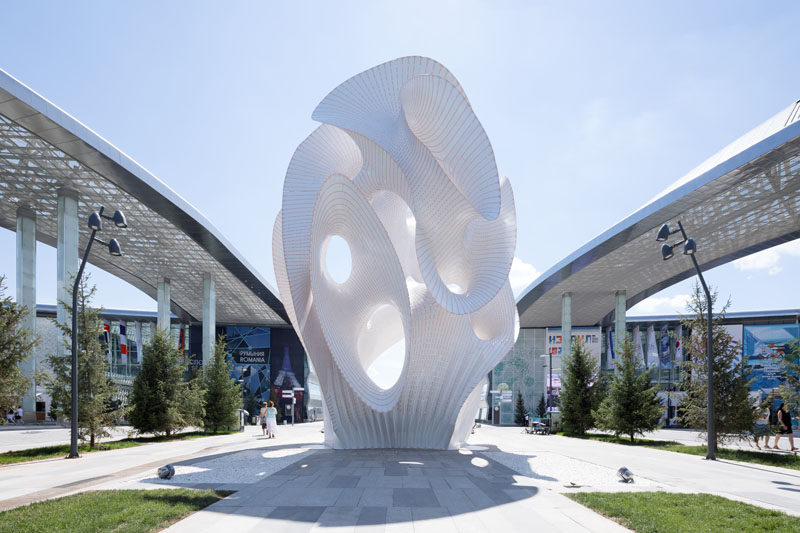
Sculpture also plays a vital role in shaping our environment and public spaces. Think of the grand monuments that grace city squares, the whimsical installations that liven up parks, or the architectural sculptures that adorn buildings. These works are not just decorative; they serve to commemorate history, celebrate cultural values, inspire civic pride, and provoke thought. A statue of a national hero can serve as a constant reminder of their legacy, while a contemporary public sculpture can spark conversations and inject dynamism into urban landscapes. They become landmarks, points of reference, and sources of collective identity. They transform sterile spaces into places of beauty and meaning.
"Sculpture is the art of the space. It is the art of the world. It is the art of the human being." – Michelangelo
Furthermore, sculpture has been a powerful tool for narrative and storytelling throughout history. From ancient reliefs depicting mythological tales to Renaissance altarpieces carved with biblical scenes, sculptures have served as visual chronicles. They allowed people, many of whom were illiterate, to understand stories, learn about their beliefs, and connect with their past. Even in contemporary art, abstract sculptures can suggest narratives, inviting the viewer to construct their own stories based on the forms and relationships presented. It’s a way of preserving and transmitting knowledge and culture across generations.

The role of sculpture also extends to its ability to challenge perceptions and push boundaries. Artists are constantly experimenting with scale, form, and materials to create works that surprise and provoke. A monumental sculpture that seems to defy gravity, or a delicate piece that appears impossibly fragile, can make us re-evaluate our understanding of the physical world and our place within it. Artists like Louise Bourgeois, with her monumental spider sculptures, or Anish Kapoor, known for his vast, immersive installations, constantly push the limits of what sculpture can be, forcing us to see familiar materials and spaces in entirely new ways.
Finally, and perhaps most importantly, sculpture offers a profound and often deeply personal experience of beauty and aesthetic pleasure. The sheer act of creating a three-dimensional form, of bringing something into existence from nothing, is an act of profound creativity. When we stand before a masterfully executed sculpture, we are moved by its form, its texture, its presence. It can evoke a sense of awe, wonder, and contemplation. It offers a moment of respite from the everyday, a chance to connect with something that transcends the mundane and touches the sublime. The role of sculpture, in essence, is to enrich our lives, to make us think, to make us feel, and to make us see the world with fresh eyes.