
What Is The Cause Of A Shank In Golf
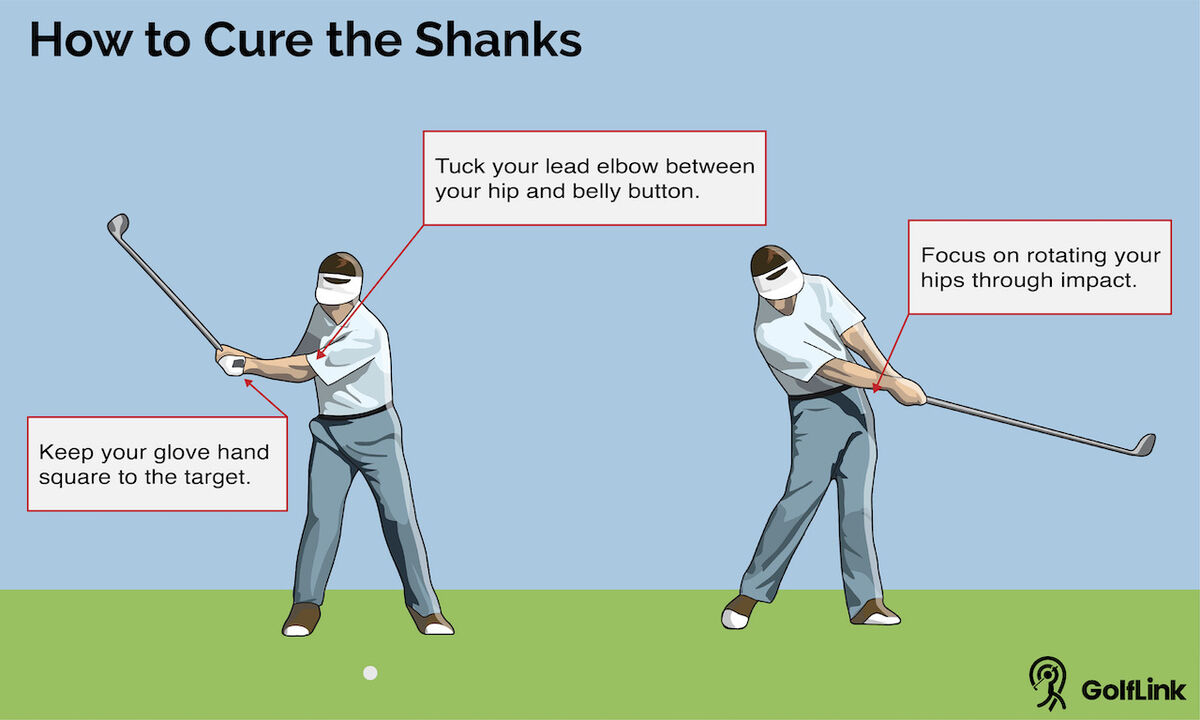
Ah, the golf shank. Just the word itself can send a shiver down the spine of any golfer, from the weekend warrior to the seasoned pro. If you’ve ever swung a club and ended up with a ball rocketing off sideways into a different postcode (or at least it felt like it!), then you’ve probably met the dreaded shank. It’s the golf equivalent of stubbing your toe really hard, or accidentally sending a perfectly good text message to your boss that was meant for your best mate.
So, what exactly is this mischievous beast, and why does it have such a powerful hold over our golf games? Let’s break it down in a way that’s less intimidating and a bit more… well, less likely to make you want to throw your clubs into the nearest water hazard.
The Anatomy of a Shank: Where Did I Even Hit That Ball?!
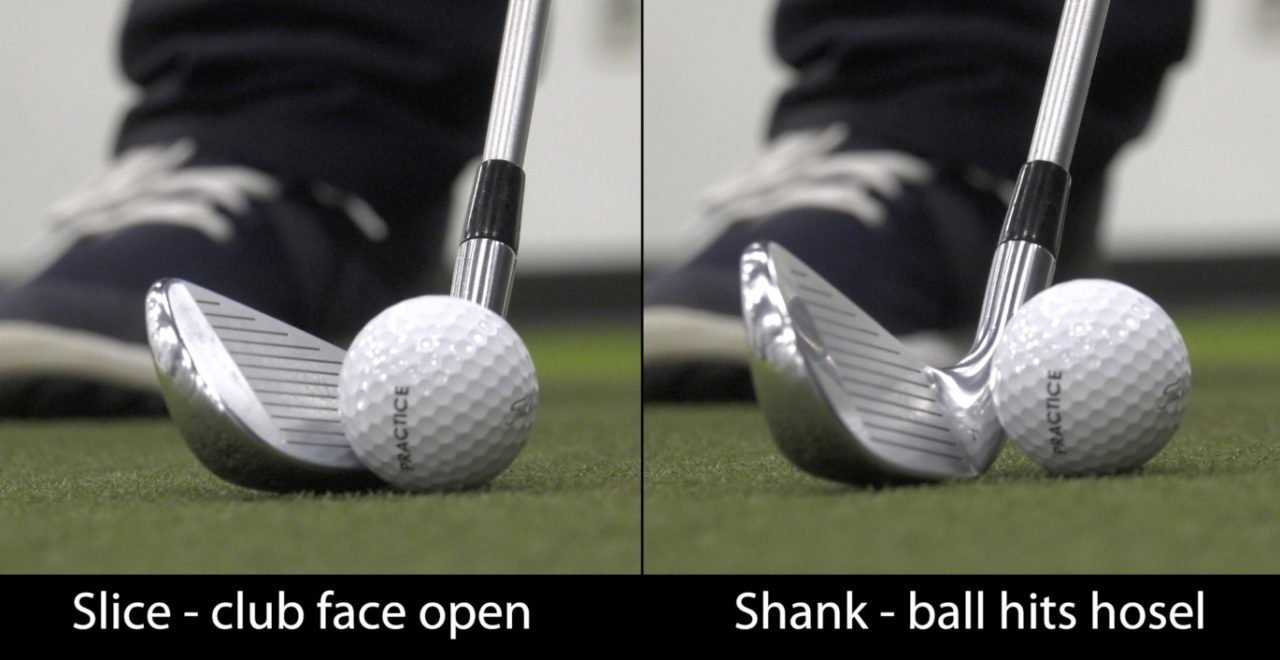
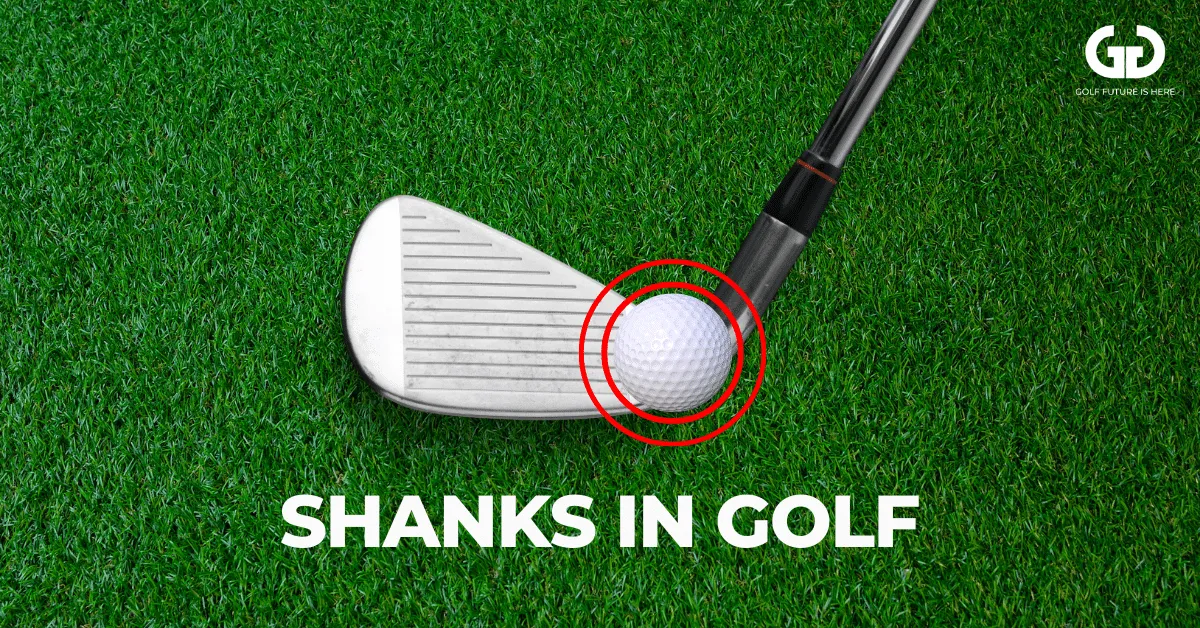
Imagine you’re trying to butter toast, right? You’ve got your knife, your perfectly browned slice of bread, and you’re aiming for that sweet spot in the middle. Now, imagine you accidentally scrape the edge of the knife against the side of the toast instead. That’s kind of what happens with a shank. In golf, the "toast" is the golf ball, and the "knife" is your golf club. The point where the clubface should be making contact with the ball is the sweet spot. The shank, on the other hand, is when you hit the ball way out on the hosel – that’s the part of the clubhead where the shaft joins the clubface. It’s like missing the toast entirely and hitting the cutting board!
When you strike the ball on the hosel, it doesn't just go straight. Oh no, that would be too simple. The impact sends the ball off at a sharp, unpredictable angle, usually towards the right for a right-handed golfer (or left for a lefty). It’s like a ricochet, a wild shot that often ends up in the rough, a bunker, or even someone’s picnic basket. And the sound? Well, it’s not the satisfying thwack of a good strike. It’s more of a jarring, unpleasant clank that echoes the misery in your soul.
Why, Oh Why, Does This Happen? The Usual Suspects
There isn’t one single villain responsible for shanks. It’s usually a cocktail of little things that go wrong, a perfect storm of bad golf karma. But we can identify some common culprits:

1. Getting Too Close for Comfort (and Contact)
Think about when you’re trying to pick up a tiny, dropped earring. You have to get pretty close, right? In golf, if your swing gets too cramped, too compact, you can end up physically bumping into the ball with the wrong part of the club. This usually happens because you’re trying to swing too hard, or you’ve lost your natural rhythm. It’s like trying to hug someone from too far away – it just doesn't work. Your arms might get too straight, or you might feel like you’re "stabbing" at the ball rather than swinging through it.
Imagine you’re trying to serve a big plate of spaghetti. If you lean over too much and get too close to the plate, you’re bound to spill some. In golf, if you get too physically close to the ball at impact, the hosel often takes the brunt of the hit.
2. The "Flippy" Wrist Syndrome
Our wrists are pretty important in golf. They help us generate power and control the clubface. But sometimes, under pressure, we can "flip" our wrists at impact. This is like trying to crack a whip by just flicking your hand instead of using your whole arm. When you flip your wrists, you can inadvertently pull the clubface in towards your body, making it much more likely for the hosel to connect with the ball.
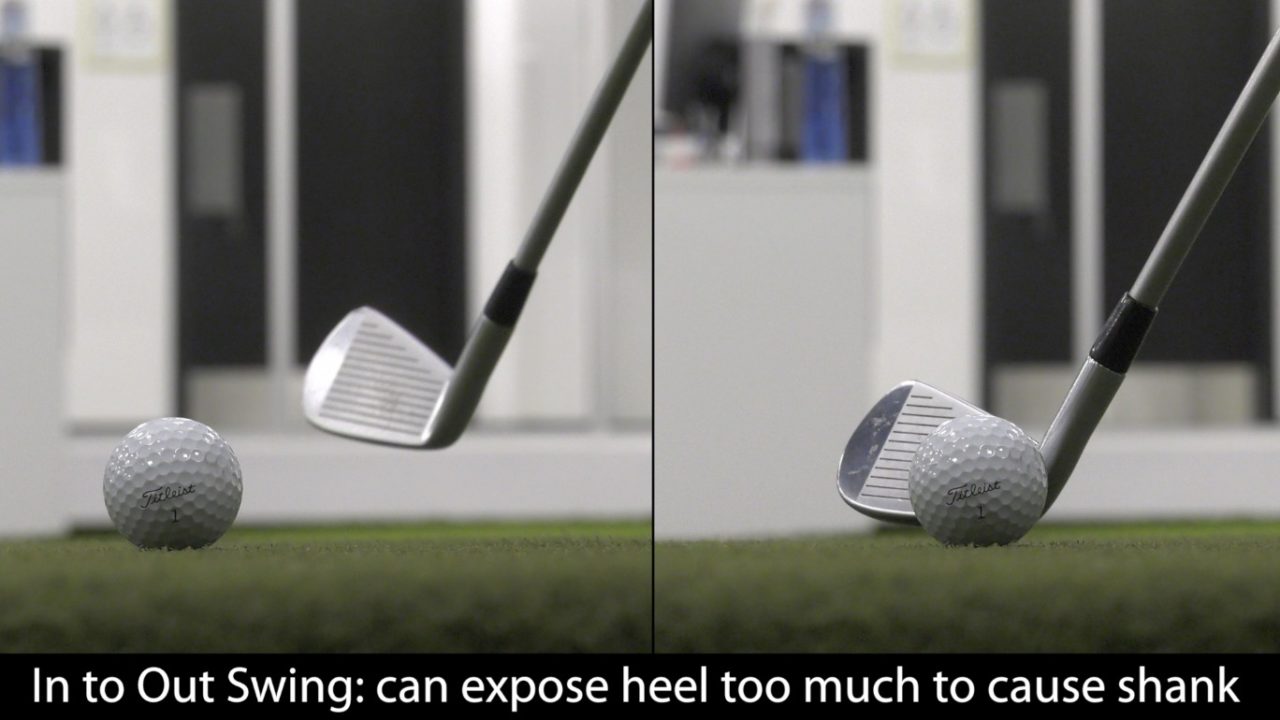
Think about trying to stir a thick pot of soup. If you just use your wrist, it’s hard work and not very effective. You need to use your whole arm. A proper golf swing uses a coordinated movement, not a desperate wrist flick.
3. Trying to "Scoop" or "Lift" the Ball
This is a common mistake for beginners. They think they need to lift the ball up into the air, like they’re scooping ice cream. But golf clubs are designed to hit down and through the ball. When you try to scoop, you can actually lose your connection to the ground and get your hands too far behind the ball at impact. This changes the angle of attack and can lead to that dreaded hosel shot.
It’s like trying to get a stubborn jar lid off by pushing down on it. You need to twist! In golf, the club’s loft and your swing motion are what get the ball in the air, not a scooping action.
4. Losing Your Balance and Your Arc
A good golf swing has a beautiful, consistent arc. It’s like a pendulum, swinging smoothly and predictably. But if you lose your balance – maybe you’re lunging at the ball or trying to help it along – that arc gets messed up. When the arc of your swing is compromised, the club can come into the ball from an unusual angle, and the hosel might be in the wrong place at the wrong time.
Imagine a dancer performing a graceful pirouette. If they lose their balance, the whole movement falls apart. Your golf swing is similar; it needs a solid foundation and a balanced, flowing motion.
5. The Mental Game: When Fear Takes Over
Let’s be honest, once you’ve shanked a few times, the fear of it can become a self-fulfilling prophecy. You start thinking about it, anticipating it, and that anxiety can completely mess up your swing. Your body tenses up, your mind races, and suddenly you’re trying to avoid the shank, which is often the quickest way to cause it!
It’s like being told not to think of a pink elephant. The more you try not to, the more you do! In golf, the more you obsess over avoiding the shank, the more likely you are to make a swing that leads to one.
Why Should You Care About the Dreaded Shank?
Beyond the immediate embarrassment of sending your ball on an unscheduled detour, understanding the shank is crucial for a few reasons:
- Improving Your Score: A shank is almost always a lost stroke, and often more than one. Learning to avoid them directly translates to a lower score.
- Building Confidence: When you understand why you’re making mistakes, you can start to fix them. This leads to more consistent shots and a much more enjoyable game. Imagine the feeling of knowing you’ve got a handle on that pesky shank!
- Enjoying the Game More: Golf is supposed to be fun, right? Constantly battling the fear of a shank can take all the joy out of it. When you can trust your swing, you can relax, enjoy the scenery, and actually focus on playing good golf.
- Becoming a Smarter Golfer: Understanding the mechanics of your swing, even the not-so-pretty parts like shanking, makes you a more informed player. You'll be better equipped to self-correct and have more productive conversations with your golf instructor.
So, the next time you’re on the course, try to remember these little insights. Don’t be afraid to laugh at yourself (we’ve all been there!), but also be aware of what might be happening in your swing. With a little understanding and practice, you can tell that pesky shank to take a hike, and get back to enjoying the beautiful game of golf. After all, there are plenty of other things in life to worry about, like what’s for dinner or whether you remembered to turn off the oven!