Hey there, fellow traveler! So, you're dreaming of Japan, huh? Awesome choice! It’s a place that’s got everything: ancient temples that’ll make you whisper "wow," bustling cities that buzz with a million tiny lights, and food so good it’ll make you want to write poetry. But the big question, the one that keeps many a wanderer up at night (or at least scrolling through endless travel blogs): When is the ABSOLUTE best time to visit Japan? Let’s spill the tea, or rather, the matcha, on this!
Now, let me tell you, there’s no single "perfect" answer, because Japan is pretty darn amazing year-round. It’s like asking your favorite ice cream flavor – it depends on your mood, right? But we can definitely break it down to help you find your sweet spot. So, grab a cup of something warm, get comfy, and let’s dive in!
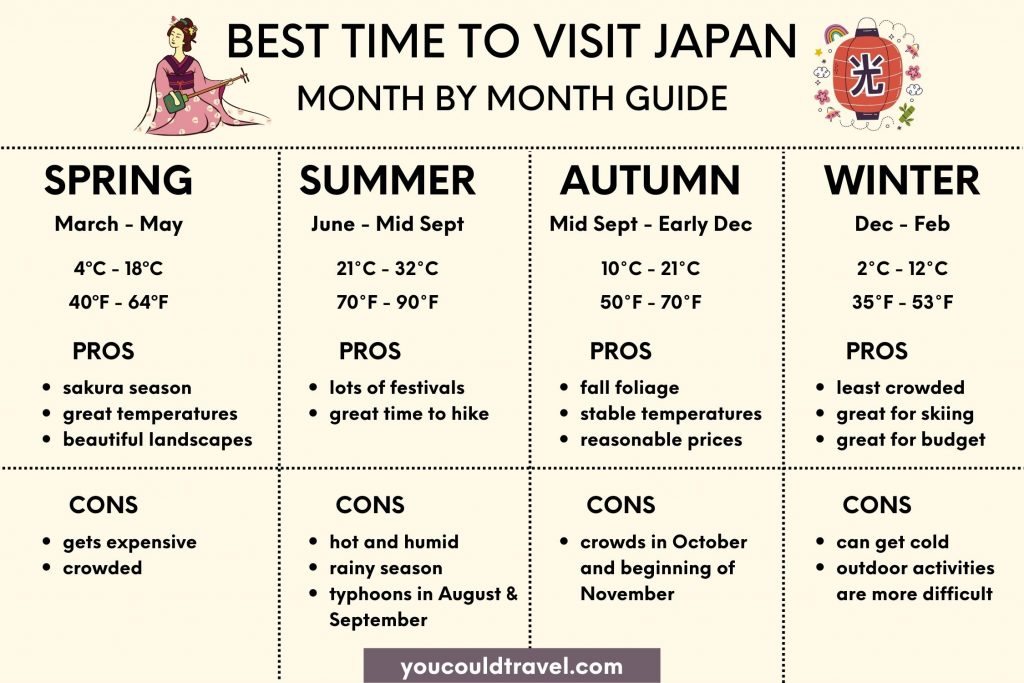
Spring: The Pink Explosion! (March to May)
Ah, spring. This is usually the one that pops into everyone’s head first, and for good reason. We're talking about sakura season – cherry blossom season! Imagine walking through parks, streets, and even along riverbanks, all blanketed in delicate pink and white flowers. It's like stepping into a real-life anime scene, I swear!
The weather during spring is usually mild and pleasant. Think perfect t-shirt weather during the day, maybe a light jacket for the evenings. It’s ideal for exploring ancient castles, wandering through bamboo forests, and generally just soaking up the beauty without feeling like you’re melting or freezing your socks off. Plus, the festivals are in full swing!
But here's the catch (and it's a big one): Sakura season is WILDLY popular. Like, insanely popular. This means crowds. Everywhere. If you’re someone who loves a buzzing atmosphere and doesn't mind sharing your views with a few thousand other people snapping selfies, then go for it! It’s truly a magical experience. But if you prefer a bit more breathing room, you might want to strategize.
The timing of the cherry blossoms also varies. They usually start in the south (think Okinawa in late January/early February – yes, it’s that early sometimes!) and move north, reaching Tokyo and Kyoto around late March to early April. Hokkaido gets them later, around May. So, if you're planning a spring trip, do your research on the specific bloom times for the regions you want to visit. It's a bit like chasing a rainbow, but way more delicious to eat when you get there (think sakura-flavored everything!).
Also, remember that because it's prime season, flights and accommodation book up FAST and are often more expensive. So, if spring is your dream, start planning and booking like, yesterday. Seriously. Your future self, enjoying that perfectly brewed green tea amidst the blossoms, will thank you.
Pros of Spring:
- Breathtaking cherry blossoms: Seriously, pictures don't do it justice.
- Pleasant weather: Not too hot, not too cold. Perfect for sightseeing.
- Vibrant festivals: Lots of cultural events happening.
Cons of Spring:
- Massive crowds: You'll be sharing your views.
- Higher prices: Flights and hotels will cost you more.
- Booking is essential: Get in early or miss out!
Summer: Heat, Humidity, and Fireworks! (June to August)
Now, let’s talk about summer. If you're a fan of warm weather and don't mind a little humidity (okay, maybe more than a little), then summer in Japan can be a blast. Think long, sunny days perfect for exploring the outdoors, hitting the beaches, or indulging in some serious summer festivals (matsuri!).
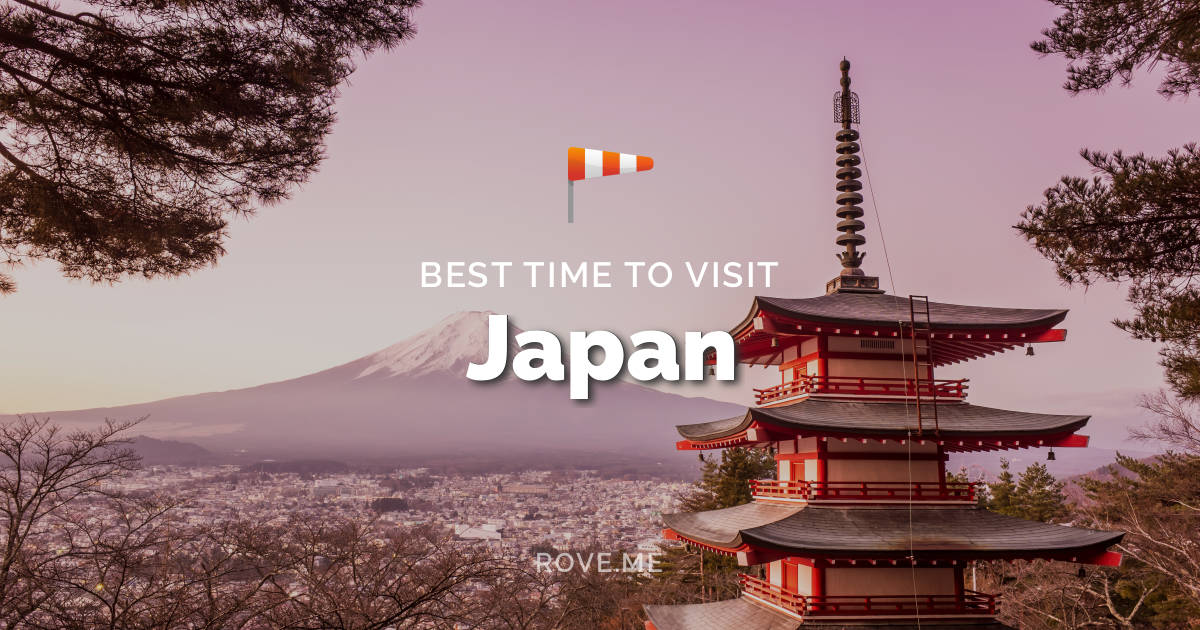
Best Time To Visit Japan 2024 - Weather & 112 Things to Do - Rove.me
Summer is a time of vibrant energy. You’ll see people everywhere in their colorful yukata (light cotton kimonos) at local festivals, complete with street food stalls selling everything from takoyaki to shaved ice. And the fireworks displays? Absolutely spectacular! These are some of the biggest and best you'll ever witness, lighting up the night sky over rivers and bays.
However, and this is a pretty significant "however," summer in Japan can be HOT and HUMID. Like, "sweat through your shirt the moment you step outside" hot and humid. Especially in cities like Tokyo and Osaka. You’ll want to stay hydrated, find air-conditioned havens (hello, department stores and cafes!), and maybe schedule your most strenuous activities for the cooler mornings and evenings.
June is also part of the rainy season (tsuyu), particularly in central and southern Japan. This means a lot of rain, often heavy but sometimes intermittent. While it might sound daunting, it can actually make things a bit more bearable by lowering the temperature slightly. Plus, it’s a great excuse to explore some of those amazing indoor attractions, like museums, galleries, and of course, endless shopping malls!
Despite the heat and potential rain, summer is a fantastic time to experience Japan’s unique summer culture. The energy is infectious, and the traditions are incredibly alive. Just be prepared to embrace the sweat!
Pros of Summer:
- Vibrant festivals and fireworks: Unforgettable summer experiences.
- Long daylight hours: More time for exploring.
- Beaches and mountains: Great for outdoor activities (if you can handle the heat!).
Cons of Summer:
- Extreme heat and humidity: Can be very uncomfortable.
- Rainy season in June: Expect lots of rain.
- Typhoon season: Late summer can bring typhoons, disrupting travel.
Autumn: Cozy Colors and Crisp Air! (September to November)
Okay, if spring is the showstopper, autumn is the sophisticated, effortlessly cool cousin. Fall in Japan is absolutely magical. We're talking about koyo – the stunning autumn foliage!
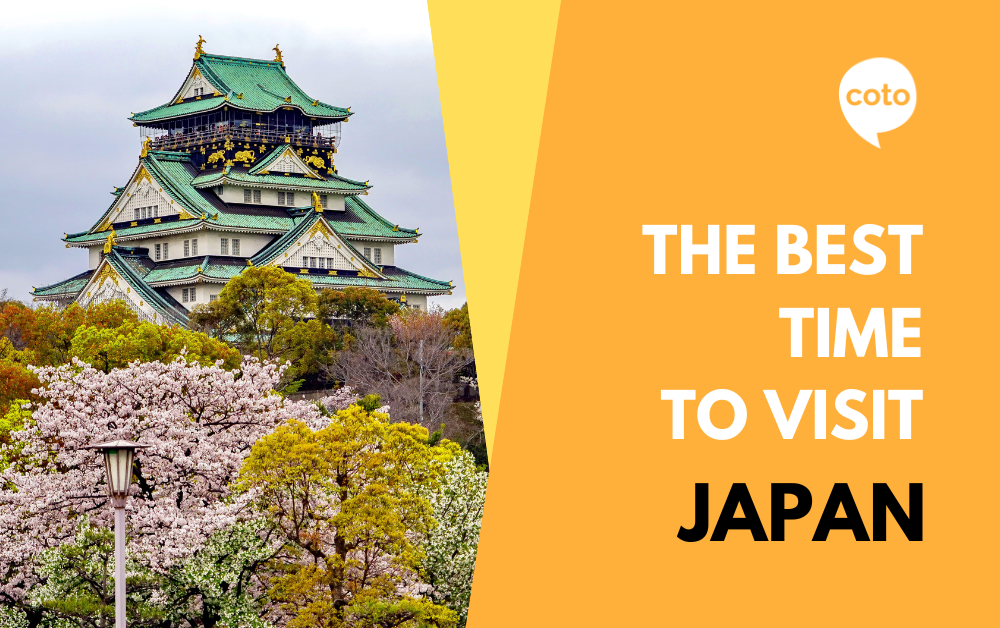
Best time to visit Japan: A Year-Round Guide to Seasonal Japan
Just like the cherry blossoms in spring, the leaves turn into a riot of fiery reds, vibrant oranges, and warm yellows. It’s a breathtaking spectacle that rivals the beauty of the sakura. Think of hiking through mountains ablaze with color, or strolling through temple gardens framed by these incredible hues. It’s romantic, it’s serene, and it’s just plain beautiful.
The weather in autumn is often described as perfect. The sweltering heat of summer is gone, replaced by crisp, cool air and clear, sunny skies. It’s the ideal temperature for sightseeing, walking, and enjoying all that Japan has to offer without breaking a sweat. Seriously, it’s hard to beat the feeling of a light sweater and a cool breeze while you’re exploring.
And guess what? Autumn isn't quite as mobbed as spring (though still popular, especially for koyo viewing spots). You'll find more breathing room, making it a fantastic time for those who want to experience a beautiful season without the extreme crowds.
The timing of the autumn colors also shifts from north to south, starting in Hokkaido in late September and reaching central Japan (like Kyoto and Tokyo) in mid-November. So, again, plan your route according to the foliage forecast if that's your main draw. Trust me, you'll want to catch those colors at their peak.
Food-wise, autumn brings delicious seasonal ingredients like mushrooms, chestnuts, and persimmons. It's a culinary delight!
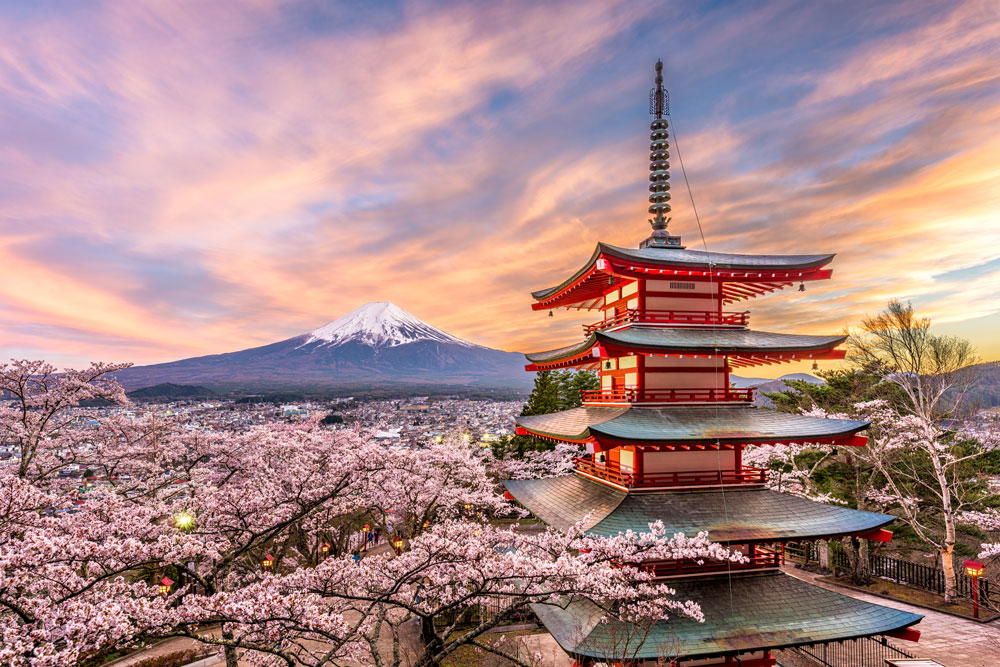
Best Time to Visit Japan: Which Season is Perfect for You?
Pros of Autumn:
- Stunning autumn foliage (koyo): A visual feast for the eyes.
- Ideal weather: Cool, crisp, and sunny. Perfect for exploring.
- Fewer crowds than spring: More elbow room to enjoy.
- Delicious seasonal food: Get ready for tasty treats.
Cons of Autumn:
- Still popular: Major koyo viewing spots can get busy.
- Early sunsets: Days get shorter as winter approaches.
Winter: Snow, Lights, and Cozy Comforts! (December to February)
Now, winter in Japan might not be the first thing that springs to mind for everyone, especially if you're not a fan of the cold. But hear me out! Winter has a unique charm that can be absolutely delightful, especially if you know where to look.
For starters, snow lovers rejoice! Japan gets some serious snowfall, especially in the northern regions and mountainous areas. Think of the Japanese Alps, places like Nagano and Hokkaido, which transform into winter wonderlands. Skiing, snowboarding, and even onsen (hot springs) in the snow are incredibly popular and offer a truly unique experience. Imagine soaking in a steaming outdoor bath while snowflakes gently fall around you. Pure bliss, right?
Cities also get a magical makeover in winter. Many places are adorned with stunning illuminations during December and January, turning parks and shopping districts into sparkling spectacles. It’s incredibly romantic and festive! Plus, New Year’s celebrations are a huge deal in Japan, with traditional ceremonies and a really special atmosphere.
The biggest perk of visiting in winter? Fewer crowds and lower prices! Except around the New Year holiday itself, you’ll find that flights and accommodation are generally more affordable, and you’ll have more space to yourself. It’s a great time to experience popular spots without the usual hustle and bustle.
The weather can be quite cold, especially in the north, with temperatures often dipping below freezing. So, pack those warm layers, a good coat, gloves, and a hat. But on the flip side, the air is often crisp and clear, offering amazing views.
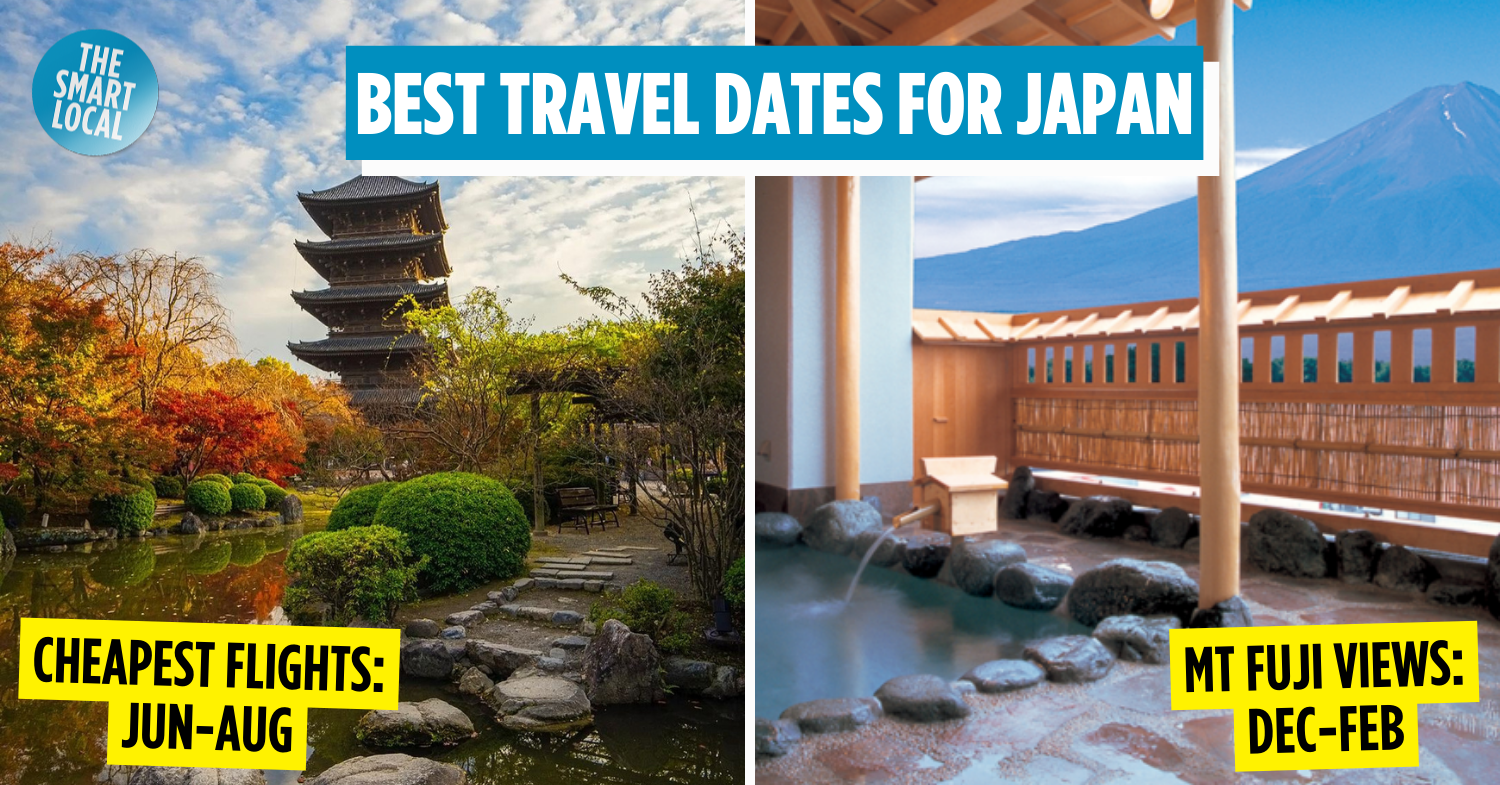
Best Times To Visit Japan Based On Seasons & Activities
If you’re traveling to the southern parts of Japan, like Kyushu or Okinawa, winter is much milder, more akin to a cool spring or autumn. So, you can have a winter trip without the intense cold if that’s not your thing.
Pros of Winter:
- Winter sports paradise: Skiing, snowboarding, and snow festivals.
- Beautiful illuminations: Magical festive lights.
- Fewer crowds and lower prices: More budget-friendly and peaceful.
- Unique onsen experiences: Soaking in hot springs in the snow.
- Traditional New Year celebrations.
Cons of Winter:
- Cold weather: You'll need to bundle up!
- Shorter daylight hours.
- Potential for travel disruptions due to heavy snow in some areas.
So, What's the BEST Time?
Alright, let's bring it all together. If you're asking me to pick one absolute best time… it’s tough! But if I had to choose, and you’re looking for that classic, picturesque Japan experience with great weather and iconic sights, then late spring (late April to early May) and autumn (October to mid-November) are often cited as the sweet spots.
These periods generally offer fantastic weather (think comfortable temperatures, clear skies) and are slightly less frantic than the absolute peak of cherry blossom season or the height of summer festivals. You get the beauty of the changing seasons without quite the same level of crowds or the intense heat/cold.
However, the real best time is whenever you can go and what you want to experience!
Do you dream of pink petals and lively festivals? Spring it is! Are you a thrill-seeker who loves fireworks and vibrant street life (and can handle the heat)? Summer might be your jam. Do you crave the breathtaking beauty of autumn colors and crisp, cool air? Fall is calling. Or are you drawn to the magic of snow-covered landscapes, cozy onsens, and dazzling illuminations? Winter has a special kind of magic.
Don't let the "best time" stress you out too much. Japan is a destination that rewards every season. Each has its own unique charm, its own set of delights, and its own unforgettable moments waiting for you. So, pick the season that sparks the most joy in your heart, pack your bags, and get ready for an adventure of a lifetime. You won't regret it!