
What Is The Best Martial Art For Self Defense

Hey there! Ever find yourself wondering about self-defense? Maybe you’ve seen a cool movie fight scene and thought, “Wow, I wish I could do that!” Or perhaps you’ve had that little flutter of unease walking alone at night and wished you felt a bit more prepared. It’s a pretty common feeling, and honestly, it’s smart to think about how you can keep yourself safe.
So, the big question pops up: what’s the best martial art for self-defense? It’s a question that gets asked a lot, and the honest, slightly frustrating answer is… there isn’t just one single “best”. Think of it like asking what’s the best car for a family. Is it a giant SUV for road trips, a zippy little hatchback for city commuting, or a reliable sedan for everything in between? It totally depends on your needs!
Let’s break it down, no fancy jargon, just straight talk.
Why Bother With Self-Defense Anyway?
Before we dive into the martial arts buffet, let’s chat about why this even matters. It’s not about becoming a superhero (though that would be cool!). It's more about building confidence, feeling more in control of your surroundings, and having the tools to handle yourself if a sticky situation arises. It's like having an umbrella for a rainy day – you hope you don’t need it, but you’re awfully glad you have it if the skies open up.
Think about everyday annoyances. Maybe it's someone being a bit too pushy in a queue, or someone getting a little too close for comfort on public transport. While these aren’t life-threatening, knowing how to de-escalate or politely but firmly create space can make a big difference to your day. And for those genuinely scary moments? Having some basic self-defense knowledge can be a real game-changer.
The "Best" Depends On YOU
Okay, so the “best” martial art is really the one that’s best suited for you and your situation. What are you looking for? Are you an athletic marvel or more of a couch enthusiast (no judgment!)? Do you want to learn how to strike hard, how to grapple and control someone, or how to use an opponent’s momentum against them?
Striking Arts: The “Punch and Kick” Crew
When most people think of martial arts, they often picture powerful kicks and lightning-fast punches. These are your striking arts, and they’re fantastic for developing coordination, power, and distance management. Think of them like learning to throw a really effective verbal jab or a well-timed physical block.
Boxing
Boxing is a classic for a reason. It’s all about footwork, head movement, and delivering powerful punches. It’s pure, focused offense and defense with your hands. Imagine you’re trying to politely but firmly tell someone to back off – boxing teaches you how to do that with your fists, but in a controlled and ethical way, of course!

It’s incredibly practical for close-quarters defense. If someone gets in your face, having those boxing skills means you know how to protect yourself and create an opening to get away. Plus, it’s a killer workout. You’ll feel stronger and more alert.
Muay Thai (Thai Boxing)
Muay Thai is the “art of eight limbs” because it uses punches, kicks, elbows, and knees. It’s a more comprehensive striking system. Think of it like having a whole toolbox of defensive moves. It’s known for its power and effectiveness, especially in clinches (when you’re close up and personal).
If you’re someone who wants to learn how to use your entire body as a defensive tool, Muay Thai is brilliant. It teaches you to be tough, resilient, and how to deliver impactful techniques. Imagine you’re trying to stay balanced on a wobbly surface – Muay Thai trains you to stay grounded and powerful.
Karate & Taekwondo
These are more traditional martial arts, often with a strong emphasis on discipline, philosophy, and striking. Karate focuses on powerful, linear movements and strong stances, while Taekwondo is famous for its spectacular high kicks and dynamic footwork.
They’re great for building discipline and a strong foundation of striking techniques. Plus, they often have a beautiful flow and artistry to them. Think of it like learning a very precise and elegant way to navigate a crowded room – you know exactly where to place your feet and how to move efficiently.

Grappling Arts: The “Get a Grip” Specialists
Then you have the grappling arts. These focus on controlling an opponent, taking them to the ground, and using joint locks or chokes. These are fantastic for people who might not have the most natural power, as they rely more on technique and leverage.
Brazilian Jiu-Jitsu (BJJ)
BJJ is incredibly popular for self-defense, and for good reason. It’s designed to allow a smaller, weaker person to defend themselves against a larger, stronger attacker by using superior leverage and technique. It’s all about getting the fight to the ground where size and strength become less of an advantage.
Imagine you’re trying to untangle a knot in a piece of string. BJJ teaches you how to carefully and strategically maneuver your way out of difficult positions and how to control the situation. It’s a mental chess match as much as a physical one. Many people find it incredibly empowering because it teaches you that you don’t need brute strength to be effective.
Judo
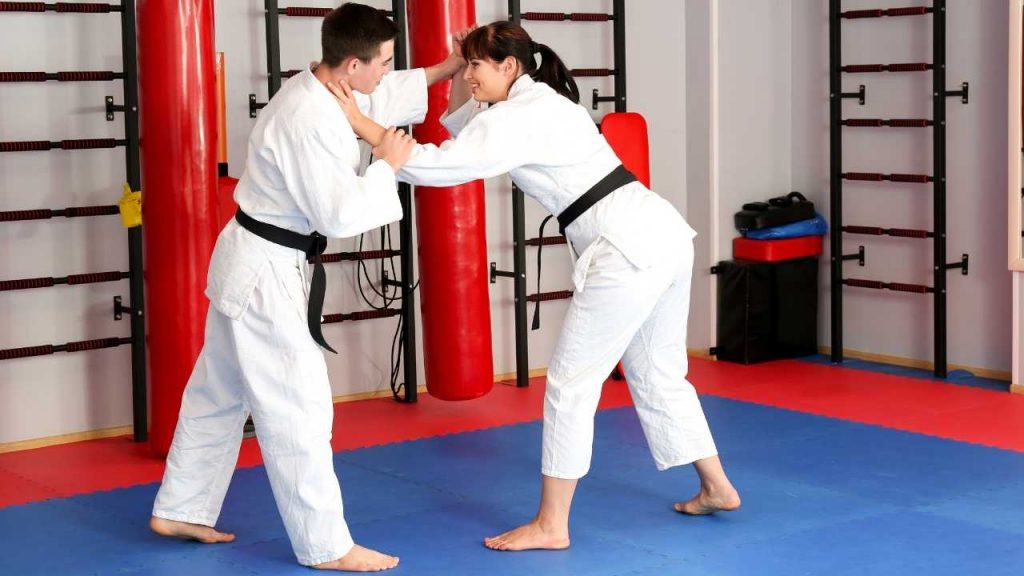
Judo focuses on throws, takedowns, and pins. It’s about using an opponent’s momentum and balance against them to bring them to the ground safely. It teaches you how to be incredibly stable and how to use the power of movement.
Think of it like learning to redirect a strong gust of wind instead of fighting against it. Judo teaches you how to work with an attacker’s force, turning their aggression into an opportunity to gain control. It’s also fantastic for building balance and agility.
Wrestling
While often seen as a sport, wrestling is a highly effective grappling art. It’s all about takedowns, positional control, and maintaining dominance on the ground. It builds incredible strength, endurance, and a relentless attitude.
If you want to learn how to be strong, persistent, and how to control a situation with sheer technique and grit, wrestling is a fantastic choice. Imagine you’re trying to steady a teetering pile of boxes – wrestling teaches you to keep everything stable and under control.
Hybrid Arts: The “All-Rounders”
Some martial arts blend striking and grappling, offering a more comprehensive approach.
Mixed Martial Arts (MMA)
As the name suggests, MMA combines techniques from various martial arts, including striking and grappling. It’s designed to be a practical, well-rounded fighting system that prepares you for a variety of scenarios. It’s like having a Swiss Army knife of self-defense!
If you want to learn a little bit of everything and become adaptable to different situations, MMA training can be excellent. It forces you to be proficient in multiple areas.
Krav Maga
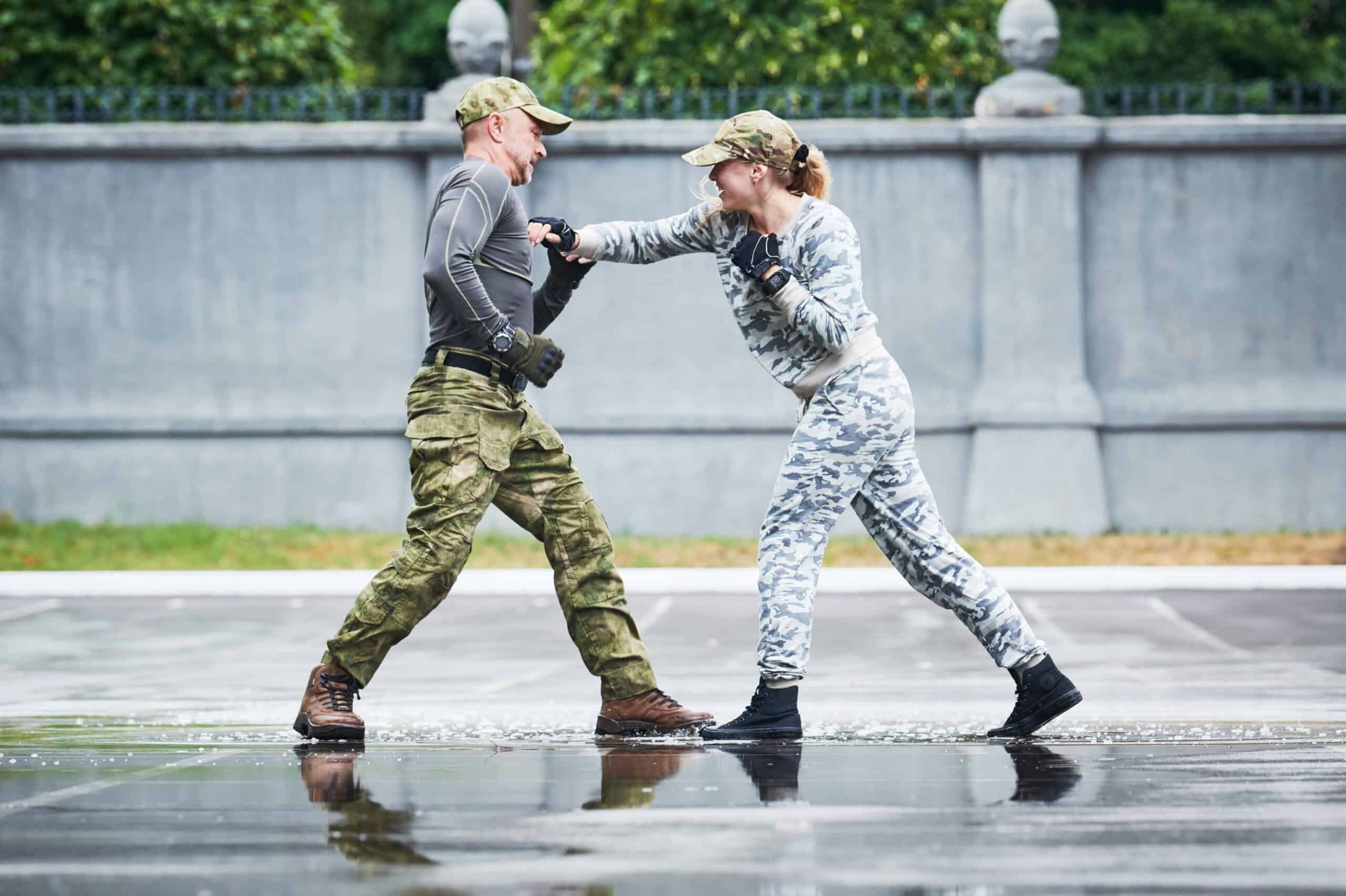
Krav Maga is a self-defense system developed for the Israeli military. It’s not really a “martial art” in the traditional sense with forms or elaborate ceremonies. Instead, it’s a no-nonsense, practical system focused on real-world threats and how to neutralize them quickly and efficiently. It emphasizes simple, instinctive movements.
Think of it as learning the most direct and effective way to get out of trouble, without any frills. It’s very focused on escape and survival. If your primary goal is purely functional self-defense for the street, Krav Maga is often a top contender because it’s so directly applicable.
What's the Real Secret Sauce?
Here’s the funny thing: the best martial art is often the one you’ll actually stick with. If you hate going to class, or find the techniques impossible to learn, you won't get any benefit. Look for:
- A good instructor: Someone who is knowledgeable, patient, and cares about your progress.
- A positive atmosphere: A friendly, supportive community makes training enjoyable.
- Something that clicks: Does the style resonate with you? Does it feel like something you want to do?
Ultimately, any disciplined martial art training will improve your situational awareness, your reflexes, your physical fitness, and your confidence. Those are the real superpowers!
So, don't get too hung up on finding the absolute perfect, mythical martial art. Instead, explore a few classes, see what feels right, and remember that the journey of learning is often more valuable than the destination. Stay safe, stay curious, and maybe even have some fun while you’re at it!