
What Is The Best Coffee In The World
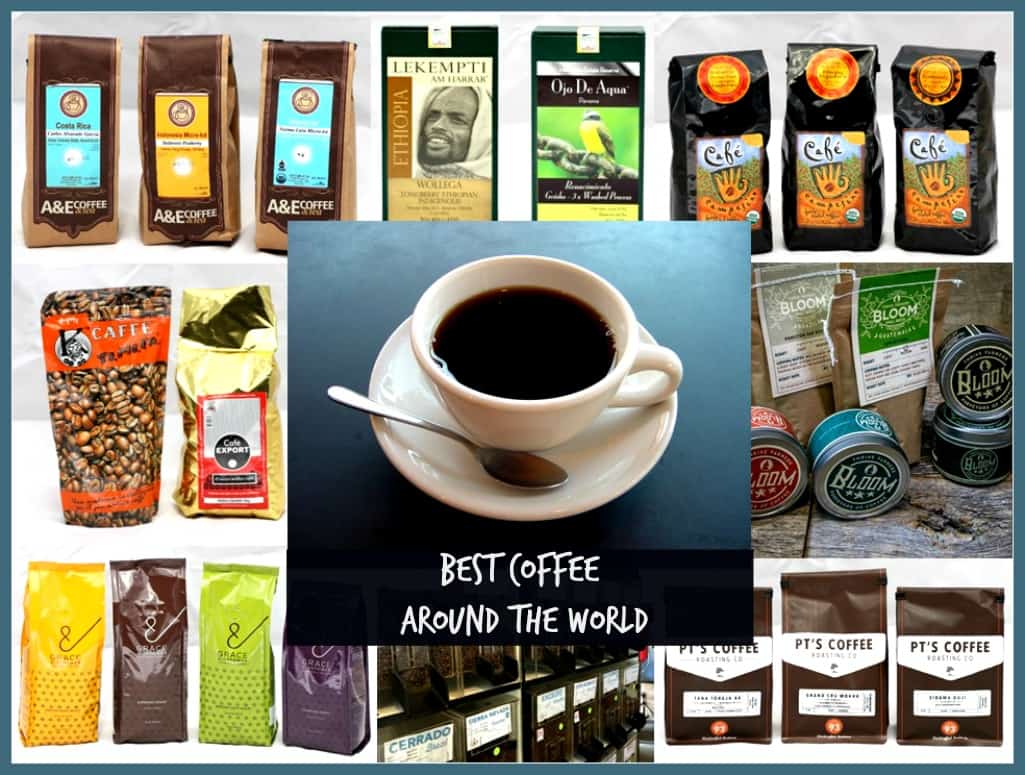
Okay, so let's talk coffee. You know, that magical elixir that gets us all going in the morning? We all have our go-to brew, right? That one cup that just hits different. But have you ever stopped to wonder... what's the best coffee in the world?
Sounds like a serious question, doesn't it? Like, a whole panel of judges with little snoot-tubes and tiny spoons. But here's the thing: it's not that serious. Not at all! It's actually a ridiculously fun topic to dive into. Think of it as a global treasure hunt, but for deliciousness. And the prize? A killer cup of joe.
Why is this even a debate? Because coffee is wildly diverse. It's like asking what the best color is. Are you a bright, sunny yellow person? Or a deep, mysterious navy? Coffee is the same way. It's got a whole spectrum of flavors. And everyone's taste buds are different, like little quirky disco balls.
So, is there a single, definitive answer? Nope. And thank goodness for that! Imagine if there was only one "best" coffee. Life would be so boring. We'd all be fighting over the same beans. The beauty of coffee is its endless variety. It's a constantly evolving party.
But that doesn't mean we can't explore. We can look at the contenders. The ones that people rave about. The beans that have a reputation. It's like talking about the best pizza. Is it New York style? Chicago deep dish? Neapolitan? You get the picture.
One of the places that consistently pops up in these "best coffee" conversations is Ethiopia. Yeah, the birthplace of coffee! Legend has it, a goat herder named Kaldi noticed his goats got super energetic after munching on some berries. He tried them himself. Boom! Coffee was born. How cool is that? A goat did it.
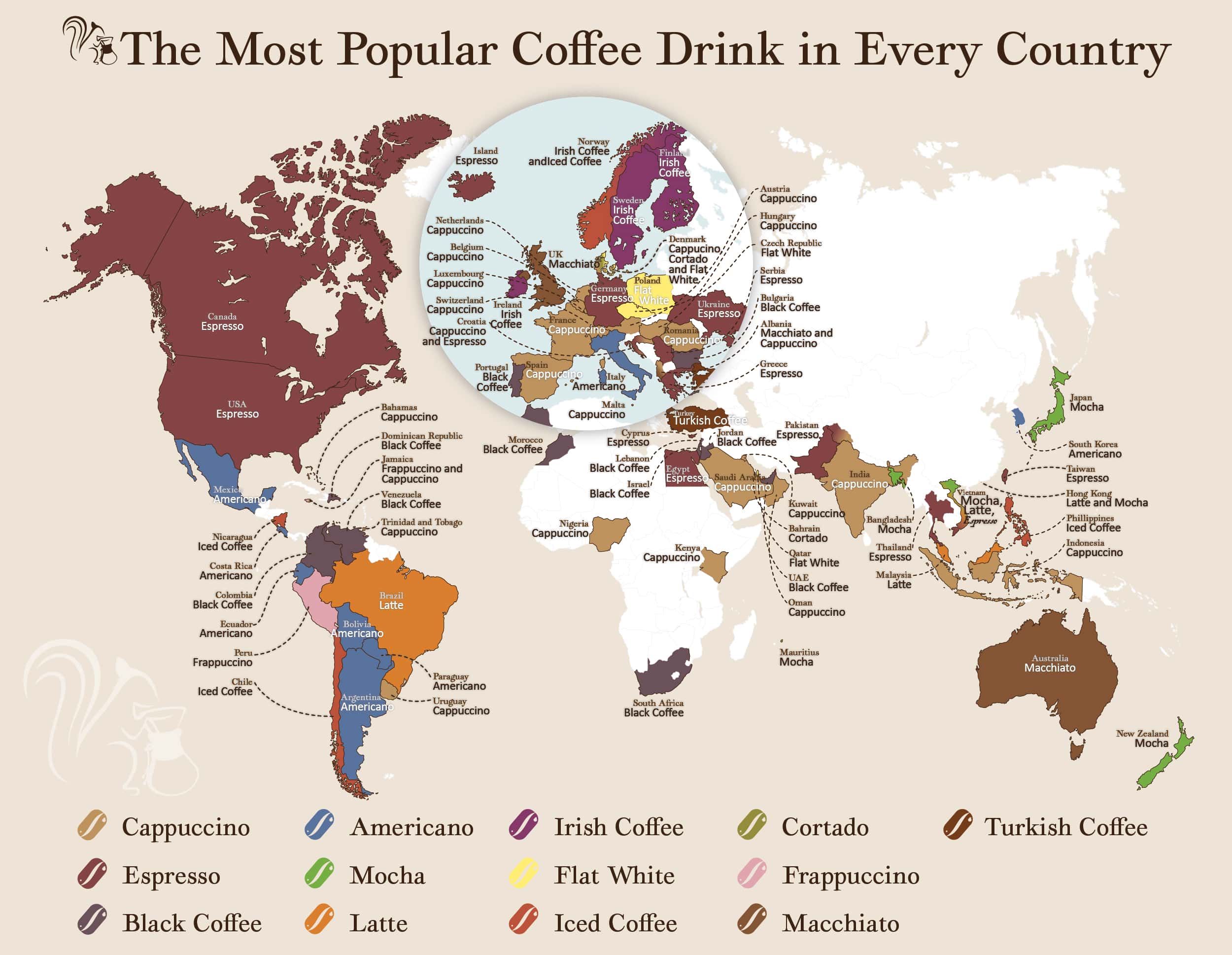
Ethiopian coffees are often described as having these amazing floral notes. Think jasmine, or bergamot. And sometimes a really bright, almost fruity acidity. Like a burst of sunshine in your mug. They're often naturally processed, which means the fruit stays on the bean as it dries. This gives it a lot of extra flavor. It's like letting a fruit hang on the vine for a little longer to get extra sweet.
Then you've got coffees from Colombia. A classic for a reason. Colombian beans are often known for their balanced flavor. You get a nice sweetness, a good body, and often hints of chocolate or caramel. They're the reliable friend of the coffee world. Always there for you, always tasting good.
But here's a quirky fact: the coffee industry in Colombia is huge. They've really mastered the art of growing and processing. And they're super proud of their coffee. You can visit coffee farms, learn about the whole process. It's an experience!
Let's hop over to Panama. Specifically, the Boquete region. This is where you'll find the legendary Geisha variety. Now, "Geisha" sounds fancy, right? And it is! This coffee is often incredibly expensive. Why? Because it's rare, and it's delicate. It requires a specific climate and a lot of attention.

The flavor profile of a Geisha is often described as something otherworldly. Think intense floral notes, like rose petals. And tropical fruits, like passionfruit or mango. It’s complex. It’s delicate. It’s like sipping on perfume, but in a good way. A really, really good way. It’s the haute couture of coffee.
And the prices? Oh boy. A cup of Geisha can set you back a pretty penny. But for serious coffee lovers, it's often considered a pilgrimage. They're chasing that perfect, elusive cup. It’s the Mona Lisa of coffee beans.
But wait, we're not done! What about the Kopi Luwak from Indonesia? This one's a bit... unusual. The coffee cherries are eaten by a civet, a small cat-like animal. The beans pass through its digestive system, and then they're collected from its droppings. Yes, you read that right. Collected from poop. This is where the fun gets a little wild.
The idea is that the civet's digestive enzymes break down some of the proteins in the coffee beans, making them less bitter. The resulting coffee is said to be incredibly smooth and mellow. It’s definitely a conversation starter at your next dinner party. "Oh, you like coffee? Have you tried coffee that's been through a civet's tummy?"

Now, there's a lot of ethical debate around Kopi Luwak. Is it humane? Are the civets being treated well? It's important to be mindful of that. But the story itself is undeniably unique. It’s coffee with a side of… well, you know.
Beyond specific regions and varieties, there's also the matter of how the coffee is prepared. A perfectly roasted bean can be ruined by bad brewing. Or, conversely, a decent bean can be elevated to new heights with the right touch. It's a whole ecosystem of deliciousness.
Think about the roasting process. Light roast? Dark roast? Each brings out different flavors. A light roast will highlight the origin characteristics, the bright acidity. A dark roast can bring out smoky, chocolatey notes, but might mask some of the subtler flavors. It's like choosing the right spices for a dish.
And don't forget the people behind the coffee! The farmers who painstakingly grow these beans. The roasters who unlock their potential. The baristas who artfully craft your cup. It's a global network of passionate individuals. They’re the real MVPs.

So, what's the takeaway? There's no single "best coffee in the world." It's a journey. It's about exploration and discovery. It's about trying new things, and finding what makes your taste buds sing. It’s about the adventure.
Maybe the best coffee for you today is a bright, citrusy Ethiopian Yirgacheffe. Maybe tomorrow, it's a smooth, chocolatey Colombian Supremo. Or maybe, just maybe, you're feeling adventurous and want to try something that's been… processed by a tiny jungle creature. (With ethical sourcing, of course!).
The fun is in the tasting. In the talking. In the sharing. It’s about the rituals, the aromas, the feelings. That first sip in the morning. The midday pick-me-up. The cozy evening treat. Coffee is more than just a drink; it’s an experience. A delicious, sometimes quirky, always wonderful experience.
So next time someone asks, "What's the best coffee in the world?" just smile. And tell them, "The one that makes you happy. And maybe tell them about the goats. That always gets a laugh." Because ultimately, the best coffee in the world is the one you’re holding in your hand, enjoying right now. Cheers to that!