
What Is The Best Beef Joint To Roast

Ah, the Sunday roast. It’s more than just a meal, isn't it? It’s a ritual. A comforting embrace on a chilly afternoon, a centerpiece for family gatherings, and let's be honest, a delicious excuse to indulge in some seriously good food. But here’s the thing: while the trimmings often get a lot of the glory – those perfectly crisp roast potatoes, the fluffy Yorkshire puddings, the rich gravy – the star of the show, the beef joint itself, deserves just as much love and attention. And that, my friends, brings us to the million-dollar question (or at least, the significant chunk of change at the butcher's): what is the best beef joint to roast?
Now, before we dive headfirst into a world of marbled fat and tender fibers, let's set the scene. Picture this: the gentle hum of the oven, the tantalizing aroma wafting through your home, a glass of something delightful in hand. This isn't about culinary boot camp; it's about creating moments of pure, unadulterated joy around the table. And a fantastic roast beef is the key to unlocking that joy. So, let's ditch the intimidation factor and embrace the delicious possibilities.
Over the years, I've experimented, I've asked my butcher (he's practically family now!), and I've learned a thing or two. There isn't a single, definitive "best" joint for everyone, because our preferences are as varied as our personalities. Some of us crave melt-in-your-mouth tenderness, while others enjoy a bit more chew and a richer, beefier flavor. It’s all about understanding what you're looking for and then choosing the cut that delivers it.
The Contenders: A Line-Up of Roasting Royalty
When we talk about roasting joints, we're generally looking at cuts that benefit from slow, gentle cooking to break down any tougher connective tissues and render that glorious fat into pure flavor. These are the heavy hitters, the ones that have earned their place on the Sunday roast hall of fame.
The Crown Jewel: The Rib Roast (Standing Rib Roast / Prime Rib)
Let's start with the undisputed champion for many: the Rib Roast. Also known as Standing Rib Roast or Prime Rib, this is the cut that dreams are made of. It comes from the prime rib section of the cow, which is known for its exceptional marbling and tenderness. You'll often see it sold with the bones still attached (hence "standing"), which adds even more flavor and helps to protect the meat during cooking. If you're looking for that iconic, incredibly juicy, fork-tender experience, this is your guy.
Why it’s a winner: The marbling (those little flecks of fat within the muscle) melts as it cooks, basting the meat from the inside out. This results in a roast that is both incredibly flavorful and remarkably tender. The outer layer of fat also crisps up beautifully, providing a delightful contrast in texture.
Pro Tip: When buying a Rib Roast, consider the number of ribs you need. Each rib typically serves about 2 people, so a 3-rib roast is a good starting point for a small gathering. Don't be afraid to ask your butcher for a "boneless" version if you prefer, though many swear the bones make a difference!
Fun Fact: The term "Prime Rib" actually refers to the grade of the beef, not necessarily the cut itself. However, the Rib Roast is the cut most commonly associated with USDA Prime grade beef, hence the nickname.
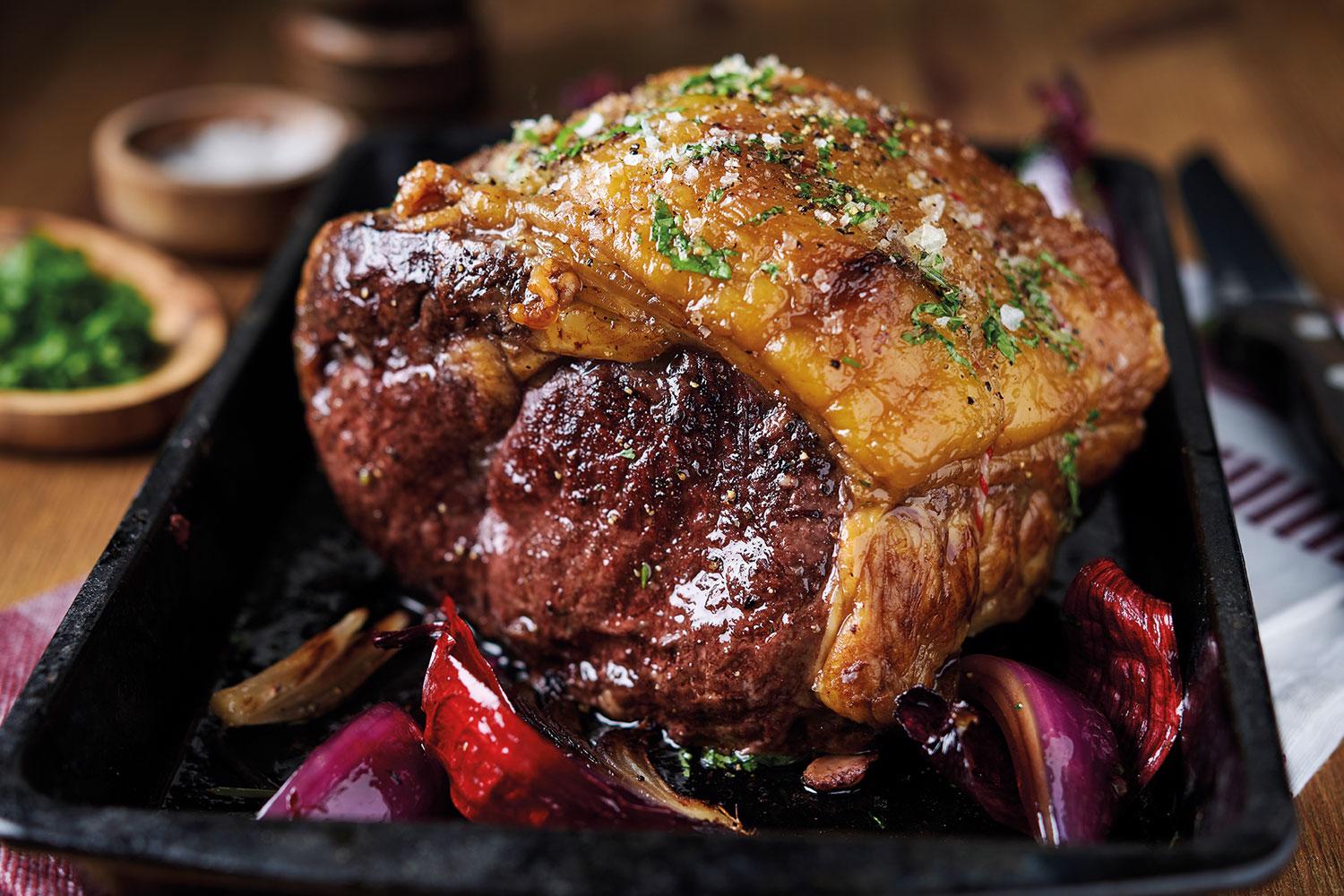
The Understated Elegance: The Sirloin Roast
Moving on to the Sirloin Roast. This cut is a fantastic option for those who appreciate a leaner, yet still tender and flavorful roast. It comes from the upper portion of the cow, behind the ribs, and offers a good balance between tenderness and a robust beefy taste.
Why it’s a winner: Sirloin is a more economical choice than rib, but don't let that fool you. It still delivers a wonderfully satisfying roast. It's less marbled than the rib, so it's important to treat it with care to avoid drying it out. It has a great texture that holds up well to slicing, making it perfect for sandwiches the next day.
Pro Tip: Because it's leaner, a Sirloin Roast benefits from careful cooking. A good sear on all sides to lock in juices, followed by a moderate oven temperature, is key. You can also consider a reverse sear method for this cut – cooking it slowly at a low temperature until almost done, then searing it at high heat for a beautiful crust.
Cultural Nod: In many American households, a Sirloin Roast can be the go-to for a more casual, yet still impressive, Sunday dinner. It’s the reliable friend of the roast beef world – always dependable and always delicious.
The Marvel of Muscle: The Rump Roast
The Rump Roast is another excellent choice, offering a wonderful balance of flavor and texture. It comes from the rear of the cow and is known for its good beefy taste and slightly firmer texture compared to the rib. It’s a cut that truly shines with slow and steady cooking.
Why it’s a winner: Rump is a versatile cut. It’s flavorful and, when cooked correctly, can be wonderfully tender. It’s also a more budget-friendly option that still provides a substantial and satisfying roast.
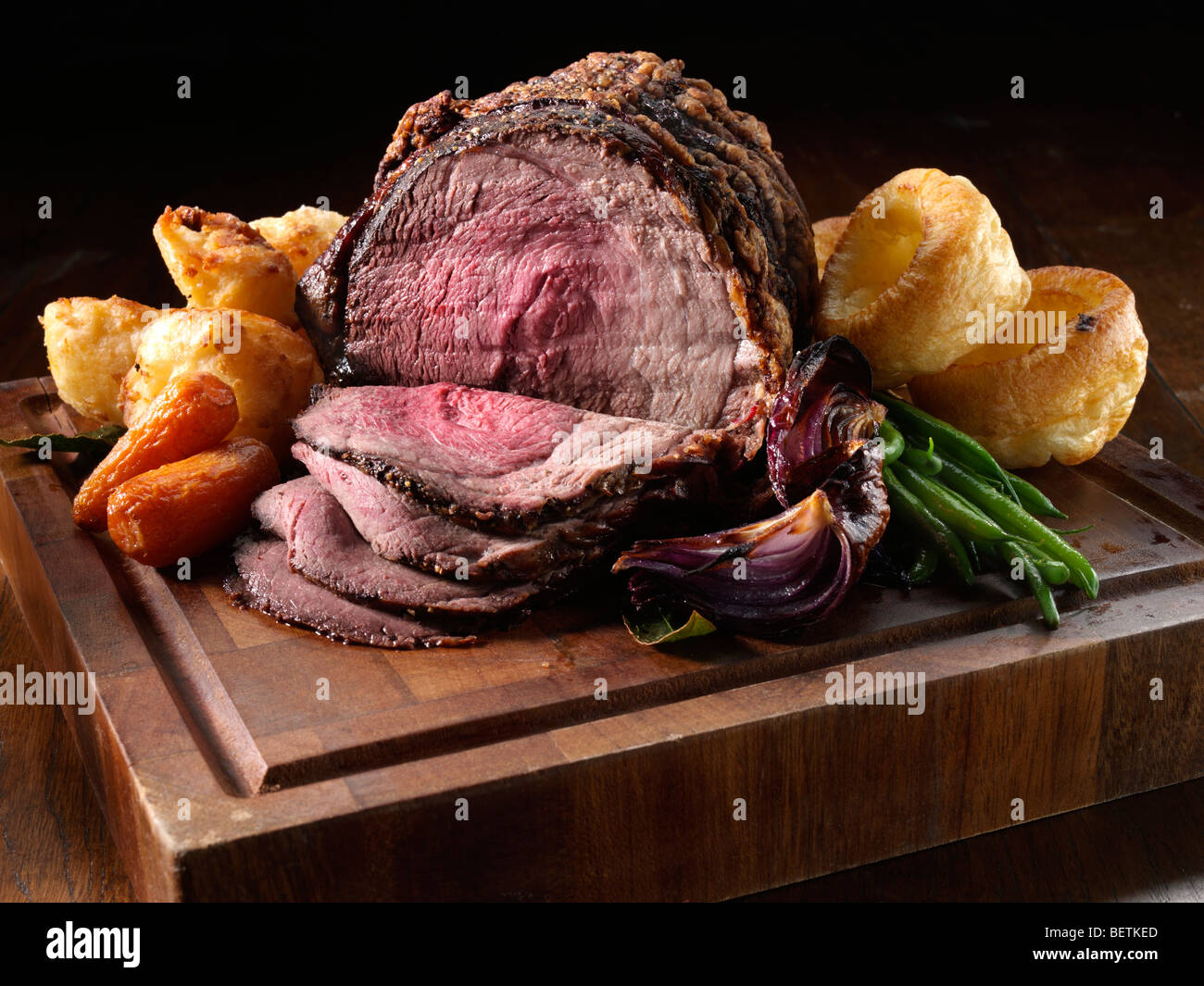
Pro Tip: For a Rump Roast, think about a longer, slower cook. This allows the connective tissues to break down, resulting in a more tender outcome. Marinating it beforehand can also add an extra layer of flavor and moisture. Don't be afraid to add aromatics like garlic, rosemary, and thyme to the roasting pan.
Fun Fact: The "rump" in "rump roast" refers to the rear end of the animal. It’s a muscular part of the cow, which is why slower cooking methods are often recommended to achieve optimal tenderness.
The Robust Contender: The Topside (or Silverside)
Topside and Silverside are cuts from the inner and outer thigh of the cow, respectively. They are lean, dense muscles that require careful cooking to ensure they don't become tough. When done right, they offer a deep, rich beefy flavor.
Why it’s a winner: These cuts are often more affordable and can yield a very satisfying roast, particularly if you’re a fan of a more traditional, firm texture in your roast beef. They are also excellent for slicing thinly for sandwiches or cold beef dishes.
Pro Tip: These cuts absolutely need moisture to stay tender. Braising them in liquid (like beef stock, red wine, or even a can of cola – yes, really!) is a fantastic way to ensure they remain succulent. If roasting, basting frequently is your friend. You’ll also want to let it rest for a good while before slicing, against the grain, to maximize tenderness.
Cultural Nod: In the UK, Silverside is often a very popular choice for Sunday roasts, and it’s also the traditional cut for making salt beef. The key here is often in the preparation and the cooking method to really bring out its best.

The Art of the Roast: Beyond the Cut
So, you’ve chosen your magnificent beef joint. What next? Well, the joint is only part of the story. The journey from raw cut to glorious roast is a culinary adventure, and a few key steps can elevate your creation from good to truly exceptional.
Seasoning: The Foundation of Flavor
Don't underestimate the power of a generous hand with the salt and pepper. For most joints, a simple rub of coarse sea salt and freshly cracked black pepper is all you need to let the beef’s natural flavor shine. For tougher cuts, a marinade or rub with herbs, garlic, and maybe a touch of paprika can add wonderful complexity.
Pro Tip: For cuts like the Rib Roast, a generous salt rub applied a few hours (or even the night before) can help to dry-brine the meat, leading to a more flavorful and tender result.
Searing: The Crucial First Step
For most roasting joints, searing is non-negotiable. Getting a beautiful, dark brown crust on all sides of the meat before it goes into the oven is essential for flavor development. This is where the Maillard reaction, that magical chemical process that creates complex flavors and aromas, really gets to work.
Pro Tip: Use a hot, heavy-bottomed pan (cast iron is your best friend here) with a good quality cooking oil. Make sure the pan is smoking hot before you add the beef. Don't overcrowd the pan – sear in batches if necessary.
Temperature and Time: The Delicate Dance
This is where personal preference truly comes into play. Do you like your beef rare, medium-rare, medium, or even well-done? Using a meat thermometer is the most accurate way to achieve your desired level of doneness. Remember that the meat will continue to cook as it rests, so aim to pull it out of the oven a few degrees below your target temperature.

General Guidelines (for medium-rare, which is generally around 130-135°F / 54-57°C internal temperature):
- Rib Roast: Around 15-20 minutes per pound at 450°F (230°C) for the initial sear, then reduce to 325°F (160°C) until desired temperature is reached.
- Sirloin Roast: Around 20-25 minutes per pound at 400°F (200°C).
- Rump Roast: Around 20-25 minutes per pound at 400°F (200°C).
- Topside/Silverside: Can vary greatly, but for roasting, aim for around 25-30 minutes per pound at 350°F (175°C) if not braising.
Remember: these are just guidelines! Always use a meat thermometer for accuracy.
Resting: The Secret Weapon
This is perhaps the most overlooked, yet most critical, step in achieving a succulent roast. Once your beef is out of the oven, cover it loosely with foil and let it rest for at least 15-20 minutes (for larger joints, even 30 minutes is beneficial). This allows the juices to redistribute throughout the meat, ensuring every slice is moist and flavorful. Skipping this step is like rushing out of a good movie before the credits – you miss the best part!
Pro Tip: While it rests, you can use the roasting pan to make your gravy. The leftover bits and bobs in the pan are gold!
The Reflection: More Than Just Meat on a Plate
Choosing the “best” beef joint for roasting isn't about following a rigid set of rules. It’s about understanding the character of each cut and matching it to your desires for that particular meal. It’s about the anticipation, the effort, and the sheer pleasure of bringing something delicious and comforting to the table.
In our fast-paced modern lives, where convenience often reigns supreme, the act of preparing a proper roast beef can feel like a small act of rebellion. It’s a deliberate slowing down, a connection to tradition, and a way to show love and care for the people you share your life with. Whether you’re a seasoned roaster or just dipping your toes into the world of Sunday dinners, remember that the most important ingredient is always a good dose of enjoyment. So, pick your joint, embrace the process, and savor the delicious rewards. After all, isn't that what an easy-going lifestyle is all about?