
What Is A Title Number Of A Property
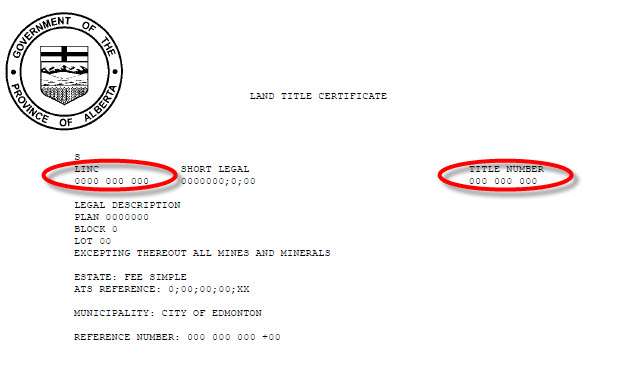
Ever wondered what that string of numbers is that pops up on property documents? It’s not just random digits; it’s a title number, and understanding it can be surprisingly fun and incredibly useful! Think of it as a property's unique fingerprint in the grand scheme of real estate. Knowing what it is unlocks a deeper understanding of ownership, making you feel more in the know about the place you call home, or perhaps a place you dream of owning.
So, what exactly is this mysterious title number? Essentially, it's an identifier assigned to a specific piece of land or property by a government agency, usually the local land registry or recorder's office. It's like a social security number for your house or plot of land, ensuring there's no confusion about which property is which. This number is crucial because it links to all the official records pertaining to that property, including who owns it, any mortgages or liens on it, easements, and any other legal claims.
Why should you care? Well, for beginners dipping their toes into the real estate market, it’s your first step to verifying ownership and ensuring the property you're interested in is legitimate. For families looking to buy, sell, or even just understand their current home's history, the title number is key to navigating the complexities of property transactions and avoiding potential pitfalls. And for hobbyists who might be interested in genealogy related to property ownership, or even historical land use research, that little number can be a gateway to fascinating discoveries.
You might encounter variations of this. Sometimes it's called a "parcel number," "lot number," "deed number," or even a "reference number" depending on your local jurisdiction. The core idea, however, remains the same: it's a unique code that pinpoints your property in the vast system of land records. For instance, if you're looking at a plat map, you'll often see these numbers clearly indicating different lots. Or, when you're reviewing a closing document, the title number will be prominently displayed to confirm the exact property being transferred.
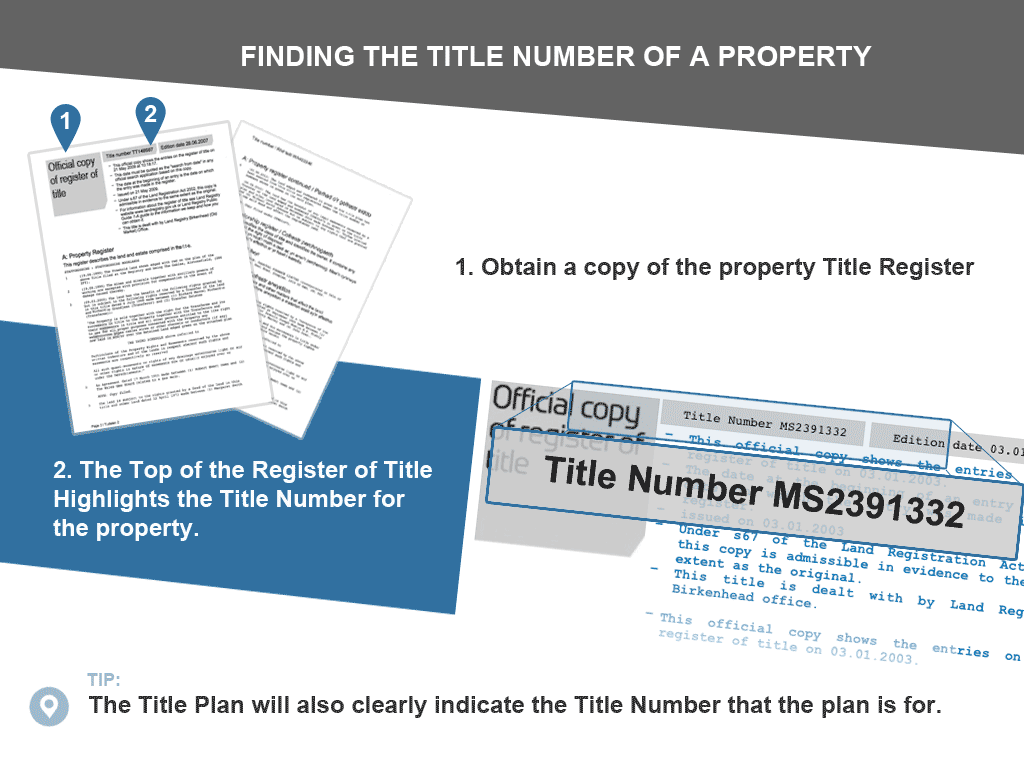
Getting started with understanding your property's title number is easier than you think! If you own your property, the easiest place to find it is on your property tax bill or your deed. These documents are official records and will almost certainly list it. If you're looking to buy, your real estate agent or the title company handling the transaction will be able to provide it. You can also often find this information by searching your local county recorder or assessor's office website – many offer online property databases.
In conclusion, the humble title number might seem insignificant at first glance, but it's a fundamental piece of information that holds the key to understanding property ownership. It's a simple concept with profound implications, offering clarity and security in the world of real estate. So next time you see it, give it a nod; it's more important than you might have realized, and understanding it can bring a surprising sense of empowerment and peace of mind.