
What Is A Router And What Does It Do
/71qNsDlUZL._SL1500_-db9624bf30494933b4d2279b89ea19ef.jpg)
Hey there! Ever wonder what that little box with all the blinking lights in your house actually does? You know, the one that’s basically the gatekeeper to all your cat videos and online shopping sprees? Yep, I'm talking about the router! It might seem a bit mysterious, but trust me, it’s not as complicated as it looks. Think of it as the unsung hero of your digital life, working tirelessly behind the scenes so you don't have to. It’s like the conductor of a tiny, techy orchestra, making sure all your devices play in harmony. No more buffering nightmares, no more dropped video calls! It's pretty darn cool, actually.
So, what is a router, really? In the simplest terms, it's a device that connects your home network to the big, wide internet. It’s the bridge, the go-between, the matchmaker of your digital world. Without it, your computer, your phone, your smart TV, your Alexa – they’d all be stuck in their own little islands, unable to talk to each other or the rest of the world. Imagine trying to send a letter without a post office. Kinda the same vibe, but with way more pixels and way less chance of paper cuts.
Let’s break it down a bit more, shall we? Your Internet Service Provider (ISP) – that's the company you pay for internet access, like Comcast, Verizon, or whoever – sends the internet signal into your house. But that signal, bless its digital heart, is like a wild, untamed beast. It needs to be tamed, organized, and distributed. That’s where our friend, the router, comes in. It takes that incoming internet stream and figures out where to send it. It's like a really efficient mail sorter, but instead of sorting letters, it's sorting data packets. And it does it at lightning speed!
Think of your home network as a party. Everyone at the party (your devices) wants to chat with everyone else and maybe even with people outside the party (the internet). The router is the party host. It makes sure everyone gets an invitation to the internet and helps them find their way around. It’s also the bouncer, in a way, keeping an eye on who’s coming and going to make sure everything’s above board. Nobody wants an uninvited guest crashing their Wi-Fi, right? Unless it’s a neighbor who really needs to check their email, then maybe we can make an exception… or not.
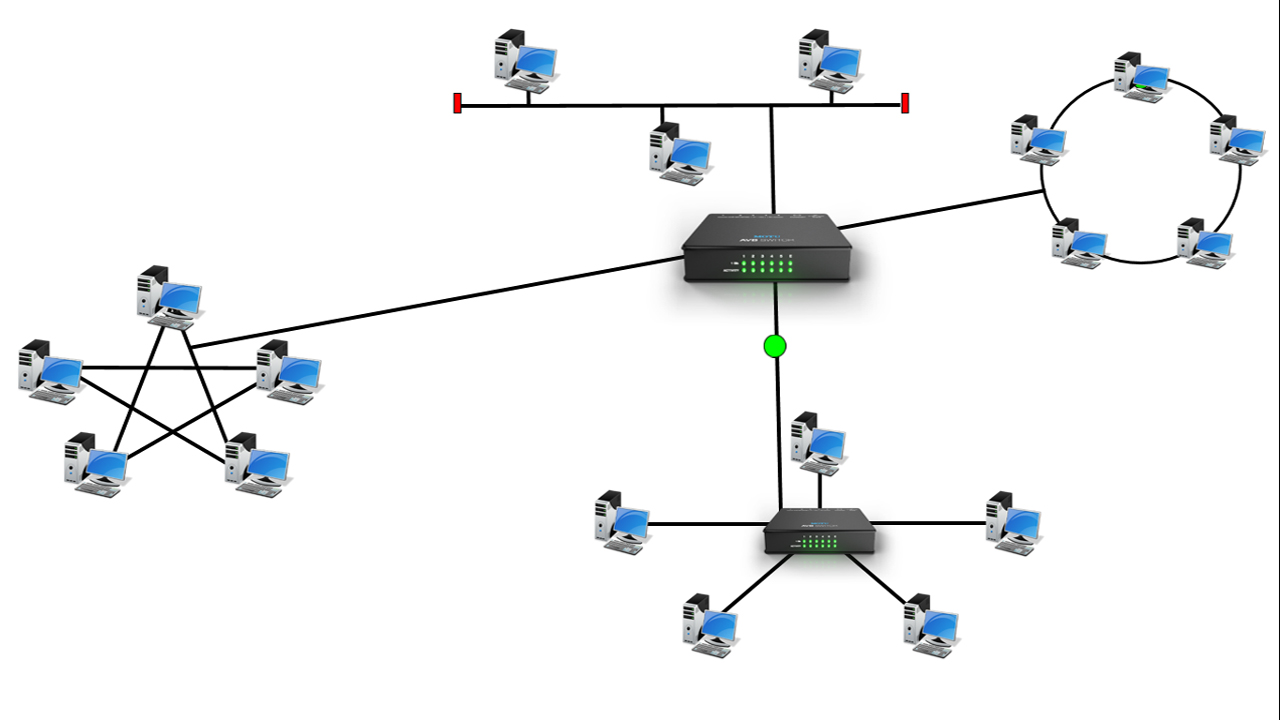
One of the primary jobs of a router is to create your Local Area Network (LAN). This is your private network within your home. It’s where all your devices can talk to each other. So, when you want to print a document from your laptop to your wireless printer, that’s your LAN in action. Or when you ask your smart speaker to play a song, it’s communicating with its streaming service through the internet, but the initial command travels through your LAN first. It's like the internal phone system in an office building. Everyone can call each other, but to call outside, you go through the main switchboard.
Another super important role the router plays is assigning IP addresses. Now, this might sound a bit technical, but stick with me! Every device that connects to your network gets a unique identifier called an IP address. Think of it as a digital street address for your devices. Your router acts as a DHCP server (Dynamic Host Configuration Protocol – fancy name, right?), which means it automatically assigns these IP addresses. So, when your phone connects to your Wi-Fi, the router says, "Okay, phone, you're device number 192.168.1.102!" This ensures that data gets to the right device. It’s like giving everyone a numbered cubby to put their mail in. Without these addresses, the data would just be floating around aimlessly, probably bumping into other data and causing a digital traffic jam.
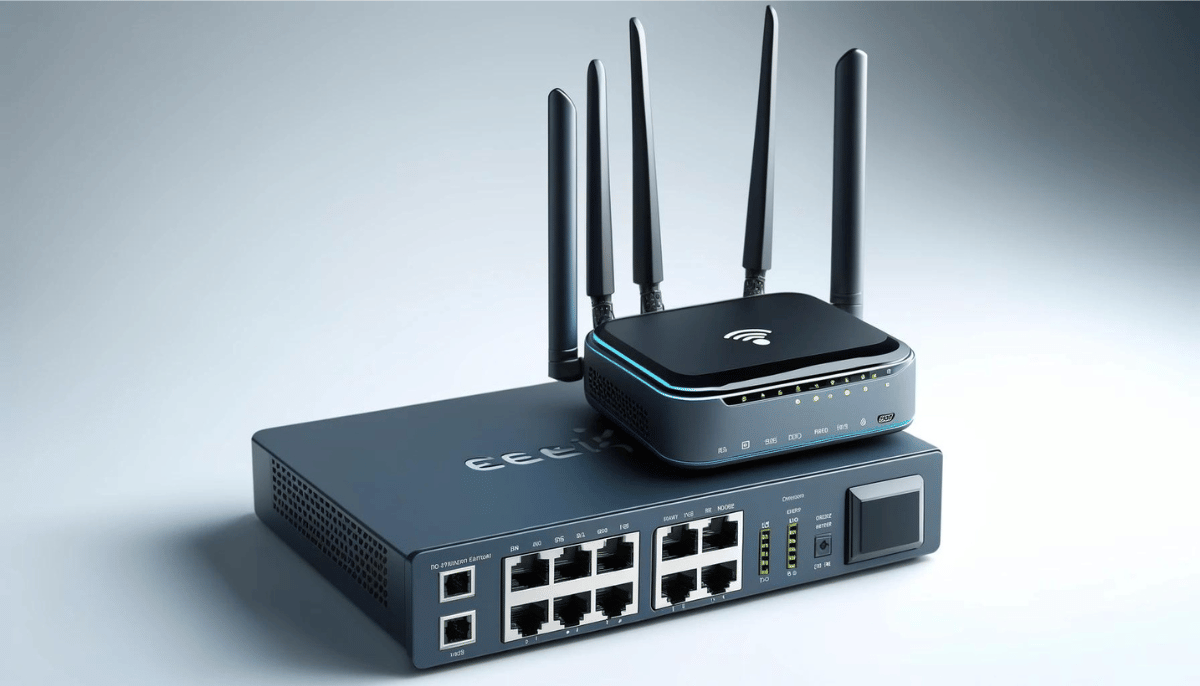
And then there's the magical world of Wi-Fi! Many routers these days are wireless routers, meaning they broadcast a Wi-Fi signal. This is the invisible radio wave that your devices tune into to get online. It’s what allows you to cut the cord and roam freely around your house without being tethered by pesky Ethernet cables. It’s the freedom to binge-watch in bed, scroll through social media while you’re making coffee, or have a video call from your comfy couch. Without the Wi-Fi router, we’d all be back to sitting right next to the wall jack, looking very sophisticated with our laptops on our laps.
But it's not just about broadcasting a signal. The router also does some clever stuff to make sure your internet connection is as smooth as possible. It uses a process called Network Address Translation (NAT). This might sound like something from a sci-fi movie, but it’s actually quite practical. It allows all the devices on your home network (which have private IP addresses) to share a single public IP address that your ISP gives you. It’s like having one mailbox for your entire apartment building. All the mail for the building comes to that one address, and then the building manager (the router) distributes it to the correct apartments (your devices). This is super efficient and also adds a layer of security.
Speaking of security, routers are also your first line of defense against the dangers of the internet. They often come with built-in firewalls. A firewall is like a security guard for your network. It monitors incoming and outgoing internet traffic and blocks anything that looks suspicious or isn't authorized. It’s there to keep the bad guys out and your sensitive data safe. So, when you see that firewall setting on your router, know that it’s working hard to protect you. It’s like having a digital moat around your castle, keeping out any unwanted trolls.
Routers also manage the flow of data, making sure that important traffic gets priority. This is often referred to as Quality of Service (QoS). For example, if you’re on a video call, QoS can prioritize that data so that your face doesn’t freeze mid-sentence. Or if you’re playing an online game, it can make sure the game data gets through quickly so you don’t lag out and lose your virtual life. It’s like having a VIP lane for your most important internet activities. So, next time your video call is crystal clear, give a silent nod to your router and its QoS capabilities!
Now, you might have noticed that routers have antennas. These are for broadcasting that lovely Wi-Fi signal. Some routers have one or two, while others have a whole forest of them! The more antennas, generally the stronger and wider the Wi-Fi signal. It’s like having more loudspeakers to fill your house with sound. And these days, we have newer, fancier Wi-Fi technologies like Wi-Fi 6 (and even Wi-Fi 6E and 7!). These newer standards are like upgrading from a bicycle to a sports car – they offer faster speeds, better efficiency, and can handle more devices simultaneously. Perfect for those who have more gadgets than they have fingers and toes!
So, let's recap the router's super-powers:
It's the Internet Connector:
It’s the crucial link between your home network and the vast internet. Without it, no cat videos. Sad times.
:max_bytes(150000):strip_icc()/netgear-router-gaming-5b2c15f6ff1b780037823ccd.jpg)
It's Your Network Architect:
It creates and manages your home network (LAN), allowing all your devices to communicate with each other. Think of it as the ultimate playdate organizer for your tech.
It's the Address Master:
It assigns IP addresses to your devices, ensuring that data knows exactly where to go. No misplaced emails on its watch!
It's the Wi-Fi Weaver:
For wireless routers, it broadcasts the Wi-Fi signal that gives you the freedom to move. Untethered bliss!
/how-routers-work-816456-final-5b2d68a6eb97de00369a4914.jpg)
It's the Traffic Controller:
It uses NAT to efficiently manage how your devices share a single internet connection. No digital traffic jams here!
It's Your Digital Security Guard:
Its built-in firewall protects your network from unwanted intruders. Stay safe, digital warriors!
It's the Performance Enhancer:
QoS ensures that your most important online activities get the priority they deserve. Lag? We don’t know her.
It’s pretty amazing to think that this little box is responsible for so much of our daily digital lives. From connecting us with loved ones far away to enabling our work, education, and entertainment, the router is the silent engine that powers it all. It’s a marvel of modern engineering, working tirelessly to keep us plugged into the world. So, the next time you’re scrolling through your feed, streaming a movie, or video chatting with a friend, take a moment to appreciate the humble router. It’s not just a piece of hardware; it’s your gateway to connection, information, and endless possibilities. And that, my friends, is something to smile about!