
What Is A Collector Of Stamps Called

Hey there, fellow curious cats and knowledge-seekers! Ever find yourself staring at a pile of those little colorful squares that come on envelopes and wonder, "What do you even call someone who's really, really into these things?" Well, pull up a comfy chair, grab a cuppa, and let's dive into the delightful world of stamp collecting! It's not as dusty and stuffy as it might sound, I promise!
So, the big question: What’s the official, fancy-pants term for a stamp collector? Drumroll, please… it’s a philatelist! Yep, try saying that five times fast. It sounds a bit like a fancy medical condition, doesn't it? "Oh dear, Mildred's got a terrible case of... philately!" But don't worry, it's a perfectly healthy and often very rewarding hobby. Think of it as a more sophisticated way of saying you're a stamp enthusiast. It’s all about the love of these tiny pieces of history, art, and geography. Pretty cool, right?
Why Philately? Where Does This Word Come From Anyway?
Ever wondered about the origins of words? It's like peeling back the layers of an onion, but way more interesting (and less likely to make you cry). The word "philately" itself comes from the Greek words philos, meaning "loving," and ateleia, meaning "exempt from payment." Now, at first glance, that second part might seem a bit odd, right? What's with the "exempt from payment" bit? Well, back in the day, when stamps first started becoming a thing, they were essentially the pre-paid ticket for postage. So, the stamps themselves were the proof that the sender had already paid for the privilege of sending their letter. Hence, "loving the exemption from further payment" – a slightly convoluted, but rather clever, way of describing the hobby!
It’s a word that’s been around for a while, first popping up in the mid-19th century. It’s got a certain gravitas to it, don't you think? It makes the hobby sound a bit more… academic. Like you're not just sticking stamps in an album; you're engaged in serious philatelic research. Even if your research mostly involves trying to figure out if that smudge is a printing error or just a bit of dried tea from your breakfast.
Beyond the Basics: What Does a Philatelist Actually Do?
Okay, so we've got the name. But what's the deal with collecting stamps? Is it just about having a bunch of sticky squares? Oh, my friends, it is so much more! A true philatelist isn't just collecting; they're embarking on a grand adventure. They're like mini-historians, geographers, and art critics all rolled into one!
Think about it. Every stamp tells a story. You can have stamps depicting famous people, historical events, incredible wildlife, stunning landscapes, or intricate works of art. Imagine holding a stamp from a country that no longer exists! Or one that commemorates a major scientific breakthrough! It's like having a miniature museum in your hands, accessible anytime you want to flip through your album. It’s a tangible connection to the past, a window into different cultures, and a celebration of human achievement. Pretty neat, huh?
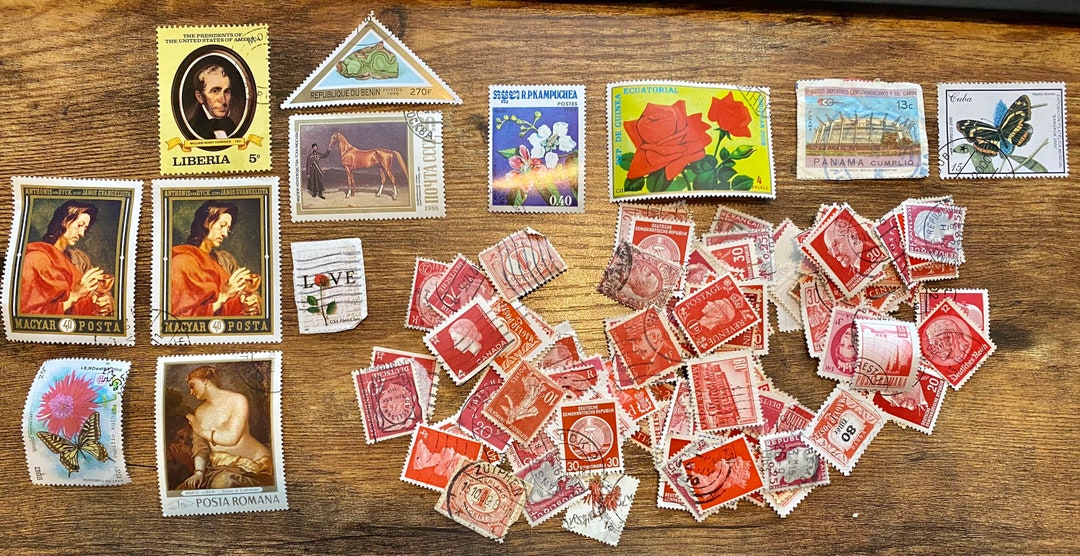
Some collectors focus on specific countries. They might be obsessed with anything and everything related to the stamps of, say, Great Britain. Others might specialize in a particular theme, like birds, or space exploration, or even Olympic Games. It's like choosing your favorite flavor of ice cream, but with more historical significance. You could be a devoted collector of all things feline depicted on stamps, or perhaps you have a soft spot for those quirky little stamps featuring famous fountains. The possibilities are as endless as the universe itself!
And then there are the more… intense philatelists. These are the folks who get really into the nitty-gritty. They're talking about watermarks (those faint patterns you can see when you hold a stamp up to the light), perforations (the little holes around the edges that help you tear them apart), and the different types of paper they were printed on. They can spot a rare printing error from a mile away and will probably tell you all about its fascinating history and why it's worth a small fortune (or at least a slightly bigger fortune than your average stamp!). It’s like being a detective, but instead of solving crimes, you're uncovering the secrets of the postal service!
The Thrill of the Hunt: Is It Like a Treasure Hunt?
Absolutely! For many philatelists, the hunt is half the fun. Finding that elusive stamp to complete a set, or stumbling upon a rare gem at a stamp show or online auction, is incredibly exciting. It’s that feeling of discovery, that surge of adrenaline when you find what you’ve been looking for. It’s like being Indiana Jones, but instead of dodging booby traps, you're navigating online bidding wars. And instead of a fedora, you might be wearing spectacles.
Stamp shows are a fantastic place for this kind of excitement. You’ll find tables piled high with stamps from all over the world, and dealers who are more than happy to help you find exactly what you need. It's a community, a gathering of like-minded individuals who share your passion. You might even strike up some great conversations and learn a thing or two from seasoned collectors. It’s like speed dating, but for stamps!
/old-postage-stamps-513673134-e5e3e82b2c6844148e3c2d12590ca998.jpg)
And let's not forget the thrill of the unexpected. Sometimes, you'll find a stamp you never even knew existed, and it sparks a whole new area of collecting for you. It’s like a surprise party for your hobby! You might go looking for stamps of hot air balloons and end up with a collection of antique flying machines. The world of philately is full of delightful detours and unexpected delights.
More Than Just Paper: The Value of Stamps
Now, some people might hear "stamp collecting" and immediately think of their grandma's old album filled with common stamps. And sure, there are plenty of those, and they’re lovely in their own right! But the world of stamp collecting also includes some incredibly valuable items. We’re talking about stamps that can be worth thousands, even millions, of dollars!
What makes a stamp so valuable? Well, a few things. Rarity is a huge factor. If only a handful of a particular stamp were ever printed, it’s naturally going to be more sought after. Condition is also crucial. A stamp that’s in perfect, pristine condition, with no tears, creases, or faded colors, will always be worth more than one that's seen better days. Think of it like a vintage car – one in mint condition is a whole different ballgame than one that’s been used as a demolition derby vehicle.
Historical significance plays a big role too. A stamp that was issued during a pivotal moment in history, or one that has an interesting story behind its creation or cancellation (the mark showing it’s been used), can command a premium. And sometimes, it’s just plain old demand. If a lot of collectors are all chasing the same few rare stamps, the prices can go through the roof. It’s like that must-have toy that everyone wants for Christmas – the demand just drives the price up!
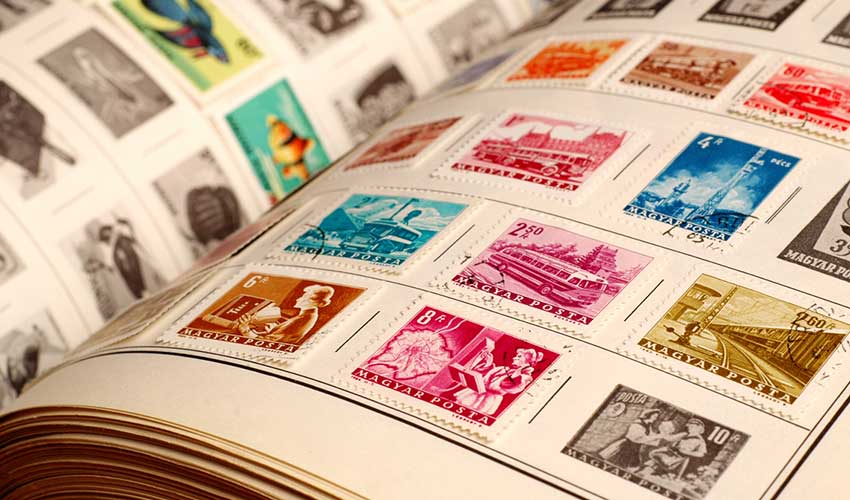
But here’s the really important thing: for the vast majority of philatelists, the monetary value isn't the main draw. It’s the joy of the collection, the stories behind the stamps, and the personal satisfaction of building something unique. It’s about the journey, not just the destination (and definitely not just the price tag!).
Is It a Solitary Pursuit or a Social Butterfly Thing?
You might picture a philatelist hunched over a desk, alone in a dimly lit room, meticulously arranging their stamps. And while some might enjoy that peaceful solitude, stamp collecting can actually be a surprisingly social hobby!
As I mentioned before, stamp shows are great hubs for social interaction. You meet fellow collectors, swap stories, and even trade stamps. There are also numerous philatelic societies and clubs all over the world. These groups often hold regular meetings, organize exhibitions, and provide a fantastic platform for sharing knowledge and enthusiasm. It’s a great way to connect with people who understand your quirky passion and can share your excitement over a rare find.
There are online communities too, of course. Forums, social media groups, and dedicated websites where philatelists from every corner of the globe can chat, share photos of their collections, and ask for advice. It’s like a global pen pal program, but with much cooler mail! You can learn so much from others, get tips on identifying fakes, and even find fellow collectors who might have that missing piece for your collection. It’s a wonderfully interconnected community.

The "Gateway Drug" to Other Collections?
You know, I've heard it said that stamp collecting can be a bit of a "gateway drug" to other collecting hobbies. And I can totally see why! Once you get into the habit of researching, acquiring, and organizing, it's easy to see how that translates to other things. Maybe you start with stamps featuring classic cars, and then you find yourself drawn to collecting vintage toy cars. Or perhaps you're captivated by the stamps depicting famous artworks, and suddenly you're visiting art museums more often!
It’s about the thrill of the chase, the satisfaction of completion, and the joy of owning a piece of something you love. Whether it's stamps, coins, postcards, or even bottle caps, that fundamental human desire to collect is what drives these passions. And stamps, with their rich history, diverse imagery, and international scope, are a fantastic entry point into this wonderfully engaging world of collecting.
So, What’s the Takeaway?
So, there you have it! A collector of stamps is called a philatelist. But more importantly, they are a storyteller, an explorer, a historian, and an artist, all rolled into one. They are individuals who find immense joy and fascination in these small, often overlooked, pieces of our world.
Whether they're meticulously cataloging rare specimens, excitedly hunting for that missing piece, or simply enjoying the beauty and history of a stamp on a letter, philatelists are part of a vibrant and enduring community. They remind us that even the smallest things can hold incredible value, beauty, and a universe of stories just waiting to be discovered. So next time you see a stamp, give it a little nod. You never know, you might just be looking at a tiny treasure that someone’s spending their days lovingly cherishing. And who knows, maybe it’ll even inspire you to start your own little adventure!