
What Does Soho In New York Stand For

So, you’re strolling through NYC. You’ve probably heard of Soho. It’s a super cool neighborhood, right? But have you ever stopped to wonder… what does Soho even mean? Like, is it a secret code? A fancy acronym?
Let’s spill the tea. It's actually way simpler than you'd think. And honestly, a little less dramatic. Most people assume it's some ancient, mysterious word. Maybe it’s a nod to a famous artist? Or a delicious Italian dish? Nope!
The truth is, Soho stands for… wait for it… South of Houston Street.
Yep, that's it. S.O.H.O. Just a straightforward geographical description. Kinda anticlimactic, I know! But hey, that’s the charm of New York City, isn’t it? Even the most iconic neighborhoods can have the most down-to-earth origins.
So, Why Is This Even Fun To Talk About?
Because the story behind it is way more interesting than the name itself! You see, back in the day, this area wasn't exactly the glamorous hub it is now. It was more… industrial. Think warehouses. Think factories. Not exactly the place you’d go for a latte and some window shopping.
So, why did it get this name? Well, it was essentially a way for city planners to identify this specific section of Lower Manhattan. You know, to keep things organized. Like labeling your spice rack. "Okay, we've got this area south of Houston Street."

But here’s where it gets good. As the industrial vibe faded, artists started to discover this place. They needed cheap studios. They needed space. And what did they find? Lots of those old, empty warehouses!
They moved in. They painted. They sculpted. They created. And slowly, this gritty industrial zone started to transform. It became a haven for creatives. A place where art thrived.
The "Soho" Transformation: A Masterclass in Gentrification (with a side of cool!)
Now, "gentrification" can be a loaded word. And the transformation of Soho is definitely a prime example. But you can't deny the sheer cool factor that emerged. The cast-iron buildings, once home to manufacturing, became these incredible loft apartments and studios.

Imagine. Artists breathing life into these old, stern structures. Turning them into vibrant spaces. It’s like a phoenix rising from the ashes… but with more paint splatters.
And as the art scene exploded, the businesses followed. Boutiques opened. Restaurants popped up. Suddenly, Soho wasn't just for artists anymore. It became a destination for everyone looking for that edgy, sophisticated vibe.
So, while "South of Houston Street" is the literal meaning, the implied meaning has grown. It now evokes images of high-end fashion, world-class art galleries, and those dreamy cobblestone streets.
Quirky Facts You Might Not Know (Because Why Not?)
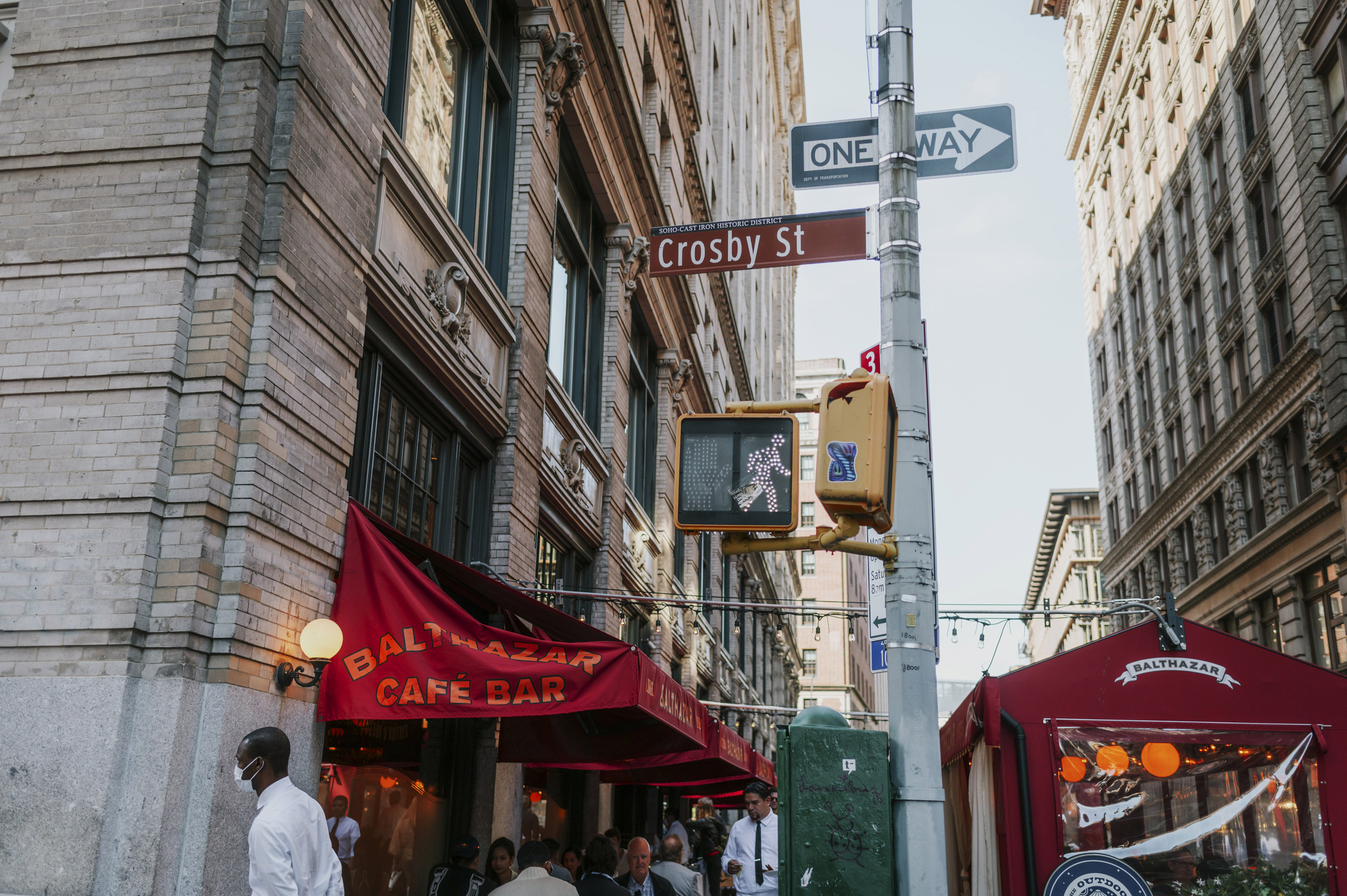
Did you know that the cast-iron architecture is a huge part of Soho's identity? These buildings are seriously stunning. They have this amazing industrial-chic aesthetic. Think ornate details, exposed metalwork, and those signature floor-to-ceiling windows.
Before it was Soho, the area had different names, too. It was part of the city's original street grid. But as things changed, new labels stuck. And "Soho" definitely stuck.
And get this – there’s even a Soho in London! Yep, same name, different continent. Though the vibe is… well, different. New York’s Soho is all about that buzzing, artistic energy. London’s Soho has a reputation for being a bit more… bohemian and entertainment-focused. Still cool, just a different flavor.

Another fun tidbit: The very act of naming an area "Soho" was kind of a new thing. It helped define neighborhoods in a way that felt more modern. It gave people something to call their own, something to rally around.
The Enduring Legacy of S.O.H.O.
So, next time you’re in New York, and you find yourself wandering through the charming streets of Soho, take a moment. Look up at those beautiful cast-iron buildings. Think about the artists who once called this place home. And remember that this iconic neighborhood, with all its style and flair, simply started as a way to say, "Hey, this is the area south of Houston Street."
It’s a reminder that even the most glamorous places often have humble beginnings. And that a simple name, given enough time and creativity, can become a symbol of something much, much bigger. It’s a testament to the power of art, of innovation, and of, well, just finding a cool place to hang out.
It's a neighborhood that truly embodies the spirit of New York: constantly evolving, always surprising, and forever cool. So, yeah, "South of Houston Street" might sound a bit plain. But the story it tells? That’s anything but.