
What Does B Mean On An Automatic Car
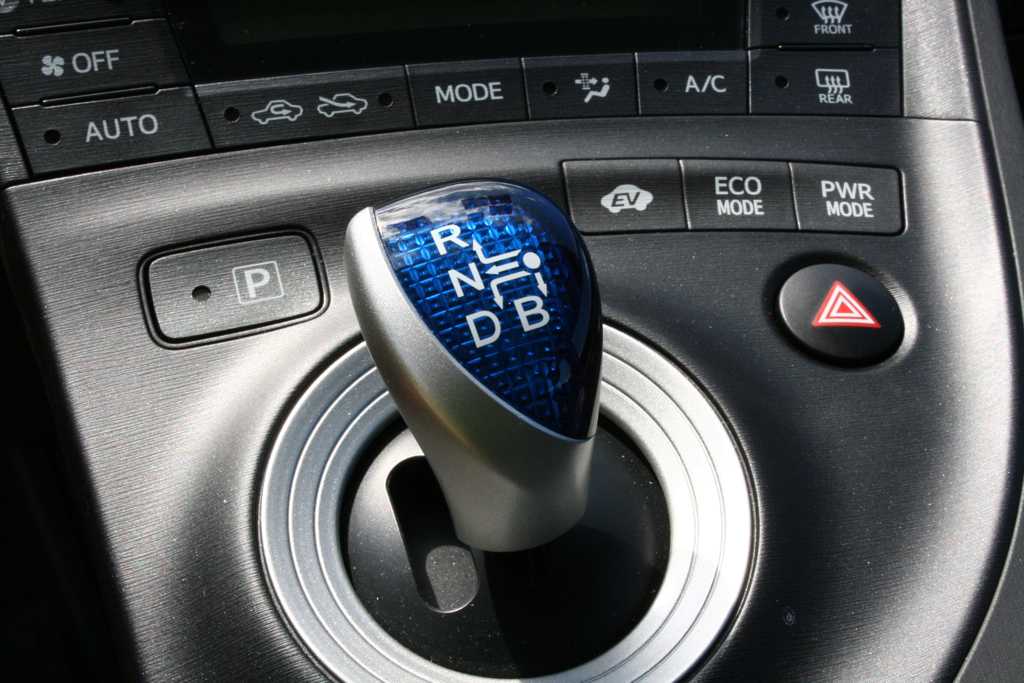
Ever hopped into a friend’s car, or maybe even your own, and spotted that mysterious little ‘B’ nestled amongst the usual P, R, N, and D? You’re probably thinking, “Okay, what’s going on here? Is this some secret ninja mode for cars?” Well, if you've ever wondered what that 'B' is all about on your automatic car, you're definitely not alone. It’s one of those little quirks of modern driving that can leave you scratching your head, but trust me, it’s actually pretty neat once you get the hang of it.
So, what exactly does ‘B’ stand for? Drumroll please… it stands for ‘Brake’. Yep, that’s right. Not ‘Boost’ or ‘Banana’ (though wouldn’t that be fun?). It’s all about helping you slow down. Now, I know what you’re thinking: “But I have a brake pedal, don’t I?” And you’re absolutely right! We all do. The ‘B’ gear is like a helpful co-pilot for your braking, especially when you’re heading downhill.
The Downhill Dilemma
Think about those long, winding roads that snake down a mountain. You know the ones, where you’re constantly tapping the brake pedal to keep your speed in check? It can be a bit of a workout for your foot, and if you’re not careful, you can end up overheating your brakes. That’s where our friend ‘B’ swoops in to save the day!
When you shift into ‘B’, your car is essentially telling its engine to do some of the braking for you. It’s like when you’re cycling downhill and you ease off the pedals, letting gravity do its thing but also using the resistance of your legs to control your speed. Or imagine you’re pushing a shopping cart and you decide to let it coast a bit downhill – you’re not actively pushing, but you’re still managing its momentum. The ‘B’ gear works on a similar principle, using the engine’s resistance to slow the car down more effectively than just letting it roll in ‘D’ (which is your standard Drive mode).
Engine Braking Power!
This process is often called ‘engine braking’. In ‘B’ mode, the transmission is geared in a way that creates more resistance when you lift your foot off the accelerator. It’s not a sudden lurch, mind you. It’s a gentle, controlled deceleration. So, instead of relying solely on your brake pads, which can get hot and wear out over time, you’re using the power of the engine itself to help you slow down. Pretty clever, huh?
It’s kind of like having an extra set of hands on a roller coaster. When you're going down a big drop, the restraints hold you in, but imagine if there were also little brakes helping you ease into the turns. That's the kind of support ‘B’ mode provides. It’s all about making your drive smoother and safer, especially in situations where you’d otherwise be doing a lot of continuous braking.

You might also notice that when you’re in ‘B’, your engine might sound a little… different. It might rev a bit higher than you’re used to when you’re not accelerating. Don’t freak out! That’s just the engine working harder to create that braking effect. It’s like a dog pulling back on its leash just a little bit to slow you down, but in a really controlled and friendly way.
When Should You Use ‘B’?
So, the million-dollar question: when exactly should you be flipping that gear selector to ‘B’? The most obvious answer, as we’ve touched on, is when you’re going downhill. Long descents, steep inclines – that’s prime time for ‘B’ mode. It’s especially useful if you’re towing something, as the extra weight can make your normal brakes work overtime.
Think of it like this: if ‘D’ is for cruising on a flat road, then ‘B’ is for navigating those majestic mountain passes or even just those everyday hills that can get a bit tiring for your brakes. It’s a proactive way to manage your speed and reduce wear and tear on your vehicle. It’s like giving your car a little massage for its braking system.
Another scenario where ‘B’ can be your best friend is in heavy, stop-and-go traffic, especially if it involves a lot of downhill sections. Instead of constantly feathering the brake pedal, you can use ‘B’ to maintain a slow, steady speed. It makes the experience much less stressful for you and kinder to your car.
Some people even use ‘B’ in snowy or icy conditions. Because it provides a more controlled deceleration without the direct application of the brakes, it can sometimes offer a bit more stability and reduce the chance of skidding. However, it’s important to remember that ‘B’ is not a substitute for proper winter tires or cautious driving. Always err on the side of caution when the weather gets dicey!
Not Just for Hills Anymore! (Hybrid and EV Cars)
Now, here’s where things get even more interesting, especially if you drive a hybrid or an electric vehicle (EV). For these types of cars, the ‘B’ mode often plays a slightly different, but equally cool, role. In hybrids and EVs, ‘B’ can also be used to enhance regenerative braking.
What’s regenerative braking, you ask? Well, it’s basically a super-smart system where your car captures the energy that would normally be lost as heat during braking and converts it back into electrical energy. This stored energy then goes into recharging your car’s battery. Pretty neat, right? It’s like getting free energy every time you slow down!
When you’re in ‘B’ mode in a hybrid or EV, this regenerative braking effect is usually much more pronounced. It means that when you lift your foot off the accelerator, the car will slow down more aggressively, and in doing so, it will recapture more energy to put back into the battery. It’s like a super-efficient energy-harvesting machine.
So, for hybrid and EV drivers, ‘B’ mode is not just about going downhill. It’s a way to maximize your car’s efficiency and potentially extend your driving range. It’s like having a built-in charger that kicks in every time you take your foot off the gas. It makes the driving experience feel more dynamic and engaging.
Think of it like this: in a regular car, ‘B’ is like a helpful braking assistant. In a hybrid or EV, it's like a super-powered energy collector that also helps you brake! It's a testament to how far car technology has come, offering drivers more control and efficiency.
Is it Always Necessary?
So, do you have to use ‘B’ mode all the time? Absolutely not! Most modern automatic cars are perfectly capable of handling everyday driving in ‘D’. Your regular brakes are designed to do their job, and they’re quite robust.
‘B’ mode is more of an enhancement. It’s a tool that can make your drive more comfortable, safer, and more efficient in specific situations. If you rarely encounter long downhill stretches or drive a standard gasoline car, you might not find yourself reaching for ‘B’ very often, and that’s completely fine.
However, understanding what ‘B’ does can be really empowering. It gives you a deeper appreciation for how your car works and offers you another option for managing your driving experience. It’s like knowing there’s a secret shortcut on a familiar route – you don’t have to take it, but it’s good to know it’s there!
Next time you’re behind the wheel of a car with that little ‘B’ on the gear selector, don’t just ignore it. Give it a try on your next downhill journey. You might find it makes your drive a whole lot smoother and gives you a little more peace of mind. It’s a small letter on your dashboard, but it represents a rather cool piece of automotive engineering designed to make your life on the road just a little bit easier.