
What Does An Asbestos Wall Look Like
Hey there, curious minds and home explorers! Ever found yourself staring at your walls, wondering about their secret past? You know, those sneaky little stories they might be hiding behind their paint or wallpaper. Well, today we're going on a lighthearted adventure into the fascinating (and sometimes dusty!) world of asbestos walls. Don't worry, it's not a spooky ghost hunt; it's more like a treasure hunt for knowledge!
Imagine your walls are like a historical novel, with each layer telling a tale of different eras. In the mid-20th century, around the 1930s to the 1970s, building materials were having a bit of a party, and asbestos was invited to everything! It was like the glitter of the construction world – shiny, strong, and added to all sorts of things to make them… well, better, they thought at the time. So, our walls might have had a sprinkle of this mineral magic in them.
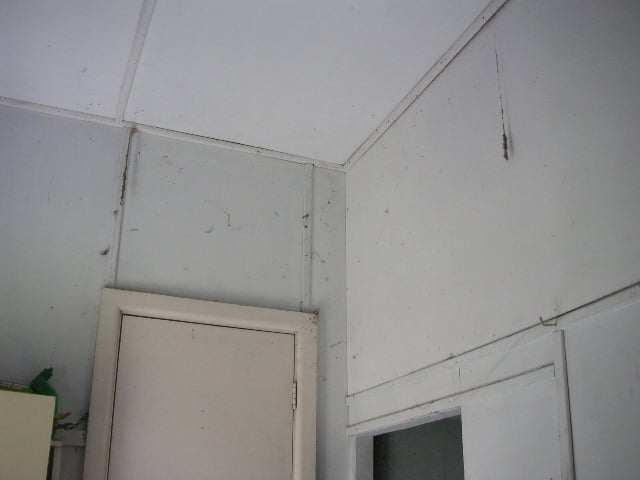
Now, the million-dollar question: what does an asbestos wall look like? The honest truth is, most of the time, it looks like… any other wall! Yep, you heard that right. If your wall is painted, plastered, or covered in wallpaper, you probably wouldn't be able to tell if asbestos was a guest star just by glancing at it. It’s like trying to spot a tiny ant at a giant picnic; it’s there, but not exactly the main attraction on the surface.
Think of it this way: asbestos was usually mixed into other building materials, like a secret ingredient in a cake. It wasn't typically slapped on as a standalone layer that screamed, "Hello, I'm asbestos!" Instead, it was blended into things like:
- Plaster and Wallboard: Especially older types, where it might have been added for strength and fire resistance.
- Insulation: Sometimes tucked behind your walls for warmth.
- Textured Paints and Coatings: Remember those bumpy, cottage-cheese-like ceiling textures from the 70s? Asbestos loved to hang out in those!
So, on the outside, your wall could be as smooth as a baby's bottom or as textured as a well-loved denim jacket. The asbestos is hiding, playing coy, within the materials that make up the wall itself. It’s a bit of a shy celebrity; it’s there, contributing to the wall’s overall "personality," but it doesn't often show its face.

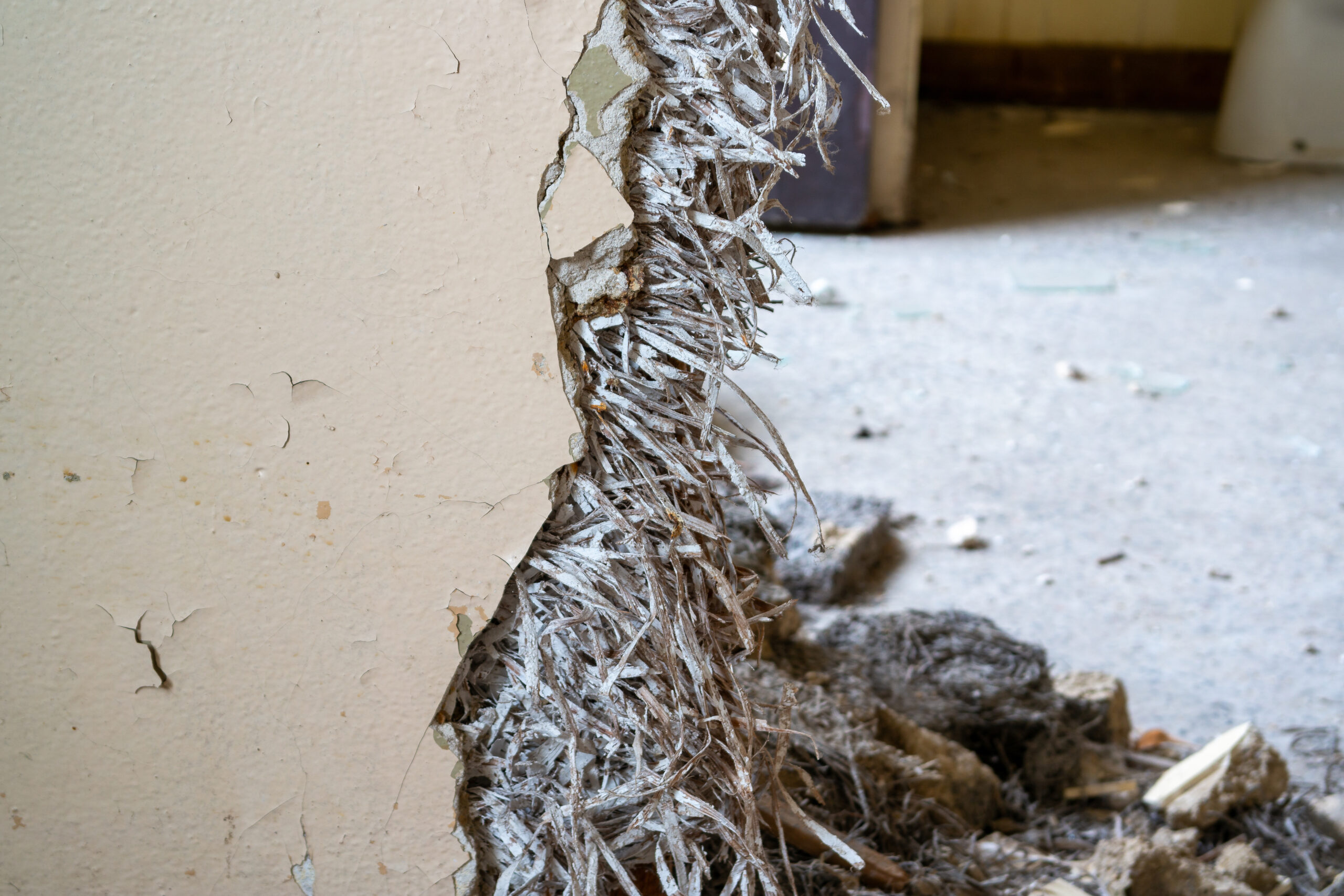
But here's where things get a tiny bit more revealing. If you were to, hypothetically, I’m talking hypothetically here, get a little peek behind the scenes – perhaps during a renovation, or if a piece of the wall decided to take an unexpected vacation – you might notice something different.
Let's talk about those older, textured surfaces. Imagine a popcorn ceiling, that delightful (or dreadful, depending on your taste!) bumpy texture that screams "groovy 70s!" If your ceiling or walls have this kind of texture, and they were done in the asbestos era, there's a chance it could be lurking within that bumpy goodness. The texture itself isn’t asbestos, but the material mixed into it might be. It's like finding a raisin in your cookie – the raisin isn't the whole cookie, but it's definitely a part of it!
Another visual clue, though again, only if you're looking closely or if something is disturbed, is in the texture of plaster or wallboard. Sometimes, asbestos made these materials a bit more dense and, dare I say, interesting in their composition. If you were to chip off a small piece (again, hypothetically, please don’t go chipping your walls!), and examined it closely, you might see a slightly fibrous or gritty appearance, but this is super subtle and really requires a magnifying glass and a keen eye.
Think about old insulation too. If you ever see really old, fluffy insulation in your attic or walls that looks a bit like grey wool or even has a slightly sparkly appearance, that could be a sign. While not directly on the wall surface, it’s part of the wall system. It’s like finding a hidden pocket in your favorite old jacket; it's not the jacket's exterior, but it's an integral part of its comfort and function.
Here’s the most important, and I cannot stress this enough, most important part: You cannot tell for sure if a wall contains asbestos by just looking at it. I know, it’s a bit of a spoiler alert, but it's crucial! This isn't a detective novel where you can deduce the culprit from a footprint. Asbestos is invisible to the naked eye when it's mixed into materials. It needs a superhero of science, a special lab coat wearer, to confirm its presence.
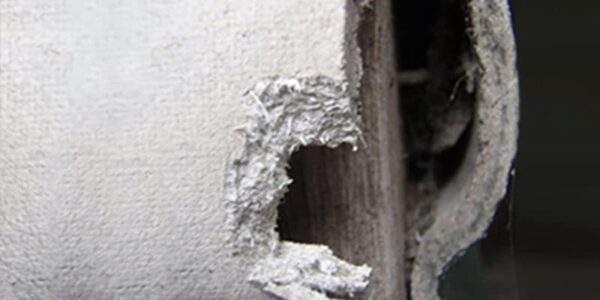
So, what does this mean for you and your delightful dwelling? It means that if you have an older home, built before the mid-1980s (when asbestos was pretty much told to pack its bags and leave the construction party for good), there’s a possibility it’s in your walls. But again, it's usually only a concern if these materials are damaged, disturbed, or crumbling. If your walls are in tip-top shape, holding their paint with pride and their plaster with purpose, the asbestos is likely still tucked away, minding its own business.
Imagine your wall is like a perfectly made sandwich. The bread, the fillings, the condiments – they're all visible and identifiable. Asbestos, when mixed in, is like a secret spice blend. You can't see the individual spices, but they contribute to the overall deliciousness (or in this case, the material's properties). You only really notice the spices if you were to, say, pulverize the sandwich and analyze its components.
The key takeaway here is about condition. If your walls are smooth, painted, and look generally well-maintained, the asbestos (if present) is likely bound up tightly within the material. It's like a sleeping dragon; not causing any trouble as long as it's left undisturbed. The danger arises when that dragon wakes up – when the material is damaged.

So, if you’re thinking about renovations, or if you notice a strange crack or crumbling section, that’s when a little more attention is warranted. It’s not about panicking and thinking your entire house is a ticking time bomb; it’s about being informed and cautious. Think of it like spotting a loose button on your favorite shirt. You don’t throw the shirt away, but you might get it fixed before the button completely falls off.
In essence, an asbestos wall, from a visual standpoint, is usually just a wall. It looks like its neighbors, it feels like its neighbors, and it functions like its neighbors. The "asbestos" part is a hidden characteristic, a silent partner in the wall's construction. It’s less about a distinct visual appearance and more about the potential presence within materials that were common in a certain era.
So next time you’re admiring your walls, give them a little nod of appreciation. They’ve likely seen a lot, and who knows what fascinating stories, or even what well-intentioned but now-outdated ingredients, they might be holding. Just remember, if you're ever in doubt, a professional is always your best bet for a definitive answer. Happy and healthy home exploring!