
What Does A Healing Tattoo Look Like

So, you've got a tattoo. Or maybe you're dreaming of getting one. Either way, you've probably heard whispers about the "healing" part. It sounds a bit like a superhero origin story, doesn't it? Like your skin is going through a tiny, epic battle to embrace its new artwork.
But what does this "healing" actually look like? Forget sterile white bandages and hushed whispers. It's a bit more... dramatic, and surprisingly, often a little bit funny.
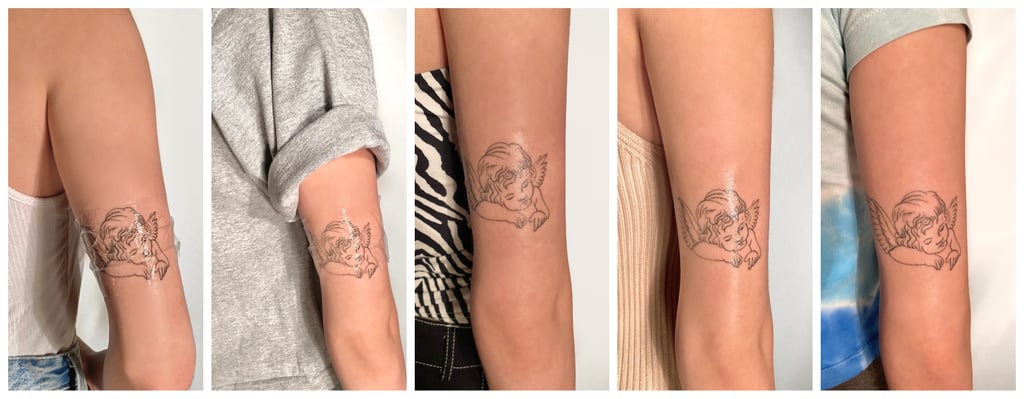
Imagine your fresh ink. It's bright, bold, and practically glowing with newness. It’s sitting there, proud as punch on your skin. This is the "just born" phase, where it’s the star of the show and everyone wants a peek.
Then, things start to get interesting. After a day or two, you might notice your beautiful tattoo looking a little… matte. The vibrant shine that made it pop might fade a bit. It's like your tattoo is deciding to take a slight power nap.
And then comes the peeling. Oh, the peeling! This is where things get truly fascinating, and yes, a little bit gross, but in a good way. It’s like your skin is shedding its old, tired self to reveal the perfectly healed tattoo underneath.
Think of it like a tiny, artistic snake shedding its skin. Little flakes of ink-infused skin will start to lift away. Don't be alarmed; this is a sign that your body is doing exactly what it's supposed to be doing. It’s a badge of honor, really.
Some people describe it as looking like fine, colorful dandruff. Others say it’s like tiny, papery confetti made of your tattoo. It’s a visual representation of your body saying, "Okay, I've absorbed all this awesome art, now let's get this old layer out of the way!"
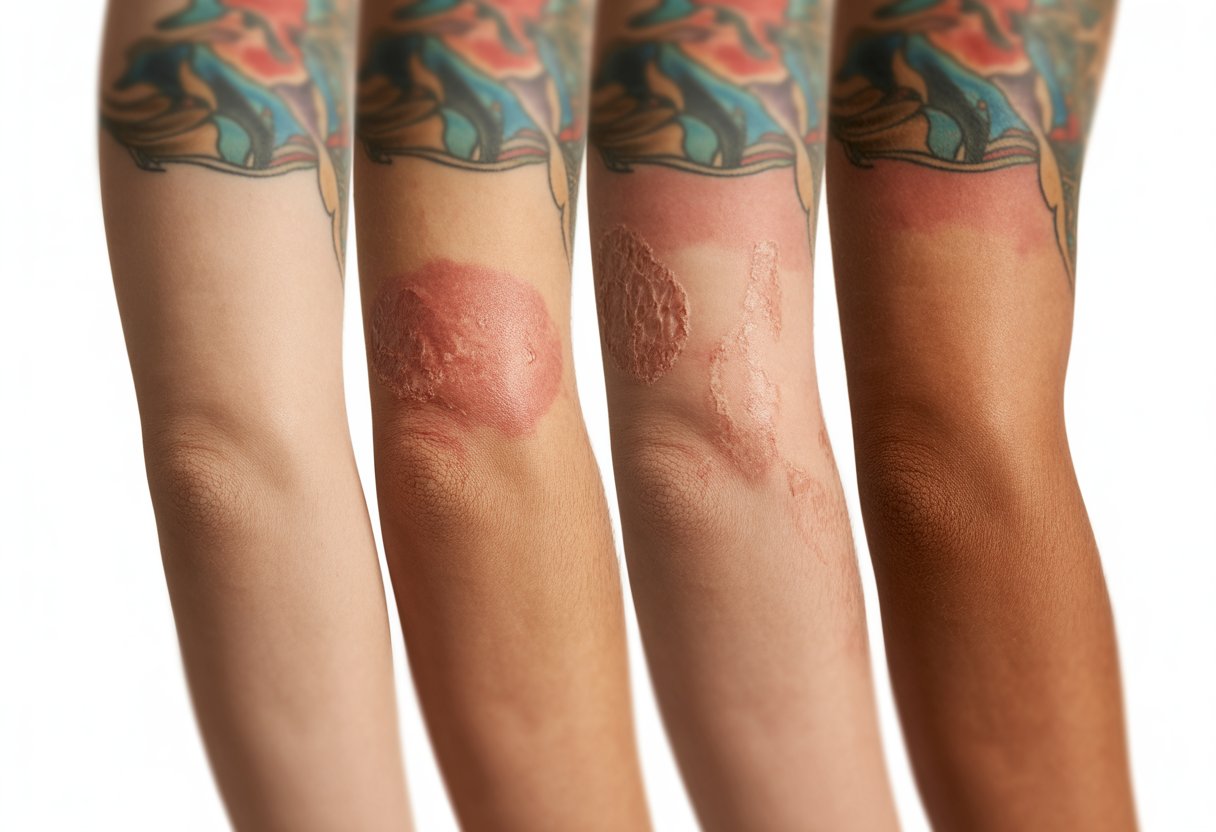
You might also notice a bit of redness around the tattooed area. This is your skin saying, "Hey! Something new happened here!" It's like a gentle blush, acknowledging the transformation that's taking place. It usually subsides as the healing progresses.
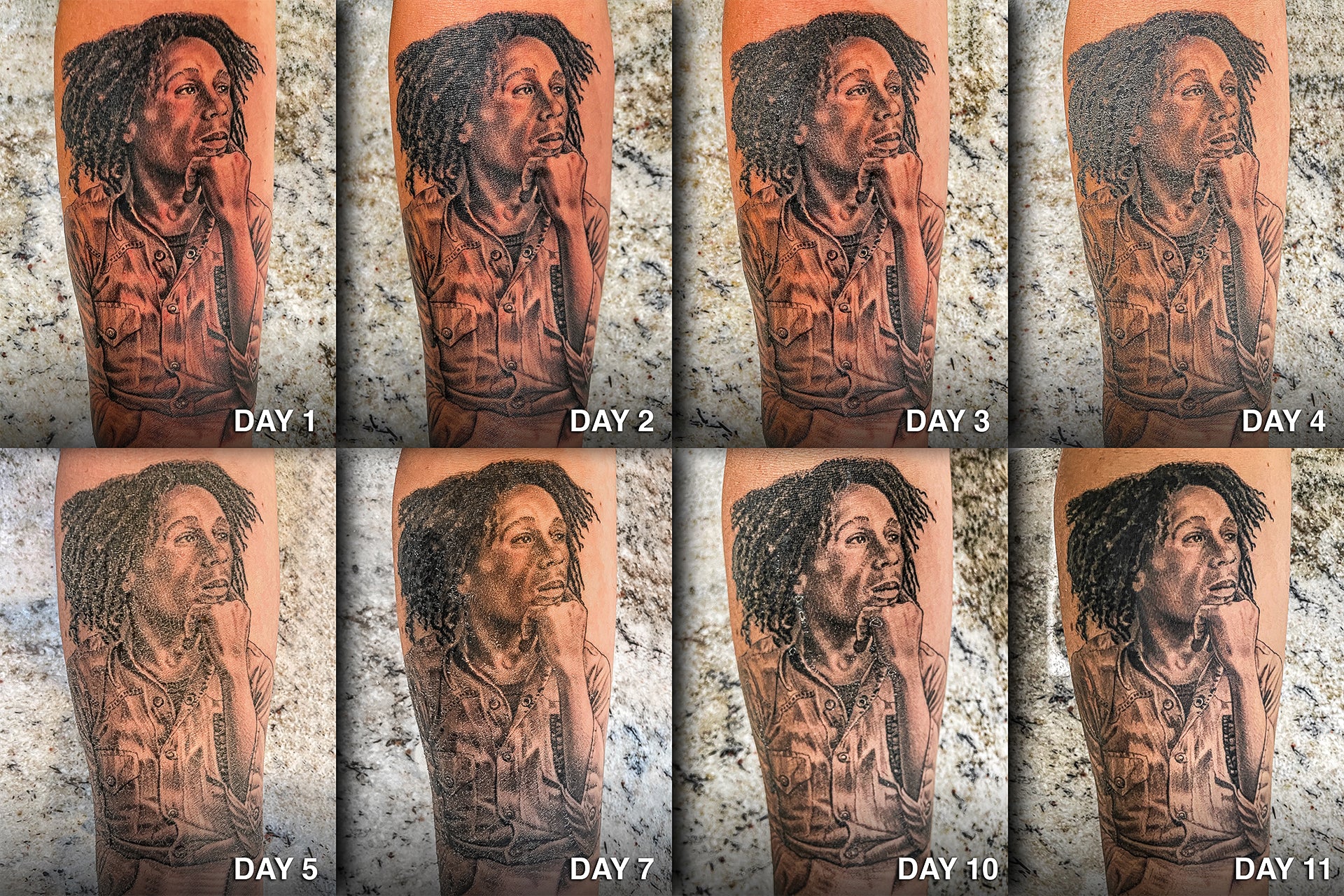
During this peeling phase, your tattoo might look a little dull or muted. The colors might seem less intense. This is totally normal! Your skin is still working its magic, and the true vibrancy will return once the healing is complete.
It’s a bit like watching a caterpillar transform into a butterfly. You can’t quite see the magic happening inside the chrysalis, but you know something beautiful is brewing. Your tattooed skin is doing the same thing.
You might also feel a bit of itchiness. This is arguably the most challenging part of the healing process. Your body is signaling that it’s healing and that it wants you to resist the urge to scratch. Think of it as a playful taunt from your skin.
Resist the urge! Scratching can mess with the ink and even lead to infection. It’s a test of your willpower, a small trial for the enduring beauty of your artwork. Imagine a tiny, invisible wizard is tickling you.
As the peeling continues, you'll start to see the healed tattoo emerge. It will look smoother, and the colors will begin to regain their depth. It’s like the fog is lifting, revealing a clearer, more defined picture.
The edges of your tattoo will become sharper. The lines that might have seemed a little blurred during the peeling will tighten up. It's a subtle but significant change, like a photograph coming into perfect focus.
Sometimes, you might notice little "shiny spots" or areas where the ink seems less solid. This is often called "blowout" or scarring. Don't panic! Most of the time, these are minor and can often be touched up by your tattoo artist later on.
Think of them as tiny, quirky quirks that make your tattoo unique. They are part of its personal journey. Your tattoo is telling a story, and these little imperfections are just chapter details.
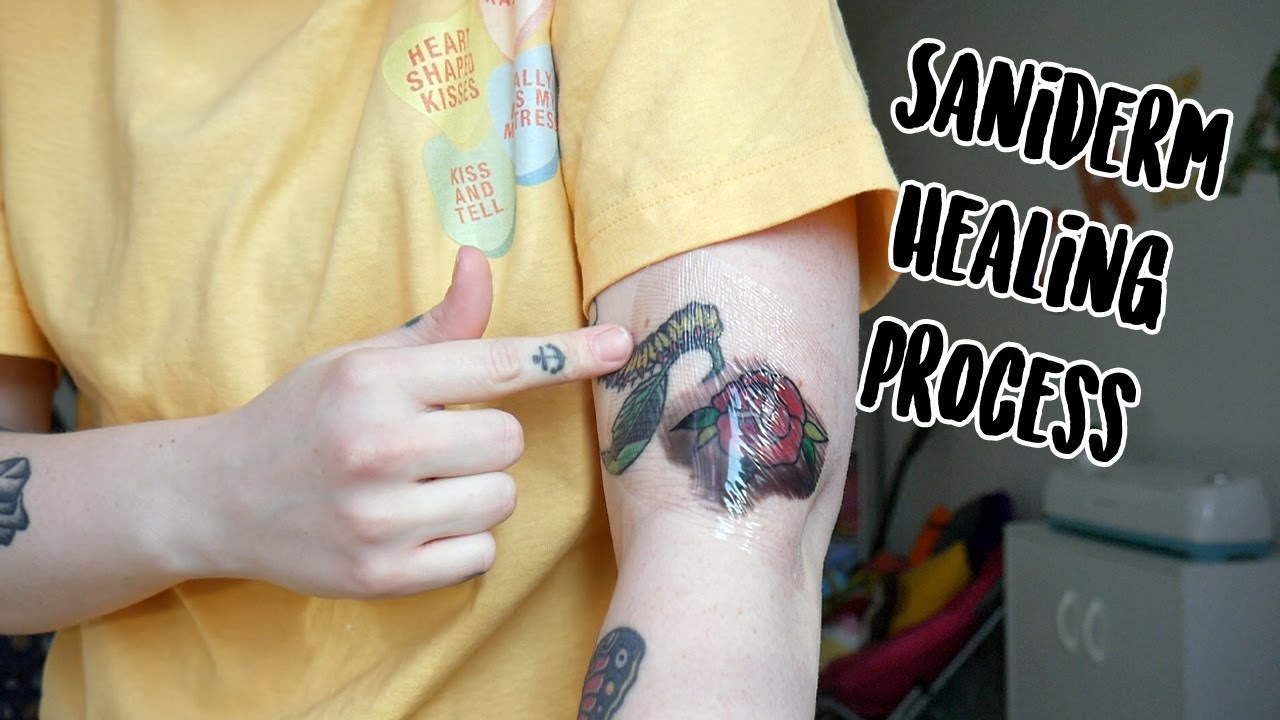
The skin might also feel a little dry and tight. It’s like your skin is stretching and working overtime. A good moisturizer, specifically recommended by your tattoo artist, is your best friend during this time.
This moisturizer helps to soothe the dryness and keeps the skin supple. It’s like giving your skin a spa treatment after a long day of hard work. Your tattoo will thank you for it.
After a few weeks, the peeling will stop, and the redness will disappear. Your tattoo will start to look more like its final form. It will be settled into your skin, looking like it's always been there.
The colors will deepen and settle. The lines will become crisp. It will feel smooth to the touch, no longer raised or sensitive. It’s the grand unveiling!
What you're left with is your artwork, beautifully integrated into your skin. It’s no longer a fresh wound, but a permanent part of you. It’s a testament to your body’s amazing ability to heal and adapt.
Some tattoos heal with a slightly different sheen than others. A tattoo with a lot of black ink might have a different texture than one with delicate color work. It’s like different fabrics having different finishes.
For example, a bold tribal piece might heal with a very solid, almost matte finish. A watercolor tattoo, on the other hand, might retain a slightly softer, more blended look.
The location of the tattoo also plays a role. Tattoos on areas with more movement, like elbows or knees, might take a little longer to heal. Your body is constantly bending and stretching, and the tattoo has to adjust.
Think of it as a dancer performing a complex routine. The tattoo has to be flexible and resilient, just like the dancer.
The care you give your tattoo during the healing process is crucial. Following your artist's instructions diligently is like providing the right nutrients for a growing plant.
Gentle cleaning and proper moisturizing are key. Avoiding sun exposure and harsh soaps is like protecting that delicate new sprout from harsh weather.
After the initial healing, your tattoo will continue to mature. It might look slightly different in six months than it does right after it’s healed. This is a natural process of your skin settling.
It’s like wine aging gracefully. The flavors deepen, and the overall character becomes more complex and rich. Your tattoo does the same, settling into its permanent home.
So, what does a healing tattoo look like? It looks like a work in progress. It looks like your body doing its amazing healing dance. It looks a little messy, a little itchy, but ultimately, it looks like the birth of something beautiful.
It’s a journey from a fresh, raw mark to a permanent, integrated piece of art. It’s a testament to the resilience of the human body and the enduring power of personal expression.
It’s not just ink on skin; it’s a story of transformation. It’s your skin telling you, in its own colorful, slightly scaly way, that it's embracing your chosen masterpiece. And that, my friends, is pretty darn cool.