
What Do You Put Under Vinyl Flooring

Ah, vinyl flooring. The unsung hero of the modern home. It looks good, it's tough, and it's surprisingly easy to clean. But what about what goes under it? This is where things get a little… interesting. Some people get super technical about it. They talk about underlayment and vapor barriers and all sorts of fancy words. But let's be honest, for most of us, it's not that complicated. We just want our floors to look nice and not feel like we’re walking on a hockey rink.
Let's start with the most basic of basics. Sometimes, the answer is simply… nothing. Yep, you heard me. In many cases, the vinyl planks or sheets themselves are designed to be installed directly onto a clean, flat subfloor. It’s like a confident celebrity walking the red carpet without any fancy accessories. They’re already fabulous on their own.
But what if your subfloor is a little… less than red carpet ready? Maybe it’s got some bumps. Or maybe it’s a bit uneven. This is where a little something extra might come into play. Think of it as a little bit of foundation work for your flooring diva.
One of the most common things you might find peeking out from under vinyl is something called an underlayment. It's like a comfy mattress for your floor. It provides a bit of cushioning. It can also help with sound dampening. So, your footsteps aren’t quite so… percussive.
Now, there are different types of underlayment. Some are thin foam sheets. Others are thicker, more robust materials. It really depends on the type of vinyl you're using and the existing subfloor. It’s like choosing the right pair of socks for your outfit. You wouldn’t wear athletic socks with a formal gown, right?
And then there’s the dreaded moisture. Especially if you're installing vinyl in a basement or a bathroom, water can be a real party pooper. For these moisture-prone areas, you might need something called a vapor barrier. This is basically a shield. It stops any sneaky moisture from creeping up through the subfloor and causing trouble for your lovely vinyl.
Imagine your vinyl floor as a perfectly sculpted dessert. The underlayment is the delicate layer of frosting. The vapor barrier is like the protective cling film, keeping everything fresh and intact. You don't want soggy cake, do you?
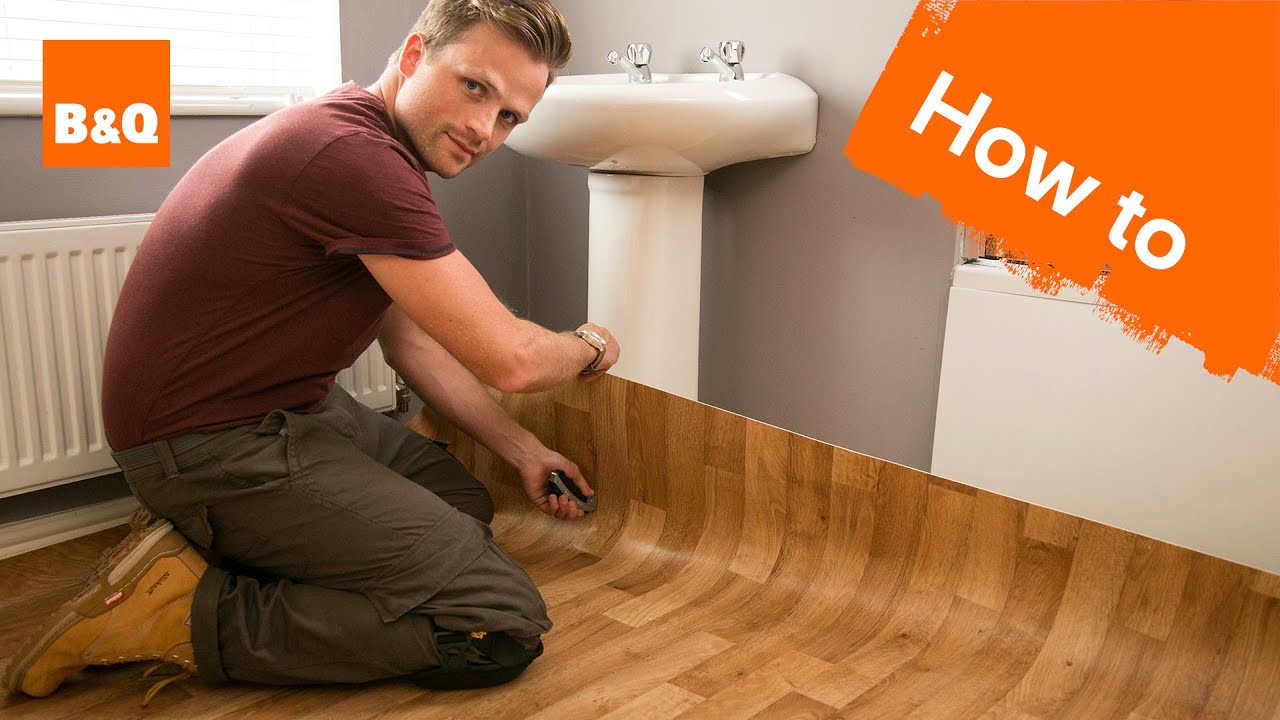
Sometimes, people get really creative. I’ve heard tales of people using old newspapers. Or even bits of cardboard. While I admire the spirit of DIY resourcefulness, I have to gently suggest… maybe stick to the stuff the professionals recommend. Your floor will thank you.
You see, the wrong kind of padding can actually be a bad thing. Too much squishiness can make your vinyl feel unstable. It can even lead to the seams coming apart. So, it’s not about cramming as much soft stuff as possible under there.
It’s more about finding that sweet spot. That perfect balance of support and comfort. Like Goldilocks with her porridge. Not too hard, not too soft, but just right.
Let’s talk about the subfloor itself. Most of the time, you'll be dealing with either plywood or concrete. These are the workhorses of the flooring world. They provide the sturdy base for everything else.
If you have a concrete subfloor, especially a new one, it might already be pretty smooth. But sometimes, it can be a bit rough around the edges. You might need to use a self-leveling compound. This magical goo fills in any low spots. It creates a perfectly flat surface. It’s like giving your concrete a spa treatment.
Plywood subfloors are generally pretty good. But they can sometimes have little gaps or imperfections. A good cleaning and perhaps a light sanding are often all that's needed. You want it to be as smooth as a baby’s… well, you know.
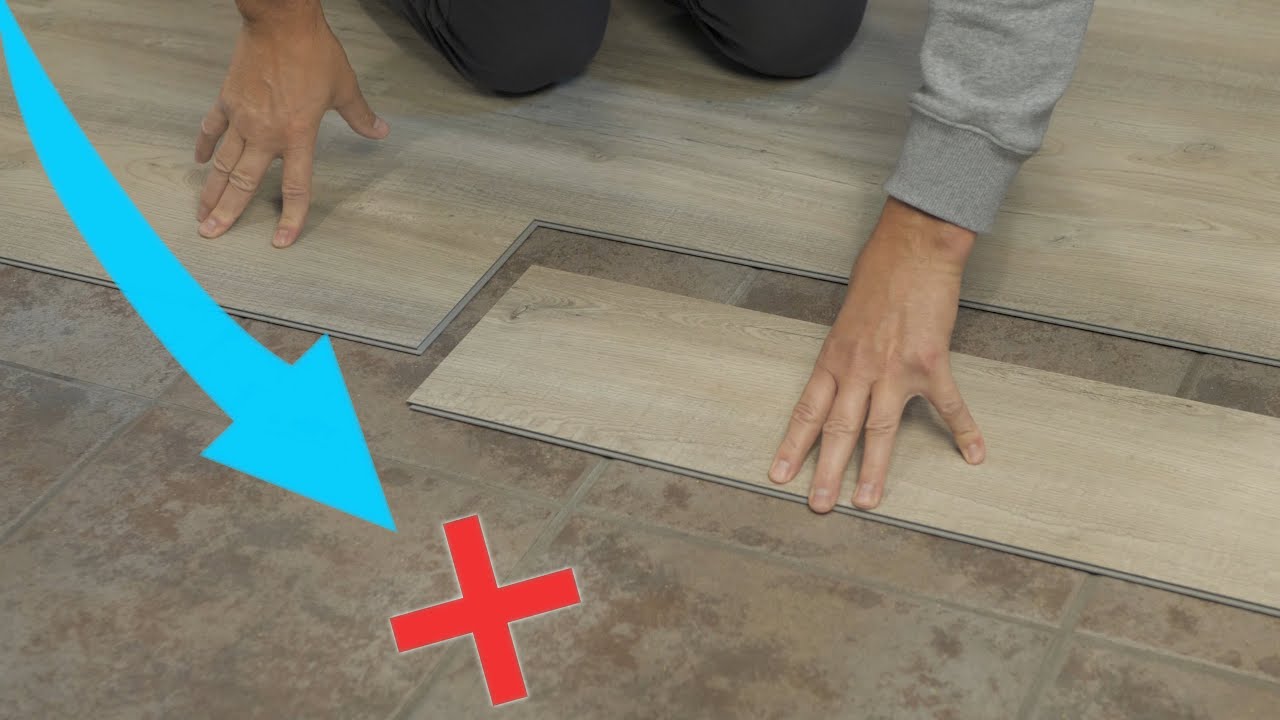
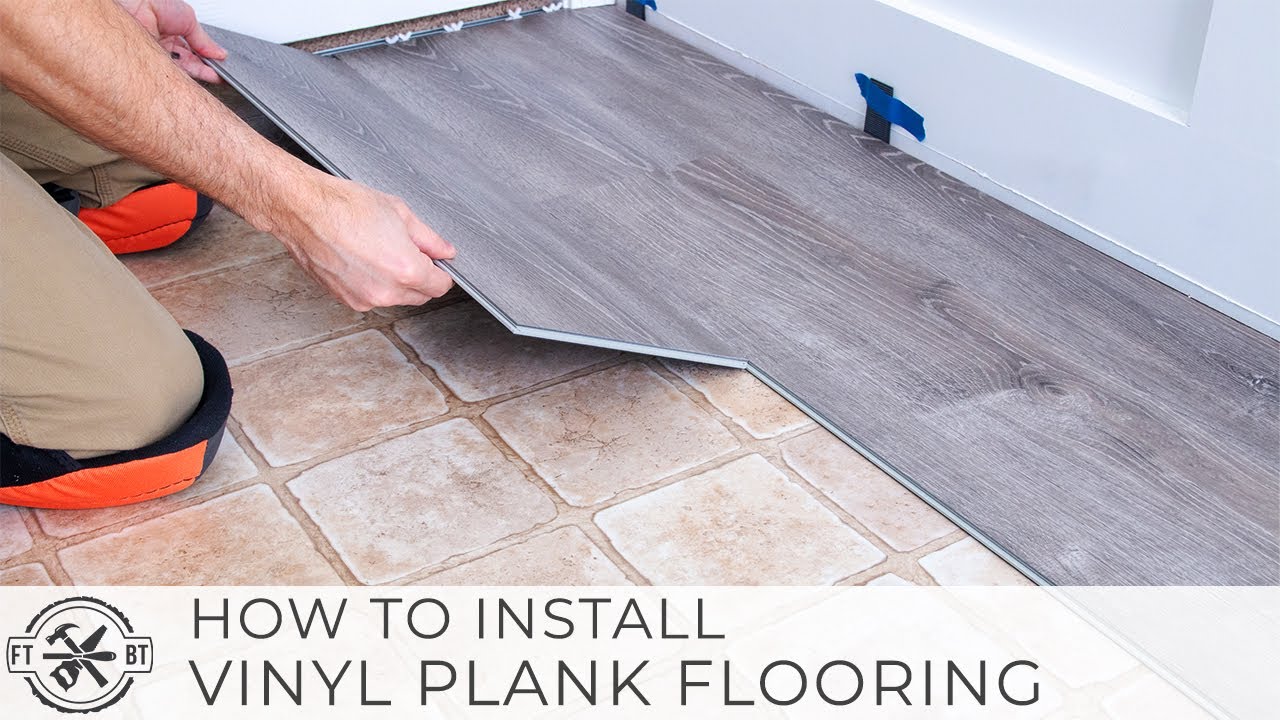
And what about existing flooring? Sometimes, you might be tempted to just lay vinyl right over old tile. Or maybe even old linoleum. This is where you have to be careful. Not all old floors are created equal. They need to be smooth, level, and well-adhered.
If you’re considering going over old flooring, make sure it’s flat. Give it a good stomp. Does it move? If it wobbles, it’s probably not a good idea. Your new vinyl deserves a solid foundation, not a jiggly Jell-O mold.
This is also where the underlayment can come in handy again. It can help to bridge small imperfections. It can add a little extra insurance against any minor lumps and bumps.
/cdn.vox-cdn.com/uploads/chorus_image/image/65891755/howto_vinylfloor_05.0.jpg)
Some people even ask about things like old carpeting. Please, for the love of all that is holy, do not put vinyl over carpet. It’s like trying to build a skyscraper on a cloud. It’s not going to end well. The carpet will compress unevenly. Your vinyl will buckle and warp.
So, to recap. What do you put under vinyl flooring? Well, it depends! Sometimes, it's nothing but a clean, flat subfloor. That’s the minimalist approach.
Other times, it's a trusty underlayment. This is for that extra bit of comfort and soundproofing. Think of it as your floor’s cozy blanket.
And for those damp environments, a vapor barrier is your best friend. It’s your floor’s superhero cape, protecting it from moisture’s evil plans.
And don't forget the importance of a smooth and level subfloor. Whether it’s concrete or plywood, it needs to be in tip-top shape. No one likes a wobbly table, and no one likes a wobbly floor.
The key is to consult the specific installation instructions for your chosen vinyl flooring. They are like the ancient scrolls of wisdom for your floor project. They will tell you exactly what your vinyl is expecting.
Sometimes, it's about simplicity. Other times, it's about protection. And sometimes, it's just about making sure your floor feels as good as it looks. Because a beautiful floor that feels like walking on Lego bricks is just… sad.
So, next time you’re contemplating your vinyl flooring project, remember this: it’s not just about the pretty top layer. It’s about the thoughtful layers beneath. The unsung heroes that make it all work. And that, my friends, is a beautiful thing.