
Sensorineural Hearing Loss Versus Conductive Hearing Loss

Ever found yourself struggling to catch a whisper in a noisy restaurant, or perhaps wondering why certain sounds just don't seem to reach you as clearly as they used to? Well, you're not alone! Understanding how we hear and what can go wrong is a fascinating journey into our own biology. It’s like unlocking a secret code to the amazing world of sound. This isn't about doom and gloom; it’s about empowerment and understanding, and frankly, it’s pretty cool when you think about it. Knowing the difference between the two main types of hearing loss, Sensorineural Hearing Loss and Conductive Hearing Loss, is super useful. It helps us figure out what might be happening and, more importantly, what can be done about it.
Think of your ear as a sophisticated sound-capturing and transmitting system. It's divided into three main parts: the outer ear, the middle ear, and the inner ear. Each part plays a crucial role in transforming sound waves from the environment into electrical signals that your brain interprets as sound. When any part of this intricate system is disrupted, hearing loss can occur. The good news is that knowing the specific type of disruption can lead to targeted solutions and better management.
The Roadblocks: Conductive Hearing Loss
Let’s start with Conductive Hearing Loss. Imagine your ear is a superhighway for sound. Conductive hearing loss is like encountering a roadblock on that highway. This type of hearing loss happens when sound waves have trouble traveling through the outer ear or the middle ear to reach the inner ear. It’s not that the inner ear isn't working; it’s just that the sound signal is being blocked or weakened on its way there.
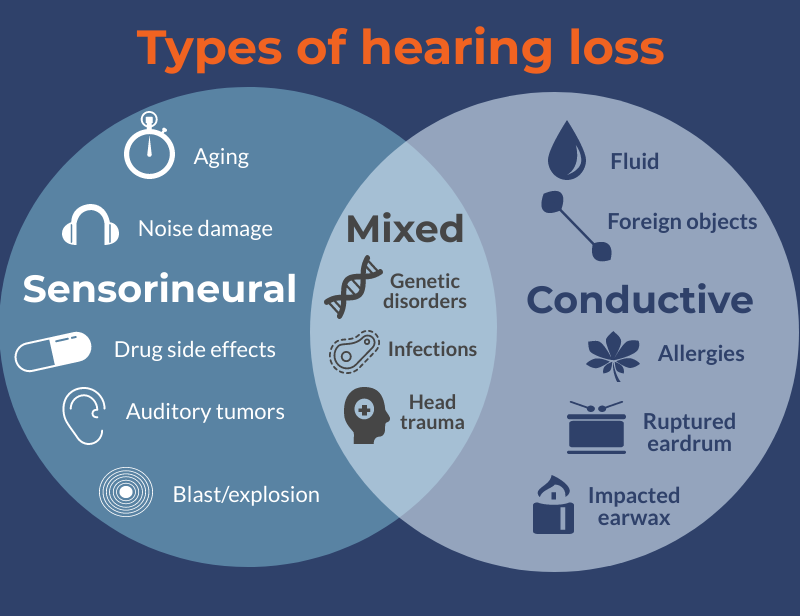
What causes these roadblocks? Several things can lead to conductive hearing loss. Sometimes it’s something simple and temporary, like a buildup of earwax in the ear canal. You know that waxy stuff? Too much of it can act like a plug, muffling sounds. Other times, it could be an ear infection in the middle ear, which can cause fluid to accumulate, interfering with the tiny bones in your ear that vibrate to send sound to the inner ear. Think of those bones – the malleus, incus, and stapes – as a delicate chain. If fluid or inflammation disrupts their movement, the sound signal gets interrupted.
More persistent causes include perforated eardrums (a hole in the eardrum), which can be caused by injury or infection, or otosclerosis, a condition where abnormal bone growth affects the stapes, preventing it from vibrating properly. Even issues with the tiny bones themselves being damaged or dislocated can contribute. The effect of conductive hearing loss is often that all sounds, both loud and soft, are reduced in volume. It’s like turning down the volume knob on the world.

The beauty of conductive hearing loss is that, in many cases, it can be treated or even reversed. If it's earwax, a simple cleaning might do the trick. If it's an infection, medication can clear it up. Surgery can sometimes repair a perforated eardrum or address issues like otosclerosis. The key is identifying the roadblock so it can be cleared!
The Delicate Sensors: Sensorineural Hearing Loss
Now, let’s shift our focus to the other major player: Sensorineural Hearing Loss (often abbreviated as SNHL). If conductive hearing loss is a roadblock on the sound highway, SNHL is more like a problem with the sophisticated traffic sensors or the communication system itself, located in the inner ear. This is where the magic truly happens – where sound waves are converted into electrical signals.
The inner ear contains the cochlea, a snail-shaped structure filled with tiny hair cells. These hair cells are the true heroes; they’re the sensors that translate vibrations from the middle ear into nerve impulses. SNHL occurs when there is damage to these hair cells or to the auditory nerve, which carries those signals from the cochlea to the brain. Once these hair cells are damaged, they generally cannot grow back, making SNHL typically permanent.
What causes this damage? It’s a diverse cast of characters. One of the most common culprits is age-related hearing loss, also known as presbycusis. As we get older, these delicate hair cells can gradually wear out. Another significant factor is exposure to loud noise, whether it’s from concerts, loud machinery, or even loud music through headphones. This is called noise-induced hearing loss, and it’s a real and often preventable cause of SNHL. Think of it as overworking those sensitive sensors!
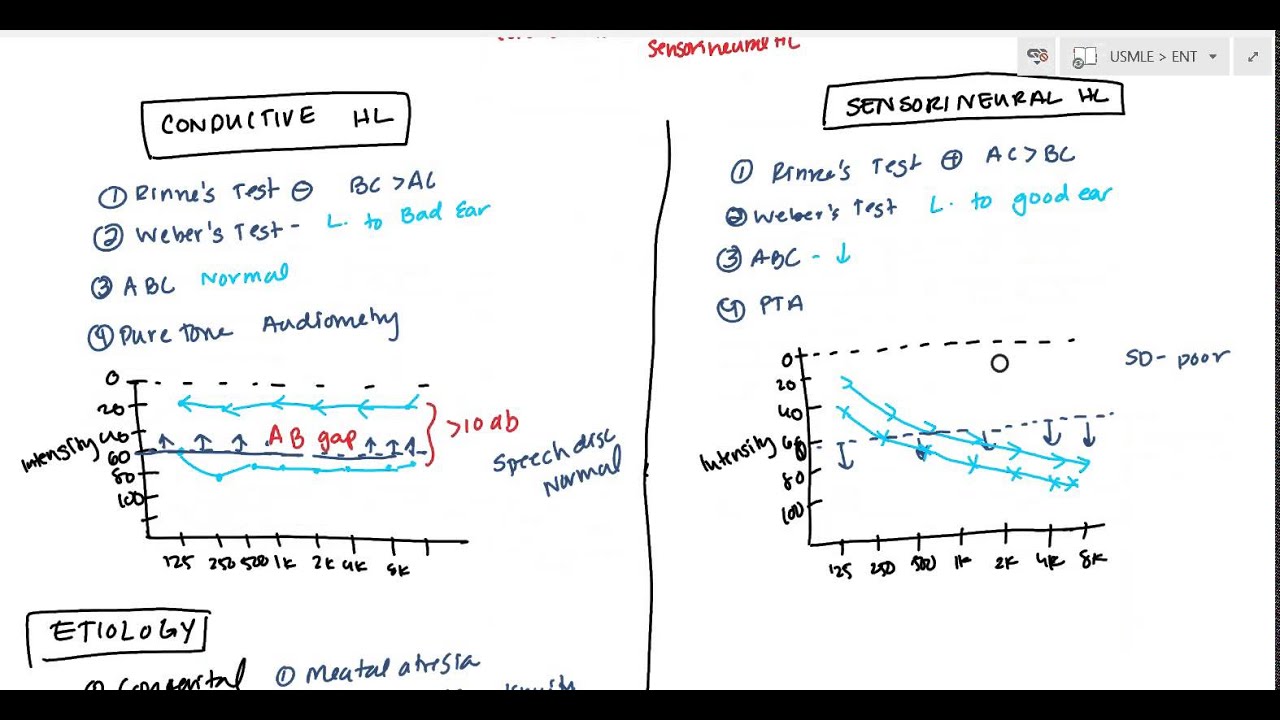
Other causes can include certain medications that are toxic to the ear (ototoxic drugs), genetic factors, certain medical conditions like Meniere’s disease, head injuries, or viral infections. The impact of SNHL can vary widely, from mild difficulty hearing high-pitched sounds to profound hearing loss across all frequencies. It might also affect the ability to understand speech, especially in noisy environments. Sounds might seem muffled, distorted, or you might experience tinnitus (ringing in the ears).
While SNHL often cannot be cured or reversed in the way conductive hearing loss can, there are very effective ways to manage it and improve your quality of life. Hearing aids are the most common solution. These devices amplify sounds, making them easier for the damaged inner ear to process. For more severe cases, cochlear implants might be an option, which bypass the damaged parts of the inner ear and directly stimulate the auditory nerve. Therapy and communication strategies can also play a big role.
Putting It All Together
So, the next time you find yourself adjusting the volume or asking someone to repeat themselves, take a moment to consider: is the sound signal being blocked on its way to the inner ear (conductive), or is there an issue with the inner ear’s ability to process and send the signal (sensorineural)? Knowing the difference isn't just trivia; it's the first step towards understanding and addressing hearing challenges. It's about appreciating the marvels of our hearing system and knowing how to keep it, or manage it, in the best way possible. It’s a useful bit of knowledge that empowers you to have clearer conversations and enjoy the rich tapestry of sound around you!