
Rms Olympic: History & Facts
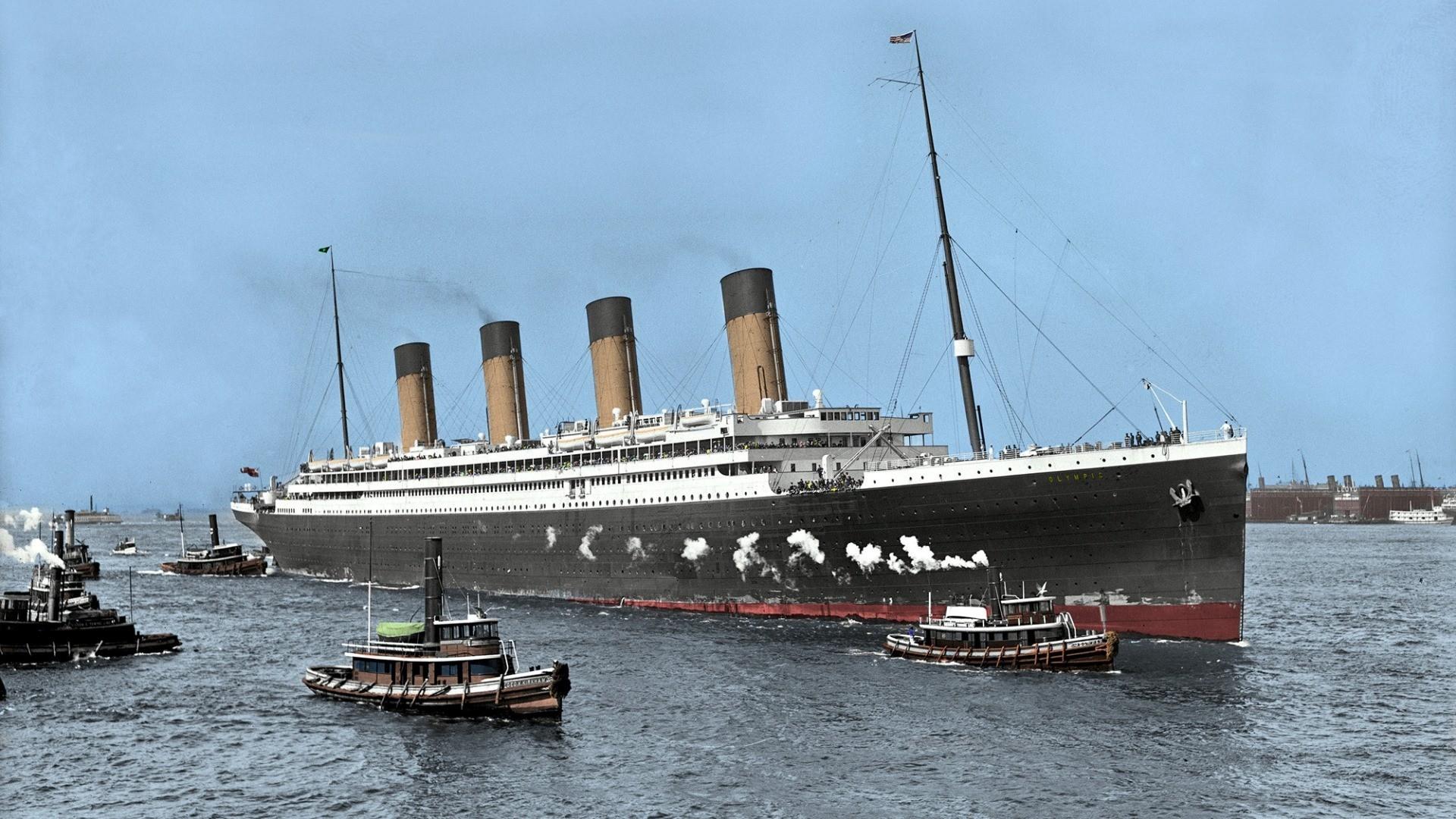
Ever heard of the RMS Olympic? Chances are, when you think of the legendary trio of White Star Line ocean liners, your mind probably jumps straight to the ill-fated Titanic. And who could blame you? Her story is etched into our collective memory. But imagine, for a moment, an equally grand, equally luxurious sister ship, the firstborn of the three, that didn't meet a tragic end. A ship that instead lived a full, fascinating life, saw war, and even sank a submarine. Meet the RMS Olympic – the "Old Reliable" that truly earned her stripes.
In a world obsessed with the dramatic, it's easy for the story of quiet endurance to get overlooked. But trust us, the Olympic's journey is every bit as captivating, offering a refreshing perspective on an era defined by grand ambition and breathtaking engineering. So, grab your favorite brew, settle in, and let's take a leisurely cruise through the remarkable life of a ship that truly sailed through it all.
The Dream of Giants: Birth of the Olympic Class
Picture this: the early 1900s. Transatlantic travel was the epitome of glamour and technological prowess. The White Star Line, a titan in the shipping world, envisioned a trio of liners that wouldn't just be the biggest, but the most luxurious, stable, and comfortable ships ever built. Their names? Olympic, Titanic, and Britannic. The goal wasn't speed, but an unrivaled experience, a floating palace for the elite and a reliable workhorse for immigrants seeking new beginnings.
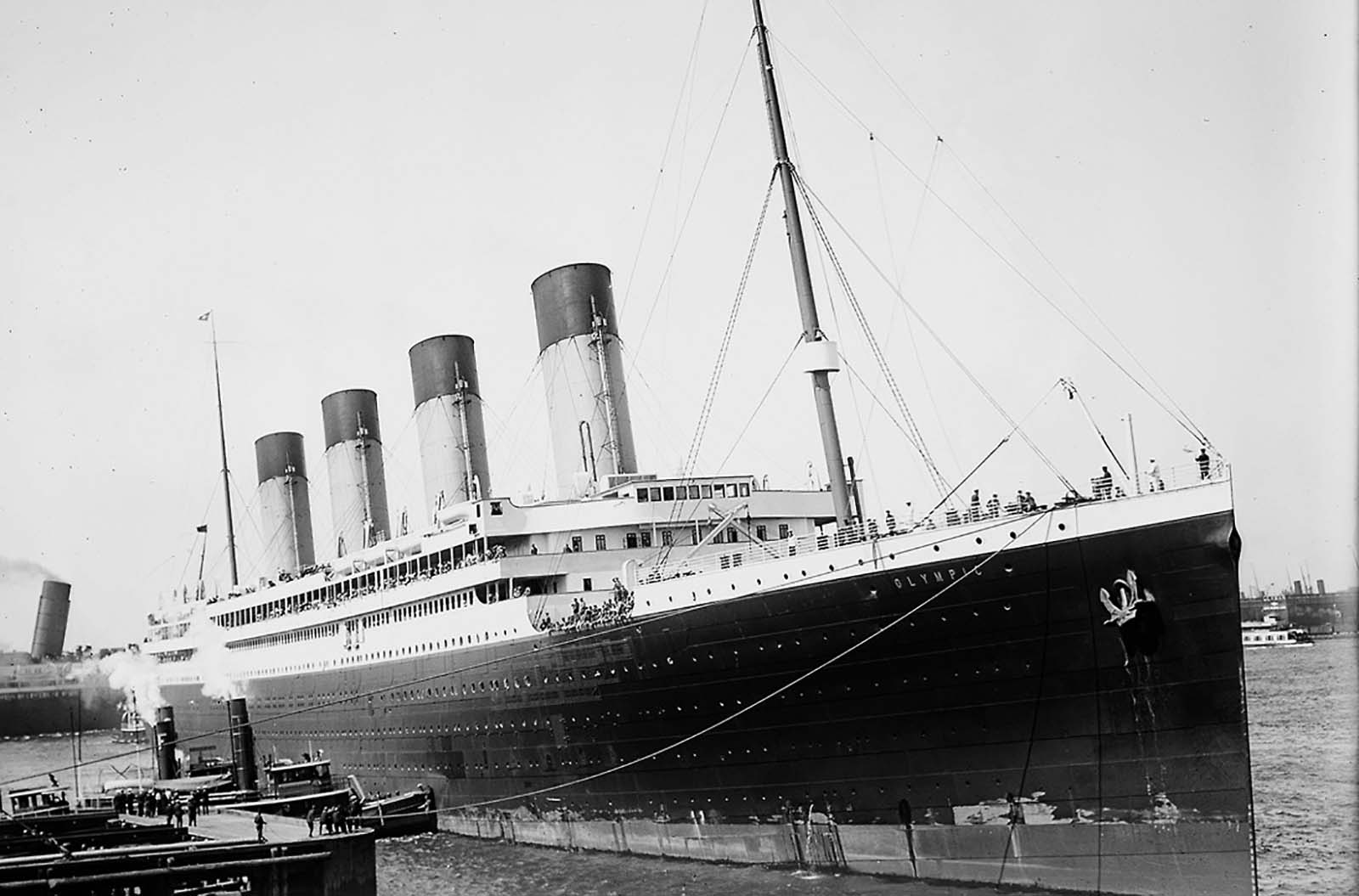
The RMS Olympic was the first to emerge from the Harland and Wolff shipyards in Belfast, a truly monumental undertaking. Her keel was laid in 1908, and she was launched with great fanfare on October 20, 1910. Imagine the scene: a colossal hull, over 882 feet long and weighing 45,324 gross tons, sliding into the water. It was an engineering marvel, a testament to human ingenuity. To give you a fun little reference, she was roughly the length of three football fields placed end-to-end! Holding that much steel and luxury together was no small feat.
Stepping Aboard: A Glimpse into Edwardian Luxury
When the Olympic finally debuted for her maiden voyage on June 14, 1911, sailing from Southampton to New York, she was nothing short of a sensation. Stepping onto her decks was like entering a grand Edwardian hotel, but one that floated. The sheer scale and opulence were staggering.
Think magnificent Grand Staircases with glittering domes, a swimming pool (a rare luxury at sea back then!), Turkish baths, squash courts, and exquisite dining saloons. The First Class accommodations were pure decadence, featuring elaborate wood paneling, plush carpets, and private promenades. Even Second and Third Class passengers enjoyed comforts unheard of on other liners, from comfortable cabins to communal spaces that felt surprisingly refined. It was truly a ship designed to impress, to be a home away from home for the world's most discerning travelers.
Practical Tip: Ever feel like your plans are too big to fail? The Olympic's early days remind us that even the grandest visions can hit unexpected snags. Less than four months after her maiden voyage, in September 1911, the Olympic was involved in a collision with the British warship HMS Hawke near the Isle of Wight. It was a testament to her robust construction that she was able to return to Belfast for repairs, but it certainly raised eyebrows about the maneuverability of such a massive vessel. It taught the White Star Line a valuable lesson about navigating the unexpected, proving that even the most robust plans sometimes need a quick pivot.
The Shadow of the Sister: Learning from Tragedy
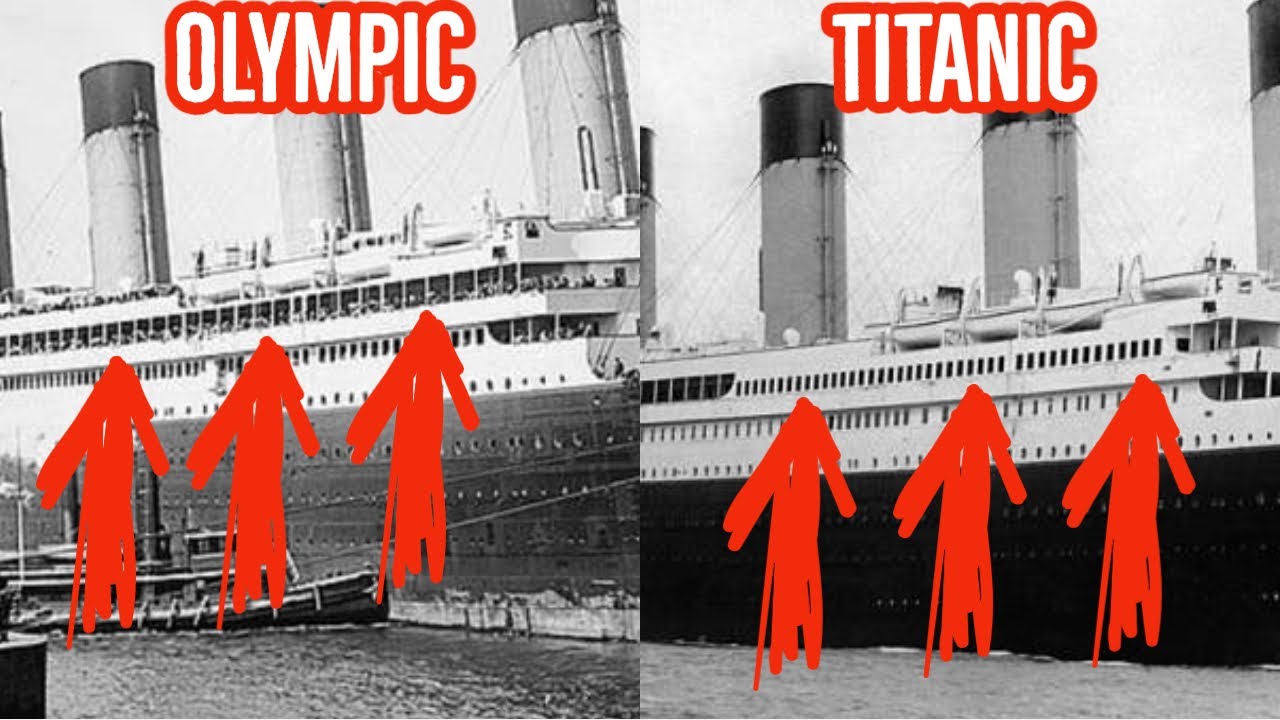
Then came April 1912. The unthinkable happened. The Titanic, Olympic's younger, virtually identical sister, sank on her maiden voyage. The world was shaken to its core, and the implications for the Olympic were immediate and profound. Suddenly, reliability and luxury took a backseat to safety.
The Olympic was quickly pulled from service for a major overhaul, incorporating the lessons learned from the Titanic disaster. This wasn't just a quick fix; it was a comprehensive upgrade. Her hull was strengthened, extending the inner watertight skin upwards to create a double hull through the boiler and engine rooms. The number of lifeboats was significantly increased – a glaring omission on the Titanic – along with davits capable of launching them all. These changes made the Olympic arguably the safest ship of her time, a tangible outcome of learning from the most devastating maritime tragedy.
Fun Fact: Many crew members who survived the Titanic disaster were reassigned to the Olympic after her refit. Imagine the mix of relief and perhaps a touch of unease they must have felt, stepping onto a ship so similar to the one they had just escaped!
"Old Reliable" Goes to War: The Great War Hero
Just when the Olympic was settling back into her transatlantic rhythm, another global catastrophe struck: World War I. Most luxury liners were quickly requisitioned for war service, and the Olympic was no exception. Painted in a drab "dazzle camouflage" to confuse U-boats, she was transformed into a troop transport, a far cry from her glamorous past. Her sheer size, once a symbol of luxury, now became her greatest asset for the war effort, allowing her to carry thousands of soldiers across the Atlantic.
It was during this period that she truly earned her nickname, "Old Reliable." She successfully completed trip after trip, ferrying troops and supplies without incident. But "without incident" doesn't mean without excitement!

In October 1914, while crossing the Atlantic, the Olympic responded to a distress call and rescued the crew of the sinking British battleship HMS Audacious. Her ability to pull alongside the stricken warship in rough seas and take off over 250 men was a remarkable feat of seamanship.
And then there's the truly legendary tale: on May 12, 1918, while en route to France with American troops, the Olympic spotted a German U-boat, the U-103, attempting to torpedo her. Instead of evasive action, Captain Hayes ordered the Olympic to ram the submarine! The U-boat was sliced in two, sinking almost instantly. It's an incredible, almost unbelievable story – a passenger liner sinking a submarine in battle! This daring act solidified her reputation as a war hero, showcasing incredible bravery and tactical thinking.
Cultural Reference: Think of how many war movies you've seen where civilian vessels are repurposed for military use. The Olympic's story during WWI is a real-life epic, demonstrating how even the most luxurious creations can be transformed into gritty, vital instruments of defense. It's a powerful reminder of adaptability under pressure.
Post-War Glamour and the Sunset Years
With the war over, the Olympic returned to Harland and Wolff for another extensive refit. She was stripped of her camouflage, repainted in White Star's iconic livery, and restored to her former glory, with even more modern amenities for the Roaring Twenties. Imagine the relief and excitement of passengers returning to luxury travel after years of austerity. She now boasted updated interiors, new public rooms, and became a beloved fixture on the North Atlantic run.
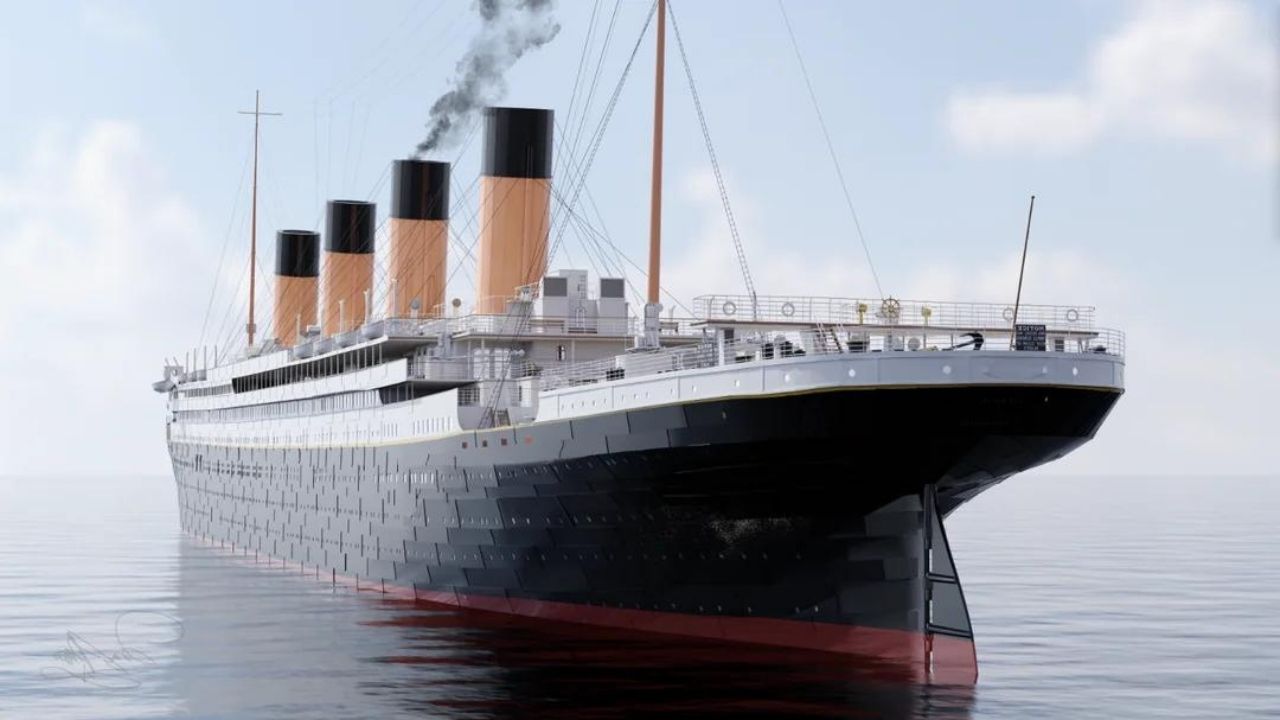
She continued her reliable service throughout the 1920s, a symbol of stability and elegance in a rapidly changing world. She outlasted many of her contemporaries and became a familiar sight in New York Harbor, often referred to fondly by dockworkers and frequent travelers alike. She was, in essence, the grande dame of the Atlantic, maintaining a steadfast presence.
However, even giants succumb to the march of progress and economic shifts. The Great Depression hit the shipping industry hard. Luxury travel became a distant dream for many, and competition from newer, faster, and even more modern ships (like the Queen Mary and Normandie) began to render the Olympic less competitive. By the early 1930s, her long and distinguished career was winding down.
In 1934, in a final twist of fate, the Olympic was involved in one last collision, this time with the lightship Nantucket, sinking the smaller vessel. While no one on the Olympic was seriously injured, it was another reminder of the inherent risks of maritime travel, even for a seasoned veteran.
Practical Tip: Just like the Olympic eventually faced new competition and economic pressures, our own skills and careers require adaptation. What was once cutting-edge eventually becomes standard, and then obsolete. It’s a good reminder to always be learning and evolving, even if you feel like "Old Reliable" in your field!
The Legacy Lives On: What Remains?
In 1935, after 24 years of remarkable service, the RMS Olympic was officially decommissioned. She was sold for scrap, a bittersweet end for a ship that had seen so much. Her interiors, however, were deemed too beautiful to simply be melted down. Many of her exquisite fittings, including her famous paneling, chandeliers, and even parts of her Grand Staircase, were salvaged and sold off.
Today, you can still find pieces of the Olympic if you know where to look! A significant portion of her First Class lounge, with its intricate oak paneling, was installed in the White Swan Hotel in Alnwick, Northumberland, England, where it serves as a stunning dining room. Other artifacts are scattered in museums and private collections around the world. It's a wonderful way to keep her spirit alive, allowing new generations to touch a tangible piece of maritime history.
Fun Fact: The clock from the Olympic's Grand Staircase is said to have been recreated for the Titanic movie – a subtle nod to her original design!
A Reflection on Resilience: The "Old Reliable" in Our Lives
The story of the RMS Olympic isn't just about a ship; it's a testament to resilience, adaptability, and the quiet power of endurance. While her sister Titanic captured the world's imagination through tragedy, the Olympic earned her place through decades of steadfast service, learning from adversity, and even emerging as a wartime hero.
In our own lives, we often celebrate the dramatic triumphs or mourn the poignant losses. But perhaps there's a valuable lesson in the Olympic's journey: the importance of being "Old Reliable." It's about showing up day after day, adapting when things go wrong, and finding strength in consistency. It's about navigating our own metaphorical collisions and storms, learning from our experiences, and quietly, yet powerfully, continuing on our journey.
So, the next time you hear about the Titanic, take a moment to remember her older sister, the RMS Olympic. A ship that didn't just sail into history, but sailed through it, proving that sometimes, the most compelling stories are those of enduring strength and unwavering reliability.