
Plants That Disperse Their Seeds With The Help Of Animals
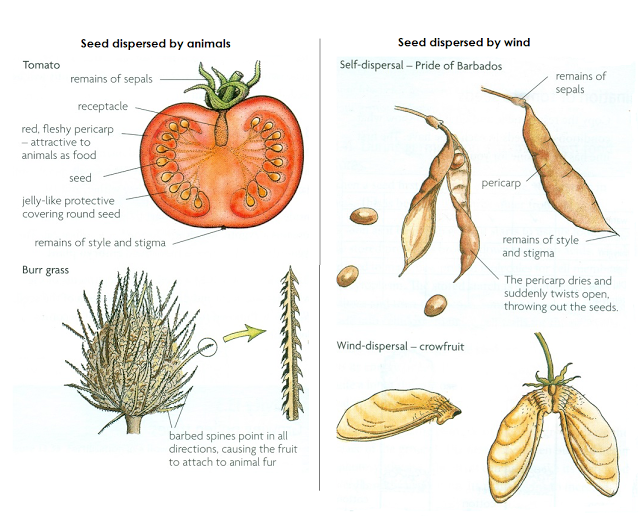
Ever find a rogue blueberry stain on your favorite shirt, long after you thought you’d scrubbed every last bit of evidence away? Or maybe you’ve stumbled upon a surprise tomato plant sprouting in a spot where you definitely didn’t plant one? Yep, you’ve probably been a victim (or perhaps, a willing accomplice) in the wild world of animal-assisted seed dispersal. It’s basically nature’s very own delivery service, and frankly, it’s way more interesting than any Amazon Prime subscription.
Think about it. Plants, bless their leafy hearts, are pretty stuck. They can’t exactly pack a suitcase and hop on a bus to find a new neighborhood. So, they’ve had to get creative. And what’s more creative than bribing or tricking other creatures into doing all the heavy lifting? It’s like the ultimate passive-aggressive move, but in a beautiful, life-sustaining way. Plants are essentially saying, "Hey, little fluffy/feathered/scaly friend, do me a solid and take these babies somewhere else? I’ll give you snacks."
We’re talking about a whole ecosystem working in harmony, or at least, in a very mutually beneficial arrangement. It’s a story as old as time, or at least as old as the first time a bird decided a juicy berry looked too good to resist. And the best part? We’re often right in the middle of it, unknowingly playing our part in this grand botanical adventure.
Let’s start with the obvious suspects: fruits. Those colorful, delicious, sometimes-sticky packages that make our snacks so enjoyable are often the plant’s primary marketing tool. Imagine a plant saying, "Psst, hey squirrel! You see this bright red cherry? It’s delicious. And guess what? I’ve hidden tiny little seeds inside. Just gobble it up, run around a bit, and poof! You’re spreading my future generation. Easy peasy, lemon squeezy!"
Squirrels, bless their bushy tails, are probably the poster children for accidental seed dispersal. They’re notorious for burying nuts and then promptly forgetting where they put them. It’s like they’re playing a never-ending game of botanical hide-and-seek, and the trees are just chuckling in the background. That forgotten acorn? It’s got a prime spot with all the nutrients it needs to sprout into a magnificent oak, all thanks to a forgetful rodent. Talk about a happy accident!
The Sweet Deal: Fruits and the Foragers
When we talk about animals helping plants, the first thing that usually pops into our heads is the yummy stuff. We’re talking about berries, apples, cherries – all those delightful treats that make our pies, smoothies, and lunchtime snacks so much more exciting. These fruits aren't just for us; they're carefully crafted invitations, designed to tempt and tantalize.
Think of a plump, red raspberry. It's practically screaming, "Eat me! I'm bursting with flavor! And hey, while you're at it, can you do me a favor and… you know… carry these tiny seeds somewhere else?" It’s a pretty sweet deal. The animal gets a tasty meal, and the plant gets its offspring delivered to a new location. It’s like a natural food delivery service, except the delivery driver is a hungry bird or a curious fox, and the package is a future tree.
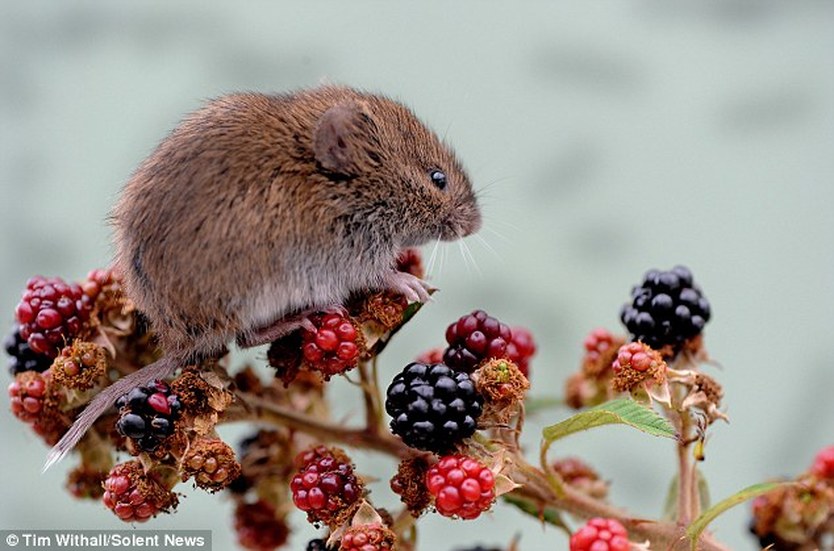
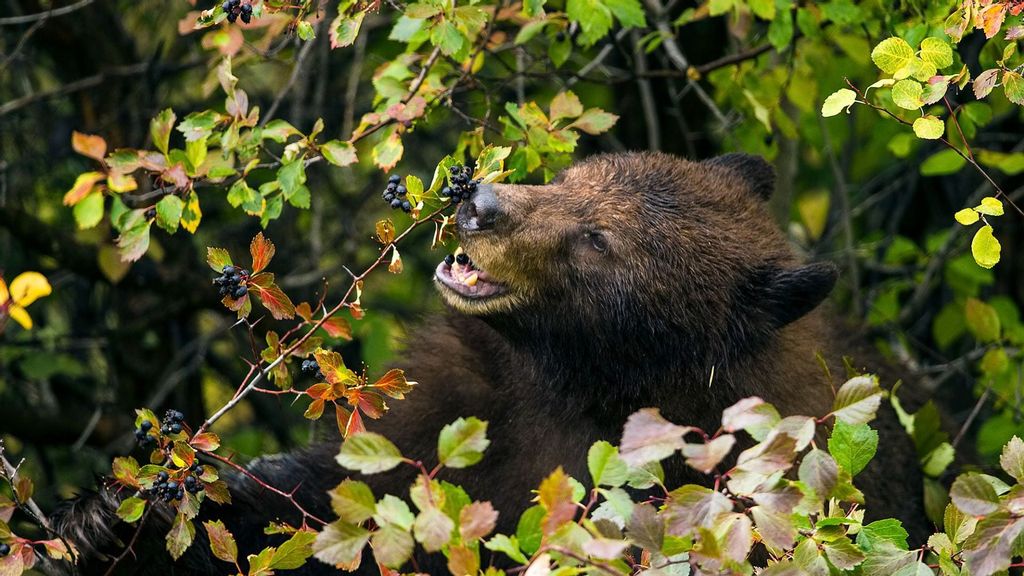
Birds are particularly brilliant at this. They’ll fly high and far, munching on berries as they go. Those seeds, undigested, will eventually find their way out in a… well, let’s just say a less-than-glamorous but highly effective manner. And voilà! A new plant has a chance to grow, miles away from its parent. It’s like a natural jet-setting program for seeds, all thanks to our feathered friends.
We’ve all seen those videos of squirrels frantically burying nuts, right? They’re like tiny, furry doomsday preppers, storing up for winter. But in their diligent hoarding, they often forget where they put half of their stash. Those forgotten nuts? They’re not lost forever; they’re just patiently waiting for the perfect moment to sprout. It’s a testament to how even the most seemingly chaotic behavior can contribute to the grand plan of nature.
And it’s not just the cute and cuddly critters. Even larger animals play a role. Think of deer munching on fallen apples or wild boars rooting around for fallen fruits. They’re essentially getting a free meal and, in return, helping to spread those seeds far and wide. It’s a partnership that has been going on for eons, a silent agreement that keeps our forests and fields vibrant.
Sometimes, the seeds themselves are pretty clever. Many fruit seeds have a hard outer coating. This coating is tough, but it's also designed to be softened and broken down by the digestive systems of animals. So, the fruit is the tempting bait, and the journey through the digestive tract is like a natural pre-treatment, making the seed ready to germinate once it’s… deposited.
It’s a little gross to think about, perhaps, but undeniably effective. It’s the circle of life, with a side of digestive processing. And honestly, it’s a lot more efficient than any modern packaging and shipping system we’ve come up with. No bubble wrap required!

Sticky Situations: Burrs and the Hitchhikers
But fruits aren't the only game in town. Some plants are a bit more… clingy. They employ a different tactic, one that relies on the sheer annoyance factor. We’re talking about those tenacious little seeds that seem to magically attach themselves to your clothes, your pet’s fur, or even your shoelaces. You know the ones: those prickly little devils that make you stop mid-stride to pluck them off.
These are the burrs, and they’re the masters of the unexpected ride. Imagine a plant saying, "Okay, I can't offer you a delicious snack. But I can offer you a free accessory! Just brush past me, and these tiny, hooked seeds will latch onto your fur. You’ll then take them on a grand tour of the countryside, depositing them wherever you happen to shed. Brilliant, right?"
It’s the ultimate form of passive transportation. You’re minding your own business, enjoying a walk in the park, and suddenly you’re covered in what feels like a thousand tiny Velcro balls. Your dog, in particular, is a prime candidate for becoming a mobile seed dispenser. They’ll happily run through fields of these prickly plants, and before you know it, their fur is a veritable botanical garden. You spend the next hour picking them off, muttering to yourself, and inadvertently becoming a crucial part of the plant’s life cycle.
Think about how many times you’ve had to perform the dreaded “burr removal ritual” after a hike. You’re sitting on the floor, picking away, and you realize that each one of those little grabby seeds was a plant’s ingenious plan to get itself to a new spot. It’s like they’re saying, "Thanks for the ride, suckers! See you in a few generations!"
And it’s not just your clothes and your dog. Think about wild animals. A deer walks through a patch of burrs, and suddenly its coat is covered. Then it moves on, perhaps to a completely different habitat, and those burrs fall off, creating new plant populations. It’s a natural distribution network that relies on the sheer persistence of its passengers.
Some of these seeds have evolved incredibly specialized hooks and barbs. They're like nature's miniature grappling hooks, designed to snag onto anything that moves. It’s a testament to the power of evolution, where even the smallest, most annoying things can have a massive impact on the landscape.
The strategy is so effective that we’ve even tried to mimic it in our own technology. Think about Velcro! Yep, that ubiquitous fastening system was inspired by the burrs of the burdock plant. So, next time you’re struggling to get burrs out of your socks, remember that you’re dealing with a piece of genius engineering that has influenced human innovation.
The Unexpected Delivery: Wind, Water, and a Little Help from Our Friends
While fruits and burrs are the flashy stars of the seed dispersal show, they aren’t the only players. Some plants have learned to harness the power of the elements, and even then, animals can sometimes lend a helping hand in less obvious ways.
We often think of wind as the primary disperser for things like dandelions and maple seeds. And that’s true! Those fluffy parachutes and spinning helicopter blades are pretty good at catching a breeze and going for a ride. But even with wind, animals can play a supporting role. A bird might pick up a stray dandelion seed that’s landed on a branch, carrying it a little further. Or a squirrel, in its frantic digging, might unearth a forgotten seed that was just waiting for a gust of wind to carry it away.
Then there's water. Think of coconuts bobbing along the ocean, or seeds floating down rivers. Water is a fantastic transportation method for plants that live near or in aquatic environments. But again, animals can be the unsung heroes. Fish might ingest seeds and then release them elsewhere. Beavers might carry branches with seeds to their dams, inadvertently planting them in new locations. Even a frog hopping into a pond might carry a few stray seeds on its moist skin.

Consider how many times you’ve seen a bird carrying a twig or a piece of fluff. What if that fluff has a tiny seed stuck to it? Or what if an animal, like a raccoon, is foraging near a body of water and happens to knock some seeds in? These are the subtle, almost invisible ways that animals contribute to seed dispersal, even for plants that primarily rely on other methods.
It’s a beautiful, interconnected web. The plant might have evolved for wind or water, but the opportunistic actions of an animal can give it an extra boost, a little nudge in the right direction. It’s like having a backup plan for your backup plan, ensuring that life finds a way, no matter what.
And let’s not forget about ants! These industrious little creatures are notorious for carrying seeds. Some seeds have a little fatty appendage called an elaiosome, which is like a tasty treat for ants. The ants carry the seed back to their nest, eat the elaiosome, and then discard the intact seed nearby, often in a prime location for germination. It's a sophisticated tiny snack exchange!
So, the next time you see a bird perched on a branch, a squirrel scurrying up a tree, or even your dog shaking itself dry after a dip, remember that they might be doing more than just being cute. They’re often unwitting, or perhaps even willing, couriers in nature’s most important delivery service. They’re the unsung heroes of the plant kingdom, ensuring that life continues to bloom, grow, and surprise us in all sorts of wonderful and sometimes sticky ways.
It’s a reminder that even the smallest actions can have a ripple effect. And when it comes to plants and animals, that ripple effect is what keeps our planet green and bursting with life. So, go out there, enjoy nature, and remember that you might just be part of a fascinating, ongoing story of seed dispersal. Just try not to bring too many burrs home with you!