
Pictures Of St George Slaying The Dragon

Alright, settle in, grab your beverage of choice, because we need to talk about one of the most wonderfully ridiculous, utterly iconic, and just plain cool images in art history: St. George Slaying The Dragon. You know the one. Even if you think you don't, you absolutely do. It's burned into our collective consciousness, right up there with Mona Lisa's smirk and that guy screaming. But unlike those, St. George's scene is pure, unadulterated, glorious spectacle.
We're talking about a guy, on a horse, with a spear, taking down a giant, scaly, probably fire-breathing beast. It's the ultimate medieval superhero flick, immortalized in paint, tapestry, stained glass, and probably some very confused ancient memes. And let me tell you, every single artist who ever tackled this subject seemed to think, "How can I make this even more epic?"
The Classic Scene: A Knight's Day Out
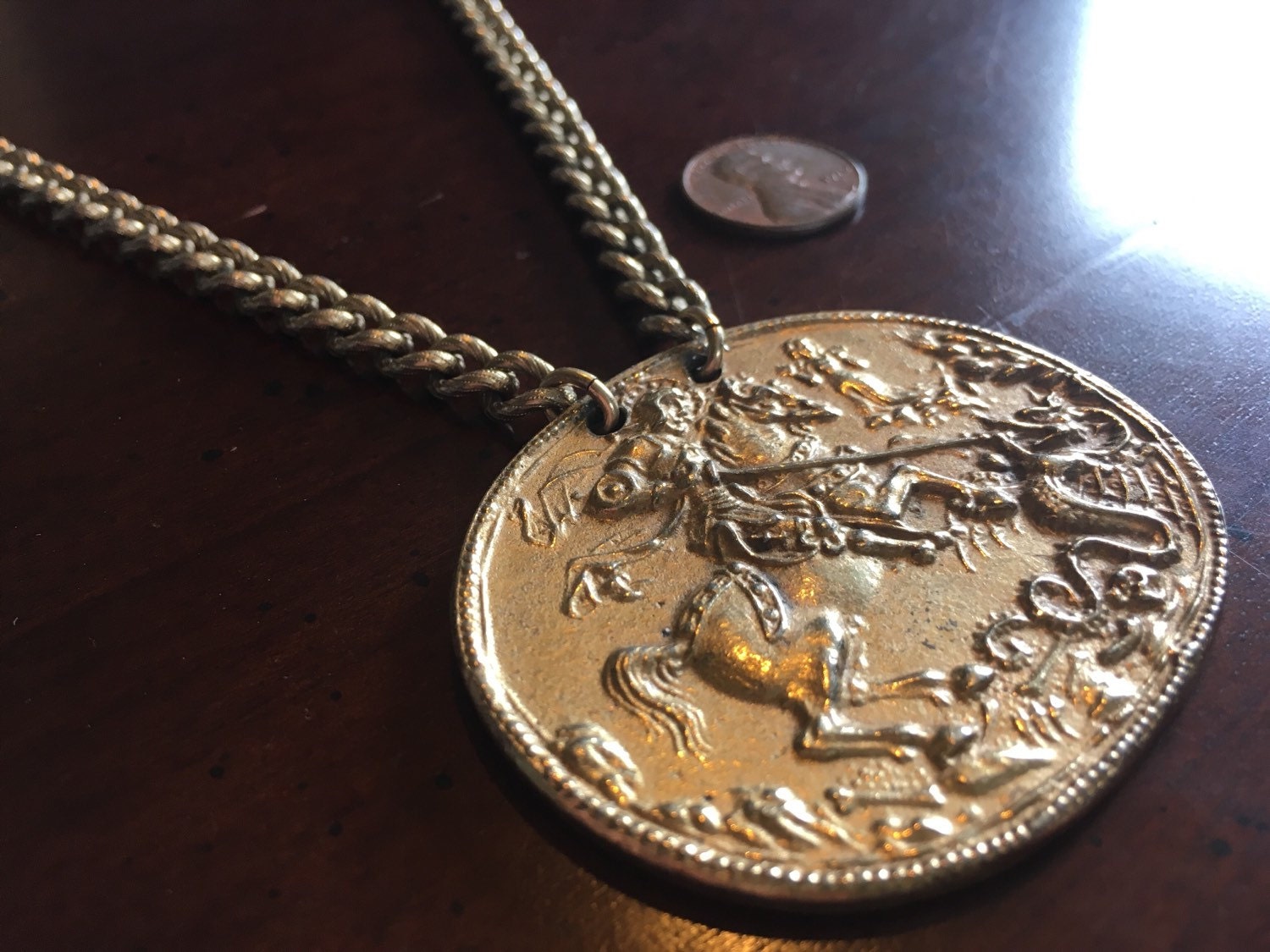
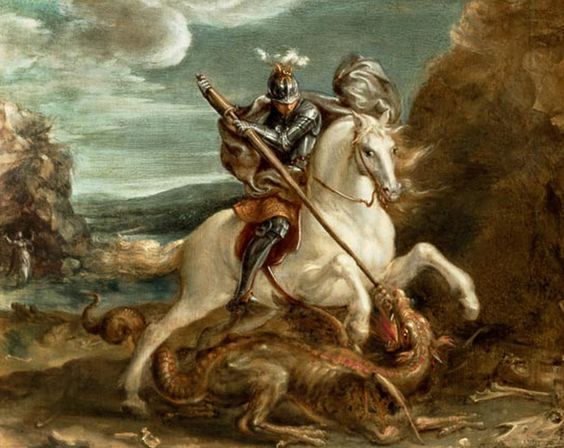
Picture it: A majestic knight, usually sporting some seriously shiny armor (because dragons hate glare, apparently), is astride an equally majestic steed. This horse, by the way, deserves its own spin-off series. It's always looking either utterly terrified, incredibly brave, or just plain resigned to its rider's dragon-poking antics. You can almost hear it sigh, "Oh, George, not again."
Then there's the dragon. Oh, the dragon! Sometimes it's a hulking, terrifying monster with razor teeth and wings that blot out the sun. Other times, it looks a bit more like a very grumpy, oversized lizard that just woke up on the wrong side of the cave. But it's always, always getting a spear right in its tender bits. No mercy. George isn't messing around.
And let's not forget the damsel. She's usually in the background, looking appropriately distressed, or sometimes even holding a leash on the already defeated dragon, which is just peak medieval flex. "Yeah, I was almost lunch, but look, I've tamed it now. Who's a good boy?" It's a whole mood, honestly.
But Where Did It All Begin? (Spoiler: It's Complicated)
Now, did this actually happen? Like, did a guy named George actually hop on his horse, Sir Whinnys-a-lot, and go jousting with a scaly behemoth? Probably not, unless medieval chroniclers were really into creative writing. The story as we know it largely comes from a 13th-century collection of hagiographies (saint biographies) called The Golden Legend by Jacobus de Varagine. This book was basically the Buzzfeed of the Middle Ages – wildly popular, often sensational, and chock-full of amazing tales.
According to this legend, a town called Silene (somewhere in Libya, because why not?) was being terrorized by a nasty dragon. To keep it from eating everyone, the townsfolk offered it sheep. When they ran out of sheep (which, fair enough, is a finite resource), they started offering up their children, chosen by lottery. Yes, you read that right. A lottery for dragon snacks. Talk about a terrible town council.
Then, wouldn't you know it, the princess was chosen! Just as she's about to become dragon chow, who rides up but our boy, St. George. He sees what's going down, probably rolls his eyes at the whole "virgin sacrifice" situation, and promptly spears the dragon, saves the princess, and converts the whole town to Christianity. Multitasking king!

The Dragon's Dilemma: From Nasty to Napping
One of the most fun parts of checking out these paintings is seeing how different artists interpreted the dragon. Some are truly terrifying, like something H.P. Lovecraft dreamt up after too much cheese. Others are... well, they look like they might just need a hug and a dental plan. Raphael's dragon, for example, looks positively peeved, but still kind of noble. Uccello's dragon is practically monochrome and seems a bit bewildered by the whole thing. It's like, "Dude, I was just trying to nap!"
The variety is astounding. Sometimes they have bat wings, sometimes feathered wings. Sometimes they're green, sometimes brown, sometimes an alarming shade of purple. But they all share one thing in common: they're about to have a very bad day thanks to George and his pointy stick. It’s like the universe’s most extreme game of whack-a-mole.
George: The Original Action Hero
Our man George is always depicted with a certain stoic determination. He's not smiling, he's not cracking jokes. He's got a job to do, and that job is dragon-slaying. He's often wearing a cross on his shield or armor, reinforcing his piety and divine protection. His gear is always top-notch, his posture impeccable. He’s the kind of guy who probably folds his laundry perfectly even after a dragon fight.
And the spear! It's always a spear. Never a sword, rarely a bow and arrow. It's the ultimate extended-reach pokey-thing, perfect for keeping those fire-breathing jaws at a safe distance. Plus, it just looks dramatic when you've got a horse galloping and a spear aimed perfectly. Thwack! Instant hero status.
Why We Still Love It: More Than Just a Pretty Picture
So why do we keep coming back to pictures of St. George slaying the dragon? Why has this image endured for centuries, inspiring countless artists from Donatello to Tintoretto, from Rubens to countless anonymous medieval craftspeople?
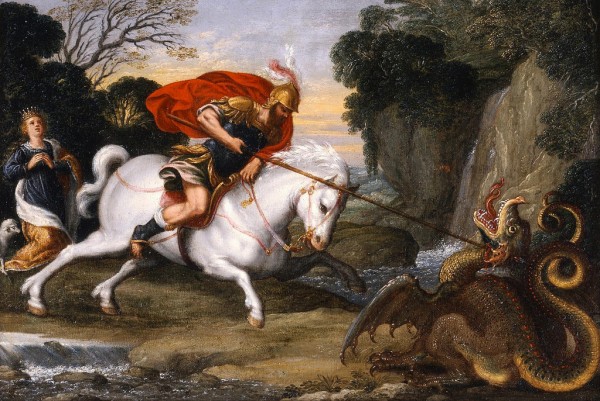
Firstly, it's a fantastically clear narrative of good versus evil. There's a monster, there's a hero, there's a victim. No moral ambiguity here. Just pure, unadulterated triumph of virtue over villainy. It’s the ultimate underdog story, if the underdog was a knight in shining armor on a warhorse. Wait, is that still an underdog?
Secondly, it's just plain cool. It’s dynamic, it’s exciting, and it’s visually spectacular. There’s action, drama, and a genuinely awesome creature. Who doesn't love a good monster fight? It taps into our primal desire for heroes and our fascination with the fantastic. It's a story that transcends cultures and centuries, proving that sometimes, all you need is a good knight, a brave horse, and a very large spear to make history.
So the next time you see a depiction of St. George and his scaly adversary, take a moment. Appreciate the sheer audacity, the incredible artistry, and the timeless appeal of a man who just really, really hated dragons. And maybe spare a thought for that poor horse. It really earned its hay that day.