
Penalty For Failure To Comply With Subject Access Request
Hey there, data-loving buddies! Let's dive into something that might sound a bit serious, but trust me, we're going to keep it light and breezy. We're talking about what happens when folks don't play nice with Subject Access Requests (SARs). You know, those moments when you ask a company, "Hey, what personal info do you actually have on me?" and they… well, they ghost you. Or worse!
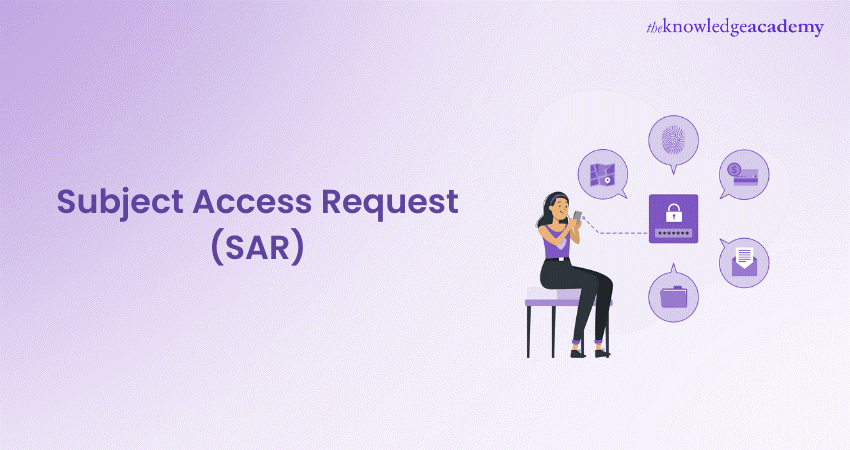
So, what exactly is a Subject Access Request? Think of it as your personal data superhero cape. Under laws like GDPR (that's the General Data Protection Regulation, for you fellow data nerds) and similar privacy rules around the globe, you have the right to ask any organization processing your data: "Show me the goods!"
You can ask what information they have, why they have it, who they've shared it with, and even ask them to correct it or delete it. It’s like having a little peek behind the curtain of your digital life. Pretty neat, huh?
Now, for the part that makes some companies sweat a little: what if they fail to comply with a SAR? What if they just… nope out of it? This is where the fun (for us, not so much for them!) begins, and it's all about the penalties.
Imagine you send a perfectly polite SAR, like you're asking for an extra scoop of ice cream. You're reasonable, you're clear, and you're expecting a delightful response. But instead, you get… crickets. Or a vague "we're looking into it" that lasts longer than a toddler's attention span.
This is where the Enforcement Bodies, like the Information Commissioner's Office (ICO) in the UK or similar data protection authorities elsewhere, step in. They're like the data police, but way more organized and less prone to doughnuts. Their job is to make sure companies are playing by the rules, and boy, do they have some big sticks to wave.
So, what's the actual, tangible penalty for ignoring or mishandling a SAR? It’s not a slap on the wrist with a wet noodle, that’s for sure. We're talking about some potentially hefty fines.
Under GDPR, for instance, there are two tiers of fines. The more serious breaches can land companies with a penalty of up to €20 million or 4% of their annual global turnover, whichever is the higher amount. Ouch. That’s like a company’s entire year’s worth of profits, or a mountain of cash, gone!
The less serious breaches, which might include things like mishandling a SAR in a way that isn't massively detrimental but still wrong, can still sting. These can lead to fines of up to €10 million or 2% of their annual global turnover. Still a serious chunk of change, right?
Think of it this way: a company spends a fortune on marketing, on their product, on everything to make money. Then, BAM! A fine can wipe out a significant portion of their hard-earned cash just because they couldn't be bothered to respond to a simple request about your data. It’s a real wake-up call for them to take privacy seriously.
But it’s not just about the money, although let’s be honest, that gets everyone’s attention. There are other consequences too.
Reputational Damage: The Unseen Cost
Imagine a company gets fined for ignoring SARs. Do you think that looks good to potential customers? Probably not. In today's world, people are more aware of their privacy than ever. If a company is known for being cagey with data or ignoring people's rights, it can seriously damage their brand reputation. Who wants to do business with a company they can't trust with their personal information?
It’s like that friend who always borrows money and never pays it back. You might be hesitant to lend them anything again, right? Same principle applies here. Once a company loses trust, it's incredibly hard to get it back. And for companies, trust is everything. A good reputation is almost as valuable as their profit margins, if not more so in the long run.
Investigations and Audits: The Painful Process
When an Enforcement Body gets involved because of a failed SAR, it’s not just a quick chat. They can launch a full-blown investigation. This means digging through the company's records, talking to their staff, and generally making their lives quite inconvenient.
It’s like having an unexpected audit. All of a sudden, everyone has to drop what they’re doing to gather documents, answer questions, and explain themselves. This takes up a lot of time and resources, which, again, translates into money. Money that could have been spent on innovation, customer service, or even, dare I say it, bonuses!
Action and Improvement Orders: The Long-Term Nudge
On top of fines, the Enforcement Bodies can issue enforcement notices or improvement orders. These aren’t just suggestions; they’re legally binding instructions telling the company exactly what they need to do to fix their data handling practices.
This could mean implementing new procedures, providing staff training, or investing in better security systems. It’s basically a very firm nudge, or perhaps a not-so-gentle shove, in the right direction. And it requires the company to actively change how they operate, which can be a significant undertaking.
Personal Liability: The Bosses Feel the Pinch
Now, this is where it gets really interesting. It's not always just the company that takes the hit. In some cases, particularly if there's evidence of willful neglect or a deliberate attempt to hide information, the individuals responsible within the company – think directors or senior management – could face personal liability.
This could mean personal fines or even, in the most extreme circumstances, disqualification from acting as a company director. So, those folks making the big decisions better ensure their teams are on top of SARs, because their own careers could be on the line!

What If You, the Complainant, Get Something Back?
Okay, so we've talked about what happens to the companies. But what about you, the person who bravely asked for your data? Are you guaranteed to get a compensation payout? Not necessarily. While the fines are aimed at punishing the company and incentivizing good behavior, they aren't typically designed as direct compensation for individuals who have been inconvenienced by a failed SAR.
However, if the failure to comply with a SAR has caused you specific distress or financial loss, you might be able to pursue a separate civil claim for damages. This is a more complex legal route, but it's an option if you've suffered tangible harm due to a company's non-compliance.
The primary goal of the fines and enforcement actions is to improve data protection practices across the board, not just to compensate individuals for every single minor inconvenience. But hey, knowing that your complaint can trigger such significant consequences for a company is pretty empowering, right?
Why Are Companies So Scared of SARs (and the Penalties)?
It boils down to a few key things: money, reputation, and disruption. As we’ve discussed, the financial penalties can be astronomical. For many businesses, especially smaller ones, a hefty fine could be catastrophic. It could mean layoffs, scaling back operations, or even closing down.
The fear of public scrutiny and a damaged reputation is also a massive motivator. In the age of social media and online reviews, bad news travels fast. A company being publicly called out for privacy violations can lead to a mass exodus of customers.

And let's not forget the sheer operational disruption. Dealing with investigations, audits, and forced process changes diverts valuable resources and attention away from the core business. It’s an unwelcome distraction that can hinder growth and innovation.
So, What's the Takeaway? Be a Data Detective, But Be Nice!
Here’s the fun part for us, the ordinary people who just want to know what’s what with our data. The existence of these penalties means that when you exercise your right to a Subject Access Request, companies are taking it seriously. They know there are real consequences if they don't.
This is a good thing! It means the balance of power is shifting, and individuals are becoming more empowered in the digital realm. You’re not just a passive consumer of services; you're an active participant with rights.
So, next time you decide to send off a SAR, remember you're not just asking a question; you're invoking a powerful right that is backed by some pretty serious teeth. You’re helping to hold companies accountable and encouraging them to be better guardians of your precious personal information.
And in a world where our data seems to be everywhere, that’s a pretty fantastic feeling. Keep those data detective hats on, folks, and remember that your rights are there to protect you. Go forth and be curious about your data – the law is on your side, and the penalties are there to keep everyone playing fair!
Isn't that a lovely thought? It’s like a little digital superpower you carry around every day. So, feel empowered, stay curious, and remember that privacy is a right, not a privilege. Go get 'em!