
Over Counter Ear Drops For Ear Infection

Alright, settle in, grab your imaginary latte, because we're about to delve into a topic that's both universally annoying and surprisingly fascinating: the humble, often misunderstood, over-the-counter ear drop for ear infections. You know the drill. One minute you're living your best life, maybe humming a jaunty tune, the next, a tiny, insistent goblin seems to have taken up residence deep within your ear canal, setting up a miniature percussion section. Your head throbs, your balance feels like a tightrope walker after a particularly boozy brunch, and all you can think is, "Get. It. OUT!"
And that's when your eyes, probably a bit watery from the sheer irritation, scan the medicine cabinet. Ah, there it is! A tiny bottle, often lurking behind expired allergy meds and that mysterious ointment you bought three years ago. It promises relief. It whispers sweet nothings of quietude. It's the ear drop, our potential hero. But is it? Is this tiny vial of liquid a knight in shining armor, or just a very persuasive placebo with a fancy label?
The Ear Ache: A Mini-Drama in Your Head
Let's face it, ear pain is a special kind of hell. It's not like a stubbed toe, which is sharp but localized. Ear pain radiates. It pulsates. It makes you question every life choice that led to this moment. You suddenly understand why toddlers throw tantrums when their ears hurt – because it’s a perfectly rational response to having a tiny, angry gnome doing the Macarena inside your head. And when that pain hints at an "infection," our first instinct is often to reach for the quickest, most convenient fix. Enter the OTC ear drop.
What Even Are These Magical Droplets?
You might be surprised to learn that not all ear drops are created equal, and many are specifically designed for issues other than a full-blown bacterial ear infection. It's like thinking a tire patch will fix a blown engine – noble effort, wrong tool. But let's break down the common players you'll find:
First up, we have the pain relievers. These often contain ingredients like benzocaine or lidocaine, which are basically tiny, numbing ninjas for your ear. They swoop in, dull the nerve endings, and give you a blessed, if temporary, reprieve. Think of them as the anesthesiologists of the ear drop world. They don't fix the problem, but they make you care a whole lot less about it for a while. Great for that agonizing wait for a doctor's appointment, or if you're stuck on a deserted island with nothing but a coconut and a throbbing ear.
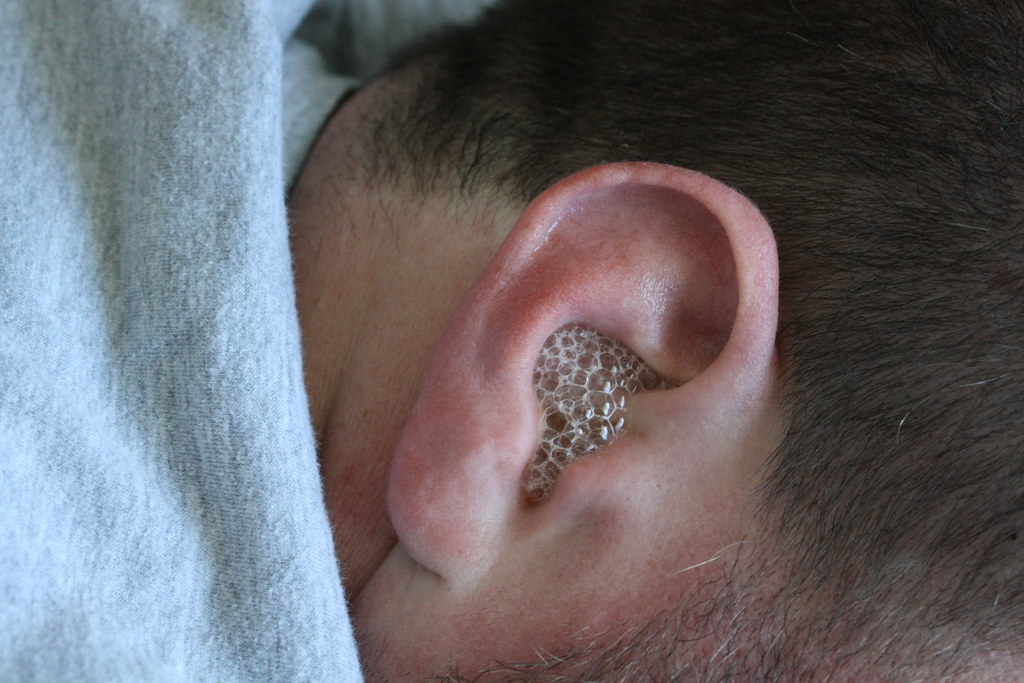
Then there are the drying agents. These usually contain alcohol or acetic acid (yes, like vinegar, but don't go pouring salad dressing in your ear!). Their main gig is to dry out excess moisture, especially in the outer ear canal. Ever had "swimmer's ear"? That delightful condition where your outer ear feels itchy, painful, and generally soggy after a dip? That's where these guys shine. They evaporate the moisture that bacteria and fungi love to party in, essentially telling the unwelcome microbial guests, "Party's over, folks, dry up and go home!"
You might also stumble upon wax softeners, like carbamide peroxide. While incredibly useful for breaking down stubborn earwax (which can sometimes mimic infection symptoms by causing pressure and muffled hearing), these are generally not for infections. In fact, if you do have an infection, using wax softeners can sometimes irritate an already inflamed ear. So, know your enemy (or at least, know your ear issue!).
The Big Reveal: Are They Actually Curing Anything? (Mostly No, But It's Complicated)
Here’s the surprising, slightly disheartening truth: For most common middle ear infections (the kind that often come with colds, coughs, and fevers, and feel like your eardrum is being used as a trampoline), those little OTC drops are usually not going to cure anything. Why? Because most OTC ear drops are designed for the outer ear canal, and bacterial middle ear infections are lurking deep behind your eardrum. It’s like trying to water a plant in a sealed terrarium by pouring water on the outside – utterly ineffective.
:max_bytes(150000):strip_icc()/VWH_Illustration_Different-Types-of-Ear-Drops_Illustrator_Jiaqi-Zhou_Final-4382ce0e4b8041488696aa68c68188d1.jpg)
What you really need for a bacterial middle ear infection is an antibiotic, which means a trip to the doctor. Antibiotics are the heavy artillery, tackling the bad bacteria directly. OTC drops, bless their cotton socks, are more like the friendly neighborhood watch – they can deter some minor mischief, but they're not equipped for a full-scale invasion.
So, When Can These Little Wonders Help?
Don't despair! OTC ear drops aren't entirely useless. They have their niche, their moment to shine:
- Swimmer's Ear (Otitis Externa): This is their prime territory! If your pain is mainly in the outer ear, perhaps after swimming or vigorous ear cleaning, and you don't have a fever or drainage from behind the eardrum, drying drops or antibiotic/steroid drops (if prescribed) can be very effective. This is an infection of the skin of the ear canal, and drying it out helps prevent or treat it.
- Temporary Pain Relief: As mentioned, those numbing drops are fantastic for taking the edge off while you wait for a doctor’s appointment. Think of them as a temporary truce in the ear war.
- Wax Buildup: While not an infection, impacted earwax can cause similar discomfort. Wax softeners can be a godsend here, carefully followed by irrigation (often at the doctor's office).
The Golden Rules: When to Ditch the Drops and See a Doc
This is where we get serious, but still with a dash of café-storytelling charm. If your ear pain comes with any of the following, put down the bottle, pick up the phone, and call your doctor. Immediately. No, really. Don't pass Go, don't collect $200:

- Fever: If you've got ear pain and your body's turning into a mini-furnace, that's a red flag waving vigorously.
- Fluid Drainage (Especially Pus): If something gooey, yellow, or generally unsettling is oozing from your ear, it's not a good sign. It often means a ruptured eardrum, and putting drops into a ruptured eardrum is like trying to put out a fire with gasoline. It can cause serious damage and hearing loss.
- Severe Pain or Sudden Hearing Loss: If it feels like an ice pick is being driven into your skull, or your hearing suddenly goes on vacation, get professional help.
- Dizziness or Balance Issues: Your inner ear helps with balance. If it's compromised, things can get wobbly.
- It's a Child: Little ears are delicate, and infections can progress quickly. Always best to get kids checked out.
- Pain Lasts More Than 2-3 Days: If the OTC drops aren't making a dent after a couple of days, it's time for the pros.
And here's a mind-blowing factoid for you: The most common cause of ear infection in kids? Viruses! Not bacteria. So, even if you go to the doctor, they might say, "It's viral, no antibiotics needed, just pain relief." But you still need a doctor to make that call, because they have special spy equipment (an otoscope!) to look inside your ear and determine if it's viral, bacterial, or if your eardrum is doing the Macarena.
How to Apply Them Like a Pro (If They're Appropriate)
Okay, so you've determined (with a doctor's guidance, ideally) that OTC drops are suitable. Here's how to do it without turning it into a slapstick comedy routine:
First, warm the bottle! Seriously. Pop it in a warm (not hot!) cup of water for a few minutes. Sticking cold drops into an already grumpy, inflamed ear is like dunking your toe in an ice bucket – it's a shock to the system and can cause dizziness. Be kind to your ear.
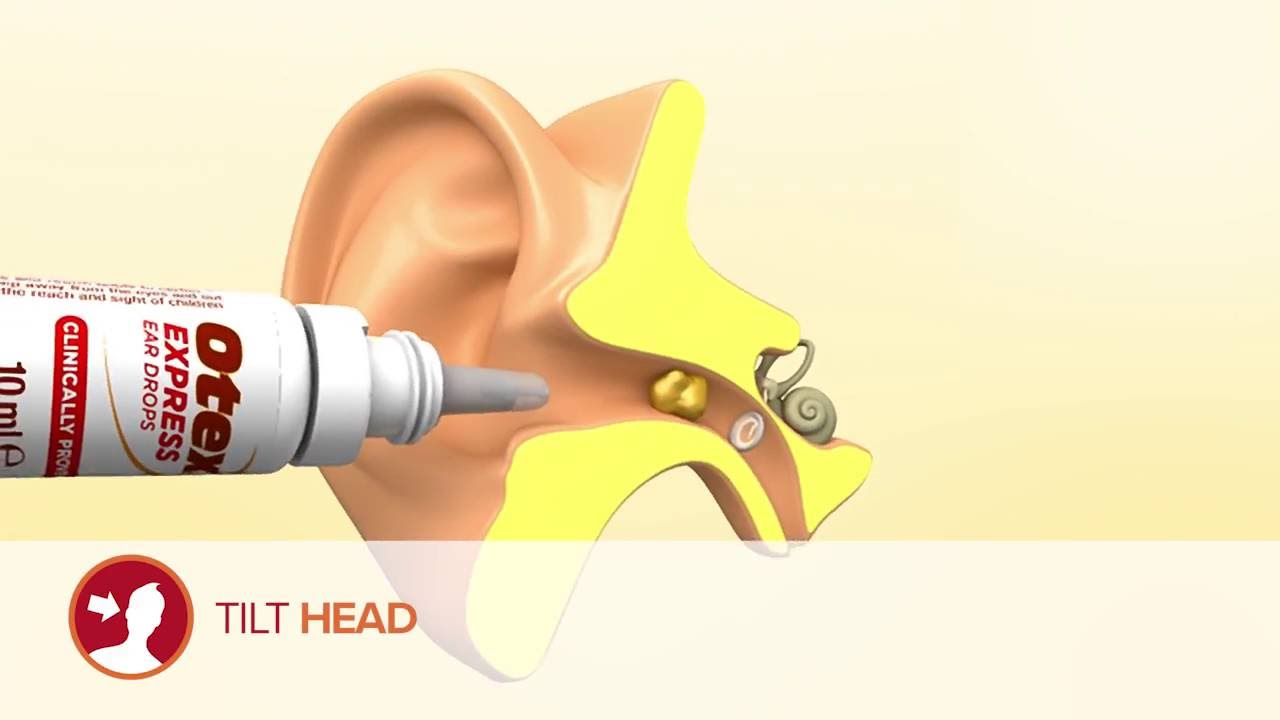
Next, tilt your head sideways, or better yet, lie down on your side with the affected ear facing upwards. Gently pull your earlobe back and up (for adults) or back and down (for children) to straighten the ear canal. Drip in the recommended number of drops. Then, stay put for a few minutes. Let gravity do its job. Don't immediately spring up and start headbanging, unless you want the drops to end up on your cheek instead of in your ear.
The Takeaway: Knowledge is Power (and Less Painful)
So, there you have it. The fascinating, slightly complicated world of over-the-counter ear drops. They're not magic potions for every ear ailment, and they certainly won't banish a deep-seated bacterial infection. But for temporary pain relief, or for warding off the dreaded swimmer's ear, they can be a comforting ally in your medicine cabinet.
The key, as always, is knowledge and a healthy dose of common sense. Understand what you're dealing with, know when to rely on a quick fix, and more importantly, know when to call in the professionals. Because while a funny story about ear pain is great for a café chat, actually having ear pain is definitely not. Now, if you'll excuse me, I think I heard a faint, tiny Macarena beat... just kidding! (Mostly.)