
Outdoor Play Equipment For 2-3 Year Olds
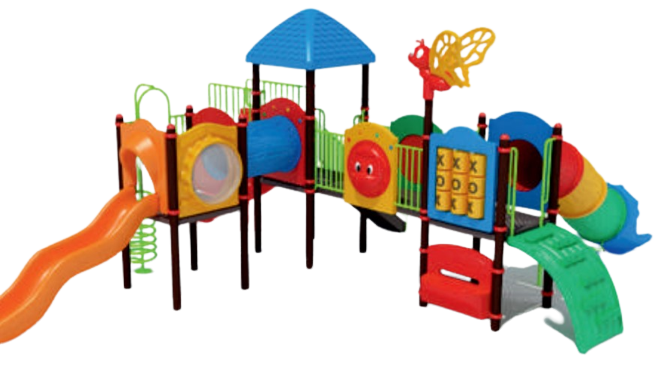
Alright, grab a coffee, maybe a pastry, because we need to talk about one of life's most exhilarating, exhausting, and utterly hilarious phases: the 2-3 year old era. Specifically, their outdoor play equipment. If you’re a parent, guardian, or even just an occasional observer of these tiny humans, you know it’s less about "play" and more about an unstoppable force of nature meeting a slightly wobbly object. And choosing that object? Well, that’s a whole other adventure.
You see, at this age, a child isn’t just playing; they’re conducting scientific experiments with gravity, testing the structural integrity of every surface, and generally operating at a frequency only dogs and other toddlers can truly comprehend. Our job, as the designated grown-ups, is to provide them with the right tools for their mad scientist experiments without them accidentally achieving liftoff or developing an early appreciation for the emergency room.
The Grand Arena of Outdoor Toddler Mayhem
So, what exactly do these little bundles of dynamite need to safely (mostly) unleash their boundless energy outdoors? Let's dive into the fascinating, sometimes muddy, world of toddler play equipment. And trust me, it’s not just about flashy plastic; it’s about unlocking superpowers you didn't even know they had.
The Mighty Mini Slide: A Descent into Pure Glee
First up, the undisputed champion of repetitive joy: the slide. But not just any slide, oh no. We're talking the toddler-sized slide, roughly the height of a particularly tall garden gnome. This isn't about reaching warp speed; it's about the thrill of the descent, the triumphant landing, and the immediate scramble back up for round 3,000.
My friend once swore her toddler could clock more steps on a three-foot slide than on a marathon. The truth is, these small slides are fantastic for developing gross motor skills, balance, and that crucial understanding of "up and down" (which they will immediately ignore when climbing the sofa). And a surprising fact? Even a simple slide can teach rudimentary physics – cause and effect, baby! Just don't tell them it's educational, or they might refuse.

The Humble Sandbox or the Splashing Spectacle of a Water Table
Next, let’s talk sensory play. Nothing says "childhood" quite like a sandbox. It’s a magical realm where sand becomes everything from gourmet soup to the foundation of a skyscraper. But let's be real, it's also a realm where sand inevitably ends up in hair, mouths, and places you didn't even know existed. I swear, sometimes I still find rogue grains of sand from a sandbox adventure three years ago. It's the glitter of the outdoor world – it never truly leaves you.
If the thought of tiny granules haunting your home gives you hives, consider the water table. Less messy (arguably), equally fascinating. Toddlers love splashing, pouring, and watching things float (or sink!). It’s a wonderful way to introduce concepts like volume and density, all while they're just thinking, "Whee! Wet!" Plus, it’s a brilliant way to cool down on a hot day. Just be prepared for total saturation.
Swings: The First Taste of Flight (Without the Airport Security)
Ah, the swing. Specifically, the bucket swing for our 2-3 year olds. This is often their first experience with the sensation of flying, albeit a very controlled, low-altitude kind of flight. The sheer joy on their face as they go "higher, higher!" is infectious. It's a fantastic way to develop core strength, coordination, and that delightful little giggle that only a swing can coax out.

Did you know that swinging can actually help with sensory processing and balance? It's like a tiny, fun therapy session! Just be ready for your arms to feel like jelly after five minutes of pushing. It’s a full-body workout for both of you. And the moment they discover how to pump their own legs? Pure parental pride, mixed with a little relief that your deltoids might finally get a break.
Little Wheels, Big Adventures: Ride-On Toys
From tricycles with push handles to those adorable push-and-scoot cars, ride-on toys are a must for fostering independence and gross motor skills. Watching a toddler painstakingly push themselves across the yard, foot by foot, is a testament to their budding determination. Then, suddenly, they click. They understand the motion, and they're off! Not at breakneck speed, mind you, but at a velocity that feels like the Indy 500 to them.
These toys teach steering, pedaling (eventually!), and the vital skill of avoiding garden gnomes and the family pet. Plus, they burn off an incredible amount of energy, meaning (hopefully) better nap times and earlier bedtimes. It's a win-win, even if you do have to retrieve the car from under the rose bush for the fifteenth time.

Climbing Structures: The Mini Mountain Expedition
Low, safe climbing structures are brilliant for this age. We’re not talking Everest here, but perhaps a small hill with a few platforms. These toddler-friendly climbers are perfect for building strength, balance, and problem-solving skills. Every platform ascended is a mountain conquered; every crawl through a tunnel is an epic quest. They learn about spatial awareness and even a little bit about risk assessment ("Can I reach that? Yes! Wait, no...").
It’s important to find structures that are specifically designed for their age group – no huge gaps or dizzying heights. We want to encourage their inner adventurer, not send them to a chiropractic appointment before their third birthday. The goal is to build confidence, not fear. And perhaps most importantly, provide a fantastic vantage point from which they can survey their kingdom (your backyard).
Balls, Bubbles, and Other Wonders
Let's not overthink it. Sometimes the simplest things are the best. A lightweight ball for kicking and throwing can provide hours of entertainment and develop hand-eye coordination like nobody's business. And bubbles? Oh, bubbles are the ultimate crowd-pleaser. They combine visual tracking, gross motor skills (chasing!), and sheer, unadulterated delight. It’s like magic, only stickier. A quick tip: invest in a bubble machine; your lungs will thank you.

Even better, a small set of kid-sized gardening tools can turn yard work into an exciting game. Handing a toddler a plastic shovel and a tiny rake isn't just adorable; it teaches them about the natural world, encourages digging (a primal urge, apparently), and gives them a sense of purpose. Just don't expect actual gardening to get done. More like "dirt redistribution projects."
The Takeaway: Embrace the Chaos (and the Mud)
Choosing outdoor play equipment for your 2-3 year old isn't about buying the most expensive, most elaborate contraption. It's about providing safe, engaging opportunities for them to explore, learn, and burn off that seemingly infinite energy. It's about fostering imagination, building strong bodies, and making memories that will inevitably involve scraped knees, muddy clothes, and a whole lot of laughter.
So, lean into it. Let them splash, dig, climb, and swing. Give them the tools to turn your backyard into a grand adventure playground. Because these fleeting years, while often messy and loud, are truly magical. And who knows, maybe all that pushing on the swing will finally give you the biceps you've always dreamed of. Just remember the coffee. You're gonna need it.